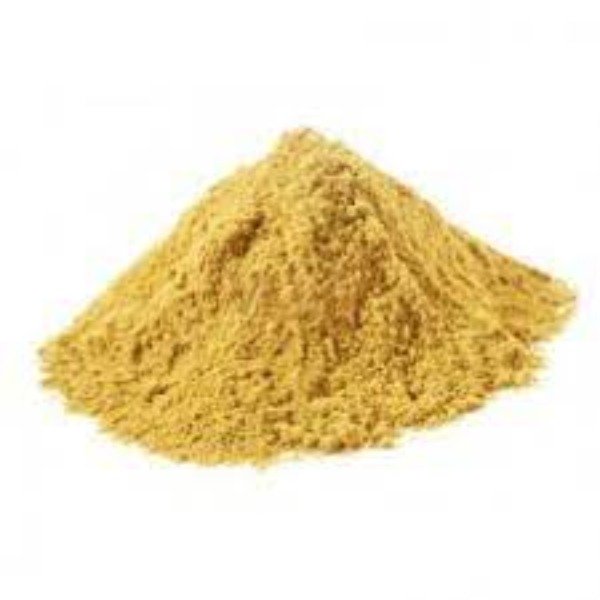
How to Make Authentic Indonesian Spice Paste (Bumbu) from Powder
Table of Contents
- Introduction
- Key Takeaways
- What does Indonesian seasoning taste like?
- What are the essential spices in Indonesian seasoning?
- How Do I Make Authentic Indonesian Spice Seasoning at Home?
- How do you make Indonesian spice paste?
- Frequently Asked Questions (FAQs)
Introduction
Indonesian seasoning is defined by its depth, balance, and reliance on fresh aromatics. Unlike many spice blends that highlight a single dominant note, Indonesian flavours are built from layers with savory foundations, warm earthiness, citrusy brightness, natural sweetness, and controlled heat. These combinations reflect Indonesia’s long history of spice cultivation and regional cooking traditions, where ingredients like garlic, shallots, galangal, turmeric, chilies, palm sugar, and tamarind are used together to create complexity. The result is a seasoning profile that is bold, aromatic, and richly textured, offering a distinct taste experience that sets Indonesian cuisine apart from other Asian flavour systems.
Key Takeaways
What are the essential spices in Indonesian seasoning?
Indonesian seasoning relies on aromatic spices like black pepper, green cardamom, coriander, cumin, galangal, garlic, ginger, kaffir lime leaves, nutmeg, shallots, and turmeric. These spices create the bold, layered flavors characteristic of Indonesian cuisine.
How do I make authentic Indonesian spice powder at home?
Combine black pepper, cardamom, coriander, cumin, galangal, garlic, ginger, kaffir lime leaves, nutmeg, shallots, and turmeric in measured proportions. Grind whole spices if needed, then mix evenly. Store in an airtight container for up to 3–4 months.
What is Indonesian spice paste (bumbu)?
Bumbu is a fragrant Indonesian spice paste made by rehydrating spice powder with water, oil, or coconut milk and blending it with fresh aromatics like shallots, garlic, ginger, galangal, and chilies. Cooking the paste intensifies its aroma and flavor.
How do I convert Indonesian spice powder into bumbu?
Mix the powder with liquid to form a thick paste, add fresh aromatics, then sauté in oil for 5–10 minutes until fragrant and the oil separates. This process develops the paste’s authentic flavor and aroma.
Can I store Indonesian spice paste for later use?
Yes. After cooking, let the paste cool and store in an airtight container in the refrigerator for up to one week, or freeze in portions for longer preservation.
What dishes use Indonesian spice paste?
Bumbu is used in a wide range of dishes, including rendangs, curries, sambals, stir-fries, marinades, and soups, providing rich, aromatic flavors typical of Indonesian cuisine.
Why are fresh aromatics important in bumbu?
Fresh aromatics like shallots, garlic, ginger, and galangal are essential because they add depth, texture, and aroma that powdered spices alone cannot achieve, ensuring authentic Indonesian flavor.
What Does Indonesian Seasoning Taste Like?
Key Flavor Components of Indonesian Seasoning
- Sweet: Sweetness in Indonesian cuisine typically comes from palm sugar (gula Jawa) and sweet soy sauce (kecap manis). These ingredients provide a subtle caramelized note that balances heat and savory flavors, particularly in Javanese and Balinese dishes.
- Spicy/Heat: Indonesian seasoning ranges from mild to fiery, using chilies like bird’s eye chili, cayenne, or local varieties. The heat is carefully balanced with other flavors, creating a bold yet harmonious spice profile.
- Savory/Umami: Umami is driven by fresh aromatics like shallots, garlic, ginger, galangal, and kaffir lime leaves, often enhanced by fermented shrimp paste (terasi) or soy sauce. This gives Indonesian dishes a rich, savory depth that is instantly satisfying.
- Aromatic & Earthy: Fragrance and warmth come from spices native to Indonesia’s “Spice Islands,” such as nutmeg, cloves, candlenut, turmeric, and coriander seeds, combined with lemongrass, galangal, and ginger. These ingredients give Indonesian seasoning a layered, earthy aroma.
- Tangy/Sour: Citrus and sour notes are introduced through tamarind (asam Jawa), kaffir lime leaves, or lime juice, adding brightness and balancing the richness of sweet and savory elements.
- Pungent: Fresh aromatics such as garlic, shallots, and ginger contribute pungency, while fermented ingredients like terasi introduce a deep, slightly sharp umami undertone.
The Overall Taste Experience
- Balanced & Layered: Indonesian seasoning is never dominated by a single flavor. Sweet, spicy, savory, sour, and aromatic notes coexist in harmony.
- Rich & Umami-Forward: Wet-ground spices and the cooking technique menumis (sautéing the paste until oil separates) intensify the flavors, creating a deep, lingering taste.
- Versatile Flavor Profile: Depending on the region and dish, Indonesian seasoning can be sweet-spicy (like Balinese sambal), earthy and nutty (with candlenut and turmeric), or citrusy and fragrant (lemongrass and kaffir lime).
- Inviting Aroma: Indonesian bumbu emits a bold, fragrant scent, often with subtle perfumed notes from spices like kencur, and pungent umami from terasi, making it highly aromatic and appetizing.
What are the essential spices in Indonesian seasoning?
Essential Spices in Indonesian Seasoning
Indonesian cuisine is celebrated worldwide for its bold, aromatic, and layered flavors, which are achieved through a careful balance of spices and herbs. The following spices form the backbone of traditional Indonesian seasoning, used in everything from sambals and rendangs to soups, stews, and marinades:
- Black Pepper
A versatile spice, black pepper adds a warm, sharp heat that enhances the natural flavors of meats, vegetables, and sauces. Indonesian recipes often use freshly ground pepper for maximum aroma and intensity. - Green Cardamom
Known for its sweet, floral, and slightly citrusy notes, green cardamom is often used in spice pastes and sweet-savory dishes, adding depth and complexity. - Coriander
Coriander seeds provide a subtle citrus undertone and earthy aroma. Ground or toasted, coriander is indispensable in Indonesian spice blends and curry pastes. - Cumin
With its warm, nutty, and slightly smoky flavor, cumin is a staple in Indonesian spice mixes, especially in rendangs and satay marinades. - Galangal Powder
Galangal, a close relative of ginger, brings a sharp, citrusy, and peppery aroma unique to Southeast Asian cooking. Powdered galangal is convenient for instant pastes and soups. - Garlic Powder
While fresh garlic is preferred in many dishes, garlic powder is a convenient alternative that provides pungent, savory notes essential for spice blends and seasoning mixes. - Ginger Powder
Ginger contributes a warm, slightly sweet spiciness that balances richer flavors in Indonesian stews, curries, and marinades. - Kaffir Lime Leaves
These aromatic leaves offer a distinct citrus fragrance, often bruised or chopped to release their oils into soups, sauces, and stir-fries, lending a fresh and zesty note. - Nutmeg
Nutmeg adds a sweet, nutty warmth to spice blends, often used sparingly in meat dishes, desserts, and traditional Indonesian sauces. - Shallots
Shallots provide a mild, sweet onion flavor that forms the aromatic base of many spice pastes and sambals, enhancing the depth of Indonesian cuisine. - Turmeric
Turmeric is prized not only for its vibrant golden color but also for its earthy, slightly bitter flavor. It is essential in curries, rice dishes, and traditional spice pastes.
Together, these spices create the signature taste of Indonesian cuisine: aromatic, vibrant, and perfectly balanced between heat, sweetness, and earthiness. Mastering the combination of these ingredients is key to authentically recreating Indonesian flavors in your kitchen.
How Do I Make Authentic Indonesian Spice Seasoning at Home?
You can buy Pure and Gluten-Free Indonesian Spice From Amazon
You’ll find several reputable brands offering pre-made blends in both small jars and bulk packs.
CLICK HERE
How to Make Authentic Indonesian Spice Seasoning at Home
Indonesian cuisine is renowned for its vibrant, aromatic flavors, and a key element of that taste is the carefully balanced combination of spices. Making your own Indonesian spice seasoning at home allows you to capture the authentic taste of Indonesia in your dishes, from curries and stir-fries to soups and marinades.Here’s a step-by-step guide to crafting your own spice blend:Ingredients
- Black Pepper: 4g
- Green Cardamom: 4g
- Coriander: 12g
- Cumin: 12g
- Galangal Powder: 11g
- Garlic Powder: 11g
- Ginger Powder: 11g
- Kaffir Lime Leaves: 4g
- Nutmeg: 4g
- Shallots (dried or powdered): 11g
- Turmeric: 16g
Instructions
- Prepare Your Ingredients Ensure all your spices are dry and fresh. If using whole spices like cardamom, coriander, and cumin seeds, lightly toast them in a dry pan for 1–2 minutes over low heat to enhance their aroma before grinding.
- Grind the Whole Spices Using a spice grinder or mortar and pestle, grind black pepper, green cardamom, coriander, cumin, and nutmeg into a fine powder. This will ensure your spice blend is smooth and evenly flavored.
- Mix the Powders In a clean bowl, combine the ground spices with galangal powder, garlic powder, ginger powder, turmeric, shallots, and finely crushed kaffir lime leaves. Mix thoroughly so every spice is evenly distributed.
- Store Properly Transfer your spice mix into an airtight container, away from direct sunlight and heat. Properly stored, it can retain its aroma and flavor for up to 3–4 months.
Tips for Using Your Indonesian Spice Seasoning
- Add 1–2 teaspoons of this spice blend per serving when cooking meats, vegetables, or tofu for authentic Indonesian flavor.
- Mix with coconut milk for rich, creamy curries or combine with oil to create flavorful marinades.
- Experiment with sambals or fried rice to give your dishes that unmistakable Indonesian aroma and depth.
Related Posts You May Want to Read
1 Secret of Asian Spice Blend That Will Transform Your Cooking
How to Make an Authentic Filipino Spice Blend at Home
How to Make the Perfect Rendang Spice Blend: A Step-by-Step Guide for Home Cooks
Bami Goreng Homemade Spice Blend: Bring Indonesian Street-Style Fried Noodles to Your Kitchen
How do you make Indonesian spice paste?
How to Make Authentic Indonesian Spice Paste (Bumbu) from Powder
Indonesian cuisine relies on bumbu, a fragrant spice paste that forms the foundation of many traditional dishes. While powdered Indonesian seasoning is convenient, transforming it into a fresh, aromatic paste unlocks the full depth of flavor and authenticity. Here’s how to do it at home.
Ingredients (for basic spice paste)
- Indonesian spice powder – 3–4 tablespoons
- Water, coconut milk, or oil – 2–3 tablespoons (adjust for consistency)
- Fresh aromatics:
- Shallots – 4–6, peeled
- Garlic – 3–4 cloves, peeled
- Fresh ginger – 1 inch, peeled
- Optional: fresh galangal, 1 inch, peeled
- Optional: 1–2 fresh chilies for heat
Step 1: Rehydrate the Powder
- In a small bowl, mix your Indonesian spice powder with water, coconut milk, or oil to form a thick, smooth slurry.
- A good starting ratio is roughly 1 part spice powder to 0.75–1 part liquid, adjusting until it reaches a thick, oatmeal-like consistency.
Step 2: Add Fresh Aromatics
- Chop or roughly blend shallots, garlic, ginger, galangal, and optional chilies.
- Incorporate these fresh ingredients into the rehydrated spice mixture. This step is essential as the spice powder alone won’t provide the authentic texture, aroma, or depth of traditional bumbu.
Step 3: Blend Until Smooth
Use a mortar and pestle or a food processor to grind the mixture into a smooth paste. The paste should have a consistent texture, allowing the flavors to meld beautifully during cooking.
Step 4: Bloom the Paste (Menumis)
- Heat 2–3 tablespoons of vegetable or coconut oil in a pan or wok over medium heat.
- Add the spice paste and sauté, stirring constantly, for 5–10 minutes.
- Cook until the paste releases its aroma, deepens in color, and the oil begins to separate. This step is crucial for developing flavor and preserving the paste.
Step 5: Adjust and Store
- If the paste is too thick, gradually add a little more water or coconut milk to achieve the desired consistency.
- Use the spice paste immediately in recipes like rendang, satay marinades, curries, or sambals.
- Alternatively, let it cool and store in an airtight container in the refrigerator for up to one week. For longer storage, freeze in small portions.
Tips for Perfect Indonesian Bumbu
- Freshness Matters: Fresh aromatics are essential to mimic the signature aroma of authentic Indonesian spice pastes.
- Oil Separation is a Sign: When the oil starts to separate from the paste, it indicates that the bumbu is fully cooked and aromatic.
- Customize for Heat: Adjust the number of fresh chilies according to your spice preference.
By following these steps, you can transform convenient Indonesian spice powder into a fragrant, flavorful bumbu that elevates your home-cooked Indonesian dishes to authentic, restaurant-quality flavor.
Watch the Video
⚡️The Ultimate Keto Meal Plan⚡️
Frequently Asked Questions (FAQs)
What is the difference between Indonesian spice powder and bumbu?
Indonesian spice powder is a dry, pre-mixed combination of essential spices like turmeric, cumin, and coriander. Bumbu is a wet, aromatic paste made by rehydrating the powder with liquid and adding fresh aromatics such as shallots, garlic, ginger, and chilies. Bumbu is more fragrant and directly usable in cooking.
Can I make bumbu using only powdered spices?
While powdered spices provide a convenient base, authentic bumbu requires fresh aromatics to achieve the signature depth, texture, and aroma of Indonesian dishes. Without fresh ingredients, the paste will lack the full complexity of traditional bumbu.
Which liquids are best for rehydrating Indonesian spice powder into bumbu?
Water, coconut milk, or vegetable oil can be used. Coconut milk adds creaminess and richness, while oil helps release the flavors during sautéing. The choice depends on the recipe and desired taste profile.
How long does homemade Indonesian spice paste last?
When stored in an airtight container in the refrigerator, bumbu can last up to one week. For longer storage, freeze the paste in small portions to maintain freshness and flavor.
What dishes benefit most from using Indonesian bumbu?
Bumbu is versatile and enhances a wide variety of dishes, including rendangs, curries, satay marinades, stir-fries, soups, and sambals, providing authentic Indonesian aroma and depth.
Can I adjust the spice level in Indonesian bumbu?
Yes. Fresh chilies or chili powder can be added to increase heat, while omitting or reducing them creates a milder paste. Adjusting spices allows you to customize the flavor according to taste preferences.
Why is sautéing the spice paste important?
Sautéing bumbu in oil releases essential oils, deepens color, and enhances aroma, transforming it into a fragrant, flavorful paste that forms the authentic base of Indonesian dishes.
Is it necessary to toast whole spices before grinding for Indonesian powder?
Toasting whole spices like cumin, coriander, and cardamom enhances their aroma and flavor, making the resulting spice powder more robust and authentic.
Can I use this spice powder and bumbu for non-Indonesian dishes?
Absolutely. The aromatic and layered flavors of Indonesian spices work well in global cuisines, such as soups, stews, roasted vegetables, grilled meats, or even fusion dishes.