Gluten-Free Nasi Goreng Spice Blend: How to Make Authentic Indonesian Flavour at Home
Table of Contents
- Key Takeaways
- What Is Nasi Goreng Spice Blend?
- What Does Nasi Goreng Spice Blend Taste Like Compared to Regular Fried Rice Seasoning?
- What Spices Are in a Traditional Nasi Goreng Spice Blend?
- How to make Nasi Goreng spice blend at home without hard-to-find ingredients?
- Is Nasi Goreng spice mix gluten-free?
- Where to buy Nasi Goreng spice blend online?
- What’s the difference between store-bought and homemade Nasi Goreng spice mix?
- How Do I Store and Extend the Shelf Life of Homemade Nasi Goreng Seasoning?
- Frequently Asked Questions
Key Takeaways: Gluten-Free Nasi Goreng Spice Blend
What is a Nasi Goreng spice blend?
Nasi Goreng spice blend, also known as Bumbu Nasi Goreng, is a fragrant mix of aromatic spices used to make authentic Indonesian fried rice. It combines earthy, sweet, spicy, and umami flavours to create the dish’s signature taste.
Is Nasi Goreng spice blend gluten-free?
Traditional Nasi Goreng spice blends may contain gluten due to ingredients like kecap manis (sweet soy sauce). However, a homemade version using gluten-free tamari, coconut aminos, or a dry spice mix is naturally gluten-free and safe for sensitive diets.
What spices are commonly used in a gluten-free Nasi Goreng blend?
Key spices include coriander, cumin, turmeric, garlic powder, ginger powder, black pepper, cloves, cassia, nutmeg, shallot powder, and star anise. Optional aromatics like dried lemongrass and kaffir lime leaves enhance fragrance.
How does Nasi Goreng spice blend taste compared to regular fried rice seasoning?
Nasi Goreng seasoning is richer, sweeter, and more complex than Chinese-style fried rice seasoning. It balances umami from shrimp paste or tamari substitutes, mild heat from chilies, and aromatic spices, giving a warm, earthy, and slightly smoky flavour.
Can I make Nasi Goreng spice blend at home without hard-to-find ingredients?
Yes! You can use widely available spices and aromatics to create an easy homemade version. Freshly ground spices, garlic, shallot powder, and tamari-based substitutes replicate authentic flavours without specialty ingredients.
How do I store homemade Nasi Goreng spice blend?
Store in an airtight glass jar, away from heat, light, and moisture. Dry spice blends last 3–6 months, while spice pastes can stay fresh for up to a week in the fridge or 3 months frozen. Using dry spoons and occasional shaking preserves aroma.
What’s the difference between store-bought and homemade Nasi Goreng spice mixes?
Store-bought mixes offer convenience and long shelf life but often include preservatives, anti-caking agents, and less vibrant flavours. Homemade blends provide freshness, customizable spice levels, aromatic intensity, and control over sodium and dietary preferences.
How can I make a gluten-free Nasi Goreng dish at home?
Use a homemade gluten-free spice blend, replace kecap manis with gluten-free tamari or coconut aminos, and combine with fresh aromatics like garlic, shallots, and chilies to achieve authentic Indonesian fried rice flavours safely.
What Is Nasi Goreng Spice Blend?
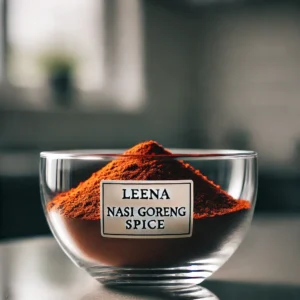
Nasi Goreng spice blend also called Bumbu Nasi Goreng in Indonesia is a fragrant, expertly balanced mixture of aromatics that forms the flavour foundation of traditional Indonesian fried rice. This seasoning blend combines warm spices, earthy herbs, and citrusy notes to create the signature taste that makes Nasi Goreng seasoning mix one of Southeast Asia’s most beloved dishes.
At its core, the blend typically includes spices such as coriander, cumin, turmeric, garlic, ginger, black pepper, cloves, cassia, and star anise. Many versions also incorporate kaffir lime leaves, lemongrass, nutmeg, and shallot powder to layer brightness and depth. Together, these ingredients produce a warm, earthy, slightly spicy, and aromatic flavour profile that defines authentic Nasi Goreng.
In Indonesian cooking, this dry spice blend is often paired with essential flavour enhancers like kecap manis sweet soy sauce for Nasi Goreng and terasi (shrimp paste). These additions create the iconic balance of sweet, savoury, smoky, and umami notes that sets Nasi Goreng apart from Chinese-style or Thai-style fried rice.
You can use the blend as a dry seasoning or mix it with fresh aromatics such as garlic, onion, chili, and oil to create a bumbu paste for a richer, more intense flavour.
What Does Nasi Goreng Spice Blend Taste Like Compared to Regular Fried Rice Seasoning?
The Nasi Goreng spice blend or Bumbu Nasi Goreng delivers a deeper, bolder, and more aromatic flavour than the seasoning used in regular fried rice. Its taste comes from a layered combination of spices and traditional Indonesian ingredients such as garlic, shallots, chilies, turmeric, coriander, cumin, ginger, and sometimes galangal. Many authentic versions also include terasi (fermented shrimp paste) and kecap manis (sweet soy sauce), two ingredients that completely change the flavour profile compared to Chinese-style fried rice.
Overall Taste Profile
Nasi Goreng seasoning mix is sweet-savory, smoky, umami-rich, and slightly spicy, with a warm earthiness from turmeric and coriander. Kecap manis adds a distinct caramel-like sweetness and dark colour, while shrimp paste introduces a deep, roasted umami that lingers on the palate. The result is a punchy, vibrant flavour that stands out from the simpler, cleaner taste of regular fried rice seasoning.
How It Differs from Regular (Chinese-Style) Fried Rice Seasoning
Typical fried rice seasoning relies on light soy sauce, salt, white pepper, and sometimes sesame oil. This creates a savoury, uncomplicated flavour without the sweetness, heat, or fermented depth found in Nasi Goreng.
Taste Comparison: Nasi Goreng vs. Regular Fried Rice Seasoning
Nasi Goreng Spice Blend
- Sweet-savory from kecap manis
- Deep umami and mild funk from terasi (shrimp paste)
- Warm, earthy notes from turmeric, coriander, and cumin
- Aromatic heat from chilies, ginger, or galangal
- Smoky, slightly roasted flavour from the spice paste
- Dark reddish-brown colour
- Lingering, complex aftertaste with chili warmth
Regular Fried Rice Seasoning (Chinese-Style)
- Salty-savory from light soy sauce
- Clean, straightforward flavour
- Ginger-forward (light, not earthy)
- Minimal or no sweetness
- Mild heat (if any)
- Light golden-brown colour
- Clean finish without lingering spices
The Key Difference
Aspect | Nasi Goreng Spice Blend (Indonesian) | Regular Fried Rice Seasoning (Chinese-Style) |
Overall Flavor | Sweet-savory, smoky, spicy, and heavily umami | Salty-savory with a clean, mild taste |
Key Ingredients | Kecap manis (sweet soy sauce), terasi (shrimp paste), garlic, shallots, chilies, turmeric, coriander, cumin | Light soy sauce, garlic, salt, white pepper, sometimes sesame oil |
Complexity | Highly layered and aromatic | Simple and straightforward |
Sweetness Level | Noticeably sweet from kecap manis | Very little to no sweetness |
Umami Source | Shrimp paste + caramelised sweet soy | Soy sauce + optional MSG |
Heat Level | Medium to spicy (chili-forward) | Mild or non-spicy |
Aroma | Pungent, roasted, slightly fermented | Light, clean, garlic-soy aroma |
Colour | Dark brown to reddish-brown | Light golden-brown |
Earthiness | Strong earthy notes from turmeric and coriander | Minimal earthiness |
Aftertaste | Lingering warmth with hints of shrimp paste | Clean, quick finish |
Texture (When Made as a Paste) | Thick, oily, and robust | Light and dry or slightly saucy |
Typical Use | Indonesian Nasi Goreng, stir-fries, noodles, marinades | Chinese-style fried rice, quick stir-fries |
What Spices Are in a Traditional Nasi Goreng Spice Blend?
A classic Nasi Goreng spice blend is built on warm aromatics, earthy herbs, and fragrant Southeast Asian ingredients that give this beloved Indonesian fried rice its signature depth. While recipes vary across regions and households, the traditional base almost always includes the following spices and seasonings:
Black Pepper – Adds a sharp, warm heat that lifts the entire blend.
Cassia (Cinnamon) – Brings sweet warmth and a subtle woody aroma.
Cloves – Provides a bold, sweet-spicy note that deepens the flavour.
Coriander – Offers citrusy, nutty undertones essential to Indonesian cooking.
Cumin – Gives earthiness and warmth, balancing the sharper spices.
Garlic Powder – Delivers savoury depth and that classic fried-rice aroma.
Ginger Powder – Adds gentle heat and helps brighten the blend.
Kaffir Lime Leaves – Contributes a fresh, zesty fragrance unique to Southeast Asian dishes.
Lemongrass – Offers a citrus-forward aroma that keeps the blend light and fragrant.
Nutmeg – Adds warm sweetness and a slightly nutty finish.
Shallot – Provides natural sweetness and umami to balance the spices.
Star Anise – Introduces a subtle licorice-like sweetness for complexity.
Turmeric – Gives the blend its warm golden colour and earthy flavour.
How to make Nasi Goreng spice blend at home without hard-to-find ingredients?
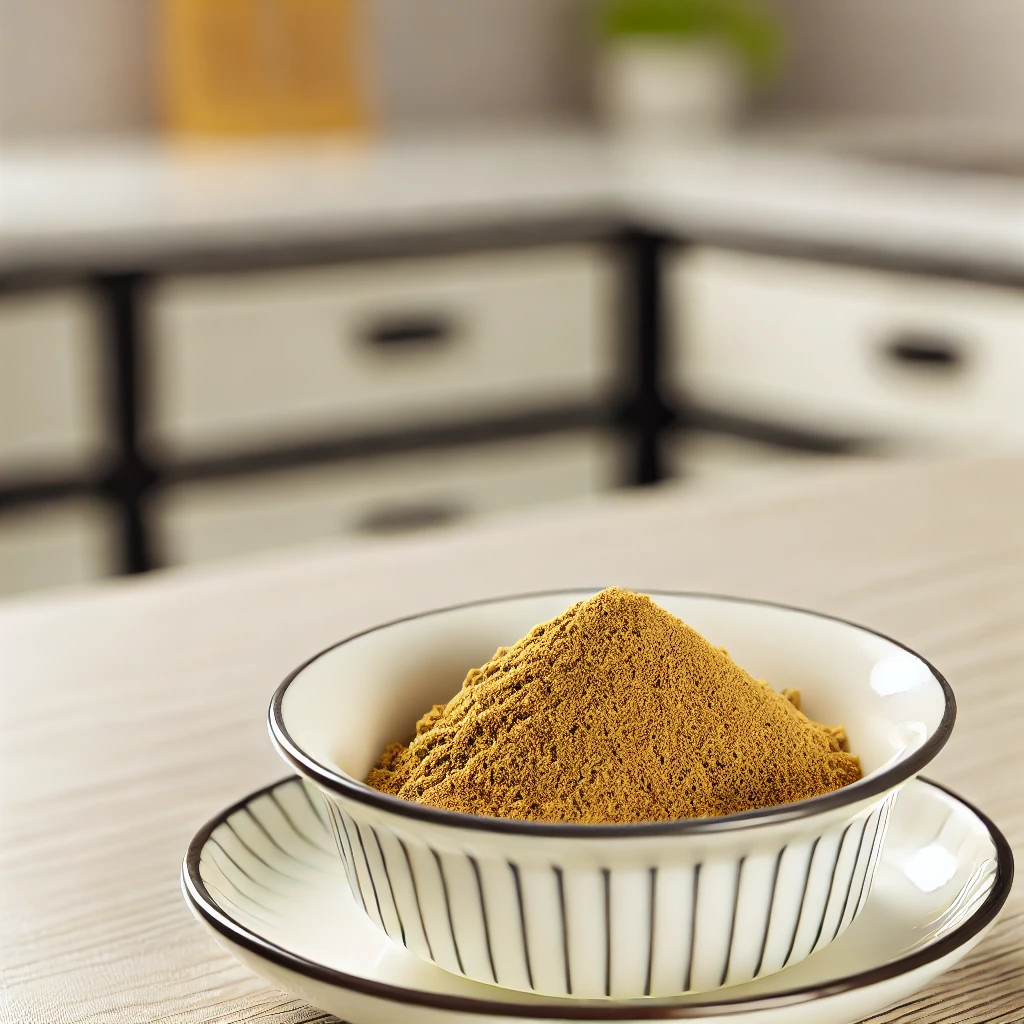
You don’t need rare or traditional Indonesian pantry items to make a delicious, homemade Nasi Goreng spice blend. With simple spices you can find in most supermarkets, you can recreate the warm, aromatic flavours of authentic Gluten-free Nasi Goreng spice mix right at home. The blend below is straightforward, balanced, and perfect for home cooks who want the real taste of homemade Nasi Goreng spice mix without chasing specialty ingredients.
Homemade Nasi Goreng Spice Recipe
Ingredients (Easy-to-Find Version)
Use the following ground spices:
- Black Pepper – 1g
- Cassia (Cinnamon) – 2g
- Cloves – 2g
- Coriander – 11g
- Cumin – 10g
- Garlic Powder – 12g
- Ginger Powder – 12g
- Kaffir Lime Leaves (dried) – 2g
- Lemongrass (powdered or dried) – 20g
- Nutmeg – 1g
- Shallot Powder – 20g
- Star Anise – 2g
- Turmeric – 5g
Instructions
- Measure all ingredients accurately
Use a digital scale if possible. Because the flavours are strong and aromatic, accurate measurements help maintain balance. - Grind or crush any coarse ingredients
If your kaffir lime leaves, lemongrass, cassia, or star anise are in larger pieces, grind them to a fine powder so they blend smoothly. - Combine all spices in a clean, dry bowl
Mix thoroughly until the colour and texture look even. This ensures every spoonful gives consistent flavour. - Store the blend properly
Transfer the mixture into an airtight jar, preferably glass. Keep it in a cool, dark cupboard to protect the aromatics.
Shelf life: 6–12 months, depending on freshness of spices. - How to use it
- Add 1–2 teaspoons per serving of fried rice.
- For a richer, more authentic flavour, mix the spice with a little oil, crushed garlic, and a splash of soy sauce to create a quick bumbu-style paste.
What Makes This Version Easy?
This recipe avoids hard-to-find ingredients like terasi (shrimp paste), candlenuts, fresh galangal, and fresh chilies. Instead, it relies on widely available dried spices that still deliver the core flavour profile: warm, earthy, slightly sweet, aromatic, and unmistakably Indonesian.

Is Nasi Goreng spice mix gluten-free?
Nasi Goreng spice blend is not always gluten-free, especially if you are buying a ready-made mix or using traditional Indonesian seasoning pastes. The main issue is kecap manis which is a sweet soy sauce that gives Nasi Goreng its signature dark colour and caramelised flavour. Most commercial kecap manis is made with wheat-containing soy sauce, which introduces gluten into many spice pastes and packaged mixes.
However, the good news is that a homemade dry Nasi Goreng spice mix is naturally gluten-free. The core spices such as coriander, cumin, turmeric, garlic, ginger, chili, black pepper, lemongrass, and kaffir lime do not contain gluten.
Why Traditional Nasi Goreng Blends May Contain Gluten
- Kecap manis is commonly brewed with wheat-based soy sauce.
- Many store-bought pastes and seasoning packets use soy derivatives, thickeners, or flavour enhancers that include gluten.
- Some brands add anti-caking agents that may not be gluten-free.
Gluten-Free Options for Nasi Goreng
1. Make Your Own Dry Spice Blend (Naturally Gluten-Free)
A homemade spice-only blend using dried herbs and spices is 100% gluten-free when made with certified gluten-free ingredients.
2. Replace Kecap Manis With Gluten-Free Alternatives
You can recreate the sweet, sticky flavour of kecap manis using:
- Gluten-free tamari + brown sugar (simmer until thick)
- Coconut aminos + coconut sugar
- Gluten-free soy sauce + palm sugar
3. Check Store-Bought Options Carefully
If purchasing a seasoning paste or spice mix:
- Look for labels that clearly state “gluten-free”
- Read ingredient lists for wheat, soy sauce, hydrolysed wheat protein, or flavour enhancers
- Choose brands that specify gluten-free soy or use tamari
Bottom Line
Traditional Nasi Goreng spice blends are not reliably gluten-free because of kecap manis, but you can easily make a fully gluten-free version at home. A simple dry spice blend is naturally gluten-free, and swapping kecap manis for tamari-based alternatives ensures the entire dish stays safe for gluten-sensitive diners.
Watch the Video
⚡️The Ultimate Keto Meal Plan⚡️
Where to buy Nasi Goreng spice blend online?
You can buy Pure and Authentic Nasi Goreng Spice Blend From Amazon
You’ll find several reputable brands offering pre-made blends in both small jars and bulk packs.
CLICK HERE
What's the difference between store-bought and homemade Nasi Goreng spice mix?
Store-Bought Nasi Goreng Spice Mix
Store-bought blends are designed for convenience and long shelf life, but they often sacrifice freshness and complexity.Characteristics of store-bought mixes:
- Usually contain preservatives, anti-caking agents, and sometimes MSG
- Pre-measured for quick cooking
- Shelf-stable for 1–2 years when unopened
- Often rely on powdered aromatics (garlic, shallot, ginger) that lose potency over time
- Flavour tends to be one-dimensional and less aromatic
- Typically higher in salt, fillers, and bulking agents
- Cost-effective for single meals ($2–$5 per packet)
- Very convenient: open, add, cook
Homemade Nasi Goreng Spice Mix
A homemade mix gives you control over freshness, purity, and flavour intensity.Characteristics of homemade mixes:
- Uses fresh, pure spices—often toasted and freshly ground
- Can include real aromatics such as fresh garlic, shallots, chilies, and even authentic shrimp paste
- Fully customisable: adjust heat, sweetness, and spice balance
- Naturally gluten-free when made with certified gluten-free ingredients
- Richer aroma and a deeper, more complex flavour
- Lower sodium and no fillers
- Costs a little more upfront ($8–$12 in spices) but makes 10–15 servings
- Requires a bit of prep time (15–20 minutes)
- Shelf life for a dry blend: 3–6 months; for a paste: up to 1 week in the fridge or 3 months frozen
Key Quality Differences at a Glance
- Freshness: Homemade uses just-ground spices; store-bought relies on older, pre-ground powders.
- Ingredients: Homemade uses real shallots/garlic; store-bought often uses dehydrated versions.
- Umami Source: Homemade can include real shrimp paste; store-bought may use artificial flavour enhancers.
- Customisation: Homemade allows control over heat, sweetness, and sodium; store-bought does not.
- Additives: Homemade has none; store-bought may contain preservatives, fillers, and anti-caking agents.
| Ingredient | Original Blend | Easy Version (No hard-to-find ingredients) | Difference |
| Black Pepper | 1g | 1g | Same |
| Cassia | 2g | 2g | Same |
| Cloves | 2g | 2g | Same |
| Coriander | 11g | 11g | Same |
| Cumin | 10g | 10g | Same |
| Garlic Powder | 12g | 12g | Same |
| Ginger Powder | 12g | 12g | Same |
| Kaffir Lime Leaves | 2g | — removed — | Removed due to being hard to find |
| Lemongrass | 20g | — removed — | Removed due to being hard to find |
| Nutmeg | 1g | 1g | Same |
| Shallot | 20g | Onion Powder 20g | Replaced with easy-to-find ingredient |
| Star Anise | 2g | — removed — | Removed due to being hard to find for many people |
| Turmeric | 5g | 5g | Same |
How Do I Store and Extend the Shelf Life of Homemade Nasi Goreng Seasoning?
1. Use Airtight Containers
Always store your spice blend in airtight glass jars, spice tins, or high-quality BPA-free containers. Air exposure weakens aroma, reduces potency, and causes spices to taste flat.2. Keep It Away From Light
Direct light breaks down essential oils in spices. Store the jar in a dark pantry, cupboard, or drawer, not on an open kitchen shelf.3. Avoid Heat and Humidity
Heat and moisture are the biggest enemies of spice freshness. Keep your Nasi Goreng blend away from stoves, ovens, dishwashers, and windows. Ideal storage temp: Cool and dry.4. Never Scoop with Wet Spoons
Moisture causes spices to clump and can even lead to mould. Always use clean, dry spoons and close the jar immediately after scooping.5. Label and Date Your Blend
Write the date you made it. Homemade seasoning blends normally stay at peak flavour for:- 3 to 6 months in ideal storage
- Up to 12 months if kept perfectly airtight and cool
6. Boost Freshness with a Silica Gel Packet (Optional)
If you live in a humid climate, add a food-safe silica gel pack inside the container. This reduces moisture and keeps spices dry and loose.7. Store Larger Batches in the Freezer (Optional)
For long-term storage, freeze unused portions in vacuum-sealed or airtight bags. Frozen spices retain their aroma extremely well and do not clump when thawed.8. Shake the Jar Occasionally
A light shake every few weeks helps prevent the blend from caking and redistributes oils evenly.Summary
To extend the shelf life of homemade Nasi Goreng seasoning, store it in airtight glass containers, keep it away from light, heat, and moisture, use dry utensils, and label it with the preparation date. With proper storage, your blend will stay fragrant for 6–12 months.

Frequently Asked Questions
What spices go in Nasi Goreng?
Traditional Nasi Goreng spice blend includes garlic, shallots, turmeric, coriander, cumin, ginger, black pepper, cassia, cloves, nutmeg, star anise, lemongrass, and kaffir lime leaves. For gluten-free versions, kecap manis can be substituted with tamari or coconut aminos to retain sweetness and umami. These spices combine to create the warm, aromatic, slightly sweet, and savory profile unique to Indonesian fried rice.
How long does Nasi Goreng spice mix last?
A dry homemade spice blend lasts 3–6 months when stored in an airtight container away from light, heat, and moisture. A spice paste version stays fresh for about 1 week in the fridge or up to 3 months frozen. Proper storage preserves the aroma, flavor, and potency of the spices.
Can I make Nasi Goreng spice blend ahead?
Yes! Homemade spice mixes can be prepared days, weeks, or even months ahead, depending on storage. Dry spice blends are perfect for batch prep and can be used on-demand. For paste versions, store in the fridge or freezer and portion as needed for easy, ready-to-cook meals.
Why use leftover rice for Nasi Goreng?
Leftover or day-old rice is drier and firmer, making it ideal for stir-frying. Freshly cooked rice is moist and can become mushy when fried. Using leftover rice helps separate grains, absorb the spice blend evenly, and achieve the signature texture of authentic Nasi Goreng.
Is Nasi Goreng spice mix healthy?
Yes, a homemade Nasi Goreng spice blend can be very healthy, especially when using fresh spices and avoiding additives. Ingredients like turmeric, coriander, cumin, garlic, and ginger have natural anti-inflammatory and antioxidant properties. Controlling salt and sugar in gluten-free versions further enhances its health profile compared to store-bought mixes with preservatives and high sodium.