8 Surprising Reasons to Add Chandrashoor Asario Seeds to Your Diet Today
Table of Contents
- Key Takeaways
- Introduction to Asario Seeds (Garden Cress Seeds)
- What Are Asario Seeds?
- How Do Asario Seeds Taste?
- Nutritional Benefits of Asario Seeds
- Health Benefits of Asario Seeds
- How to Use Asario Seeds in Recipes
- Asario Seeds vs. Chia Seeds: Key Differences
- Are Asario Seeds Gluten-Free?
- Where Can I Buy Asario Seeds?
- How to Store Asario Seeds for Freshness
- FAQs About Asario Seeds
- Conclusion
Key Takeaways: Asario Seeds (Garden Cress Seeds)
What are Asario seeds?
Asario seeds, also known as Garden Cress or Halim seeds, are small reddish-brown seeds valued for their peppery flavor and high nutritional content.
Why are Asario seeds considered healthy?
They are rich in iron, calcium, folate, protein, fiber, and antioxidants, supporting immunity, digestion, bone strength, and hormonal balance.
How can Asario seeds benefit your health?
Regular consumption can help improve hemoglobin levels, support lactation, regulate menstrual cycles, and promote heart and digestive health.
How do you use Asario seeds in cooking?
They can be soaked, sprouted, roasted, or blended into drinks, sweets, and baked goods. Common uses include adding them to smoothies, laddoos, porridges, and salads.
Where can you buy Asario seeds?
They’re available in Indian grocery stores, health food shops, and online under names like Halim or Aliv seeds.
How should you store them for freshness?
Keep in an airtight container in a cool, dark, and dry place. For long-term freshness, refrigerate to extend shelf life up to two years.


An advisor to the American Anti-Cancer Institute and 3-Time Canadian Natural Bodybuilding Champion, Mr. Wade Lightheart, is one of the world’s premier authorities on Natural Nutrition and Training Methods.
He says “Most healthy individuals typically only get 1-2 forms of magnesium at best (much of the population is deficient in all forms)
– but when you get all 7 major forms of magnesium, you can truly experience the benefits.”
Introduction to Asario Seeds (Garden Cress Seeds)
Asario seeds, also known as Garden Cress or Halim seeds, are tiny power-packed seeds that have been valued for centuries in Indian, Middle Eastern, and Ayurvedic traditions. With their peppery flavor and rich nutrient profile, they are not only a culinary ingredient but also a natural source of iron, calcium, folate, protein, and antioxidants.
These seeds are highly versatile . They can be soaked, sprouted, roasted, or blended into drinks, desserts, and savory dishes. Beyond their culinary use, Asario seeds are celebrated for their health benefits, including improving hemoglobin levels, supporting lactation, aiding digestion, and boosting immunity.
What Are Chandrashoor (Asario) Seeds?
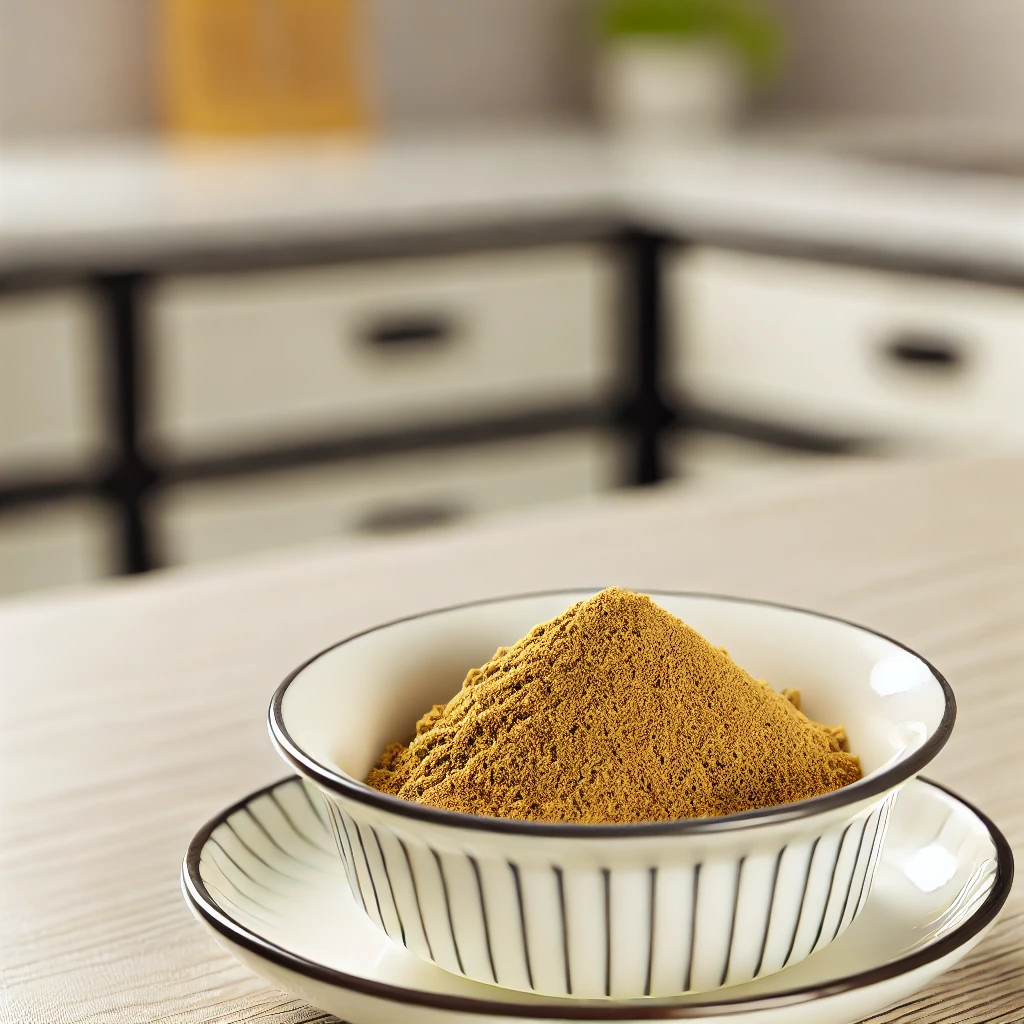
Chandrashoor seeds, also known as asario seeds, garden cress seeds, or halim seeds, come from the plant Lepidium sativum. These tiny, reddish-brown seeds have a distinct peppery flavor and are widely valued in both culinary and Ayurvedic traditions.
In the kitchen, Chandrashoor seeds are used in Indian and Middle Eastern cuisines for their rich nutritional profile and subtle spice. They can be eaten raw, soaked, sprouted, or lightly roasted, and are often added to salads, drinks, porridges, and desserts for a mild pungent taste and nutrient boost.
Quick Facts:
- Botanical Name: Lepidium sativum
- Common Names: Halim, Aliv, Asario, Garden Cress
- Key Benefits: Enhances lactation, supports digestion, improves iron levels, and boosts immunity.
How do Asario seeds taste?
Asario seeds (also known as Chandrashoor, Halim, or Garden Cress seeds) have a distinct peppery and slightly tangy flavor that sets them apart from most other seeds. Their taste is often compared to mustard greens, watercress, or radish, reflecting their close relation to the mustard family (Brassicaceae).
When eaten raw, Asario seeds deliver a sharp, spicy bite with a crisp texture. Roasting or soaking them softens this pungency, allowing nutty and earthy undertones to come through. The way they are prepared plays a key role in how their flavor and texture develop:
Preparation Method | Flavor Profile | Texture |
Dry/Raw | Sharp, peppery, and slightly bitter with a strong aroma. | Hard and crunchy. |
Soaked | Milder and rounded, with a subtle tang; pungency is reduced. | Develops a soft, jelly-like coating with a tender center. |
Roasted | Nutty and earthy, with the pepperiness mellowed. | Lightly crisp and aromatic. |
Sprouted | Fresh, herbaceous, and intensely peppery, similar to microgreens. | Crisp and juicy. |
In essence, Asario seeds offer a versatile flavor profile. Starting sharp and spicy when raw, turning nutty and mellow when roasted, and smoothly mild when soaked. Their adaptable taste makes them easy to pair with both sweet and savory recipes, especially when blended into smoothies, porridges, salads, or herbal drinks.

Are Asario Seeds Gluten-Free?
Yes, Asario seeds (also known as Halim or Garden Cress seeds, Lepidium sativum) are naturally gluten-free. Since they are seeds and not grains, they do not contain the gluten proteins found in wheat, barley, or rye.
This makes Asario seeds a suitable choice for people with celiac disease, gluten intolerance, or anyone following a gluten-free diet.
However, it’s important to check packaging labels before purchasing. Some commercial products may be processed in facilities that handle gluten-containing grains, which can lead to cross-contamination. For strict gluten-free diets, look for products labeled “Certified Gluten-Free.”
In short, Asario seeds are inherently gluten-free, nutrient-rich, and safe for most gluten-sensitive individuals when sourced carefully.
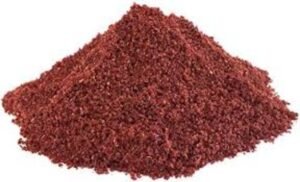
Asario Seeds vs. Chia Seeds: What’s the Difference?
Although Asario seeds (also known as Halim or Garden Cress seeds) and Chia seeds look similar and both form a gel when soaked, they differ greatly in flavor, nutrition, texture, and traditional use. Understanding these distinctions helps you choose the right seed for your specific dietary or culinary goals.
1. Flavor and Aroma
- Asario seeds have a strong, peppery, and tangy flavor with a subtle mustard-like bite. Their bold taste adds spice and warmth to recipes.
- Chia seeds are mild and neutral, often described as bland or slightly nutty. They easily absorb the flavors of other ingredients, making them ideal for smoothies, puddings, and baked goods.
2. Appearance and Texture
- Asario seeds are tiny, reddish-brown, and oval-shaped. When soaked, they quickly form a thick, jelly-like mucilage, giving a smooth, gel-like texture.
- Chia seeds are slightly larger and come in black, white, or gray colors. When hydrated, they develop a distinct gel coating but retain a soft crunch in the center.
3. Nutritional Focus
| Nutrient Aspect | Asario Seeds (Garden Cress) | Chia Seeds |
| Calories (per 15g) | ~32 kcal | ~73 kcal |
| Protein | 2.6 g | 2.5 g |
| Fiber | 1.3 g | 5.2 g |
| Iron | 1.3 mg (very high) | 1.2 mg |
| Calcium | 81 mg | 95 mg |
| Key Nutrients | Iron, Folic Acid, Vitamins A, C, E | Omega-3 (ALA), Fiber, Antioxidants |
| Body Effect (Ayurveda) | Warming | Cooling |
- Asario seeds are particularly rich in iron, folate, and vitamins A and C, making them excellent for improving blood health, supporting lactation, and boosting immunity.
- Chia seeds are higher in omega-3 fatty acids and fiber, promoting heart health, hydration, and digestive regularity.
4. Culinary and Traditional Uses
- Asario seeds are commonly used in Ayurvedic medicine and Indian or Middle Eastern cuisines. They are added to tonic drinks, porridges, sweets, or roasted spice blends, especially for postpartum nourishment and anemia support.
- Chia seeds, once a staple in Aztec and Mayan diets, are now popular in modern Western health foods. They are often used in smoothies, energy puddings, and vegan baking due to their gelling ability.
5. Key Takeaways
- Taste: Asario is bold and spicy; Chia is mild and adaptable.
- Nutrition: Asario excels in iron and folate; Chia leads in fiber and omega-3s.
- Use: Asario adds flavor and warmth; Chia adds texture and hydration.
- Tradition: Asario is rooted in Ayurveda; Chia in ancient Latin American diets.
In summary:
If you want to enhance flavor and boost iron, go for Asario seeds. If you’re after omega-3s, fiber, and hydration, Chia seeds are the better fit. Both are nutritious and versatile, but their roles in the kitchen — and in traditional wellness — are beautifully distinct.
This Critical Mineral Holds The Key
To A Perfect Night’s Sleep – No Matter What Your Age.
What are the nutritional benefits of Asario seeds?
Asario seeds (also known as Halim or Garden Cress seeds, Lepidium sativum) may be tiny, but they are remarkably nutrient-dense. Long valued in traditional Ayurvedic medicine, these seeds provide a concentrated source of iron, calcium, vitamins, and antioxidants, making them a true superfood for daily wellness.
Key Nutrients
A tablespoon (about 15 g) of Asario seeds contains roughly 32 kcal, 2.6 g of protein, 1.3 g of fiber, 1.3 mg of iron, and 81 mg of calcium. Beyond these macronutrients, they deliver a rich combination of essential vitamins and minerals:
- Iron: Promotes red blood cell production and helps prevent or manage anemia.
- Folate (Vitamin B9): Supports cell growth and is vital during pregnancy for fetal development.
- Calcium and Phosphorus: Strengthen bones and teeth and may aid recovery from fractures.
- Vitamins A, C, and E: Powerful antioxidants that protect cells from oxidative damage and support healthy skin, vision, and immunity.
- Protein: Provides amino acids essential for muscle repair and overall body maintenance.
- Fiber: Promotes digestive health, relieves constipation, and supports gut balance.
- Omega-3 Fatty Acids: Support cardiovascular health and help regulate inflammation.
- Magnesium and Potassium: Contribute to muscle function and healthy blood pressure.
Major Health Benefits
- Improves Hemoglobin Levels
With their high iron and vitamin C content, Asario seeds are traditionally used to combat iron deficiency and anemia, as vitamin C enhances iron absorption. - Supports Lactation
In Ayurveda, Asario seeds are known as a natural galactagogue, helping nursing mothers increase breast milk production due to their rich protein, iron, and phytochemical content. - Boosts Immunity
The combination of vitamins A, C, and E helps strengthen the immune system and protect the body from infections and oxidative stress. - Aids Digestion
The dietary fiber in Asario seeds acts as a gentle laxative, helping relieve constipation and promoting smooth bowel movement. - Supports Bone and Joint Health
With high levels of calcium, phosphorus, and magnesium, these seeds promote strong bones and may help alleviate joint discomfort. - Regulates Hormones and Menstrual Health
Asario seeds contain plant-based compounds that mimic estrogen, which may help balance hormones and support regular menstrual cycles. - Assists in Weight Management
The protein and fiber content helps promote satiety, reducing cravings and overeating which is an an advantage for those managing weight naturally. - Promotes Heart Health
The presence of omega-3 fatty acids, magnesium, and antioxidants supports healthy cholesterol levels and overall cardiovascular function.
In summary:
Asario seeds are a compact source of essential nutrients — rich in iron, calcium, vitamins, and healthy fats that support blood, bone, digestive, and immune health. Whether consumed soaked, roasted, or added to smoothies and traditional drinks, they provide a simple and natural way to enhance daily nutrition.
Related Posts You May Want to Read
15 Magnesium-Rich Herbs and Spices: Are You Getting Enough?
Asario Seeds vs Chia Seeds: Which Is Better for Your Health?
8 Surprising Reasons to Add Chandrashoor Asario Seeds to Your Diet Today
10 Powerful Must Try Asario Seed Recipes That Boost Energy Balance Body Mind and Wellness
9 Incredible Benefits of Asario Seeds That Will Transform Your Health Naturally
How to Use Asario Seeds in Recipes
Asario seeds (also known as Halim or Garden Cress seeds) are incredibly versatile and can be used in both sweet and savory dishes. Their peppery flavor and nutrient-rich profile make them easy to incorporate into your daily meals whether soaked, roasted, or sprouted.
1. Soaked Seeds
The most common way to consume Asario seeds is by soaking them.
- How to prepare: Soak 1 teaspoon of seeds in water or milk for 1–2 hours until they form a gel-like texture.
- How to use: Add the soaked seeds to smoothies, juices, milkshakes, or lassi for a quick nutritional boost. You can also stir them into porridge, yogurt, or overnight oats for a soft, chewy texture.
- Tip: Soaking makes them easier to digest and enhances nutrient absorption.
2. Sprouted Seeds
Sprouting Asario seeds enhances their vitamin and enzyme content.
- How to prepare: Soak overnight, then drain and leave to sprout for 2–3 days, rinsing daily.
- How to use: Add the peppery sprouts to salads, sandwiches, soups, or raita for a crisp, fresh flavor.
3. Roasted Seeds
Dry roasting deepens the flavor and adds a nutty aroma.
- How to prepare: Lightly roast 1 tablespoon of seeds on low heat for 2–3 minutes.
- How to use: Sprinkle roasted seeds over curries, dals, soups, or breads, or mix them into baked goods like muffins and flatbreads (naan, roti) for extra crunch and warmth.
4. In Traditional Sweets
In Indian cuisine, Asario seeds are often used in energy-rich sweets and postpartum foods.
- How to prepare: Soak seeds in warm milk, then cook with grated coconut, jaggery, and cardamom to make Halim laddoos or Asario kheer (pudding) — both nourishing and iron-rich desserts.
5. In Drinks and Tonics
Asario seeds make a simple yet effective nutritive drink.
- How to prepare: Soak 1 teaspoon overnight in water, then mix with lemon juice and honey for an iron-boosting digestive tonic.
- For a richer drink, simmer soaked seeds in milk with ghee and nuts — a warming, energizing beverage ideal for winter or postpartum recovery.
6. In Chutneys and Savory Blends
The peppery bite of Asario seeds complements spices and herbs beautifully.
- How to prepare: Grind roasted or soaked seeds with fresh herbs, green chilies, garlic, and lemon to create a tangy, nutrient-rich chutney that pairs well with Indian meals.
Daily Usage Tip
Start with 1–2 teaspoons per day, as their flavor is strong and their nutrient content is concentrated. Consistent, small amounts are more beneficial than large servings.
Where Can I Buy Authentic, Pure Asario Seeds online?
You can buy Authentic, Pure Asario Halim Seeds From Amazon
You’ll find several reputable brands offering pre-made blends in both small jars and bulk packs.
CLICK HERE
Where can I buy Asario seeds?
You can buy Asario seeds (Halim, Aliv, or Garden Cress seeds) from several reliable sources, depending on your location and shopping preferences:
- Indian or Asian Grocery Stores:
These seeds are commonly available in Indian supermarkets, usually labeled as Halim, Aliv, Asario, or Garden Cress seeds. You’ll often find them near other Ayurvedic or traditional ingredients. - Health Food Stores:
Many health or organic food shops stock them under Garden Cress seeds because of their nutritional benefits. Check the bulk food or seeds section. - Online Spice Retailers:
Websites that specialize in herbs, spices, or Ayurvedic ingredients often carry Asario seeds in different pack sizes. This is ideal if you’re looking for high-quality or certified products. - Online Marketplaces:
Popular e-commerce platforms such as Amazon, eBay, iHerb, or Etsy frequently list Asario seeds from various sellers. Look for trusted brands with clear labeling and positive reviews.
Tip:
When purchasing, check for “100% pure,” “natural,” or “unroasted” on the label. If you have gluten sensitivity, ensure the package specifies “gluten-free” or is processed in a dedicated gluten-free facility.
How do you store Asario seeds for freshness?
Proper storage is essential to preserve the flavor, aroma, and nutrients of Asario seeds (Garden Cress or Halim seeds). These small, oil-rich seeds are sensitive to heat and moisture, so keeping them in optimal conditions will help them last longer.
- Use an Airtight Container
Store Asario seeds in a tightly sealed glass jar, metal tin, or BPA-free plastic container. This prevents exposure to air, moisture, and pests, which can cause spoilage. - Keep Them Cool, Dry, and Dark
Choose a storage spot away from sunlight and heat sources—such as a pantry or cupboard. Constant temperature and low humidity help maintain freshness and prevent mold or sprouting. - Ensure Seeds Are Completely Dry
Before storing, check that the seeds are fully dry. Even a small amount of moisture can lead to clumping or fungal growth. In humid climates, consider adding a small food-grade silica packet or a pouch of dried rice to absorb excess moisture. - Refrigerate for Long-Term Storage
If you plan to store Asario seeds for more than a year, refrigerate or freeze them in an airtight container. This slows oxidation and helps retain flavor and nutrients. When removing from the fridge, let the container reach room temperature before opening to avoid condensation. - Check Before Use
Fresh Asario seeds should have a mild, peppery aroma. Discard them if they smell rancid, appear oily, or form clumps.
Shelf Life:
- At room temperature: 6–12 months
- In the refrigerator or freezer: up to 1–2 years
Easy, step-by-step instructions for creating your own spice blends from home.More than 200 spices from around the world

FAQs: Everything You Need to Know About Asario Seeds
Can children safely consume Asario seeds?
Yes, children can enjoy Asario seeds in small amounts, such as soaked or sprouted seeds added to porridge, smoothies, or laddoos. Start with ½ to 1 teaspoon to gauge tolerance.
How long does it take for Asario seeds to sprout?
After soaking overnight, Asario seeds typically sprout within 2–3 days. Rinse them daily for best results and use the fresh sprouts in salads, sandwiches, or soups.
Can Asario seeds help with postpartum recovery?
Yes, in Ayurveda, Asario seeds are considered a natural galactagogue, supporting lactation, improving iron levels, and providing nutrients for recovery.
Are there any side effects of consuming Asario seeds?
Generally, they are safe for most people in moderate amounts. Overconsumption may cause mild digestive discomfort due to high fiber. Pregnant or nursing women should consult a healthcare provider if consuming large quantities.
Can I use Asario seeds in baked goods?
Absolutely. You can mix 1–2 tablespoons into dough for breads, muffins, or flatbreads. Roasting the seeds beforehand enhances flavor and reduces pungency.
Do Asario seeds need to be soaked before consumption?
Soaking is recommended as it softens the seeds, activates nutrients, and improves digestibility. However, they can also be eaten raw, roasted, or sprouted depending on your recipe.
Can Asario seeds be used in smoothies or drinks?
Yes. Soaked seeds blend easily into smoothies, juices, or milk-based drinks. They add a subtle peppery flavor and boost nutrition with iron, calcium, and protein.
How do I know if Asario seeds are still fresh?
Fresh seeds have a mild, peppery aroma and are free from clumping or mold. If they smell rancid, taste bitter, or appear oily, discard them. Proper storage in a cool, airtight container preserves freshness for 6–12 months.
Conclusion
Asario seeds (Garden Cress or Halim seeds) are a small but mighty ingredient, packed with essential nutrients and rich in flavor. From their iron and folate content to their immune-boosting antioxidants, they offer a wide range of health benefits, including supporting digestion, lactation, and overall wellness. Versatile in the kitchen, they can be soaked, sprouted, roasted, or blended into drinks, sweets, salads, and baked goods, making them easy to incorporate into your daily diet. By storing them properly and using them thoughtfully, you can enjoy their nutritional and culinary benefits year-round. Whether you are looking to enhance your meals with flavor or support natural health, Asario seeds are a simple, effective, and traditional superfood worth adding to your pantry.