Are Asario Seeds Safe During Pregnancy? Safety Guide for Expecting Mothers
Table of Contents
- Key Takeaways
- What Are Asario Seeds Used For?
- How Much Asario (Garden Cress) Seed Should You Take Per Day?
- Are Asario (Garden Cress) Seeds Safe During Pregnancy?
- Does Asario (Garden Cress) Increase Breast Milk?
- FAQs: Asario Seeds and Pregnancy Safety
Key Takeaways
Are Asario seeds safe to consume during pregnancy?
No. Asario seeds (garden cress seeds) are generally not recommended during pregnancy because they have emmenagogue and uterine-stimulating properties, which may increase the risk of contractions or preterm labor.
Why are Asario seeds avoided during pregnancy?
They contain active compounds that can stimulate the uterus, potentially affecting pregnancy stability. For this reason, most traditional and medical sources advise avoiding them until after childbirth.
When can Asario seeds be safely consumed?
They are considered safe and even beneficial after delivery, especially during the postpartum and breastfeeding period, as they help enhance milk supply and support recovery.
Do Asario seeds offer any nutritional benefits for expecting mothers?
While rich in iron, folate, protein, and calcium, these benefits are best utilized postpartum, not during pregnancy. Pregnant women should rely on safer alternatives for nutritional support.
What are safe alternatives to Asario seeds during pregnancy?
Safe options for boosting nutrition include:
• Flaxseeds for omega-3s
• Chia seeds for fiber and calcium
• Sesame seeds for healthy fats and minerals
These provide similar nutrients without uterine-stimulating effects.
Should pregnant women consult a doctor before using herbal seeds?
Yes. Any herb or seed with traditional medicinal uses including Asario should be used only under medical guidance during pregnancy to ensure safety for both mother and baby.
Are Asario seeds safe while breastfeeding?
After childbirth, Asario seeds are commonly used as a natural galactagogue, helping increase breast milk production and supporting postpartum recovery.


An advisor to the American Anti-Cancer Institute and 3-Time Canadian Natural Bodybuilding Champion, Mr. Wade Lightheart, is one of the world’s premier authorities on Natural Nutrition and Training Methods.
He says “Most healthy individuals typically only get 1-2 forms of magnesium at best (much of the population is deficient in all forms)
– but when you get all 7 major forms of magnesium, you can truly experience the benefits.”
What Are Asario Seeds Used For?
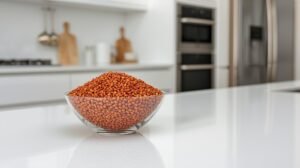
Asario seeds also known as garden cress seeds, aliv, halim, or Lepidium sativumare small reddish-brown seeds widely used in Indian, Middle Eastern, African, and Asian cuisines. They are valued for their nutritional density, traditional medicinal benefits, and versatile culinary applications.
Traditional and Medicinal Uses of Asario (Garden Cress) Seeds
Asario seeds have long been used in Ayurveda, Unani practices, and various traditional systems for their restorative properties. Their primary uses include:
1. Natural Support for Iron Deficiency
Asario seeds are exceptionally high in iron and folate, making them useful for supporting hemoglobin levels and managing mild iron-deficiency anemia.
2. Postpartum and Lactation Support
In many Indian and Middle Eastern households, these seeds are prepared in laddoos, porridge, milk tonics, or halwa for postpartum recovery.
They are considered a galactagogue, traditionally believed to help support breast milk production.
3. Digestive Health
Because of their high fiber content, Asario seeds help promote healthy digestion, relieve mild constipation, and support overall gut function.
4. Women’s Health and Hormonal Balance
Traditional practitioners use Asario seeds to:
- Support menstrual regularity
- Ease mild menstrual discomfort
- Provide nutrients important for reproductive health
These uses are based on traditional knowledge and may vary by region.
5. Respiratory and Immune Support
Warm preparations of Asario such as infusions or milk-based tonics are used in some cultures to ease:
- Cough
- Cold
- Mild respiratory weakness
They also contain vitamins A, C, and E, contributing to immune resilience.
6. Bone Strength and Growth
Asario seeds supply minerals such as calcium and phosphorus, supporting bone development in growing teenagers and helping maintain overall bone health in adults.
Culinary Uses of Asario Seeds
Beyond their health associations, Asario seeds are valued for their slightly peppery, tangy flavor and their unique gel-like texture once soaked.
1. Traditional Sweet Preparations
Common in Indian and Middle Eastern kitchens:
- Aliv or halim laddoos
- Milk-based kheer or porridge
- Coconut and jaggery-based desserts
These foods are especially prepared in winter or postpartum periods.
2. Warm Drinks and Tonics
Asario seeds are often simmered in:
- Warm milk
- Water
- Custards
- Herbal tea blends
The soaked seeds add body and nutrition to these drinks.
3. Soups, Smoothies, and Salads
When soaked, the seeds expand into a soft gel, making them suitable for:
- Thickening soups
- Adding nutrition to smoothies
- Mixing into salads and yogurt bowls
4. Everyday Cooking
Their natural heat and peppery bite mean they can also be used as a mild seasoning in:
- Savory porridges
- Lentil dishes
- Grain bowls
Note on Plant Confusion
The term “Asario” can occasionally refer to Asarum europaeum (European wild ginger or asarabacca). This is a different plant from garden cress and is not used the same way in culinary traditions.
In food and Ayurvedic contexts, Asario almost always refers to garden cress (aliv or halim) seeds.
Nutritional Profile of Asario Seeds
Asario seeds are valued for their concentrated nutrients, including:
- Iron and folic acid
- Calcium and phosphorus
- Vitamins A, C, and E
- Protein and dietary fiber
- Antioxidants and flavonoids
This dense nutritional profile explains their popularity in traditional wellness recipes and restorative foods.

How Much Asario (Garden Cress) Seed Should You Take Per Day?
The ideal daily intake of Asario seeds (garden cress, aliv, or halim) is typically 5–10 grams, which equals 1–2 teaspoons. This amount provides meaningful nutritional benefits especially iron, fiber, and calcium, without overwhelming the digestive system.
However, the right dosage depends on your purpose, health condition, and tolerance.
Recommended Daily Intake
General Wellness
- Amount: 1–2 teaspoons per day (about 3–10 grams)
- Frequency: Many nutrition experts recommend taking them 3–4 times a week rather than every day, to avoid excessive fiber intake.
- How to consume: Best taken soaked in water or milk to soften the seeds and improve digestion.
For Iron Support and Hemoglobin Boosting
Asario seeds are naturally rich in iron.
- Amount: Up to 1 tablespoon (10–12 grams) daily is commonly used in traditional diets for improving hemoglobin levels.
- Notes: Due to the high iron content, consistent use for several weeks may help support mild iron deficiency, but medical advice is recommended for therapeutic use.
Important Safety Considerations
Start Small
Begin with ½ to 1 teaspoon per day to judge how your body responds, then increase gradually.
Digestive Sensitivity
Because Asario seeds are high in fiber:
- Overconsumption may cause bloating, gas, or stomach cramps.
- Always soak the seeds to minimize discomfort.
Pregnancy and Lactation
- Lactation: Traditionally used to support breast milk production after delivery.
- Pregnancy: Intake during pregnancy should be discussed with a healthcare provider, as traditional recommendations vary regionally.
Thyroid Concerns
Some studies suggest garden cress may influence thyroid hormone levels.
People with hypothyroidism should use it only with medical supervision.
Blood Pressure
Asario seeds may naturally reduce blood pressure.
If you take antihypertensive medication, consult a doctor to prevent excessive lowering.
Practical Daily Usage Tip
A simple and effective way to consume Asario seeds is:
- Soak 1 teaspoon in water overnight
- Mix into warm milk, porridge, laddoos, smoothies, or yogurt in the morning
This improves absorption and enhances their nutritional impact.
Related Posts You May Want to Read
15 Magnesium-Rich Herbs and Spices: Are You Getting Enough?
Asario Seeds vs Chia Seeds: Which Is Better for Your Health?
8 Surprising Reasons to Add Chandrashoor Asario Seeds to Your Diet Today
10 Powerful Must Try Asario Seed Recipes That Boost Energy Balance Body Mind and Wellness
9 Incredible Benefits of Asario Seeds That Will Transform Your Health Naturally
This Critical Mineral Holds The Key
To A Perfect Night’s Sleep – No Matter What Your Age.
Are Asario (Garden Cress) Seeds Safe During Pregnancy?
Asario seeds are highly nutritious, but they are generally not recommended during pregnancy.
While these seeds provide iron, calcium, folate, and antioxidants, they also contain compounds that may influence uterine activity and hormone levels. Because of this, their use during pregnancy should be approached with great caution.
Why Asario Seeds Are Usually Avoided in Pregnancy
1. Possible Uterine-Stimulating Effects
Traditional medical systems and some modern studies note that garden cress seeds may act as a uterine stimulant (emmenagogue).
This means they can:
- Trigger or intensify uterine contractions
- Potentially increase the risk of miscarriage, especially in early pregnancy
- Contribute to preterm contractions in later stages
Because pregnancy is a sensitive hormonal and physiological state, these effects pose unacceptable risks.
2. Limited Clinical Safety Data
There is insufficient scientific evidence establishing the safety of Asario seeds for pregnant women.
Most recommendations for avoidance come from:
- Traditional medicine caution
- Observed uterine activity
- Lack of controlled studies proving safety
In pregnancy, the absence of evidence means the safer choice is to avoid exposure.
When Asario Seeds Are Traditionally Used
Although they are not advisable during pregnancy, Asario seeds play an important role after childbirth.
Postpartum Uses
They are commonly used for:
- Restoring iron and folate levels to combat postpartum anemia
- Supporting lactation, as they are considered a natural galactagogue
In many regions, new mothers consume:
- Aliv or halim laddoos
- Warm milk tonics
- Nutri-dense porridges
These preparations help rebuild strength and support milk production.
Bottom Line: Should Pregnant Women Eat Asario Seeds?
The safest answer is: No. Avoid Asario seeds during pregnancy unless your healthcare provider specifically approves them.
Even though they are nutritious, the potential risks of uterine stimulation and hormonal interference outweigh the benefits during pregnancy.
For iron, folate, and calcium needs during pregnancy, rely on:
- Prenatal supplements
- Lentils, legumes, and beans
- Spinach, broccoli, and leafy greens
- Fortified cereals
- Dairy or safe plant-based alternatives
Where Can I Buy Authentic, Pure Asario Seeds online?
You can buy Authentic, Pure Asario Halim Seeds From Amazon
You’ll find several reputable brands offering pre-made blends in both small jars and bulk packs.
CLICK HERE
Does Asario (Garden Cress) Increase Breast Milk?
Why Asario Seeds Help Increase Milk Production
1. Natural Galactagogue Properties
Asario seeds contain compounds including phytoestrogens that may support the hormones involved in lactation, especially prolactin, the hormone responsible for milk synthesis. This is one of the main reasons they have been used across cultures for centuries.2. Rich in Iron and Folate
Postpartum anemia is common and can reduce the mother’s energy and indirectly affect milk supply. Asario seeds provide a concentrated source of:- Iron
- Folate
- B-vitamins
3. High in Protein, Calcium, and Healthy Calories
Producing breast milk requires additional calories and nutrients. Asario seeds naturally supply:- Protein
- Calcium
- Vitamin A
- Vitamin C
- Vitamin E
- Essential minerals
4. Strong Traditional Use
In Ayurveda and regional postpartum traditions, Asario seeds are considered one of the most effective foods for:- Building strength after delivery
- Boosting milk flow
- Supporting long-term maternal recovery
How Asario Seeds Are Consumed for Lactation
Most cultures prepare Asario seeds in warm, nourishing recipes that are easy to digest and absorb.Typical Dosage
- 1 teaspoon to 1 tablespoon (3–12 grams) per day
- Often taken daily or several times per week during the postpartum period
Common Preparation Methods
- Soaked in warm milk: Often softened in milk with jaggery or dates
- Laddoos (Aliv/Halim Laddoos): Made with coconut, ghee, and jaggery; a staple for new mothers
- Porridge or kheer: Simmered into milk-based porridges or halwa
- Mixed into soups or smoothies: After soaking, the seeds form a gel-like texture that works well in warm or thick foods
Important Safety Note
Safe after delivery — not during pregnancy
Asario seeds have uterine-stimulating properties, so they are not recommended during pregnancy. They are traditionally used only after childbirth to support recovery and increase breast milk.Consult Your Healthcare Provider
While Asario seeds are natural and widely used, every mother’s health situation is different. It is best to speak with a:- Lactation consultant
- Midwife
- Nutritionist
- Healthcare provider
Easy, step-by-step instructions for creating your own spice blends from home.More than 200 spices from around the world
Medical Disclaimer
The content on this blog, including information about Asario (Halim) seeds, Chia seeds, flaxseeds, sesame seeds, and pumpkin seeds nutrition, and health benefits, is provided for educational and informational purposes only. It is not intended as medical advice, diagnosis, or treatment. Always consult a qualified healthcare professional or your doctor before starting any new diet, supplement, or health regimen, especially if you are pregnant, breastfeeding, have a medical condition, or are taking medications. Leena Spices and its team do not accept any liability for any adverse effects or consequences resulting from the use of the information provided on this blog.
FAQs: Asario Seeds and Pregnancy Safety
Should I talk to my doctor before using any traditional seeds during pregnancy?
Absolutely. Even natural or Ayurvedic ingredients may have strong physiological effects. Always check with your doctor to ensure safety.
What are Asario seeds and why are they used in traditional medicine?
Asario seeds, also known as garden cress or Halim/Aliv seeds, are nutrient-dense seeds traditionally used in Indian and Middle Eastern medicine for postpartum recovery, improving digestion, boosting energy, and enhancing breast milk production.
Do Asario seeds cause uterine contractions?
Yes. Asario seeds have natural uterine-stimulating (emmenagogue) properties, which can trigger contractions. This is the primary reason they are avoided during pregnancy.
Can Asario seeds cause miscarriage?
There is no large-scale scientific data, but traditional medical systems consistently warn that excessive intake may increase the risk of miscarriage or preterm labor due to their stimulant effect on the uterus. Pregnant women should avoid them as a precaution.
Are there any medical studies on Asario seed safety during pregnancy?
Research is limited. Most safety recommendations come from Ayurveda, Unani, and long-standing cultural practices. Until detailed clinical studies are available, healthcare professionals advise caution and avoidance.
Are there any side effects of Asario seeds for expecting mothers?
Possible side effects may include:
• Uterine cramping
• Digestive discomfort
• Heat sensation in the body
• Increased bowel movement
These effects are undesirable during pregnancy.
Can I consume Asario seeds after childbirth?
Yes. After delivery, Asario seeds are highly valued for increasing breast milk and supporting postpartum recovery. They are often used in lactation laddoos, porridges, and warm milk preparations.
How soon after delivery can I start taking Asario seeds?
Most women can begin consuming them once postpartum bleeding stabilizes. However, it is best to confirm timing with your doctor or lactation consultant.
Are there safer alternatives to Asario seeds during pregnancy?
Pregnancy-safe alternatives include chia seeds, flaxseeds, sesame seeds, and pumpkin seeds, all of which provide essential nutrients without uterine effects.