What Are Dried Chives? 7 Nutrition and Health Benefits | Leena Spices
Table of Contents
- Key Takeaways: Dried Chives
- What Are Dried Chives?
- How Are Dried Chives Processed?
- What Are the Health Benefits of Dried Chives?
- What Is the Nutritional Value of Dried Chives?
- Can I Eat Dried Chives Every Day?
- How to Spot Low-Quality Dried Chives
- Frequently Asked Questions: Dried Chives
Key Takeaways: Dried Chives
What are dried chives?
Dried chives are dehydrated leaves of the chive plant (Allium schoenoprasum), a mild onion-family herb. They retain concentrated flavor and nutrients and are commonly used to season soups, salads, eggs, potatoes, and dips.
How are dried chives made?
Dried chives are produced by freeze-drying, air-drying, or low-heat oven dehydration. Freeze-drying preserves most nutrients and vibrant green color, while conventional drying may cause slight nutrient and flavor loss.
What is the nutritional value of dried chives?
Dried chives are nutrient-dense despite their small serving size. They are high in vitamin K, vitamin A, potassium, magnesium, and organosulfur compounds like allicin, which support bone, heart, and immune health. They are low in calories and carbohydrates.
What are the health benefits of dried chives?
Regular use can support:
- Bone health: High vitamin K improves calcium binding.
- Heart health: Allicin and potassium help regulate blood pressure and cholesterol.
- Dried chives immune system: Vitamins and antioxidants boost defenses.
- Digestive support: Low-FODMAP properties offer allium flavor without bloating.
- Anti-inflammatory & antioxidant effects: Reduce oxidative stress and support overall wellness.
Can I eat dried chives every day?
Yes, in typical culinary amounts (1–2 teaspoons per day). Daily use provides steady vitamin K and antioxidants. Avoid excessive intake if on blood-thinning medications or sensitive to alliums.
How do I store dried chives for maximum freshness?
Store in airtight, opaque containers away from heat, light, and moisture. Properly stored, dried chives last 1–2 years while retaining flavor and nutrients.
How can I use dried chives in cooking?
Best ways to use dried chives is to sprinkle on soups, eggs, potatoes, or salads. Rehydrate in water or incorporate into sauces, dips, or baked dishes. Freeze-dried chives can be added directly for flavor without cooking.
How do I identify high-quality dried chives?
Look for vibrant green color, crisp texture, strong onion aroma, intact leaf pieces, and airtight, opaque packaging. Avoid dull, brown, musty, or clumpy chives, which indicate nutrient loss or poor processing.
How do dried chives differ from fresh chives?
Dried chives are more concentrated in flavor and nutrients. One teaspoon of dried chives ≈ one tablespoon of fresh. They have longer shelf life, are convenient, and retain most minerals and fat-soluble vitamins, though vitamin C is reduced during drying.
Are dried chives suitable for special diets?
Yes. Dried chives are low-calorie, low-FODMAP, keto-friendly, and cholesterol-free, making them ideal for heart-conscious, digestive-sensitive, and weight-conscious diets.
What Are Dried Chives?
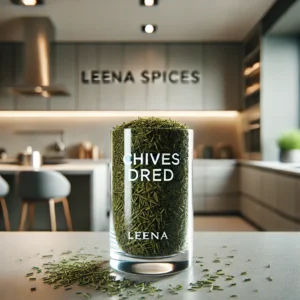
Dried chives are the dehydrated leaves of the chive plant (Allium schoenoprasum), a perennial herb belonging to the onion family. Fresh chives are known for their thin, hollow green stems and delicate onion-like flavour. When these stems are carefully dried, moisture is removed, transforming a fresh, grassy herb into a shelf-stable, flavour-concentrated ingredient suitable for long-term storage and everyday cooking.
The drying process is done through air-drying, oven-drying, food dehydrators, or freeze-drying. This process significantly extends shelf life from just a few weeks to one to three years. As moisture is removed, the chives become brittle, darker green in colour, and more concentrated in flavour, typically around three times stronger than fresh chives. While some heat-sensitive nutrients such as vitamin C are reduced during drying, dried chives retain most minerals and key plant compounds, making them a practical and nutrient-preserving option for the pantry.
Dried chives are usually sold as small chopped rings or flakes with a mild, subtly sweet onion and garlic aroma that are much gentler than regular onions. Freeze-dried chives, in particular, retain better colour and flavour and rehydrate quickly, closely mimicking fresh chives when added to food. To release their full aroma, dried chives benefit from light cooking or brief rehydration.
Valued for their convenience and consistency, dried chives are widely used in soups, egg dishes, dips, dressings, potatoes, salads, and savoury baked goods. They are especially useful when fresh chives are unavailable or out of season. For substitution, one teaspoon of dried chives equals approximately one tablespoon of fresh chives. Properly stored in an airtight container away from light and heat, dried chives remain aromatic and usable for up to two to three years, making them a reliable staple for home cooks and professional kitchens alike.
How Are Dried Chives Processed?
1. The Production Process
There are three primary methods used to process dried chives, each with distinct outcomes in terms of flavour retention, nutrient stability, and shelf life.Freeze-drying (premium quality) Freeze-drying is considered the highest-quality preservation method. Fresh chives are rapidly frozen, and moisture is removed through sublimation under vacuum conditions. This low-temperature process preserves up to 95% of volatile aromatic oils and maintains the bright green colour of the herb. Freeze-dried chives rehydrate quickly and deliver a flavour profile closest to fresh chives, making them ideal for high-end culinary and health-focused applications.Air-drying (traditional method) In air-drying, chive stems are tied into small bundles and hung in dark, well-ventilated spaces. This traditional and cost-effective method is still widely used but results in moderate losses of flavour compounds and vitamin C, typically ranging from 15 to 40%. Air-dried chives develop a softer, more subdued onion flavour and a slightly darker appearance.Low-temperature dehydration (commercial processing) Commercial dehydration uses controlled low heat generally below 35°C (95°F) to remove moisture efficiently while minimising damage to heat-sensitive compounds. Maintaining low temperatures is critical, as excessive heat degrades allicin and other sulphur-containing compounds responsible for chives’ aroma and functional properties. When properly managed, this method offers a balance between scalability, flavour retention, and shelf stability.2. Physical and Chemical Transformation During Drying
The drying process fundamentally changes both the structure and flavour profile of chives.Concentration of flavour and nutrients Drying removes approximately 90% of the herb’s water content, concentrating both flavour and nutrients. As a result, one teaspoon of dried chives delivers roughly the same culinary impact as one tablespoon of fresh chives, following a 3:1 substitution ratio.Flavour evolution Fresh chives are characterised by a sharp, bright, grassy onion note. Once dried, this profile mellows into a more rounded, earthy, and savoury onion flavour, making dried chives especially suitable for slow-cooked dishes, soups, and seasoning blends.Extended shelf life Fresh chives typically spoil within 7 to 14 days. In contrast, properly dried chives can retain quality for one to two years when stored in airtight, light-resistant containers. Using amber glass or opaque packaging helps protect against UV exposure and oxidation, ensuring long-term flavour stability.Together, these processing methods and transformations explain why dried chives are valued for their consistency, convenience, and reliable flavour in both home kitchens and professional food applications across the Asia–Pacific region.| Processing Stage | Method / Aspect | Description & Impact on Quality |
| Raw Material | Fresh chive leaves (Allium schoenoprasum) | Harvested at peak freshness to retain mild onion flavour, chlorophyll, and functional allium compounds before drying begins. |
| Primary Processing Methods | Freeze-Drying (Premium Quality) | Chives are rapidly frozen and moisture is removed via sublimation under vacuum. Preserves up to 95% of volatile aromatic oils, bright green colour, and nutrients. Rehydrates quickly and delivers flavour closest to fresh chives. |
| Air-Drying (Traditional Method) | Chives are bundled and dried in dark, well-ventilated spaces. Cost-effective but results in 15–40% loss of flavour compounds and vitamin C, with a darker colour and milder onion taste. | |
| Low-Temperature Dehydration (Commercial) | Uses controlled heat below 35°C (95°F) to remove moisture efficiently. When properly managed, it preserves allicin and sulphur compounds while offering good shelf stability and scalability. | |
| Physical Changes During Drying | Moisture Removal | Approximately 90% of water content is removed, making chives lighter, brittle, and shelf-stable while intensifying flavour and nutrients. |
| Nutrient Concentration | 3:1 Concentration Ratio | One teaspoon of dried chives provides similar flavour and nutritional impact as one tablespoon of fresh chives, due to moisture loss. |
| Flavour Transformation | Flavour Evolution | Fresh chives’ sharp, grassy onion note mellows into a rounded, earthy, savoury onion flavour, ideal for soups, sauces, and seasoning blends. |
| Shelf Life Extension | Storage Stability | Fresh chives last 7–14 days. Properly dried chives last 1–2 years when stored in airtight, light-resistant containers such as amber glass or opaque packaging. |
| Quality Preservation | Light & Oxygen Control | Protection from UV light and oxidation helps maintain colour, aroma, and functional compounds over long storage periods. |
What Are the Health Benefits of Dried Chives?
Health Benefits of Dried Chives
Dried chives offer meaningful health benefits due to their concentrated nutrients and bioactive allium compounds. The drying process reduces some water-soluble vitamins like vitamin C and portions of vitamin A. The core functional compounds found in fresh chives, such as allicin, flavonoids, and organosulfur compounds, remain largely intact. When consumed in normal culinary amounts, dried chives function as a nutrient-dense, low-calorie seasoning with genuine wellness value rather than exaggerated medicinal claims.Concentrated Nutrition in Dried Form
Removing moisture increases nutrient density by weight. Dried chives retain most minerals, vitamin K, folate, choline, and sulfur-based compounds. Freeze-dried chives preserve the highest nutritional integrity, but even air-dried and gently dehydrated chives remain beneficial when stored correctly. This concentration makes dried chives a practical functional ingredient, especially where fresh herbs are unavailable year-round.Bone Health and Fracture Prevention
Dried chives are particularly rich in vitamin K1, a nutrient essential for bone metabolism. Vitamin K activates osteocalcin, the protein responsible for binding calcium into bone tissue. Adequate intake supports bone density and may reduce fracture risk. Dried chives osteoporosis prevention could be an important consideration for ageing populations across the Asia–Pacific region, where osteoporosis rates are increasing. Even small culinary amounts contribute meaningfully to daily vitamin K needs.Cardiovascular and Blood Pressure Support
As a member of the allium family, dried chives contain allicin and quercetin. These two compounds are associated with heart health benefits. Allicin supports blood vessel relaxation by promoting nitric oxide production, which can help regulate blood pressure. Quercetin acts as an antioxidant that limits LDL cholesterol oxidation, a key factor in arterial plaque formation. Additionally, the natural potassium content of chives supports sodium balance, particularly relevant for high-sodium diets common in parts of Asia.Dried Chive Digestion Wellness and Low-FODMAP Advantage
Dried chives provide allium flavour without the digestive burden of onions or garlic. Unlike these vegetables, chives are naturally low in fructans, making them suitable for individuals with IBS or sensitive digestion. Their mild fibre content supports beneficial gut bacteria while minimising bloating and discomfort, positioning dried chives as a valuable low-FODMAP seasoning alternative. Thus dried chives gut health support is one of the major benefits this wonderful leaves provide. In traditional medicine, chives have long been used to support digestion by stimulating appetite, reducing bloating, and easing mild gastrointestinal discomfort.Dried Chive Antioxidant Properies And Immune System Booster
Although drying reduces vitamin C levels, dried chives retain important phenolic compounds and flavonoids such as kaempferol and quercetin. These antioxidants help neutralise free radicals, reducing oxidative stress and cellular damage. Thiosulfinates and other sulfur compounds also exhibit mild antimicrobial activity, historically valued in traditional food-based wellness practices.Organic Dried Chives Benefits Cognitive Function and Mood Support
Dried chives contain both choline and folate, nutrients that work together to support brain health. Choline is essential for acetylcholine production, a neurotransmitter involved in memory and muscle coordination. Folate helps regulate homocysteine levels, elevated concentrations of which are associated with cognitive decline and mood disorders. Regular dietary inclusion supports long-term neurological health.Additional Functional Benefits
Dried chives also contribute to eye health through lutein and zeaxanthin, compounds associated with reduced risk of age-related macular degeneration. Their low calorie content and ability to enhance flavour without added sodium make them useful for weight management and metabolic health. Emerging research suggests potential blood sugar regulation benefits, though findings remain preliminary.| Health Area | Key Nutrients & Compounds | How Dried Chives Support Health |
| Concentrated Nutrition | Vitamin K, folate, choline, minerals, organosulfur compounds | Drying removes moisture, increasing nutrient density by weight. Most minerals and bioactive compounds remain intact, especially in freeze-dried chives, making them a practical functional seasoning. |
| Bone Health & Fracture Prevention | Vitamin K1 | Vitamin K activates osteocalcin, helping bind calcium into bone tissue. Regular culinary use supports bone density and may reduce fracture risk, particularly relevant for ageing populations in the Asia–Pacific region. |
| Cardiovascular & Blood Pressure Support | Allicin, quercetin, potassium | Allicin supports blood vessel relaxation via nitric oxide pathways, helping regulate blood pressure. Quercetin reduces LDL oxidation, while potassium helps balance sodium intake in high-salt diets. |
| Digestive Wellness (Low-FODMAP) | Mild fibre, allium compounds (low fructans) | Provides onion-like flavour without the digestive discomfort linked to onions or garlic. Suitable for IBS and sensitive digestion. Traditionally used to stimulate appetite and reduce bloating. |
| Antioxidant & Immune Support | Quercetin, kaempferol, thiosulfinates | Phenolic compounds help neutralise free radicals and reduce oxidative stress. Sulfur compounds offer mild antimicrobial activity valued in traditional food-based wellness practices. |
| Cognitive Function & Mood Support | Choline, folate | Choline supports acetylcholine production for memory and muscle control. Folate helps regulate homocysteine levels linked to cognitive decline and mood imbalance. |
| Eye Health | Lutein, zeaxanthin | These carotenoids are associated with a reduced risk of age-related macular degeneration and support long-term visual health. |
| Weight & Metabolic Support | Low calories, potassium, flavour compounds | Enhances flavour without added salt or calories, supporting weight management and healthier eating patterns. Emerging research suggests potential blood sugar regulation benefits. |
- dried chives blood pressure
- dried chives anti inflammatory
- dried chives for weight loss meals
- allium herbs cardiovascular benefits
- anti-inflammatory herbs dried chives
- dried chives for weight loss
- dried chives cancer prevention
Key Nutrients Retained After Drying
Dried chives remain a reliable source of:- Vitamin K
- Folate and choline
- Iron, calcium, magnesium, and potassium
- Organosulfur compounds (including allicin)
- Flavonoids and antioxidant polyphenols
Practical Health Perspective
Dried chives are best viewed as a supportive functional food rather than a standalone remedy. Used consistently in everyday cooking, they enhance flavour while contributing to bone strength, cardiovascular health, digestive comfort, immune resilience, and cognitive support making them a smart, evidence-aligned ingredient for health-conscious home cooks and professional kitchens alike.
What Is the Nutritional Value of Dried Chives?
Nutritional Value of Dried Chives
Dried chives (Allium schoenoprasum) deliver concentrated nutrition derived from fresh chive leaves, with values varying depending on the drying method. Far from being a decorative garnish, dried chives are a functional, micronutrient-rich herb that contributes meaningful nutritional value in everyday cooking, even when used in small amounts.
Why Drying Changes the Nutritional Profile
When moisture is removed, nutrients become denser by weight. This concentration effect increases the levels of fat-soluble vitamins, minerals, and bioactive sulfur compounds per gram, while some water-soluble vitamins most notably vitamin C decline. As a result, dried chives offer a different but still valuable nutritional profile compared to fresh chives.
Macronutrient Overview
Dried chives are typically consumed in small quantities, but their macronutrient density is notable when assessed per 100 grams:
- Calories: Vary widely by method—from fresh-equivalent levels (~30 kcal) in gently dried forms to over 300 kcal in fully freeze-dried products
- Protein: Moderately high for an herb, reflecting concentrated plant matter
- Carbohydrates: Primarily complex carbohydrates with a meaningful fibre component
- Fat: Very low, mostly unsaturated
- Fibre: Supports digestive health despite small serving sizes
In practical culinary use (about 1 teaspoon or 1 gram), dried chives contribute negligible calories while adding trace protein, fibre, and micronutrients.
Key Micronutrients and Their Significance
Vitamin K (exceptionally high)
Dried chives are among the most concentrated herb sources of vitamin K. This nutrient is essential for bone mineralisation and normal blood clotting. Due to moisture removal, even a small culinary dose can contribute a significant percentage of daily vitamin K requirements, supporting bone health—particularly relevant for ageing populations in the Asia–Pacific region.
Vitamin A and carotenoids
Fat-soluble vitamin A and related carotenoids remain relatively stable during drying. These compounds support eye health, immune function, and skin integrity. Freeze-dried chives retain the highest levels.
Minerals
Dried chives provide meaningful amounts of iron, calcium, magnesium, potassium, and manganese. These minerals support oxygen transport, bone structure, muscle function, and electrolyte balance. Potassium content is especially valuable in diets high in sodium.
Folate and choline
These nutrients play key roles in brain health, neurotransmitter synthesis, and cellular repair. Their presence adds to the functional value of dried chives beyond basic seasoning.
Bioactive Compounds
Dried chives retain organosulfur compounds such as thiosulfinates, including allicin. These compounds are associated with cardiovascular support, antioxidant activity, and mild antimicrobial effects. Flavonoids such as quercetin further enhance antioxidant protection.
Low-FODMAP and Diet-Friendly
Unlike onions and garlic, dried chives are naturally low in fermentable fructans. This makes them suitable for people with IBS or sensitive digestion while still delivering allium flavour. They are also low in sodium, cholesterol-free, and compatible with low-carb and keto-style diets when used appropriately.
The Practical “3:1” Nutrition Rule
Because dried chives are approximately three times as concentrated as fresh chives by weight:
1 teaspoon dried chives ≈ 1 tablespoon fresh chives
Using just one teaspoon can provide a meaningful contribution to daily vitamin K intake, making dried chives one of the most efficient ways to add nutrient density without increasing calories or sodium.
Nutritional Perspective
The nutritional value of dried chives lies in their concentration of fat-soluble vitamins, minerals, and bioactive compounds rather than bulk macronutrients. When used consistently in cooking, they support bone health, cardiovascular balance, digestive comfort, and micronutrient adequacy, positioning dried chives as a smart, functional pantry staple rather than a purely decorative herb.
Where Can I buy authentic and pure dried Chives online?
You can buy Pure and Authentic Dried Chives From Amazon
You will find several reputable brands offering in both small jars and bulk packs.
CLICK HERE
Can I Eat Dried Chives Every Day?
Recommended Daily Intake
For most adults, the ideal daily amount is:1–2 teaspoons of dried chives per day (approximately equal to 1–2 tablespoons of fresh chives)This quantity provides meaningful levels of vitamin K and antioxidant compounds without placing unnecessary strain on digestion.Benefits of Daily Consumption
Supports bone health Dried chives are particularly rich in vitamin K1, which plays a critical role in calcium binding and bone mineral density. Consistent daily intake supports long-term skeletal health, especially important as bone density naturally declines with age.Provides ongoing antioxidant and anti-inflammatory support Regular intake supplies quercetin, allicin, and other organosulfur compounds that help reduce oxidative stress and support healthy inflammatory responses over time.Promotes digestive comfort Unlike onions and garlic, dried chives are naturally low in FODMAPs. This makes them suitable for daily use by individuals with IBS or sensitive digestion, offering allium flavour without bloating or discomfort.Enhances heart and immune health Sulfur compounds and trace vitamins contribute to cardiovascular balance and immune resilience, while the low-calorie profile makes dried chives easy to incorporate into everyday meals.Precautions and Who Should Be Careful
While dried chives are safe for most people, a few considerations apply:- Blood-thinning medication: Due to their high vitamin K content, individuals taking anticoagulants (such as warfarin) should keep intake consistent and consult a healthcare professional before making dietary changes.
- Digestive sensitivity: Very large amounts (more than 1–2 tablespoons daily) may cause gas, bloating, or mild stomach discomfort due to concentrated sulfur compounds.
- Allium allergies: Rare, but possible in people sensitive to onions, garlic, or related plants. Start with a small amount if unsure.
- Surgery, pregnancy, and breastfeeding: Culinary amounts are generally safe. Avoid excessive or supplement-level intake unless advised by a healthcare professional.
Best Practices for Daily Use
- Choose additive-free, low-sodium organic dried chives for regular consumption.
- Rotate chives with other herbs rather than relying on a single herb for micronutrients.
- Lightly rehydrate or add to foods containing healthy fats (such as olive oil, yogurt, or eggs) to improve absorption of fat-soluble vitamins like A and K.
Practical Bottom Line
Dried chives are safe, beneficial, and practical for daily use when consumed in modest culinary amounts. Used consistently, they support bone health, digestive comfort, and antioxidant intake while enhancing flavour naturally.How to Spot Low-Quality Dried Chives
Identifying low-quality dried chives is essential for both flavour and health. Poor processing and improper storage rapidly degrade heat- and light-sensitive nutrients such as vitamin K, antioxidants, and volatile allium compounds. Below is a practical, evidence-based guide to help you distinguish high-quality dried chives from degraded or unsafe products particularly important in warm, humid Asia–Pacific climates.
1. Colour Test: Vibrant Green vs. Dull Brown
High-quality dried chives display a deep olive to vibrant green colour. This signals gentle processing most commonly freeze-drying or carefully controlled low-temperature dehydration. This process preserves chlorophyll, flavour compounds, and nutrient integrity.
Low-quality chives appear yellowish, brown, grey, or unevenly faded. Brown flecks indicate oxidation, excessive heat exposure, or prolonged contact with light and oxygen. These visual cues strongly suggest significant loss of antioxidants and vitamin K.
2. Smell and Rub Test: Aroma vs. Dust
Rub a small pinch of chives between your fingers.
High-quality chives release a clean, sharp onion aroma immediately. This is the evidence that volatile sulfur compounds such as allicin are still intact.
Low-quality chives smell faint, hay-like, dusty, or musty. A musty odour is a serious warning sign of moisture contamination and may indicate mold risk, including Aspergillus species, which are more common in improperly stored herbs in humid environments.
3. Texture and Rehydration Response
High-quality dried chives should feel crisp and brittle, snapping cleanly when crushed. When placed in room-temperature water, premium (especially freeze-dried) chives rehydrate quickly often within 30 to 60 seconds returning close to their original volume.
Low-quality chives feel leathery, soft, clumpy, or gritty. Slow or incomplete rehydration indicates damaged cell structure from high-heat drying or prolonged exposure to moisture and air.
4. Packaging Red Flags
Packaging plays a major role in quality preservation.
Avoid products sold in clear plastic bags or transparent jars, as UV light rapidly degrades vitamin K and chlorophyll. Nutrient losses of up to 30% can occur within months under light exposure.
Check labels carefully. Low-quality products may include fillers or adulterants such as dried spinach or leek tops. The ingredient list should clearly state 100% Allium schoenoprasum with no additives or anti-caking agents.
5. Origin, Safety, and Testing
For health-conscious consumers, sourcing transparency matters.
High-quality brands especially those sourcing from regions with variable soil quality provide Certificates of Analysis (COA) or third-party testing for heavy metals such as lead, cadmium, and arsenic. If a brand cannot verify sourcing or testing, it should be considered low quality for regular dietary use.
How to Identify Low-Quality vs High-Quality Dried Chives
Evaluation Area | Signs of Low-Quality Dried Chives | What to Look For Instead |
Colour (Visual Quality) | Brown, yellow, pale, or faded colour | Deep, vibrant green colour |
Plant Parts Used | Excessive white bits, thick stems | Fine leaf rings or flakes with minimal stems |
Residue in Container | Powdery dust settled at the bottom | Mostly intact flakes, minimal dust |
Moisture & Clumping | Clumping, stickiness, or visible moisture | Dry, free-flowing flakes |
Aroma (Smell Test) | Weak, absent, hay-like, dusty smell | Fresh, sharp onion-like aroma when crushed |
Spoilage Odour | Musty or moldy smell | Clean, herbaceous scent |
Texture (Touch Test) | Soft, pliable, sticky, or overly crumbly | Crisp flakes that snap easily |
Rehydration Quality | Gritty or unpleasant mouthfeel after soaking | Smooth texture when rehydrated |
Packaging Quality | Clear jars, non-airtight containers | Airtight, opaque packaging |
Label Transparency | No harvest or expiry date | Clearly labelled origin and recent harvest or packing date |
Taste Profile | Bitter, metallic, or flat flavour | Clean, mild onion flavour |
Quality Assurance | No certifications or testing information | Ideally organic or third-party tested |


Frequently Asked Questions: Dried Chives
What are dried chives?
Dried chives are dehydrated leaves of the chive plant (Allium schoenoprasum), a mild onion-family herb. They have concentrated flavor and nutrients, making them ideal for seasoning soups, eggs, salads, potatoes, and dips.
How are dried chives made?
Dried chives are produced by freeze-drying, air-drying, or low-heat oven drying. Freeze-drying preserves most nutrients, color, and flavor, while traditional air-drying or high-heat methods can reduce vitamin content and aroma.
What is the nutritional value of dried chives?
Dried chives are nutrient-dense. They are high in vitamin K, vitamin A, potassium, magnesium, and organosulfur compounds like allicin, which support bone, heart, immune, and digestive health. They are low in calories and carbohydrates.
What are the health benefits of dried chives?
Regular consumption can support:
- Bone health: Vitamin K improves calcium absorption.
- Heart health: Allicin and potassium aid blood pressure and cholesterol regulation.
- Immune function: Antioxidants and vitamins boost defenses.
- Digestive support: Low-FODMAP allium flavor without bloating.
- Anti-inflammatory and antioxidant effects: Protect cells from oxidative stress.
How should dried chives be stored?
Store dried chives in airtight, opaque containers away from heat, light, and moisture. Proper storage preserves flavor, color, and nutrients for 1–2 years.
How do I use dried chives in cooking?
Sprinkle dried chives on soups, scrambled eggs, potatoes, salads, or dips. Rehydrate in water for 1–2 minutes before using in sauces, casseroles, or baked dishes. Freeze-dried chives can often be added directly for flavor.
Can dried chives be eaten every day?
Yes, in typical culinary amounts (1–2 teaspoons daily). They provide antioxidants, vitamins K and A, and allium compounds. Avoid large amounts if on blood thinners or sensitive to onion-family foods.
How do dried chives differ from fresh chives?
Dried chives are more concentrated in flavor and nutrients. About 1 teaspoon of dried chives equals 1 tablespoon of fresh. They have a longer shelf life, are convenient, and retain most minerals and fat-soluble vitamins, though vitamin C is reduced.
Can dried chives be substituted for fresh chives?
Yes. Use a 1:3 ratio: 1 teaspoon of dried chives ≈ 1 tablespoon of fresh. Rehydrate dried chives in water if using in recipes where texture matters.
How can I tell if dried chives are high quality?
High-quality dried chives are vibrant green, crisp, aromatic, and free from dust, clumping, or mold. Avoid pale, brown, or musty chives, which indicate nutrient loss or poor processing.
Are dried chives suitable for special diets?
Yes. They are low-calorie, low-FODMAP, keto-friendly, and cholesterol-free, making them suitable for heart-conscious, digestive-sensitive, and low-carb diets.
Do dried chives lose nutrients during drying?
Some water-soluble vitamins, like vitamin C, are reduced during drying. However, freeze-dried chives retain most minerals, fat-soluble vitamins (A, K), and beneficial organosulfur compounds like allicin.