Are My Dried Rose Petals Safe? The 3 Critical Steps - Leena Spices
Table of Contents
- Introduction
- Key Takeaways
- An Essential Safety Note
- The 3 Critical Steps to Verify Edible vs. Decorative Roses
- Check for Food-Grade Certification
- Visual, Aroma, and Texture Quality Check
- Small Taste and Water Test for Dried Rose Petals
- What to Do If You Have Already Consumed Unsafe Rose Petals
- How to Clean, Prepare, and Verify Edible Rose Petals
- Final Reminder: Prioritize Safety with Dried Rose Petals
- Frequently Asked Questions (FAQs)
Introduction
Culinary Uses of Dried Rose Petals
Rose petals hold a long-standing place in Middle Eastern, Indian, Persian, and South Asian cuisines, where floral notes are used with restraint to add elegance rather than intensity. In teas and herbal infusions, dried rose petals are brewed alone or blended with herbs to create calming, aromatic drinks. In desserts and confections, they enhance cakes, pastries, puddings, ice creams, and milk-based sweets with a refined floral character. Traditional recipes such as gulab jamun, Turkish delight, halwa, and rose-flavored syrups rely on rose petals for their signature aroma and taste.Beyond sweets, rose petals are also used sparingly in savory dishes, where they add complexity to rice preparations, stews, and spice blends. In beverages, they are infused into syrups, cordials, mocktails, and cocktails to create layered, fragrant flavors. As a finishing touch, dried rose petals make elegant garnishes for salads, yogurt, desserts, and fruit platters, contributing both visual appeal and aroma.Nutritional and Wellness Properties
Dried rose petals are naturally rich in antioxidants, plant compounds, and essential oils. Traditionally, they are valued for their digestive-supporting and gently soothing properties, often used in herbal teas to promote comfort and balance. Their aroma is widely associated with relaxation and emotional well-being, while rose infusions are appreciated for their hydrating and mild anti-inflammatory effects, which may support skin health and overall vitality when consumed as part of a balanced diet.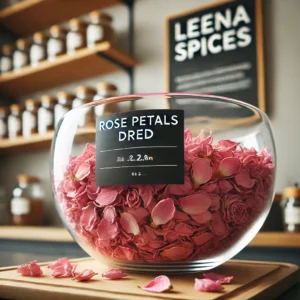
Key Takeaways
How can I tell if dried rose petals are safe to eat?
Only use petals labeled “food-grade,” “culinary-grade,” or “edible” from certified sources. Verify organic certification (USDA, EU Organic, FSSAI, BioGro, ACO, or JAS) and ensure the petals come from culinary varieties like Rosa damascena, Rosa centifolia, or Rosa rugosa. Avoid florist, craft-store, or decorative petals.
What are the three critical steps to verify edible rose petals?
1) Check labeling and certification for food-grade and edible status.
2) Inspect petals visually, by aroma, and texture to detect dyes, mold, or chemical treatments.
3) Optional small taste test or water test to ensure flavor is natural, floral, and free of chemicals. All three steps together confirm culinary safety.
Why are decorative or craft rose petals unsafe?
Decorative petals are often treated with multiple pesticides, fungicides, and chemical preservatives not approved for food use. They can retain harmful residues even after washing or drying, posing health risks like nausea, stomach upset, or allergic reactions.
How should edible rose petals be prepared before use?
Rinse gently to remove dust, remove the white base of petals to avoid bitterness, and discard stamens/pollen. Conduct a visual, aroma, and texture inspection to ensure petals are dry, naturally colored, and free from mold or chemical odor.
What is the Water Test for rose petals?
Place 3–4 petals in warm water for 10 minutes. Safe petals sink, maintain shape, release a mild rose fragrance, and tint water light pink or amber. Unsafe petals may float, disintegrate, smell perfumed, or turn water unnaturally bright.
How do I respond if I’ve accidentally consumed unsafe rose petals?
For mild exposure, stop using the petals, drink water, and monitor for nausea or stomach upset. For repeated exposure or symptoms, contact a doctor or poison control, and retain the product packaging for reference.
An Essential Safety Note
A critical but often overlooked fact is that decorative rose petals are not food-safe. Roses grown for floristry or crafts are frequently treated with multiple pesticides, fungicides, and chemical preservatives, many of which are not approved for food use. These flowers are cultivated for appearance and longevity, not consumption. When sourced responsibly and used thoughtfully, dried rose petals offer a unique way to add fragrance, flavor, and cultural richness to both traditional and modern recipes.
Unlike edible crops, ornamental flowers are not regulated under food safety standards. There are no mandatory residue limits, no routine testing, and no accountability for how those chemicals behave when flowers are dried, stored, or heated. That attractive jar of “dried rose petals” from a craft store or décor aisle may look natural, but it is unlikely to have been tested for culinary use and may contain substances explicitly banned from the food supply.
This distinction becomes especially important for anyone planning to use rose petals in tea, gulkand, desserts, cake garnishes, syrups, or traditional recipes. Botanically speaking, petals from true roses (Rosa species) are non-toxic. However, toxicity is not the real concern. The risk comes from systemic pesticides and chemical treatments commonly used on florist roses, garden-center plants, and decorative potpourri. These chemicals often cannot be washed away and may become more concentrated during drying, increasing the potential for adverse effects such as nausea, digestive discomfort, or long-term exposure risks when consumed repeatedly.
The 3 Critical Steps to Verify Edible vs. Decorative Roses
Step 1: Check for Food-Grade Certification
This is the fastest and most reliable safety check. If the label fails here, do not consume the petals.Safe (Edible) rose petals must be clearly labeled with terms such as:- Food grade
- Culinary grade
- Edible
- Safe for consumption
- Suitable for tea, baking, or cooking
- Organic
- For decorative purposes only
- Not for consumption
- External use only
- Potpourri or craft grade
Step 2: Visual, Aroma, and Texture Quality Check
Visual Inspection Test for Dried Rose Petals
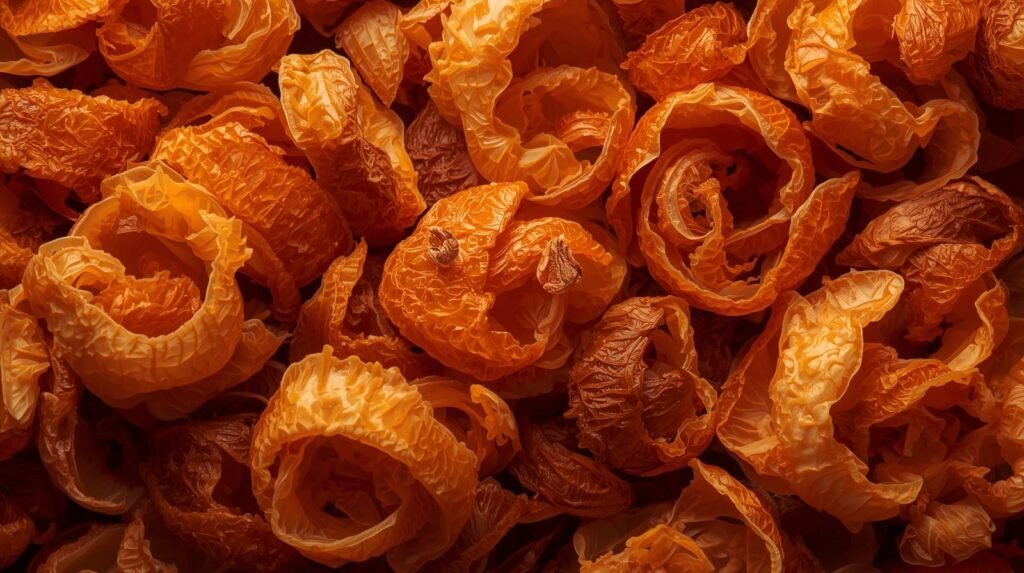
Before using dried rose petals in any food or beverage, always begin with a visual inspection. Inspect petals carefully. Heat and humidity can accelerate spoilage, mold growth, and oxidation.While appearance alone cannot detect pesticide residues, it can help identify spoilage, chemical treatment, poor drying, or improper storage.Safe culinary rose petals typically:- Show natural color variation, rather than a single uniform shade
- Appear slightly faded, with occasional browning or darker edges from normal oxidation
- Are completely dry and brittle, crumbling easily when gently pressed
- Have no artificial shine, gloss, or waxy coating
- Are free from mold, moisture, insects, webbing, or clumping
- Unnaturally vibrant or neon colors, such as bright pinks or deep reds that do not fade over time
- A glossy, oily, or waxy surface, which may indicate preservatives or coatings
- Visible mold, white fuzz, dark spots, or damp patches
- Petals that bend instead of snapping, suggesting chemical preservation or retained moisture
Smell Check for Dried Rose Petals
After visual inspection, the aroma test is one of the most revealing checks you can perform. Bring the dried rose petals close and inhale gently. There should never be an overpowering scent.Safe culinary rose petals smell:- Lightly floral and delicate
- Soft and natural, similar to fresh roses or brewed rose tea
- Chemical or solvent-like
- Strongly perfumed, artificial, or overpowering
- Musty, moldy, or reminiscent of air fresheners
Texture Check for Dried Rose Petals
Proper texture is a key indicator of freshness, dryness, and safe handling. Handle the petals gently between your fingers to assess their quality.Petals that snap or crumble easily indicate correct dehydration and low moisture content, reducing the risk of mold or mycotoxin formation. Any soft, spongy, or bendable petals should never be used in food.| Quality Factor | Safe to Use | Discard Immediately |
| Color | Deep pink, red, or purple with slight natural fading | Beige, grey, patchy brown, black spots (signs of oxidation or mold) |
| Aroma | Light, sweet, naturally floral | Musty, dusty, chemical, sharp, or acidic |
| Texture | Fully dry and brittle; crumbles easily | Leathery, bends instead of breaking, damp or spongy |
| Storage Condition | Airtight glass jar (amber preferred), cool and dark | Plastic bags or containers trapping moisture |
Step 3: Small Taste and Water Test for Dried Rose Petals
After completing visual, aroma, and texture checks, you can perform a cautious taste test, only if the petals are from a trusted, food-grade source. This step helps detect residual bitterness, chemicals, or over-processing that other checks might not reveal.How to perform the taste test:- Rinse one petal thoroughly with filtered water
- Tear off a very small piece (about one-quarter of a petal)
- Chew slowly, paying close attention to flavor and sensation
- Mildly sweet and floral
- Slightly tannic, similar to gentle green tea
- Clean and pleasant
- Sharp or harsh bitterness
- Chemical, soapy, or metallic notes
- Burning, tingling, or numbing sensations
- Sudden nausea or discomfort
The Water Test for Dried Rose Petals
The water test helps detect over-processing, artificial coloring, or chemical treatments that are not always visible or detectable by smell alone.How to perform the test:- Place 3–4 dried petals in a clear glass of warm water
- Wait 10 minutes and observe
- Slowly rehydrate and sink naturally
- Release a gentle, natural rose aroma
- Tint the water slightly pink or amber
- Maintain their structure without disintegrating
- Leave an oily film on the water surface
- Turn the water bright, neon, or unnatural colors (possible dyes)
- Emit strong perfume-like or chemical odors
- Disintegrate completely, suggesting over-processing or chemical treatment
To Download Our Free Recipes eBook – Click On The Image Below
Related Posts You May Want to Read
Vanilla Pods: Shelf Life, Reuse, Storage, and How to Use in Baking
How to Make Rose Harissa Seasoning: Authentic Method with Exact Ingredient Ratios
How to Make Garlic Herb Seasoning at Home – Easy, Fresh,Vegan & Gluten-Free
How to Make Authentic Tunisian Tabil at Home: Easy Leena Spice Method
Is Saffron Milk Good for Pregnant mothers? 5 Essential Safe Health Tips
What to Do If You Have Already Consumed Unsafe Rose Petals
If you realize that the rose petals you used may have been decorative or non-food-grade, it is important to take calm, practical steps based on the level of exposure.
Mild Exposure (One or Two Uses, No Symptoms)
For small, accidental exposure, follow these steps:
- Stop using the petals immediately and discard any remaining product
- Drink plenty of water to support natural elimination
- Monitor your body over the next 24–48 hours for mild symptoms such as:
- Nausea
- Headache
- Stomach discomfort or cramping
In most cases, limited exposure does not cause serious effects, especially if only a small amount was consumed.
If Exposure Was Repeated or Symptoms Appear
If you consumed the rose petals multiple times or notice any concerning symptoms, take the following steps immediately:
- Contact your doctor or your local poison information service for professional guidance
- Keep the packaging or product for reference, including brand, source, and ingredient details
- Seek urgent medical advice if symptoms persist, worsen, or you feel unwell
Prompt action ensures that any potential chemical exposure is addressed quickly and safely.
Watch the Video
⚡️The Ultimate Keto Meal Plan⚡️
How to Clean, Prepare, and Verify Edible Rose Petals
Even when you have verified, food-grade edible rose petals, proper preparation is essential. Correct cleaning and handling protect both safety and flavor, while poor preparation can introduce bitterness, spoilage, or contamination especially in warm, humid Asia-Pacific climates.
Proper Preparation of Edible Rose Petals
1. Rinse Gently
Why it matters: Removes surface dust, pollen residue, and airborne contaminants without damaging delicate petals.
Pro chef technique:
Place petals in a fine-mesh sieve and lightly rinse or mist with cool, filtered water. Pat dry immediately using a clean kitchen cloth or paper towel. Do not soak.
2. Remove the White Base
Why it matters: The pale white or yellow “heel” at the base of each petal contains high levels of tannins and bitter cyanogenic compounds, which can cause a soapy or harsh taste.
Pro chef technique:
Pinch or snip off the white base using clean scissors. This single step dramatically improves flavor quality.
3. Discard Stamens and Pollen (If Using Whole Flowers)
Why it matters: Stamens and pollen can introduce bitterness and are a common trigger for allergic reactions.
Pro chef technique:
Use tweezers to remove the yellow stamens from the flower center before separating petals.
Where Can I buy authentic Dried Rose Petals online?
You can buy Pure and Authentic Tunisian Tabil From Amazon
You will find several reputable brands offering pre-made blends in both small jars and bulk packs.
CLICK HERE
Final Reminder: Prioritize Safety with Dried Rose Petals
Before using any dried rose petals in your pantry, verify them against the three critical steps. If they fail any check, do not consume the rose petals. Discard them and invest in certified culinary-grade petals from a trusted, food-grade supplier. Your health and the health of those you cook for is worth the extra diligence.
The price difference between craft-grade and culinary-grade roses is usually small, but the potential health risk from using unsafe petals is far greater.
Remember:
- Natural does not automatically mean edible
- Packaged does not guarantee food safety
Rose petals can elevate teas, desserts, and savory dishes with their fragrance and flavor but only when they are truly safe to eat.


Frequently Asked Questions (FAQs)
What are edible dried rose petals and how do they differ from decorative roses?
Edible dried rose petals come from culinary rose varieties like Rosa damascena, Rosa centifolia, or Rosa rugosa, grown with food-grade protocols. Decorative roses are cultivated for appearance, often treated with pesticides, fungicides, or chemical preservatives, making them unsafe for consumption.
How can I safely use dried rose petals in cooking and beverages?
After verifying they are food-grade, rinse gently, remove the white base and stamens, and inspect visually and aromatically. They can be used in teas, desserts, syrups, rice dishes, and cocktails. Follow optional taste or water tests to confirm flavor and safety.
How should I store dried rose petals for maximum freshness?
Store in an airtight glass or amber jar, in a cool, dark place below 21°C (70°F). Avoid plastic bags or containers that trap moisture. Proper storage maintains color, fragrance, and flavor for up to 6–12 months.
Can I substitute edible rose petals for other floral ingredients in recipes?
Culinary rose petals can replace rose water, hibiscus petals, or lavender in teas, desserts, or syrups, providing natural floral aroma and subtle sweetness. Always ensure substitutes are food-grade and edible.
How do I verify the safety of dried rose petals at home?
Perform the three critical steps:
- Check labeling and certification for food-grade/organic status
- Conduct visual, aroma, and texture inspection
- Optional water test or tiny taste test for flavor and chemical safety
Are all organic rose petals safe to eat?
Not necessarily. Organic certification ensures no synthetic chemicals were used, but only petals from edible rose varieties grown specifically for culinary purposes should be consumed. Always verify source, variety, and labeling.
What are the risks of using non-food-grade or decorative rose petals?
Decorative petals may contain pesticides, fungicides, color preservatives, or chemical coatings, which can cause nausea, stomach upset, allergic reactions, or long-term health effects. Always avoid florist, craft-store, or potpourri petals in food.
How do I handle accidental consumption of unsafe rose petals?
For mild exposure, stop using the petals, drink water, and monitor for nausea, headache, or stomach discomfort. For significant exposure or symptoms, contact your doctor or local poison control, and retain the product for identification.
Can dried rose petals enhance both sweet and savory dishes?
Yes. In sweet dishes, petals add floral aroma to cakes, pastries, and desserts like gulab jamun or Turkish delight. In savory dishes, they subtly enhance rice, stews, or spice blends. Culinary petals are versatile for teas, syrups, cocktails, and garnishes.