7 Powerful Tips on How to Use Allspice the Right Way for Curries, Meats, Veggies & Pickles
Table of Contents
- Key Takeaways
- What Exactly Is Allspice and Why Is It Called “Allspice”?
- What Does Allspice Taste Like?
- Where can I source organic allspice?
- How to Use Allspice in Savory Dishes
- How to Store Allspice to Maintain Its Flavor
- Frequently Asked Questions About Allspice
Key Takeaways
What makes allspice taste like a blend of cinnamon, cloves, and nutmeg?
Allspice contains high levels of eugenol, caryophyllene, and aromatic terpenes. These compounds naturally create warm, sweet, clove-like and peppery notes. This chemical profile gives it a “multi-spice” flavour even though it comes from a single berry.
Why is allspice so versatile in both sweet and savoury dishes?
Its balanced mix of warmth, sweetness, and gentle heat allows it to enhance baked goods, curries, stews, pickles, jerk seasoning, marinades, and spice blends.
What makes Jamaican allspice different from other varieties?
Jamaican allspice contains higher essential oil levels, producing a richer, more aromatic flavour compared to milder Guatemalan or Indonesian varieties.

What Exactly Is Allspice and Why Is It Called “Allspice”?
Allspice is a distinctive and highly aromatic spice made from the dried, unripe berries of Pimenta dioica. It is an evergreen tree native to the Caribbean, particularly Jamaica, as well as southern Mexico and Central America. Although many people assume that allspice is a blend, but it is a single spice, and not a mixture of any spices.
What Allspice Is
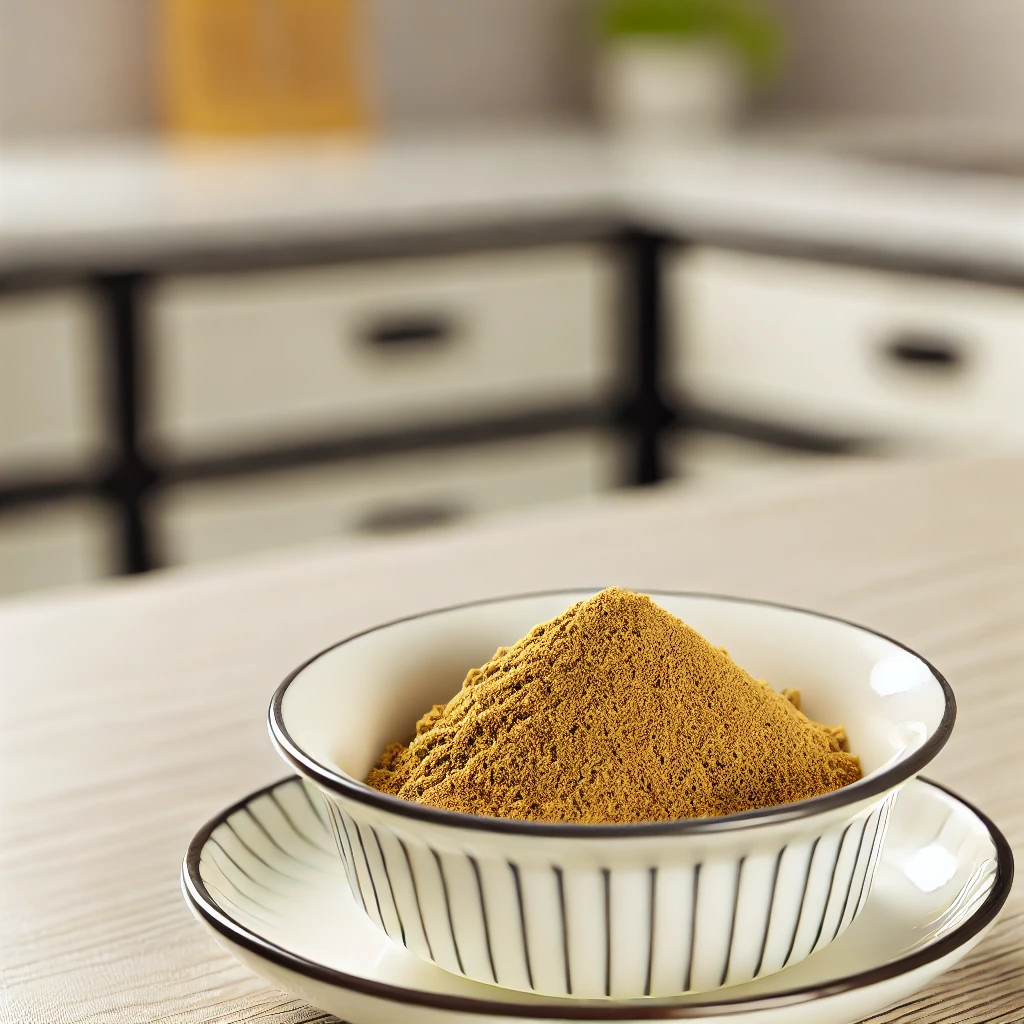
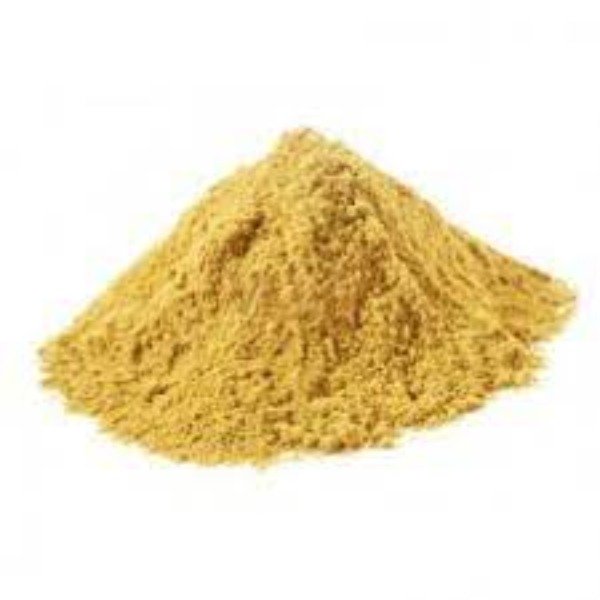
The berries are harvested while still green, then sun-dried (or mechanically dried) until they turn a deep reddish-brown. Once dried, they resemble large, smooth peppercorns. These whole berries can be used whole in cooking or ground into the fine brown powder commonly found in spice racks. Whole berries retain their aroma much longer, which makes them ideal for grinding fresh when needed.
Cultural and Historical Significance
Allspice has deep roots in Caribbean culture. Indigenous peoples, including the Taíno, used it not only as a seasoning but also during rituals and as a natural preservative for meat. Its fragrant smoke and warming aroma symbolised protection and blessing in traditional practices.
Why It Is Called “Allspice”
The name “allspice” was coined by English explorers in the early 1600s. When they encountered the spice, its aroma reminded them that it is a combination of all the most valuable spices of the time. To the English palate, a single berry delivered the essence of:
Spice | Distinctive Note |
Cinnamon | Warm, woody sweetness |
Cloves | Sharp, aromatic intensity |
Nutmeg | Sweet, nutty depth |
Black pepper | Mild pungency (especially in fresh berries) |
The spice gained additional names across different regions which reflected its flavour.
- Jamaica pepper (commonly used in the Caribbean)
- Pimento / pimiento (Spanish; unrelated to the red pepper used in olives)
- Myrtle pepper
- Pimienta gorda or pimienta de Jamaica in Spanish-speaking countries
A Spice With Depth, Aroma, and Versatility
Allspice contains natural compounds such as eugenol, known for antioxidant, anti-inflammatory, and mild antiseptic properties. These traditional benefits contributed to its longstanding use in herbal remedies and natural preservation.
Today, allspice remains essential for anyone who enjoys global flavours, from Caribbean and Middle Eastern cooking to festive baking. Its ability to deliver warmth, sweetness, and spice in a single ingredient makes it one of the most versatile spices in the kitchen.
What Does Allspice Taste Like?
Allspice has a warm, sweet-spicy, and deeply aromatic flavour that tastes as if several classic spices have been blended into one. Even though it comes from a single berry, its natural essential oils create a flavour profile that resembles clove, cinnamon, nutmeg, and a touch of black pepper all at once.
The Core Flavour Profile
The first impression of allspice is its clove-like warmth, driven by high levels of eugenol, the same compound that gives cloves their sharp, aromatic intensity. This is followed by:
- Cinnamon-style warmth with gentle sweetness
- Nutmeg’s earthy, resinous depth
- A mild peppery finish, similar to black pepper or juniper
- Occasional citrus or cardamom-like notes
Because of this layered experience many cooks often describe allspice as a “spice rack in one berry.”
Why Jamaican Allspice Tastes Superior
Jamaican allspice is widely regarded as the highest quality because of its naturally higher oil content. This results in a more intense aroma with brighter citrus-floral notes. Allspice from Guatemala or Indonesia tends to be milder, less complex, and less aromatic.
Watch the Video
⚡️The Ultimate Keto Meal Plan⚡️
Where can I source organic allspice?
You can buy Best Allspice seasoning brand From Amazon
You’ll find several reputable brands offering pre-made blends in both small jars and bulk packs.
CLICK HERE
How to Use Allspice in Savory Dishes
Using Ground vs Whole Allspice
Ground Allspice
Ground allspice is a wonderful “shortcut spice” when you want deep, warm flavor without extra prep. Being in powdered form, it blends instantly into your dishes.Best Ways to Use Ground Allspice
- Rubs and marinades – Adds warm, aromatic depth to meats before cooking • Meatballs, kofta, and sausages – Brings a subtle hint of clove, cinnamon, and pepper in one spice • Tomato sauces, gravies, and curries – Enhances richness without overpowering • Finishing stews – A small pinch at the end gives a beautiful aromatic lift
How Much Should You Use?
- Use ½ to 1 teaspoon per pound (450 g) of meat or vegetables • For soups, sauces, and curries, start with ¼ to ½ teaspoon, then adjust to taste
Whole Allspice
Whole allspice berries are ideal when you want flavor to build gently over time. Instead of releasing their aroma instantly like ground spice, whole berries slowly infuse your dish, creating a deeper, more rounded flavor that is not overpowering.Best Ways to Use Whole Allspice
- Stews and braises – Adds warm depth as the dish simmers • Rice and peas – A classic use where whole berries add fragerence to rice • Pickling brines – Essential for complex, balanced tang • Broths and stocks – Infuses subtle spice without clouding the liquid
How Much Should You Use?
Because whole allspice releases flavor slowly, you can use a few berries without overwhelming your dish:- Use 3 to 6 whole berries for stews, rice, soups, and broths • For pickling, use 6 to 10 berries for a stronger, well-rounded infusion
1. Allspice in Meats, Rubs, and Marinades
Allspice is one of those rare spices used in many global cuisines. It plays a starring role in Jamaica, and is also widely used in Palestine, Sweden, and MexicoJerk Chicken & Pork (Jamaica)
Allspice is the foundation of authentic Jerk Chicken and jerk pork. Without it, jerk simply isn’t jerk.How to use it: Use 1–2 teaspoons of ground allspice per 2 lb (1 kg) of chicken or pork. Combine it with thyme, garlic, ginger, and Scotch bonnet chilli. Let the meat marinate for 4–24 hours for deeper flavor.Dry Jerk Seasoning
For maximum aroma, lightly toast whole allspice berries before grinding them. This wakes up the essential oils and intensifies the flavor.Typical blending ratio: Use 2–3 tablespoons of allspice in a ½-cup spice blend for a bold, authentic jerk rub.Palestinian & Middle Eastern Meats
In Palestinian and wider Middle Eastern cooking, allspice adds warmth and balance to rich meat dishes. It is commonly used in:- Kibbeh • Kofta • Slow-roasted lamb shoulder • Palestinian-style roast chicken (often paired with cumin and sumac)
Swedish Meatballs
That unmistakable, comforting flavor in Swedish meatballs comes from a delicate balance of spices including allspice.How to use it: Add ⅓–½ teaspoon of ground allspice to the meat mixture along with nutmeg for that classic Scandinavian taste.Mexican Adobos & Moles
In Mexican cooking, allspice is often used for deep, complex sauces like adobo and mole.Traditional method: Toast and grind 3–5 whole allspice berries with ancho chillies, cinnamon, and sesame seeds to build rich, layered sauces with incredible depth.2. Stews, Braises, and Slow-Cooked Dishes
When it comes to long, gentle cooking, whole allspice berries add the best flavor.This makes them ideal for stews, braises, and slow-cooked meals where flavor develops over time.How to Use Allspice in Slow Cooking
Add the spice at the very start of cooking.- Use 3–5 whole berries, or • ½–1 teaspoon ground allspice if whole berries aren’t available
Dishes Where Allspice Works Exceptionally Well
Allspice blends beautifully into both meat-based and plant-based stews, including:- Jamaican oxtail stew • Beef, lamb, or goat stews • Caribbean curries and sweet potato stews • Palestinian tomato–okra braise • cassoulet • Cincinnati chili (a signature allspice-based dish) • Vegetable stews with lentils, chickpeas, or root vegetables
3. Vegetables, Grains, and Everyday Savoury Boosters
Allspice may be famous for meats, but it truly shines in vegetables and grains, especially when layered with everyday aromatics like onions, garlic, and tomatoes. Just a small amount can transform simple plant-based dishes into something deeply comforting and flavorful.Delicious Ways to Use Allspice with Vegetables
Allspice pairs beautifully with natural sweetness and earthiness. Try it with:- Roasted carrots, sweet potatoes, cauliflower, or Brussels sprouts – A light sprinkle before roasting adds warmth and depth • Tomato-based sauces or shakshuka – Use ¼–½ teaspoon to enrich the sauce without overpowering it • Green beans, okra, or spinach–chickpea stews – Adds subtle spice to hearty vegetable dishes
Allspice in Rice and Grain Dishes
Allspice brings quiet complexity to slow cooked preparations like rice and grains.- Rice and peas – Add 4–6 whole berries to the pot while cooking • Pilafs and Middle Eastern-style rice dishes – A small pinch enhances both aroma and flavor without dominating the dish
4. Curries and Global Spice Blends
Caribbean-Style Curries
In Caribbean cooking, allspice brings signature warmth to rich, coconut-based curries.How to use it: Use 1–2 teaspoons of ground allspice along with curry powder, thyme, garlic, and coconut milk. This combination creates that unmistakable island-style depth that’s both fragrant and comforting.Middle Eastern Spice Blends
Allspice is a core building block in several iconic Middle Eastern blends, where it acts as a bridge between warm, earthy, and aromatic spices.It plays an important role in:- Baharat • Sabaa Baharat • Ras el hanout (used in small, supporting amounts)
Modern Fusion Uses of Allspice
Allspice also infuse well in fusion cooking. A small twist can completely elevate familiar flavors:- Add it to Massaman- or Rendang-style curry pastes for extra warmth and depth • Blend it into BBQ rubs at a ratio of 1 tablespoon per 1 cup of rub for subtle sweetness and smoky balance • Use whole berries in Filipino chicken or pork adobo. Add 3–4 berries along with bay leaf for beautifully layered flavor (This pairs especially well with Adobo-style braises.)
5. Pickling, Brines, and Preserves
When it comes to pickling and preserving, whole allspice berries release their flavor slowly and evenly into the brine, creating a balanced warmth that enhances acidity without overpowering the vegetables.How to Use Allspice for Pickling
For best results, always use whole berries, not ground, in brines.General guideline: Use 6–10 whole allspice berries per quart (1 L) jar of pickles or preserved vegetables.Vegetables That Pair Beautifully with Allspice
Allspice works especially well with vegetables that benefit from both sweetness and gentle spice, including:- Cucumbers • Beets • Onions • Cauliflower • Cabbage
Perfect Brine Pairings
Allspice truly shines in cider vinegar brines. For a classic, well-rounded pickle flavor, combine it with:- mustard seed • bay leaf • peppercorn
Pickling Tip
Always lightly crack the allspice berries before adding them to the jar. This helps release their aromatic oils faster giving deeper flavor without using more spice.6. Quick Five-Minute Savoury Uses
Allspice isn’t just for slow cooking and special dishes but also a last-minute flavor booster. When you need quick depth without complicated prep, a tiny pinch of allspice can completely transform simple meals.Fast, Everyday Ways to Use Allspice
- Add ¼ teaspoon to onion gravy or mushroom sauce for instant warmth and richness • Sprinkle a small pinch into scrambled eggs or shakshuka for subtle spice and aroma • Stir ⅛ teaspoon into hummus or baba ganoush to add unexpected depth • Bloom ½ teaspoon of ground allspice in oil before sautéing onions for stews or curries to release its aroma instantly • Add ¼–½ teaspoon to tomato soup or cauliflower soup for a gentle, comforting warmth
Why Blooming in Oil Works
Blooming means briefly heating the spice in oil before adding other ingredients. This activates the essential oils in allspice, intensifying its aroma immediately and helping the flavor spread more evenly through the dish.7. Flavour Pairings
Allspice is wonderfully versatile as it blends effortlessly with herbs, spices, aromatics, and liquids. When paired thoughtfully, it doesn’t overpower. Instead, it rounds out sharp edges, softens heat, and deepens savoury flavours.Herb Pairings
Allspice works especially well with fresh, green herbs that add brightness and balance:- Thyme – Earthy and classic with meats and stews • Oregano – Perfect for tomato-based dishes • Parsley – Adds freshness against allspice’s warmth • Bay leaf – A natural partner in broths, braises, and pickling
Spice Pairings
Allspice blends beautifully with both warm and bold spices, making it ideal for global cooking:- Cumin – Earthy depth for meats and curries • Paprika – Sweet or smoked, it amplifies richness • Coriander – Citrus-like brightness • Cinnamon – Reinforces warm notes in small amounts • sumac – Adds gentle acidity • Black pepper – Sharpens and lifts the overall flavour
Aromatic Pairings
- Garlic – Savoury backbone • Ginger – Gentle heat and brightness • Onion – Natural sweetness and depth • Scotch bonnet pepper – Heat that pairs perfectly with allspice in Caribbean cooking
Liquid Pairings
Allspice truly blooms in liquids, releasing its full aroma into sauces and curries:- Tomato sauce – Adds warmth and richness • Citrus juice – Brightens and balances the spice • Vinegar – Essential for pickling and brines • coconut milk – Softens heat and carries flavour beautifully in curries


How to Store Allspice to Maintain Its Flavor
Allspice is packed with essential oils that give it its warm, aromatic flavor. Proper storage is key to keeping it fresh, whether whole or ground.
1. Keep It Airtight
Store allspice in a tightly sealed container. Glass jars with lids or metal tins work best. This prevents air from oxidizing the spice and dulling its flavor.
2. Store in a Cool, Dark Place
Heat, light, and humidity are the enemies of spices. Keep your allspice in a pantry or cupboard away from stovetops, sunlight, and warm cabinets.
3. Whole vs. Ground
- Whole allspice berries last the longes upto to 2 years if stored correctly.
- Ground allspice loses potency faster in about 6–12 months. Consider grinding berries fresh for maximum aroma.
4. Avoid Moisture
Do not store allspice near sinks or in humid areas. Moisture can cause clumping and mold growth, reducing both flavor and shelf life.
5. Optional Boost: Vacuum or Jar with Oxygen Absorber
For long-term storage, you can use vacuum-sealed bags or add an oxygen absorber to jars of whole berries. This helps retain aroma for years.
Pro tip: Smell your allspice before using it. If the aroma is weak or flat, it is past its prime and won’t add the signature warmth to your dishes.
Frequently Asked Questions About Allspice
What is allspice, and where does it come from?
Allspice is the dried, unripe berry of the Pimenta dioica tree, native to the Caribbean, Central America, and southern Mexico. Despite its name, it is a single spice, not a blend of cinnamon, cloves, and nutmeg.
How do you use allspice in everyday cooking?
Use ground allspice for quick seasoning in rubs, marinades, curries, and baked goods. Whole berries are ideal for slow-cooked dishes, stews, braises, pickling, and rice infusions, releasing flavor gradually.
Can allspice replace other spices in recipes?
Yes. Allspice’s unique warm, sweet, slightly peppery flavor can substitute for cinnamon, cloves, nutmeg, or even a small amount of black pepper in both sweet and savory dishes.
What is the difference between whole and ground allspice?
Whole berries are best for slow cooking, pickling, or infusions as they release flavor gradually. Ground allspice is more concentrated, ideal for rubs, marinades, sauces, and quick-cooking dishes.
How do you store allspice to maintain its flavor?
Store whole or ground allspice in a cool, dark, airtight container. Whole berries retain flavor for up to two years; ground spice is best used within six months for optimal aroma and potency.
Which cuisines use allspice the most?
Allspice is central in Caribbean cooking (Jamaican jerk, curries), Middle Eastern cuisine (baharat, kofta, kabsa), European dishes (meatballs, braised cabbage), and some Asian fusion recipes.
Can allspice be used for beverages?
Yes. Whole or ground allspice enhances teas, mulled wines, cider, chai, and spiced coffee, adding warmth, sweetness, and subtle complexity without overpowering other flavors.
How much allspice should I use in a recipe?
For 4–6 servings: use ½–1 teaspoon ground allspice or 4–6 whole berries. Start with less as you can always add more. Ground allspice is stronger than whole berries, so adjust carefully.