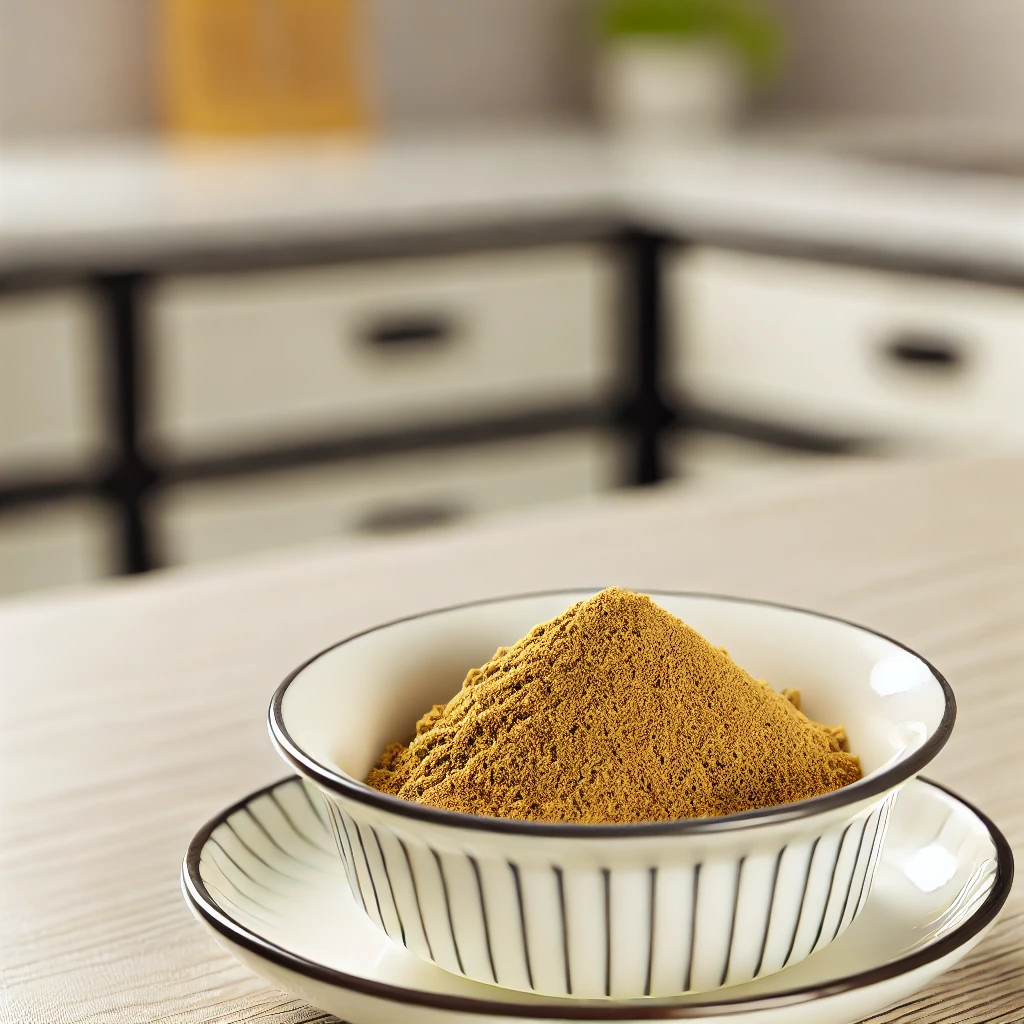
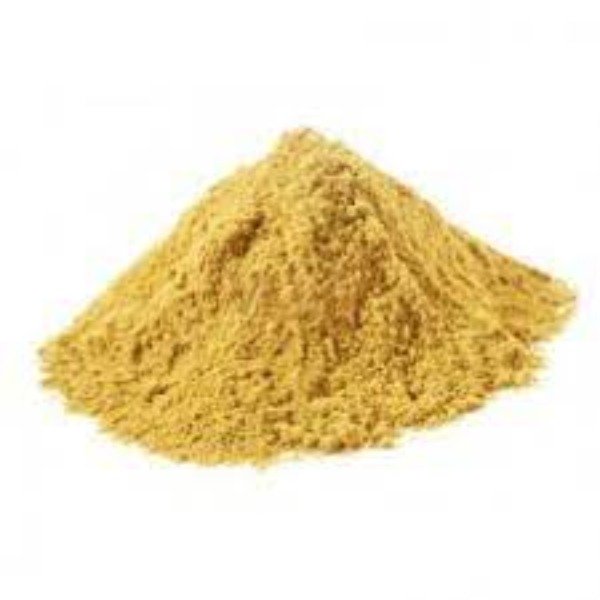
How to Make Egg Curry Masala at Home | Leena Spices
Table of Contents
- Introduction
- Key Takeaways: Egg Curry Masala
- What Is Egg Curry Masala Made Of?
- How do you make egg curry masala at home?
- How to Make Dhaba-Style or Restaurant-Style Egg Curry with Masala
- Frequently Asked Questions (FAQs)
Introduction
Egg curry masala is the heart of a truly flavourful Indian egg curry. Whether you enjoy a comforting home-style dish or a bold dhaba-style egg curry, the right spice blend makes all the difference. Made from carefully balanced spices, egg curry masala adds depth, aroma, and richness that turns simple boiled eggs into a satisfying, restaurant-style meal.
In Leena Spices guide, you will learn what egg curry masala is made of, how to make it at home using fresh spices, and how to use it correctly in dhaba-style and restaurant-style egg curry. This article is designed for home cooks, culinary enthusiasts, and professional chefs who want authentic flavour without preservatives or unnecessary additives.

Key Takeaways: Egg Curry Masala
What is egg curry masala?
Egg curry masala is a blended Indian spice mix made to enhance egg-based curries. It combines aromatic spices, warming herbs, and savory seasonings to create a rich, balanced curry gravy.
What spices are used in egg curry masala?
Egg curry masala typically includes coriander, cumin, turmeric, paprika, black pepper, cinnamon, green cardamom, garlic, ginger, curry leaves, fenugreek leaves, and garam masala.
Can egg curry masala be made at home?
Yes. Egg curry masala can be easily made at home using whole and ground spices. Homemade blends offer better freshness, stronger aroma, and full control over spice balance.
Why is homemade egg curry masala better than store-bought?
Homemade egg curry masala contains no preservatives, fillers, or artificial colours. It delivers cleaner flavour, higher aroma, and better consistency in cooking.
How much egg curry masala should be used in one curry?
For a standard egg curry serving of 5–6 eggs, 1½ to 2 teaspoons of egg curry masala is sufficient, depending on desired spice intensity.
When should egg curry masala be added during cooking?
Egg curry masala should be added after sautéing onions and ginger-garlic paste. Frying the masala briefly in oil helps release aroma and deepen flavour.
What type of egg curry does this masala work best for?
Egg curry masala is ideal for dhaba-style, restaurant-style, and home-style Indian egg curries with onion-tomato gravy.
Can egg curry masala be used for dishes other than curry?
Yes. Egg curry masala works well in scrambled eggs, omelettes, egg bhurji, dry egg masala, and fusion egg dishes.
How should egg curry masala be stored at home?
Store egg curry masala in an airtight glass container away from heat, light, and moisture. For best flavour, use within 3 to 4 months.
Is egg curry masala spicy?
Egg curry masala is moderately spiced and balanced. Heat levels can be adjusted by controlling the amount used or modifying chilli-based spices.
Does egg curry masala suit Indian cooking styles?
Yes. This masala is commonly used in North Indian, dhaba-style, and restaurant-style egg curry recipes across India and the Asia-Pacific region.
Can beginners use egg curry masala easily?
Absolutely. Egg curry masala simplifies cooking by combining multiple spices into one blend, making it ideal for beginners and busy home cooks.

What Is Egg Curry Masala Made Of?
Egg curry masala is a balanced Indian spice blend designed to enhance the richness of eggs while building deep, layered flavor in the curry. Unlike single-note seasonings, this masala combines aromatic, earthy, warm, and mildly spicy spices to create a well-rounded gravy that works across regional Indian cooking styles.
Here’s a clear breakdown of the key ingredients and the role each one plays in egg curry masala:
Asafoetida (Hing)
Used in very small quantities, asafoetida adds depth and improves digestion. It enhances the savory base of the curry, especially when eggs are simmered in onion-tomato gravies.
Black Pepper
Provides a gentle, lingering heat and sharpness. Black pepper supports warmth without overpowering the dish, making the curry flavorful rather than fiery.
Green Cardamom
Adds subtle sweetness and a fresh, aromatic lift. Cardamom balances heavier spices and keeps the masala fragrant.
Cilantro (Coriander Leaves)
Contributes freshness and mild citrusy notes. Dried cilantro in masala blends helps brighten the overall flavor profile.
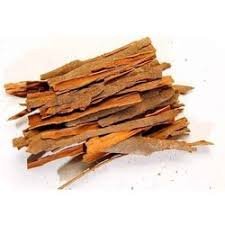
Cinnamon
Introduces warmth and slight sweetness. Cinnamon enhances the depth of the curry and pairs especially well with eggs and tomatoes.
Coriander Seeds
Forms the backbone of egg curry masala. Coriander delivers a nutty, slightly citrus flavor that ties all spices together.
Cumin Seeds
Adds earthiness and a smoky undertone. Cumin strengthens the savory foundation of the curry.
Curry Leaves
Bring a distinctive South Indian aroma. Curry leaves add complexity and a subtle herbal bitterness that elevates egg-based dishes.
Fenugreek Leaves (Kasuri Methi)
Provide a mild bitterness and rich aroma. Fenugreek leaves give egg curry its characteristic restaurant-style finish.
Garam Masala
A finishing spice blend that boosts warmth and aroma. It rounds off the curry with layered complexity.
Garlic Powder
Adds savory depth and umami. Garlic enhances the richness of eggs without overpowering the spices.
Ginger Powder
Contributes warmth and mild heat. Ginger helps balance richness and aids digestion.
Paprika
Gives vibrant color and gentle sweetness. Paprika adds visual appeal without excessive heat.
Turmeric
Provides earthy flavor, golden color, and well-known anti-inflammatory benefits. Turmeric is essential for both taste and appearance.
Why This Blend Works So Well for Egg Curry
Egg curry masala is carefully composed to complement the soft texture of eggs while creating a bold, flavorful gravy. The mix of warming spices, aromatics, and herbs ensures the curry is:
- Rich but balanced
- Aromatic without being overpowering
- Suitable for both home-style and restaurant-style egg curry
How do you make egg curry masala at home?
How to Make Homemade Egg Curry Spice Blend (Step-by-Step with Proportions)
Making egg curry masala at home allows you to control freshness, aroma, and a right spice balance. This homemade version delivers deep flavor, natural color, and clean ingredients, making it ideal for rich, comforting egg curries.
Ingredients for Homemade Egg Curry Masala
Use high-quality, fresh spices for maximum aroma and shelf life.
- Asafoetida (hing) – 1 g
- Black pepper – 2 g
- Green cardamom – 2 g
- Dried cilantro (coriander leaves) – 2 g
- Cinnamon – 2 g
- Coriander seeds – 18 g
- Cumin seeds – 18 g
- Dried curry leaves – 1 g
- Fenugreek leaves (kasuri methi) – 2 g
- Garam masala – 18 g
- Garlic powder – 8 g
- Ginger powder – 8 g
- Paprika – 8 g
- Turmeric – 10 g
Step-by-Step Method
Step 1: Dry Roast Whole Spices
Heat a heavy pan on low flame. Add coriander seeds, cumin seeds, black pepper, green cardamom, and cinnamon. Dry roast gently until aromatic. Do not brown or burn the spices. This preserves flavor and prevents bitterness.
Step 2: Cool Completely
Transfer the roasted spices to a plate and allow them to cool fully. Grinding warm spices can cause moisture buildup and reduce shelf life.
Step 3: Grind to a Fine Powder
Once cooled, grind the roasted spices into a fine, uniform powder using a spice grinder.
Step 4: Add Remaining Ingredients
To the ground spice base, add turmeric, paprika, garlic powder, ginger powder, dried cilantro, dried curry leaves, fenugreek leaves, garam masala, and asafoetida. Grind again briefly to ensure even blending.
Step 5: Sieve (Optional but Recommended)
Sifting the masala removes coarse particles and results in a smoother, more professional-quality blend.
Storage Tips for Best Freshness
Store the egg curry masala in an airtight glass jar, away from heat, light, and moisture. For best aroma and flavor, use within 3 to 4 months.
How to Use Egg Curry Masala
- Use 1½ to 2 teaspoons per egg curry, depending on spice preference
- Add during sautéing of onions and tomatoes for maximum flavor release
- Finish with fresh coriander leaves for a balanced, aromatic curry
Why Homemade Egg Curry Masala Is Better
- No preservatives or fillers
- Stronger aroma and cleaner taste
- Customizable heat and depth
- Ideal for North Indian and South Indian egg curry recipes
EGG CURRY RECIPE
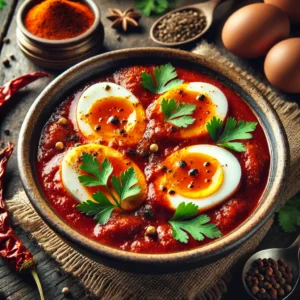
How to Make Dhaba-Style or Restaurant-Style Egg Curry with Masala
Dhaba-style egg curry is known for its bold spices, thick onion-tomato gravy, and deep, slow-cooked flavour. Unlike light home-style versions, restaurant egg curry relies on proper sautéing, controlled heat, and the right timing of masala to achieve that rich, satisfying taste.
Ingredients
- 6 whole boiled eggs, peeled
- 1 large onion, finely diced
- 1 large tomato, finely chopped (or 50 g canned tomatoes)
- 1½ teaspoons egg curry masala
- 1 teaspoon ginger paste
- 1 teaspoon garlic paste
- 4 tablespoons cooking oil
- Salt to taste
- Water as needed
Step-by-Step Method
Step 1: Heat the Oil
Heat oil in a wok or heavy-bottomed pan over medium heat. Using enough oil is essential for dhaba-style flavour.
Step 2: Fry the Onions
Add chopped onions and sauté for about 5 minutes until they turn light golden brown. Proper browning builds the base of the gravy.
Step 3: Add Ginger and Garlic
Stir in ginger and garlic paste. Cook for 3–4 minutes until the raw aroma disappears and the mixture becomes fragrant.
Step 4: Cook the Masala
Add the egg curry masala and fry on low heat for around 4 minutes. Stir continuously to prevent burning. This step is crucial for releasing the oils and aroma of the spices.
Step 5: Add Tomatoes
Add chopped tomatoes and cook, adding small splashes of water if needed, until the tomatoes soften and oil begins to separate from the masala.
Step 6: Simmer the Gravy
Season with salt and add about ½ cup water. Simmer on low heat for 10–15 minutes until the gravy thickens and develops a rich, restaurant-style texture.
Step 7: Add the Eggs
Gently add the boiled eggs and mix carefully so they are evenly coated with the gravy without breaking.
Step 8: Garnish and Serve
Garnish with fresh coriander leaves and serve hot with naan, roti, paratha, or steamed rice.
Chef Tips for Authentic Dhaba-Style Flavour
- For extra depth, lightly shallow-fry the boiled eggs until golden before adding them to the gravy.
- You can enhance the curry by adding potatoes, spinach, peas, or mixed vegetables to the gravy.
- For a smokier restaurant finish, simmer the curry slightly longer on low heat.
Other Ways to Use Egg Curry Masala
This versatile masala is not limited to curries. It works beautifully in:
- Scrambled eggs
- Omelettes
- Egg bhurji
- Dry egg masala dishes
This dhaba-style egg curry delivers bold aroma, rich gravy, and perfectly coated eggs, making it ideal for both home cooks and professional kitchens.
Where Can I buy authentic Egg Masala online?
You can buy Pure and Authentic Egg Masala From Amazon
You will find several reputable brands offering pre-made blends in both small jars and bulk packs.
CLICK HERE
Watch the Video
⚡️The Ultimate Keto Meal Plan⚡️


Frequently Asked Questions (FAQs)
What is egg curry masala used for?
Egg curry masala is used to flavour Indian egg-based dishes, especially egg curry with onion-tomato gravy. It adds aroma, colour, and balanced spice to both home-style and restaurant-style recipes.
How is egg curry masala different from garam masala?
Egg curry masala is a complete cooking spice blend that includes coriander, cumin, turmeric, paprika, garlic, and ginger. Garam masala is mainly an aromatic finishing blend and cannot replace egg curry masala on its own.
Can I substitute egg curry masala with another spice blend?
If egg curry masala is unavailable, a mix of coriander powder, cumin powder, turmeric, paprika, and a small amount of garam masala can be used. However, the flavour will not be as balanced or authentic.
Is egg curry masala the same as chicken curry masala?
No. Egg curry masala is milder and more balanced to suit eggs, while chicken curry masala is usually stronger and heavier in spices to match meat-based gravies.
How do you add egg curry masala for best flavour?
Egg curry masala should be added after sautéing onions and ginger-garlic paste. Frying it briefly in oil helps release essential oils and enhances flavour.
How much egg curry masala should be used per serving?
For a curry made with 5–6 eggs, 1½ to 2 teaspoons of egg curry masala is ideal. Adjust according to spice preference.
Can egg curry masala be used in dry egg dishes?
Yes. Egg curry masala works well in dry egg masala, egg bhurji, scrambled eggs, omelettes, and stir-fried egg recipes.
Is egg curry masala spicy or mild?
Egg curry masala is moderately spiced and balanced. Heat levels can be adjusted by changing the quantity used or adding extra chilli if desired.
Can beginners use egg curry masala easily?
Yes. Egg curry masala simplifies cooking by combining multiple spices into one blend, making it beginner-friendly and time-saving.
How long does homemade egg curry masala last?
When stored in an airtight container away from heat and moisture, homemade egg curry masala stays fresh for up to 3–4 months.
Can egg curry masala be used in vegetarian dishes?
Yes. Egg curry masala pairs well with potatoes, spinach, paneer, mixed vegetables, and plant-based curries.