How to Make Authentic Sindhi Spice Blend at Home in 5 Simple Steps
Table of Contents
- Key Takeaways: Sindhi Spice Blend
- What Is Sindhi Spice Blend?
- What Does Sindhi Spice Blend Taste Like?
- What Is Sindhi Spice Blend Made Of?
- Where to Buy Sindhi Spice Blend?
- How to Make Authentic Sindhi Spice Blend at Home
- Frequently Asked Questions (FAQs)
Key Takeaways: Sindhi Spice Blend
What is Sindhi spice blend?
Sindhi spice blend is a traditional Indian masala known for its bold aroma, moderate heat, and signature tangy-sour flavor. It is commonly used in Sindhi biryani, curries, dals, vegetables, and kadhi.
What makes Sindhi spice blend different from garam masala?
Unlike garam masala, Sindhi spice blend includes tangy elements and dried aromatics, creating a spicy-sour, floral profile rather than just warm sweetness. It is brighter, bolder, and more layered in taste.
What does Sindhi spice blend taste like?
It tastes aromatic and warm, with peppery heat, subtle sweetness, and a distinct tang. The flavor is balanced, vibrant, and less heavy than Punjabi or South Indian spice blends.
What spices are used in authentic Sindhi spice blend?
Authentic Sindhi spice blend typically includes coriander, cumin, black pepper, cardamom, cloves, cinnamon, bay leaf, star anise, nutmeg, turmeric, paprika, ginger, and garlic.
Is Sindhi spice blend spicy?
Sindhi spice blend is moderately spicy, not overwhelmingly hot. The heat comes from black pepper and chili-based spices, making it flavorful without being harsh.
Why is Sindhi spice blend tangy?
The tanginess comes from traditional souring agents such as dried plums (aloo bukhara), amchur (dried mango powder), or anardana, which balance rich dishes and enhance aroma.
Can I make Sindhi spice blend at home?
Yes. You can easily make authentic Sindhi spice blend at home using whole spices, gentle dry-roasting, and fresh grinding, ensuring superior aroma and flavor.
How long does homemade Sindhi spice blend last?
When stored in an airtight glass container away from heat and light, homemade Sindhi spice blend stays fresh for 3–4 months with optimal flavor.
Is Sindhi spice blend suitable for vegetarian cooking?
Yes. Sindhi spice blend pairs exceptionally well with vegetables, lentils, beans, and yogurt-based dishes, adding depth without overpowering natural flavors.
Can Sindhi spice blend replace biryani masala?
Yes. Sindhi spice blend is often used specifically as Sindhi biryani masala, offering a hotter, tangier, and more aromatic profile than standard biryani blends.
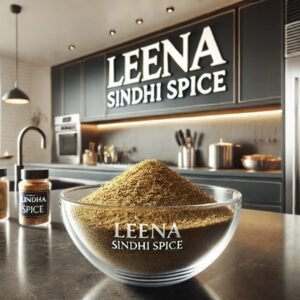
What Is Sindhi Spice Blend?
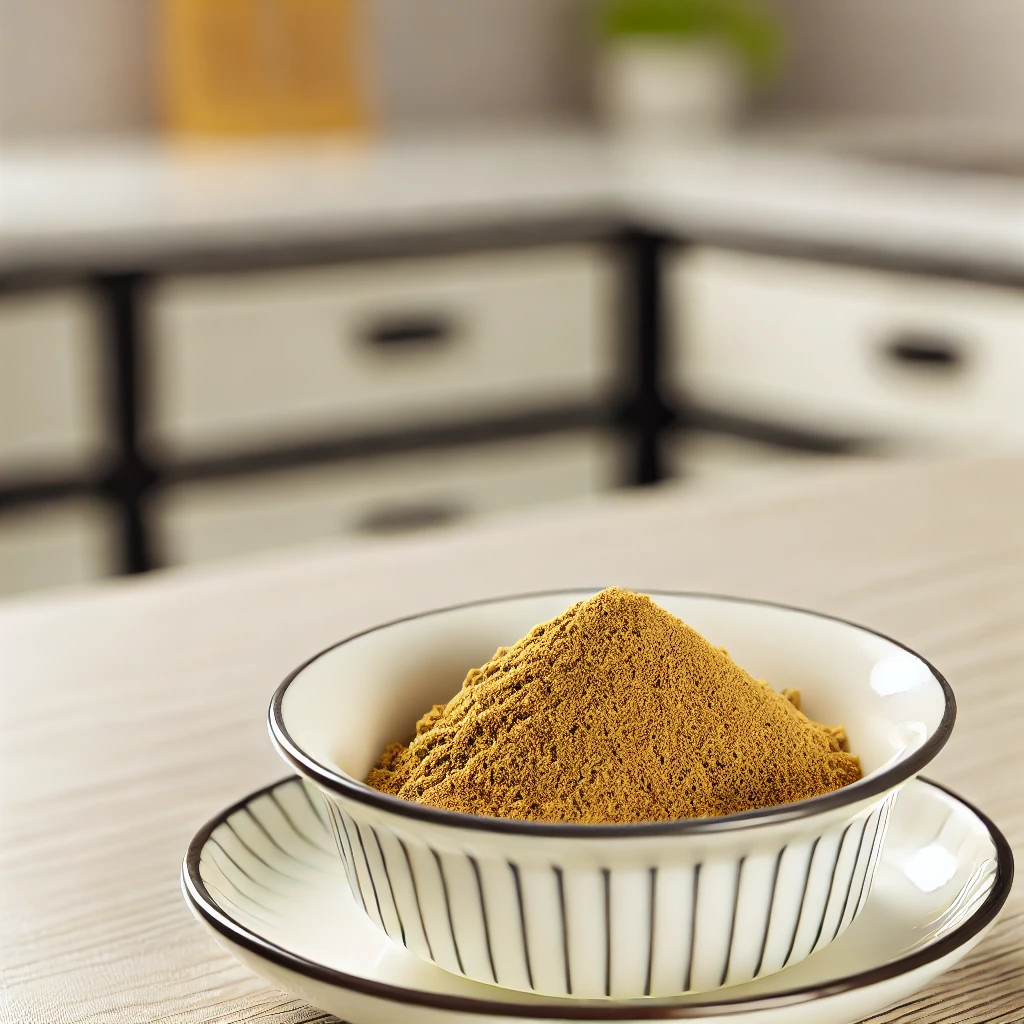
Sindhi Spice Blend is a traditional masala from Sindhi cuisine. It is most commonly known as Sindhi Biryani Masala, Sindhi Garam Masala, or Suraho Mashalo. While the name may vary, the defining characteristic remains the same. It has a bold, aromatic, and distinctly tangy spice profile that sets it apart from standard Indian masalas.
At its core, Sindhi spice blend is made by dry-roasting whole spices and grinding them fresh. This method deepens aroma and preserves essential oils, giving the blend its signature warmth and complexity. The spice is suitable for a wide range of dishes including biryani, dals, vegetable curries, kadhi, and meat preparations.
What truly distinguishes Sindhi Spice Blend is its spiciness and sour balance. Unlike garam masala, which leans heavily on warmth and sweetness, Sindhi blends often include dried fruits and souring agents like dried plums (aloo bukhara). These ingredients add a subtle sweet–tangy depth that is iconic to Sindhi cooking. In Sindhi biryani, this tanginess is further enhanced by the inclusion of potatoes and prunes, creating a layered flavor that is hotter and more vibrant than typical biryanis.
The overall flavor profile can be described as moderately to intensely spicy, aromatic, and slightly floral, with a lingering sour note that brightens rich dishes. This balance of heat, aroma, and tang is what makes Sindhi Spice Blend instantly recognizable and deeply rooted in Sindhi culinary tradition.
What Does Sindhi Spice Blend Taste Like?
Sindhi spice blend has a bold, tangy-aromatic flavor that is instantly recognizable and noticeably different from more familiar Indian or Pakistani masalas. It delivers a layered sensory experience that is warm and fragrant at first, followed by a bright sour punch, gentle sweetness, and a peppery, lingering heat.
At its best, Sindhi spice blend tastes balanced, elegant, and multi-dimensional, rather than aggressively hot or one-note.
Overall Flavor Profile
Sindhi spice blend is best described as bold, tangy-sour, aromatic, and moderately spicy. It is hotter and tangier than standard garam masala, yet more refined and nuanced than many commercial biryani blends. The tanginess is what truly defines it and gives Sindhi dishes their vibrant character.
Unlike South Indian masalas, it is not curry-leaf or mustard-forward. And unlike Punjabi blends, it avoids heavy, earthy heat. Instead, it leans toward zesty brightness, floral aromatics, and layered warmth.
Key Flavor Notes in Sindhi Spice Blend
Aromatic warmth
Cinnamon, green cardamom, cloves, and star anise create a sweet-floral perfume that hits the nose before the palate. This aromatic intensity is more pronounced than in standard garam masala, giving Sindhi dishes a refined, almost perfumed quality.
Distinctive tangy-sour punch
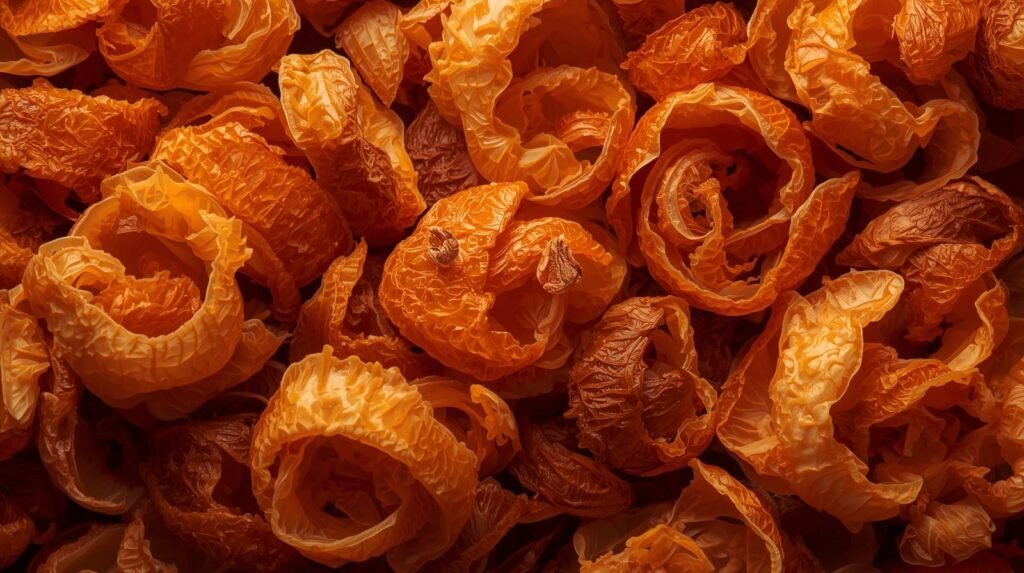
The hallmark of Sindhi spice blend is its bright acidity. Ingredients such as dried plums (aloo bukhara), amchur (dried mango powder), or anardana (dried pomegranate seeds) add a fruity sourness that cuts through rich meats, oils, and rice dishes. This tang is what makes Sindhi biryani and kadhi taste lively rather than heavy.
Fruity-sweet undertones
Dried plums contribute subtle, jammy sweetness that balances the heat and acidity. Instead of tasting sugary, this sweetness appears in brief, pleasant bursts which creates a sweet-sour contrast that feels complex and satisfying.
Earthy, grounding spices
Coriander and cumin form the backbone of the blend, adding warm earthiness and depth without overpowering sharper flavors. This grounding base keeps the spice mix savory and well-rounded.
Layered, non-flat heat
The heat in Sindhi spice blend is multi-source and controlled, not blunt or overwhelming:
- Red chili provides immediate warmth on the tongue
- Black peppercorns add a sharp, peppery bite at the back of the throat
- Cloves and cinnamon create a slow, woody warmth that lingers
How It Compares to Other Spice Blends
- Spicier and tangier than garam masala
- More zesty than Bombay biryani masala
- Less aggressive than vindaloo spices
- More complex than basic curry powder
Commercial versions may lean toward stronger chili heat and sharper acidity, while traditional homemade blends feel more aromatic and balanced.
What Is Sindhi Spice Blend Made Of?
Below are the core ingredients commonly used in a traditional Sindhi spice blend, along with the role each plays in the flavor:
Bay leaf
Adds a mild herbal bitterness and background aroma that supports long-simmered dishes without overpowering them.
Black pepper
Contributes sharp, clean heat and a warming bite that lingers gently on the palate.
Green cardamom
Provides floral sweetness and a fresh, perfumed aroma—one of the signature notes of Sindhi masala.
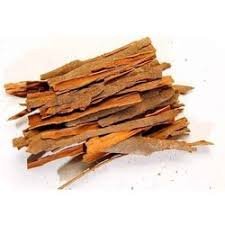
Cinnamon
Brings warm, slightly sweet woodiness that enhances both savory and tangy elements.
Cloves
Add intense warmth and depth, reinforcing the blend’s bold aromatic character.
Coriander seeds
Form the earthy base of the blend, offering citrusy warmth and balance.
Cumin seeds
Deliver nutty, smoky earthiness that anchors the brighter spices.
Garlic powder
Adds savory depth and umami, especially useful in dry rubs and biryani masalas.
Ginger powder
Introduces gentle heat and a clean, warming sharpness.
Nutmeg
Used sparingly for soft sweetness and complexity, rounding out the aromatics.
Paprika
Contributes mild heat and natural color without overwhelming spiciness.
Star anise
Adds a subtle licorice-like top note that enhances the blend’s floral aroma.
Turmeric
Provides earthy bitterness, warmth, and a golden hue while supporting overall balance.
Ingredient Profile at a Glance
Together, these spices create a warm, aromatic, moderately spicy, and well-structured blend. While some regional or homemade versions may also include souring agents like dried plums or amchur, the ingredients listed above form the aromatic backbone of a classic Sindhi spice blend.
Where Can I buy authentic and pure Sindhi Spice Blend online?
You can buy Pure and Authentic Sindhi Spice Blend From Amazon
You will find several reputable brands offering in both small jars and bulk packs.
CLICK HERE
How to Make Authentic Sindhi Spice Blend at Home
Making an authentic Sindhi spice blend at home is the best way to capture its true aroma, balanced heat, and layered depth. Freshly prepared masala delivers far more fragrance and control than store-bought versions, especially for classic dishes like Sindhi biryani, kadhi, dals, vegetables, and meat curries.
Ingredients (Per 100g By Weight)
- Bay leaf – 3 g
- Black pepper – 5 g
- Green cardamom – 6 g
- Cinnamon – 3 g
- Cloves – 6 g
- Coriander seeds – 15 g
- Cumin seeds – 15 g
- Garlic powder – 8 g
- Ginger powder – 8 g
- Nutmeg – 3 g
- Paprika – 15 g
- Star anise – 3 g
- Turmeric powder – 10 g
Step-by-Step Method
- Dry-roast the whole spices
Heat a heavy-bottomed pan on low to medium heat. Add bay leaf, black pepper, green cardamom, cinnamon, cloves, coriander seeds, cumin seeds, star anise, and nutmeg.
Dry-roast slowly, stirring continuously, until the spices become aromatic and slightly darker. This usually takes 2–3 minutes. Do not rush this step. Gentle roasting preserves aroma without burning. - Cool completely
Transfer the roasted spices to a plate and allow them to cool fully. Grinding hot spices can cause moisture buildup and dull the flavor. - Grind to a fine powder
Once cooled, grind the roasted spices into a fine powder using a spice grinder or high-powered blender. - Add powdered spices
To the freshly ground spice mix, add garlic powder, ginger powder, paprika, and turmeric. Mix thoroughly until the blend is uniform in color and texture. - Final sift (optional but recommended)
For a smooth, professional-grade masala, sift the blend to remove any coarse bits. Re-grind and re-sift if needed.
Storage Tips for Maximum Freshness
Store the Sindhi spice blend in an airtight glass jar, away from heat, light, and moisture. For best flavor, use within 3 to 4 months, though it will remain safe longer if stored properly.
Easy, step-by-step instructions for creating your own spice blends from home.More than 200 spices from around the world

Frequently Asked Questions (FAQs)
What is Sindhi spice blend used for?
Sindhi spice blend is primarily used in Sindhi biryani, but it also enhances meat curries, vegetable dishes, lentils, kadhi, rice preparations, and marinades. Its tangy-aromatic profile adds depth without overpowering the dish.
How is Sindhi spice blend different from biryani masala?
Sindhi spice blend is hotter, tangier, and more aromatic than standard biryani masala. It often includes souring elements and dried aromatics that give Sindhi dishes their signature spicy-sour complexity.
Is Sindhi spice blend the same as Sindhi garam masala?
They are closely related but not always identical. Sindhi garam masala focuses more on warm aromatics, while Sindhi spice blend or Sindhi biryani masala emphasizes tanginess, heat, and layered depth.
Can Sindhi spice blend be substituted for garam masala?
Yes, but expect a different flavor result. Sindhi spice blend adds extra tang and brightness, making dishes bolder than when using standard garam masala.
What can I use if I don’t have Sindhi spice blend?
You can approximate it by combining garam masala, paprika, black pepper, and a touch of amchur or dried plum powder, though the result will lack the full complexity of an authentic blend.
How spicy is Sindhi spice blend?
Sindhi spice blend is moderately spicy. It delivers layered heat from black pepper and chili-based spices, making it flavorful rather than overpowering.
How much Sindhi spice blend should I use in cooking?
Start with ½ to 1 teaspoon per serving, then adjust to taste. The blend is aromatic and concentrated, so small amounts go a long way.
How should Sindhi spice blend be stored?
Store it in an airtight glass container, away from heat, moisture, and direct sunlight to preserve aroma and flavor.
Can Sindhi spice blend be used in non-Sindhi recipes?
Yes. It adds complexity to rice dishes, roasted vegetables, grilled meats, soups, and fusion recipes, especially where a tangy-aromatic flavor is desired.
Is Sindhi spice blend gluten-free and vegan?
Yes. Authentic Sindhi spice blend contains only spices and herbs, making it naturally gluten-free and vegan.