Jaggery Guide: What It Is, How to Choose, Shelf Life, Storage Tips, and Spoilage Signs
Table of Contents
- Key Takeaways
- What Is Jaggery?
- How do you select high-quality jaggery at the market?
- Nutritional Composition of Jaggery (Per 100g)
- Is Jaggery Healthier Than White Sugar?
- Is Jaggery Better Than Sugar For Weight Loss?
- Benefits vs Limitations of Jaggery
- Smart Strategy for Better Weight Loss Results
- Where can you buy authentic jaggery online?
- What Jaggery Can (and Cannot) Do for Weight Loss
- What Actually Works for Weight Loss
- Can I keep jaggery in my diet and still lose stubborn belly fat after 35?
- Do Metabolism Supplements Really Work?
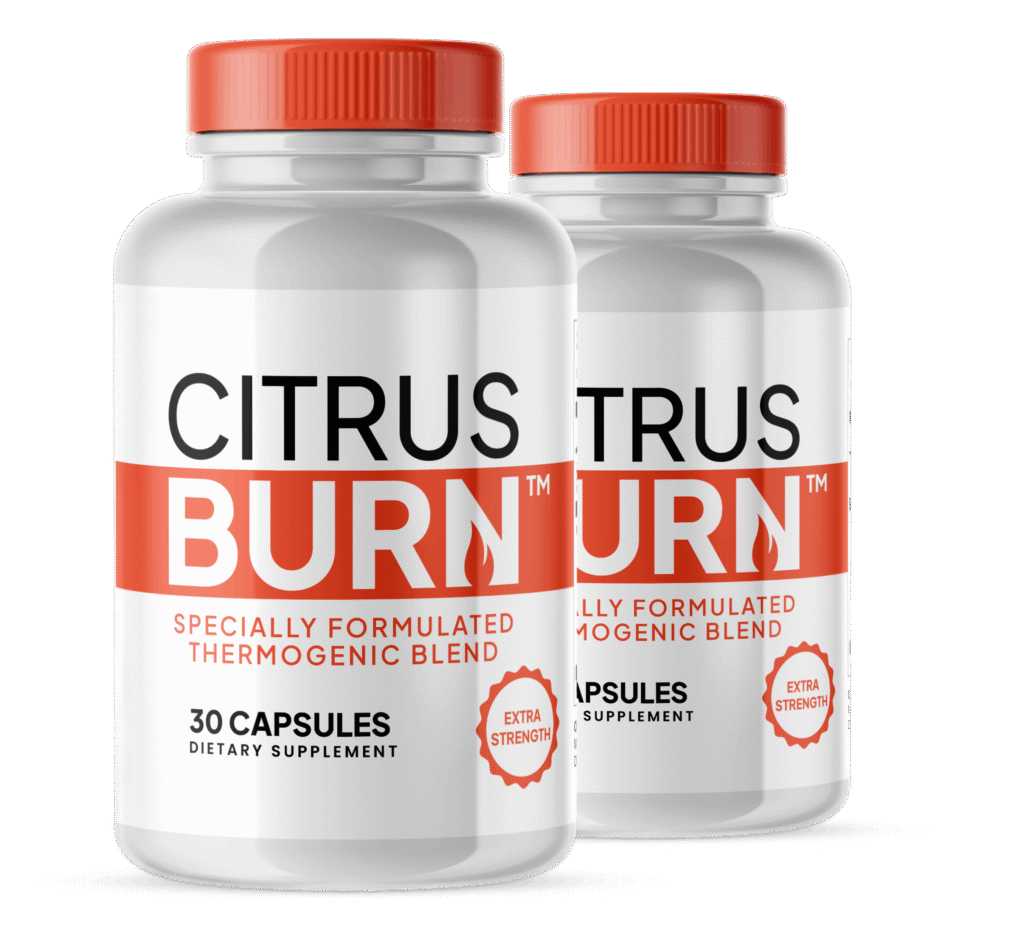
- What happens when you pair jaggery with a plant-based metabolism booster like CitrusBurn?
- What ingredients are in CitrusBurn?
- What Actually Helps with Weight Loss (Beyond Sugar Swaps)
- How Much Jaggery is Safe Daily While Using Supplements?
- Add Orange Peel for Weight Loss: The Jaggery Trick That Supports Fat Burning Naturally
- Ancient Tradition Meets Modern Science
- Does jaggery expire, and how long does it last?
- How do you store jaggery for maximum freshness?
- FAQs
Key Takeaways
What is jaggery?
Jaggery is a traditional, unrefined natural sweetener made by boiling and solidifying sugarcane juice or palm sap. Unlike white sugar, it retains minerals like iron, magnesium, potassium, and antioxidants, giving it a rich caramel-like flavor and golden-to-dark brown color.
How is high-quality jaggery identified?
High-quality jaggery or Gur has a deep golden or dark brown color, slightly moist texture, rich caramel aroma, and complex sweet flavor with subtle earthy notes. Avoid jaggery that is pale, overly dark, sticky, or has a chemical smell. Simple tests like water dissolution, burn test, or lemon test can help verify purity.
What are the common types of jaggery?
The most common types are sugarcane jaggery (golden-brown to dark brown) and palm jaggery (dark brown to almost black). Forms include solid blocks, powder, and liquid (Nolen Gur), each suited for different culinary uses.
Can jaggery help with weight loss?
Jaggery is slightly better than white sugar due to slower digestion and trace minerals, but it is still sugar. Consumed in moderation, it can reduce water retention and aid digestion, but excessive intake contributes to weight gain. It is not a weight-loss food on its own.
How can jaggery be used in cooking and baking?
Jaggery can sweeten tea, coffee, and herbal drinks; replace sugar in cakes, cookies, and muffins; flavor traditional desserts like ladoos, halwa, and kheer; and enhance sauces, chutneys, and marinades. Grated or powdered forms dissolve faster, while liquid jaggery is ideal for drizzling.
Does jaggery expire, and how long does it last?
Jaggery does not expire immediately but can spoil over time due to moisture or fermentation. Solid blocks last 1–2 years unopened, powder 6–12 months, and liquid jaggery 3–6 months refrigerated. Always check for mold, sour smell, sliminess, or discoloration.
How should jaggery be stored for maximum freshness?
Store jaggery in airtight glass or stainless steel containers in a cool, dry, dark place, away from sunlight and heat. Wrap blocks in parchment or butter paper. Use silica gel or dry cloves in humid climates. Powder should be tightly sealed or refrigerated, while liquid jaggery must always be refrigerated.
What are the signs that jaggery has gone bad?
Look for white or green fuzzy mold, sour/fermented smell, slimy or wet texture, unusual discoloration, or insect infestation. Discard immediately if any of these appear to ensure safety.

What Is Jaggery?
Jaggery is a traditional, unrefined sweetener made by slowly boiling raw sugarcane juice or palm sap such as date palm or coconut palm until it thickens and naturally solidifies. Unlike white sugar, which is heavily processed and stripped of nutrients, jaggery keeps its natural molasses intact. This gives it a deep golden to dark brown color, a rich caramel-like flavor, and a more robust nutritional profile.
Because the molasses is never removed, jaggery contains trace minerals such as iron, magnesium, potassium, and calcium, along with small amounts of antioxidants. These nutrients contribute to its popularity in traditional medicine systems like Ayurveda, where jaggery is often used to support digestion, respiratory health, and overall vitality.
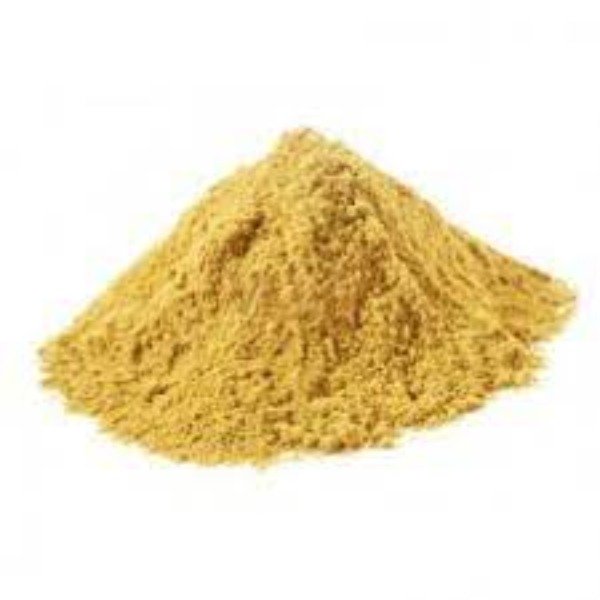
Jaggery is available in several forms. It can be purchased in solid blocks, soft sticky chunks, granules, and powder.
Jaggery is widely used as a natural sweetener in India, Sri Lanka, Nepal, Bangladesh, Southeast Asia, Africa, and parts of Latin America. Its earthy sweetness makes it a favourite for everyday cooking, festive sweets, herbal drinks, and home remedies.
- Composition: Contains sucrose, invert sugars, and moisture, along with residual minerals (potassium, magnesium, and iron).
- Production: Unlike white sugar, it undergoes no chemical bleaching or refining, preserving its dark color and nutritional profile.
- Health Profile: It is considered a “complex” sweetener that aids digestion and provides slow-release energy compared to refined sugar.
How do you select high-quality jaggery at the market?
Choosing good jaggery is essential for flavour. Pure, well-made jaggery has a rich caramel taste, natural minerals, and no chemical additives. Here is a clear, practical guide to help you identify the best-quality jaggery
1. Check the Colour (Most Important Indicator)
- Sugarcane jaggery: should be deep golden to natural dark brown.
- Palm jaggery: naturally dark brown to almost black.
- Avoid: pale yellow (often chemically bleached), extremely black (overcooked or burnt), or unnaturally glossy blocks.
2. Inspect the Texture and Feel
- Firm but slightly pliable when pressed and never rock-hard.
- Breaks with a clean snap, without crumbling into powder.
- Not sticky, rubbery, or stringy, which may indicate added glucose syrup.
- No white crystals—these point to added refined sugar.
- Surface should be matte and slightly rough, not shiny or oily (which suggests polishing with mineral oil).
3. Smell for Natural Aroma
- Pure jaggery smells like molasses, caramel, or roasted sugarcane.
- Avoid anything with:
- Fermented or sour odour
- Chemical or detergent-like smell
- Burnt, smoky odours (indicates overcooking)
4. Taste a Small Piece (If Allowed)
- Sweet with rich caramel and earthy notes
- Mild salty undertone from natural minerals
- No bitterness, which signals burnt sugar
- No sharp burning sensation, often caused by caustic soda used to speed up boiling
5. Try the Water Test (Quick Purity Check)
- Drop a small piece into a glass of plain water.
- Pure jaggery: dissolves slowly, turning the water light brown without residue.
- Adulterated: dissolves instantly, leaves white particles (chalk/powdered sugar), or makes the water cloudy and muddy.
6. Optional Home Tests for Extra Assurance
These tests are commonly used by traditional buyers:
A. Lemon Test
- Add a few drops of lemon juice to a small piece.
- Pure: no reaction.
- Adulterated: fizzing or bubbling indicates added washing soda or bicarbonates.
- Burn Test (Use With Caution)
- Pure jaggery: burns slowly and releases a natural caramel aroma.
- Adulterated jaggery: may flare up quickly, spark, or leave heavy black residue because of added sugar, paraffin, or mineral fillers.
Caution:
Only perform the burn test outdoors or in a well-ventilated area, using a very small piece of jaggery and holding it with metal tongs or a long matchstick. Never attempt this near children, pets, flammable items, or in enclosed kitchen spaces. If you are unsure or uncomfortable, skip this test and rely on the water or lemon test instead, which are safer and equally effective for purity checks.
C. Touch Test
- Pure jaggery feels slightly oily because of natural molasses.
- Chalk-mixed jaggery feels dry, dusty, or powdery.
7. Read Labels Carefully (Critical for Packaged Jaggery)
For store-bought or online jaggery, check the packaging:
- Must list a single ingredient: sugarcane juice or palm sap
- Visible manufacturing and expiry dates
- Prefer labels that mention:
- Organic
- Chemical-free
- Cold-processed or natural processing
Nutritional Composition of Jaggery (Per 100g)
Jaggery is a natural sweetener, but it is still high in sugar and calories. Here is what you are really getting:
- Calories (375–385 kcal):
Jaggery is energy-dense, meaning it gives a quick boost of energy. - Total Carbohydrates (95–99 g):
Almost all of jaggery is made up of carbohydrates, mainly sugars. - Total Sugars (95–98 g):
Very high sugar content, which can quickly raise blood sugar levels if consumed in excess. - Sucrose (65–85 g):
The main type of sugar found in jaggery. - Glucose & Fructose (7–15 g):
These are fast-absorbing sugars that provide instant energy. - Protein (0.1–0.4 g):
Contains only a very small amount of protein. - Fat (0–0.2 g):
Practically fat-free. - Fiber (0 g):
Does not contain any dietary fiber.
Jaggery may be more natural than refined sugar, but nutritionally it is still mostly sugar. It is best enjoyed in moderation.
Nutrient | Amount (Approx.) | What It Means for You |
Calories | 375–385 kcal | High energy, calorie-dense sweetener |
Total Carbohydrates | 95–99 g | Almost entirely carbs (mainly sugar) |
Total Sugars | 95–98 g | High sugar content—impacts blood sugar levels |
Sucrose | 65–85 g | Primary sugar component |
Glucose & Fructose | 7–15 g | Fast-absorbing sugars |
Protein | 0.1–0.4 g | Negligible |
Fat | 0–0.2 g | Virtually fat-free |
Fiber | 0 g | No dietary fiber |
Key Minerals in Jaggery
Mineral | Amount Range | Health Role |
Iron | 5–13 mg | Supports red blood cell production |
Potassium | 30–1000+ mg | Helps maintain fluid balance |
Magnesium | 70–115 mg | Supports muscle and nerve function |
Calcium | 40–100 mg | Important for strong bones |
Phosphorus | 20–90 mg | Helps with energy production |
Sodium | 3–30 mg | Maintains electrolyte balance |
Jaggery contains small amounts of important minerals, but not enough to rely on it as a major source.
Typical Serving Size (1 Tablespoon ~15g)
Nutrient | Amount |
Calories | ~55–60 kcal |
Carbohydrates | ~14 g |
Sugars | ~13–14 g |
Simple takeaway: Even a small serving of jaggery is mostly sugar, so portion control matters.
Key Takeaway for Health & Weight Loss
- Jaggery contains small amounts of minerals, so it’s slightly better than refined sugar
- However, it is still high in sugar and calories
- Eating too much can raise blood sugar levels and slow down weight loss
Best practice:
Enjoy jaggery in moderation as part of a balanced, health-conscious diet.
Is Jaggery Healthier Than White Sugar?
- Jaggery is nutritionally superior and less processed, offering some health benefits.
- Refined sugar is completely stripped of nutrients and offers only empty calories.
- Both are calorie-dense sugars; moderation is crucial, especially for weight-conscious and health-focused individuals.
- Combining limited jaggery intake with metabolism support may enhance energy management and help mitigate blood sugar spikes.
Jaggery vs Sugar: Which is Healthier?
Aspect | Jaggery | Refined Sugar |
Nutritional Content | Contains trace minerals (iron, potassium, magnesium, calcium) and antioxidants | Virtually no nutrients; empty calories only |
Digestion | Traditionally supports digestion and enzyme activity | No digestive benefits |
Energy | Provides gradual energy release | Quick energy spike followed by crash |
Processing | Minimally processed, retains natural molasses | Highly refined, chemically processed, stripped of molasses |
GI varies 54–84; may digest slower in some cases, but can still spike blood sugar | GI ~65; rapidly raises blood sugar | |
Weight Management | Slightly better alternative for clean-eating enthusiasts; moderation needed | No benefits for weight management; high risk of cravings and fat storage |
Traditional Uses | Used in Ayurveda and traditional medicine for vitality, immunity, and digestion | None |
Is Jaggery Better Than Sugar For Weight Loss?
Jaggery is often promoted as a healthier alternative to refined sugar. Understanding the nutritional differences, metabolic impact, and real-world effects can help you make smarter choices, especially if your goal is weight loss or better health.
Both are essentially sugar, and your body treats them very similarly in terms of calories.
Jaggery vs Refined Sugar: Which Is Better for Health and Weight Loss?
Nutritional Comparison (Per 100g)
Nutrient | Jaggery | Refined Sugar |
Calories | 375–383 kcal | ~387 kcal |
Carbohydrates | 95–99 g | ~100 g |
Sugars | 65–85% sucrose + others | ~100% sucrose |
Protein | 0.1–0.4 g | 0 g |
Fat | 0–0.2 g | 0 g |
Fiber | 0–0.6 g | 0 g |
Mineral Content (Key Difference)
Mineral | Jaggery | Refined Sugar |
Iron | 5–13 mg | ~0 mg |
Potassium | 30–1000+ mg | ~2 mg |
Magnesium | 70–115 mg | 0 mg |
Calcium | 40–100 mg | ~1 mg |
Phosphorus | 20–90 mg | ~2 mg |
Key takeaway:
Jaggery contains trace minerals due to retained molasses, while refined sugar provides empty calories with no nutrients.
Benefits vs Limitations of Jaggery
Aspect | Benefits | Limitations |
Nutritional Content | Contains trace minerals (iron, potassium, magnesium, calcium) and antioxidants | Still high in sugar and calories |
Digestion | Supports digestion, may relieve mild constipation | Does not replace a balanced digestive plan |
Energy | Provides gradual energy boost | Can still spike blood sugar levels |
Processing | Minimally processed, retains natural molasses | Not a “health food”—primarily sugar |
Weight Management | Slightly better alternative to refined sugar | Does not directly support fat loss |
Traditional Uses | Used in Ayurveda and traditional medicine for vitality and immunity | Overconsumption can contribute to cravings and metabolic issues |
Smart Strategy for Better Weight Loss Results
If your goal is fat loss, better metabolic health, and steady energy, simply switching to jaggery isn’t enough. A strategic approach is essential:
- Use Jaggery Sparingly: Treat jaggery as a cleaner alternative to sugar, but keep portions small. A teaspoon or two per day is sufficient for flavor without overloading calories.
- Reduce Overall Sugar Intake: Focus on minimizing all added sugars in your diet, including refined sugar, desserts, sweetened beverages, and even excessive fruit juice.
- Support Your Metabolism: Combine your clean eating with lifestyle strategies that boost metabolic health:
- Balanced Nutrition: Prioritize whole foods, protein, fiber, and healthy fats to stabilize blood sugar.
- Physical Activity: Regular exercise enhances insulin sensitivity, burns calories, and supports fat loss.
- Metabolism-Supporting Tools: Supplements like CitrusBurn can help manage glucose response, enhance fat oxidation, and improve energy levels.
Is Jaggery Actually Good for Weight Loss?
The simple answer is no. While jaggery is more natural than white sugar, it isn’t a “diet food.” Here is the breakdown of why you should be careful with it if you’re trying to lose weight:
- It’s still sugar: Even though jaggery contains more nutrients (like iron and potassium), it is still a concentrated source of sugar and calories.
- High in Calories: Gram for gram, jaggery has almost the same number of calories as white sugar. Eating too much will lead to weight gain, not loss.
- Insulin Spikes: Like any sugar, jaggery causes your insulin levels to rise. High insulin tells your body to store fat rather than burn it.
- Metabolic Effort: Because it triggers a blood sugar response, your metabolism still has to work hard to process it. If you aren’t physically active, those extra sugar calories will likely be stored as fat.
Think of jaggery as a “less-bad” sugar, rather than a “weight-loss” food. It is a better choice for your overall health because it isn’t chemically processed, but for active weight management, you should still use it very sparingly.
What Jaggery Can (and Cannot) Do for Weight Loss
What Jaggery Can Offer
While jaggery will not directly burn fat, it may support certain processes that help you feel lighter and regulate appetite when used in moderation:
- Slightly Better Than Refined Sugar
Jaggery contains trace minerals like iron, magnesium, and potassium that white sugar lacks. These do not cause weight loss, but they make jaggery a nutritionally superior option. - Helps Reduce Water Retention
The natural potassium in jaggery helps balance electrolytes and may reduce mild bloating and water retention. This can make you feel less puffy, but it does not reduce body fat. - Supports Digestion
Jaggery can stimulate digestive enzymes and help relieve constipation, a common barrier to feeling light during a weight-loss journey. Better digestion does not equal weight loss, but it can support overall wellness. - Steadier Energy Release
Because jaggery retains molasses, it has a slightly slower digestion rate than white sugar. This means fewer abrupt sugar spikes, which may help control cravings.
What Jaggery Cannot Do
It is important to clear up the myths. While jaggery has some nutritional benefits, there are three things it definitely cannot do for your body:
- It does not burn fat: Jaggery has no special properties that target or dissolve fat cells. To lose fat, you still need a calorie deficit.
- It does not boost metabolism: While it contains trace minerals, they aren’t enough to significantly speed up your metabolic rate or help you burn more calories at rest.
- It is not a “free” food: Because it is natural, people often overeat it. However, consuming jaggery in large amounts will cause weight gain exactly like white sugar would.
Why Jaggery Cannot Help Stop Cravings
It is a common misconception that switching to a “healthier” sugar like jaggery will help kill your sweet tooth. In reality, jaggery can often make cravings worse rather than better.
Here is why jaggery fails to stop the cycle:
- The Sugar Loop: Jaggery is primarily sucrose. When you eat it, your brain releases dopamine—the “feel-good” hormone. This creates a reward loop that makes you want more sugar shortly after, not less.
- The Insulin Spike: Even though it has minerals, jaggery still raises your blood sugar. When that spike inevitably drops (the “sugar crash”), your body sends urgent hunger signals to your brain, demanding more sugar to bring your energy levels back up.
- Lack of Satiety: Jaggery contains no protein or significant fiber. These are the two nutrients that actually make you feel “full.” Without them, your body doesn’t register jaggery as real food, leaving you feeling unsatisfied.
- The “Health Halo” Effect: Because we perceive jaggery as healthy, we give ourselves “permission” to eat it more often. This keeps your taste buds accustomed to high levels of sweetness, making it harder to appreciate the natural flavors of whole foods.
What Actually Stops Cravings?
To truly stop cravings, especially after 35, you need ingredients that address the root cause: blood sugar instability.
This is where the ingredients in a booster like CitrusBurn Supplement take over where jaggery fails:
- Berberine: Helps stabilize blood sugar levels so you don’t get those “emergency” hunger pangs.
- Ginger: Acts as a natural appetite suppressant and improves digestion.
- Chromium: (Often found in metabolic supports) specifically targets the brain’s sugar cravings by improving insulin sensitivity.
Bottom Line: Jaggery is a treat, not a treatment. If you are struggling with a constant urge for sweets, adding more jaggery will only fuel the fire. Real craving control comes from stabilizing your metabolism.
What Actually Works for Weight Loss
If you want real, sustainable results that last longer than a quick-fix diet, you need to focus on the fundamentals. Weight loss is about creating a lifestyle your body thrives on.
1. Master the Fundamentals
- Balanced Nutrition: Prioritize protein (to keep muscle), fiber (to stay full), and healthy fats (for hormone health).
- Reduce Overall Sugar: Instead of just swapping sugar for jaggery, aim to lower your total intake of all sweeteners.
- Regular Exercise: Combine strength training with cardio to build muscle and burn calories efficiently.
2. Support Your Metabolic Health
A healthy metabolism makes weight loss feel less like an uphill battle. Some people choose to use targeted supplements, such as CitrusBurn, to bridge the gap. These can help by:
- Managing Cravings: Helping you say “no” to that extra piece of jaggery or dessert.
- Improving Fat Metabolism: Encouraging the body to use stored fat as a primary fuel source.
- Supporting Energy Levels: Preventing the “mid-day crash” so you stay active and motivated.
Can I keep jaggery in my diet and still lose stubborn belly fat after 35?
Yes, you can keep jaggery in your diet after 35, but the way your body processes it changes significantly during this stage of life.
After 35, many people especially women experience Thermogenic Resistance (often called “weight loss resistance”). This is when your body’s natural heat-producing, calorie-burning furnace slows down, making it much harder to lose “stubborn” fat, particularly around the midsection.
Here’s how jaggery interacts with a 35+ metabolism:
The Challenge of Thermogenic Resistance
As you age, hormonal shifts (like changes in estrogen, progesterone, or thyroid function) can cause your body to become “thermogenically resistant.”
- The Sugar Lock: Even though jaggery is unrefined, it is still sucrose. After 35, your body becomes more sensitive to insulin.
- The Fat Storage Signal: When you eat jaggery, your body releases insulin. If you have thermogenic resistance, high insulin acts like a “lock” on your fat cells, preventing your body from burning stored fat for energy.
How to Keep Jaggery Without Stalling Progress
You don’t have to cut jaggery out completely, but you must change how and when you eat it to avoid triggering more fat storage:
- Timing is Everything: Eat your small portion of jaggery after a meal that is rich in fiber and protein. The fiber slows down the sugar absorption, preventing the massive insulin spike that blocks fat burning.
- The “One-Teaspoon” Rule: Limit intake to 1 teaspoons (roughly 5–10 grams) daily. At this age, your margin for “empty” calories is smaller because your Basal Metabolic Rate (BMR) naturally declines.
- Pair with “Warm” Nutrients: In traditional medicine, pairing jaggery with thermogenic (heat-producing) spices like ginger, black pepper, or cinnamon can help support a sluggish metabolism.
Overcoming Resistance
To lose stubborn fat after 35 while still enjoying jaggery, you need to “re-ignite” your internal furnace:
- Prioritize Muscle: Muscle is thermogenic tissue. Strength training helps overcome metabolic slowdown.
- Metabolic Support: Supplements like metabolic booster CitrusBurn are designed to support fat metabolism and manage the very cravings that lead to overusing “healthy” sugars like jaggery.
- Hydration: The potassium in jaggery helps with water retention, but you must drink plenty of water to help your kidneys flush out the toxins that can contribute to metabolic sluggishness.

Do Metabolism Supplements Really Work?
The honest answer is: it depends on the ingredients and how you use them.
Many so-called “fat burners” on the market rely heavily on caffeine. They may give you a quick energy boost, but they don’t create meaningful, long-term changes in your metabolism.
However, well-formulated metabolic supplements with science-backed ingredients can make a difference. For people dealing with stubborn fat, especially after age 35, they can act as a helpful support tool alongside the right lifestyle habits.
This is where CitrusBurn stands apart from the “magic pills” of the past. It’s designed to support metabolism more strategically, rather than just providing a temporary buzz.
How Antioxidant-Rich CitrusBurn Actually Works
Instead of simply “speeding up” your system, CitrusBurn focuses on addressing thermogenic resistance. This is state where your body struggles to burn fat effectively, even with diet and exercise.
- Thermogenic Boost:
CitrusBurn uses plant-based compounds to increase thermogenesis—your body’s natural heat-producing process. This helps you burn more calories throughout the day, even while at rest. - The “Sugar Shield” (Berberine & Ginger):
One of the biggest barriers to fat loss is unstable blood sugar. Ingredients like berberine and ginger help support better blood sugar balance, reducing spikes that can lead to fat storage and cravings.
- Insulin Sensitivity: CitrusBurn helps manage the “glucose spikes” that even natural sugars like Jaggery can cause.
- Targeting Stubborn Fat:
As we age, hormonal changes can make fat loss more difficult. CitrusBurn is designed to support your body in accessing these harder-to-burn fat stores more efficiently.
New studies show the real reason most people struggle to lose weight, especially after 35, is something called thermogenic resistance.
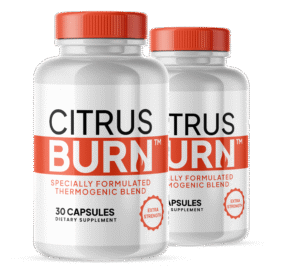
One of the only supplements in the world with a science-backed blend of 7 rare botanicals like Seville Orange Peel, Spanish Apple Vinegar, & Himalayan Ginger…
Scientifically shown to help optimize the body’s natural fat-burning capacity, naturally, even while you sleep.
180-DAY & 100% SATISFACTION Guarantee
What happens when you pair jaggery with a plant-based metabolism booster like CitrusBurn?
When you pair jaggery with a plant-based metabolism booster like CitrusBurn, you create a strategic “metabolic synergy.” Instead of the jaggery working against your weight loss goals, the active ingredients in the supplement help your body process that sugar more efficiently.
Here is how that combination works to tackle stubborn fat:
- Balanced Energy Without the Crash
Jaggery provides a more complex, steady release of energy compared to the “spike and crash” of white sugar. When you combine this with CitrusBurn’s 74% boost in thermogenesis, you’re effectively fueling the fire.
- The Synergy: Jaggery gives your body the initial fuel, while the metabolism booster ensures your internal furnace stays hot enough to burn through those calories (and stored fat) rather than storing them.
- The Berberine & Ginger “Shield”
Two powerhouse ingredients often found in these blends Berberine and Ginger act as a metabolic shield when you consume sweeteners:
- Crushing Cravings: Berberine is often called “nature’s insulin fix.” It helps stabilize blood sugar levels, which prevents the “sugar brain” that makes you want to go back for a second or third piece of jaggery.
- Digestive Heat: Ginger is a natural thermogenic. It works with jaggery’s traditional digestive benefits to ensure your gut is processing food quickly and efficiently.
- Turning “Storage Mode” into “Burn Mode”
The biggest risk of jaggery after age 35 is that it can trigger insulin, which puts your body into “fat storage mode.”
- CitrusBurn’s Role: By supporting fat metabolism, the supplement helps override that storage signal. It encourages the body to keep utilizing fat for fuel even if you’ve had a small amount of sugar.
Jaggery Alone vs Jaggery + CitrusBurn (Combined Impact)
Feature | Jaggery Alone | Jaggery + CitrusBurn | Overall Result |
Energy | Provides quick energy (sucrose + iron) | Boosts thermogenesis (~74%) | Sustained energy without excess fat storage |
Blood Sugar | Can cause spikes | Helps stabilize (berberine support) | Better blood sugar control |
Fat Burning | May be reduced due to insulin spikes | Increased thermogenic activity | More efficient fat burning |
Appetite | Can trigger sugar cravings | Helps control cravings (ginger + berberine) | Reduced cravings and better control |
Metabolism | Supports digestion | Activates brown fat (BAT) | Improved digestion + enhanced metabolism |
Pairing limited jaggery (5–10g/day) with CitrusBurn creates targeted synergy for health enthusiasts over 35 seeking stubborn fat loss.
Jaggery provides modest steady energy and minor digestive support (potassium, enzyme stimulation) from its unrefined minerals, without the rapid crash of refined sugar in small amounts.
“While Jaggery supports digestion, it doesn’t address Fat Oxidation. This is where the ‘Orange Peel Method’ used in CitrusBurn comes in. It uses specific citrus bioflavonoids to help your body use stored fat for energy, essentially ‘canceling out’ the metabolic lag caused by sweets.”
What ingredients are in CitrusBurn?
CitrusBurn adds direct metabolic activation through its 7 plant-based botanicals:
- Seville orange peel (p-synephrine): Increases thermogenesis by up to 74%, enabling higher calorie and fat burn even during rest or sleep. This directly counters thermogenic resistance common after age 35.
- Himalayan ginger + berberine: Reduce cravings by up to 54% and support blood sugar balance, complementing jaggery’s steadier release to minimize insulin spikes and emotional eating.
- Andalusian red pepper (capsaicin): Boosts post-meal calorie burn by ~25% and enhances fat oxidation.
- Ceremonial green tea + apple vinegar: Promote fat oxidation, satiety, and insulin sensitivity, helping offset any minor blood sugar impact from jaggery.
Net outcome:
- Jaggery supplies clean, mineral-supported energy and taste in recipes (e.g., tea or smoothies) without derailing progress when kept minimal.
- CitrusBurn reignites the body’s fat-burning furnace, amplifies calorie expenditure, curbs cravings that jaggery alone cannot fully control, and improves overall energy/satiety.
- Combined: Steady daily energy from jaggery + elevated 24/7 thermogenesis and craving control from CitrusBurn, supporting consistent fat loss without eliminating natural sweeteners or causing jitters.
This pairing works best in a calorie-controlled, protein-rich diet. CitrusBurn is stimulant-free, plant-based, and backed by a 180-day guarantee. Results reported by users include 14–22 lbs lost with sustained energy.
No direct clinical studies exist on this exact combination, but the mechanisms align: jaggery’s minor digestive perks + CitrusBurn’s thermogenic and metabolic support address both sides of the equation for post-35 weight loss.

What Actually Helps with Weight Loss (Beyond Sugar Swaps)
CitrusBurn is not a magic pill. No supplement can make up for a poor diet or a lack of activity. While it can help support and boost a slow metabolism, it works best when combined with the right habits.
Think of it as part of a “triple threat” approach to lasting weight loss.
If you want to see real results and keep the fat off long-term, focus on these three key pillars:
- Balanced Nutrition (The 80/20 Rule)
You don’t need to eat perfectly all the time. The goal is simple: make most of your meals nourishing, filling, and supportive of stable energy levels.
- Make Protein a Priority:
Include protein in every meal—like eggs, chicken, lentils, or tofu. It helps maintain muscle and keeps you fuller for longer. Plus, your body burns more calories digesting protein compared to carbs or fats. - Add Fiber for Fullness:
Vegetables, fruits, and whole grains slow down how quickly sugar is absorbed into your bloodstream (yes, even jaggery). This helps prevent sudden energy crashes and keeps hunger in check. - Don’t Skip Healthy Fats:
Foods like avocado, nuts, and olive oil keep you satisfied and reduce the urge to snack on sugary foods soon after eating.
- Movement That Matters
You don’t need to spend hours in the gym, but regular movement is essential to signal your body to burn energy efficiently.
- Strength Training is Key:
Especially after age 35, building muscle becomes important. Muscle is metabolically active, meaning it burns calories even when you’re resting. - Stay Active Daily:
Something as simple as a 30-minute brisk walk can help lower insulin levels and encourage your body to use stored fat for energy. - Choose Consistency Over Intensity:
Moving your body for 20 minutes every day is far more effective than doing one intense 2-hour workout once a week.
- Smart Metabolic Support
This is where Metabolism Boosting CitrusBurn comes in. It is not a replacement for healthy eating or movement, but a powerful accelerator for your metabolism.
- The “Boost” Effect:
While you’re eating well and staying active, the thermogenic ingredients in CitrusBurn help maximize your calorie burn, giving your efforts a noticeable edge. - Craving Control:
Ingredients like berberine help manage sugar cravings, making it easier to stick to balanced meals and avoid reaching for the jaggery jar when stress hits.
The Big Picture
Weight loss is a marathon, not a sprint. Replacing white sugar for jaggery is a small nutritional upgrade, but real lasting fat loss happens when you combine:
- Nourishing, balanced meals
- Regular, consistent movement
- Metabolic support
Think of it this way: Your diet and exercise are the car and the fuel. A metabolism booster like CitraBurn is the turbo-charge that helps you get to your destination faster and more efficiently.
Question for you:
Are you already following a specific exercise routine, or are you looking for ways to get moving more consistently?
“According to Mayo Clinic and National Institutes of Health, most fat-burning supplements provide modest results unless combined with lifestyle changes.”
How Much Jaggery is Safe Daily While Using Supplements?
If you are using a metabolism booster like CitrusBurn, you can still enjoy jaggery, but but the key is moderation and strategy.
The Daily Limit
Think of jaggery as a replacement for other sugars, not an “extra” treat. Here are the recommended daily limits:
- For Strict Weight Loss: 5–7 grams (about 1 small teaspoon) maximum.
- For Active Individuals: Up to 10 grams (around 2 small teaspoons) if you are exercising regularly and staying in a calorie deficit.
Pro Tip
At these amounts, you still enjoy the taste and trace minerals of jiggery without overloading your body with sugar that can interfere with fat burning.
- The Guilt Free Morning Kickstart (CitrusBurn)
- When: First thing in the morning, either before or with breakfast.
- Why: Taking one capsule with water starts the thermo genesis process early. This sets your body into “burn mode” and allows the craving-control ingredients (like Berberine) to stabilize your blood sugar before the day’s cravings hit.
- The Sweet Spot (Jaggery)
- When: Mid-morning or immediately after lunch.
- Why: By consuming your limited jaggery during your most active hours, you leverage the thermogenic boost from CitrusBurn. Because the supplement is already in your system, your body is better equipped to process that sugar for energy rather than storing it as fat.
Why This Works
By separating your supplement and your jaggery, you create a “metabolic buffer.” The CitrusBurn handles the heavy lifting of managing your insulin response and boosting your calorie burn, while the small amount of jaggery provides a steady energy lift without causing a massive crash later.
Add Orange Peel for Weight Loss: The Jaggery Trick That Supports Fat Burning Naturally
Why the Orange Peel Trick With Jaggery May Help With Weight Loss After 35?
For centuries, jaggery has been valued as an ancient Eastern sweetener. It is the more natural and mineral-rich alternative to refined sugar.
However, when it comes to modern challenges like stubborn fat and age-related weight gain especially after 35, simple ingredient swaps are often not enough. Metabolism tends to slow with age, and managing weight becomes less about just “eating better” and more about supporting how the body processes energy.
This is where growing interest in the so-called “orange peel trick” for weight loss comes in. It reflects a shift toward combining traditional food wisdom with insights from modern metabolic science.
Combining traditional ingredients like jaggery and dried orange peel offer real benefits. Understanding how to use orange peel and jaggery for weight loss naturally at home is a smart starting point. This combination works on multiple levels: it supports digestion, helps curb sugar cravings, and provides steady energy without the rapid spikes associated with refined sugar.
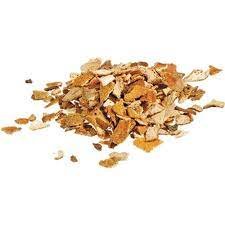
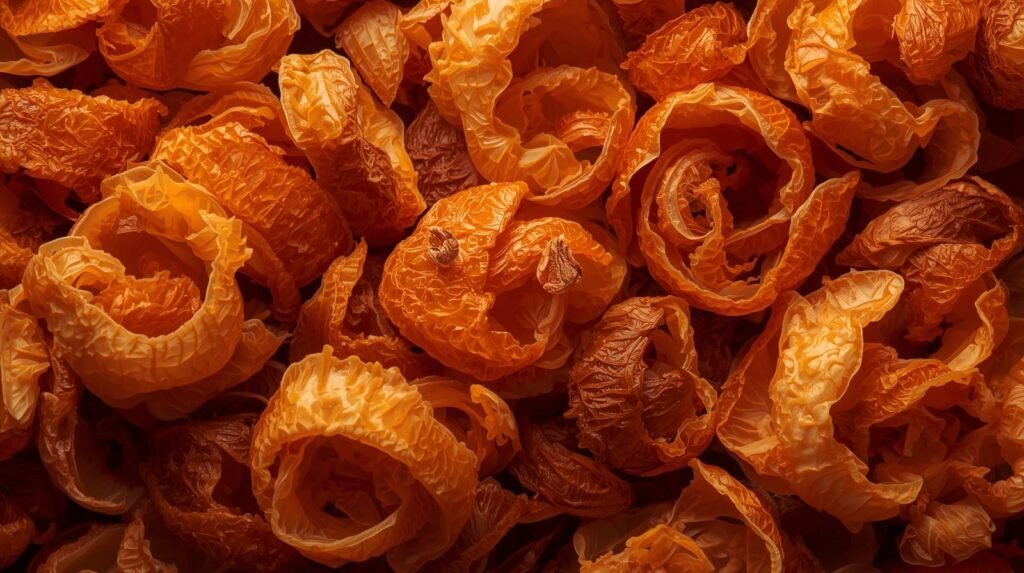
Dried orange peel contains natural plant compounds, including flavonoids, that may help support metabolism and gut health. Jaggery, on the other hand, offers slow-release energy along with small amounts of essential minerals.Together, they create a simple, balanced foundation for healthier daily habits
To take this routine further, pairing it with CitrusBurn (formulated with ingredients like Seville orange peel) can help amplify your results. It delivers concentrated bioactive compounds associated with fat metabolism and energy regulation. This combination supports more efficient fat oxidation while helping you maintain steady energy levels throughout the day, making your weight management approach more targeted and effective.
Ancient Tradition Meets Modern Science
Jaggery and the “Orange Peel Trick” take two very different approaches. One focuses on what you eat, while the other focuses on how your body uses it.
- The East (Jaggery): Focus on Purity
Jaggery is valued for being natural and unrefined. It avoids the processing and chemicals found in white sugar, making it a more traditional and holistic choice. However, it doesn’t directly address issues like a slowing metabolism. - The West (CitrusBurn): Focus on Performance
The “Orange Peel Trick,” which powers CitrusBurn, is based on modern metabolic science. It uses bioactive compounds from citrus peels to support thermogenesis, helping your body burn energy more efficiently.
Jaggery improves the quality of sugar you consume, while CitrusBurn focuses on improving how your body processes and burns that energy.
The “Orange Peel Trick” vs. Ancient Secrets
Feature | Ancient Secrets (Jaggery) | “Orange Peel Trick” (CitrusBurn) |
Approach | Focuses on natural, unrefined ingredients | Focuses on metabolic performance |
Main Goal | Replace refined sugar with a better option | Improve how the body burns and uses energy |
Key Benefit | Contains trace minerals | Supports thermogenesis (calorie burning) |
Impact on Metabolism | Minimal direct effect | Helps boost metabolic efficiency |
Blood Sugar | Still raises blood sugar | Helps support better blood sugar control |
Fat Burning | Does not directly support fat loss | Supports fat-burning processes |
Best Use | Everyday natural sweetener | Metabolic support alongside diet & exercise |
Jaggery improves the quality of sweetness, while the “Orange Peel Trick” improves how your body handles that sweetness.
Why the “Orange Peel Trick” Can Be the Missing Link
The “Orange Peel Trick” focuses on supporting your metabolism in three key ways:
- Overcoming Thermogenic Slowdown
It helps your body work past the natural metabolic slowdown that comes with age, making it easier to burn calories. - Activating Brown Fat
It supports the activation of brown fat—the type of fat that actually burns energy to produce heat, rather than storing it. - Creating an East–West Balance
When you combine the natural sweetness of jaggery with modern citrus-based metabolic support, you’re improving both the quality of your energy and how your body uses that energy.💡 Pro-Tip for Weight Loss Seekers
While Jaggery is a healthier sweetener, it doesn’t actively burn fat. If you are using Jaggery as part of a weight loss journey, pairing it with a Metabolic Activator like CitrusBurn can help your body process carbohydrates more efficiently and target stubborn fat.
Does jaggery expire, and how long does it last?
Jaggery does go bad. Jaggery and jaggery powder shelf life is much longer than refined sugar because of its high natural sugar content. However, it also contains minerals and moisture, which means it can spoil if not stored properly.
Shelf Life of Pure Jaggery (By Form)
Solid Block Jaggery
- Unopened Jaggery Shelf Life: 2–3 years
- Opened / Cut Block Jaggery expiry period: 12–18 months
- Notes: Blocks last longest because they have low surface exposure.
Jaggery Powder Shelf Life
- Unopened: 12–18 months
- Opened: 6–9 months
- Notes: Powder absorbs moisture quickly and spoils faster.
Palm Jaggery / Liquid Jaggery (Nolen Gur)
- Palm Jaggery: 6–12 months
- Liquid Jaggery: 3–6 months (must be refrigerated)
- Notes: Higher moisture → quicker fermentation.
Does Old Jaggery Become Unsafe?
Pure jaggery does not become toxic with age, but it loses flavour, darkens, and may harden. A clean, dry block without mold or smell is usually safe even after 2–3 years.
How To Know If Jaggery Is Spoiled
Spoil Jaggery Signs — When to Throw Jaggery Out
Discard jaggery immediately if you notice:
- White or green fuzzy mold
(Don’t confuse salt crystals with mold. Mold looks fuzzy; crystals look like grains.) - Sour or fermented smell
Indicates yeast or microbial activity. - Slimy, wet, or mushy surface
Means moisture exposure and microbial growth. - Unusual discoloration
Very pale (bleached chemicals) or black patches (spoilage). - Insect infestation
Ants, beetles, or worms.
How do you store jaggery for maximum freshness?
Proper storage is essential because jaggery is hygroscopic, means it naturally absorbs moisture and can develop mold, turn sticky, or ferment if stored incorrectly. Here are the best, safest, and most effective ways to store jaggery for long-term freshness.
1. Best Overall Storage Rules (All Types)
- Store jaggery in a 100% airtight container (glass or stainless steel is best).
- Ensure the container is dry before use.
- Keep it in a cool, dry, dark cupboard away from heat, sunlight, and humidity.
- Always use a dry spoon. Even one drop of water can cause mold.
- Never store jaggery near the stove, dishwasher, or kettle (heat + steam = spoilage).
- Do not mix old and new jaggery in the same container.
2. How to Store Jaggery Based on Its Form
A. Solid Jaggery Blocks (Longest Shelf Life: 1–2 years)
This is the most stable form of jaggery.
Best Method:
- Break large blocks into smaller pieces (so you don’t repeatedly expose the whole block to air).
- Wrap each piece in parchment/butter paper or clean dry cloth.
- Place wrapped pieces in an airtight glass or metal jar.
- Store in a cool, dry cupboard below 25°C.
Humidity Control Tips:
- Add 1 silica gel packet or 5–6 whole cloves inside the jar.
- Optional: line the jar with a dry paper towel to absorb moisture.
Avoid: Refrigeration as it creates condensation when opened, which leads to mold.
B. Jaggery Powder (Most Sensitive; Shelf Life: 6–12 months)
Powder absorbs moisture fastest and becomes sticky or lumpy.
Best Method:
- Store in a tightly sealed glass jar with minimum air space.
- In humid climates, refrigerate the powder (inside an airtight jar) to prevent clumping and mold.
Extra protection:
- Add a small food-safe silica gel sachet inside the jar.
Avoid:
- Leaving it in its original packet (too much air exposure).
- Storing it near heat sources.
C. Liquid Jaggery / Nolen Gur (Highly Perishable; Shelf Life: 3–6 months)
This form contains water and spoils quickly.
Storage Method:
- Mandatory refrigeration after purchase or opening.
- Keep tightly sealed to prevent fermentation.
- Store at the back of the fridge (colder and more stable).
Throw away if it smells sour, alcoholic, or vinegary.
3. Advanced Long-Term Storage Options
Vacuum Sealing
Highly effective for solid jaggery blocks in humid regions.
- Removes air → drastically reduces mold risk.
- Extends shelf life up to 2–3 years.
Traditional Leaf Wrapping (Organic Method)
- Wrap blocks in dry banana leaves, areca leaves, or butter paper,
- Then store in a sealed container.
These natural wrappings allow gentle airflow while blocking moisture.
4. What Not to Do (Common Mistakes)
- Do not refrigerate solid jaggery blocks, they may sweat and mold.
- Do not freeze jiggery, it alters texture and causes condensation.
- Do not store jaggery in open containers.
- Do not use wet hands or wet spoons.
- Do not expose to alternating warm and cold temperatures.
- Do not keep jaggery near onions, spices, or strong-smelling foods (absorbs odours).
5. If Jaggery Hardens
This is not spoilage.
Soften it safely by:
- microwaving for 10–15 seconds, or
- placing the jar in warm (not hot) sunlight for a few minutes.
Where to Buy Best Authentic Jaggery ?
If you are wondering where to buy organic Jaggery, the easiest and most reliable option is to buy online from Amazon Availability has made this wonderful product accessible to across the United States and around the globe.
Related Posts You May Want to Read
Seville Orange Peel for Weight Loss: Benefits, Dosage, Safety, and Science Explained
15 Magnesium-Rich Herbs and Spices: Are You Getting Enough?
7 Proven Health Benefits of Dried Orange Peel That Will Surprise You
Top 7 Reasons You Should Dry Lemons at Home | Leena Spices
How Dried Seville Orange Peel May Support Weight Loss Naturally
What Is Dried Orange Peel and 5 Health Benefits You Should Know
Easy, step-by-step instructions for creating your own spice blends from home.More than 200 spices from around the world

Medical Disclaimer:
The information provided in this article is for educational and informational purposes only and is not intended as medical advice. While Jaggery has been associated with health benefits, it should not be used as a substitute for professional medical care, diagnosis, or treatment. Always consult a qualified healthcare provider before starting any new dietary supplement, herbal remedy, or wellness routine, especially if you have underlying health conditions, are pregnant or breastfeeding, or are taking prescription medications.
Disclosure note
We work hard to write and get quality content to reach you. We are not paid anything in return. We are happy to pay for this website and domain to keep the community going.
We run ads on our site to make a few cents a month, and the more people that see our content, the more likely someone is to engage with the ads on our site. We may earn a small affiliate commission from purchases. Please visit our disclaimer page here https://leenaspices.co.nz/disclaimer/
Here are a few ways that you can support the community. It is so simple, easy and free!
Engage with us on social media and share our content with your family and friends. This will help our blog to grow.
Please follow us here on: Facebook
FAQs
Is jaggery better than sugar for health?
Jaggery retains natural minerals and antioxidants removed in refined sugar, giving it slight nutritional benefits. It may support digestion, provide iron, and reduce water retention, but it is still high in calories and should be consumed in moderation.
Can jaggery be used in diabetic-friendly diets?
Jaggery causes slower blood sugar spikes than white sugar due to its complex composition, but it is not sugar-free. Diabetics should consult their doctor and use very small amounts if including jaggery in their diet.
How is palm jaggery different from sugarcane jaggery?
Palm jaggery is darker, richer in minerals, and has a slightly stronger earthy flavor. Sugarcane jaggery is golden to dark brown, milder in taste, and more commonly used in Indian cooking and sweets.
Why does jaggery sometimes have white spots?
White spots may be molasses crystallization, which is safe, or chalk/sugar adulteration, which is not. Always perform a water or burn test to check purity.
Can jaggery be stored in the refrigerator?
Solid blocks should generally be stored in a cool, dry pantry to avoid condensation. Powdered jaggery in humid climates and liquid jaggery (Nolen Gur) should be refrigerated to prevent spoilage.
How do I soften hardened jaggery?
Hardened jaggery can be softened by microwaving 10–15 seconds, or briefly warming in a dry, warm spot. Never expose it to moisture, as this encourages mold growth.
Does jaggery ferment over time?
Yes, especially liquid jaggery or jaggery exposed to moisture. Fermentation produces a sour or alcoholic smell, signaling it is no longer safe to consume.
Can I use jaggery for modern recipes like smoothies and baking?
Absolutely. Jaggery powder or syrup can replace sugar in cakes, cookies, muffins, smoothies, oatmeal, and sauces. Adjust liquids slightly in baking as jaggery adds moisture.
Are there traditional medicinal uses for jaggery?
Yes, in Ayurveda, jaggery is used to aid digestion, improve immunity, relieve constipation, and detoxify the body. Its mineral content, especially iron, supports general wellness.
How do I prevent jaggery from sticking or melting during storage?
Store in airtight, dry containers, wrap blocks in parchment or butter paper, avoid heat sources, and use silica gel or cloves in humid climates. Powdered jaggery should be tightly sealed, and liquid jaggery refrigerated.