What Is Turkish Spice Blend? Ingredients, Recipe & How to Make It at Home
Table of Contents
- Key Takeaways
- What Is Turkish Spice Blend Made Of?
- Flavor Profile of Turkish Spice Blend
- Why Turkish Spice Blend Is a Favorite in Kitchens Worldwide?
- Where can I buy Turkish spice blend?
- How do you make Turkish spice blend at home?
- Why Homemade Turkish Spice Blend Is Better Than Store-Bought?
- What Dishes Use Turkish Seasoning?
- FAQs
Key Takeaways
What is Turkish spice blend?
Turkish spice blend is a warm, aromatic seasoning made from cumin, paprika, garlic, herbs, and whole spices, used widely in Turkish and Mediterranean cooking for meats, vegetables, rice, and stews.
What are the main ingredients in Turkish spice blend?
A traditional Turkish spice blend includes allspice, black pepper, cilantro, cinnamon, cloves, cumin, garlic powder, mint, oregano, and paprika for balanced warmth, savoriness, and aroma.
Can you make Turkish spice blend at home?
Yes. Homemade Turkish spice blend is easy to prepare using basic pantry spices. It offers better freshness, no additives, and full control over flavor strength.
What does Turkish spice blend taste like?
It tastes warm, mildly sweet, savory, slightly smoky, and herb-forward without overpowering or overly spicy flavor.
What dishes commonly use Turkish spice blend?
It is widely used in kebabs, rice pilaf, stews, grilled meats, roasted vegetables, soups, dips, and flatbreads like Lahmacun and Köfte.
Is Turkish spice blend good for vegetarian and vegan cooking?
Yes. Turkish spice blend works exceptionally well in lentil dishes, chickpea stews, vegetable casseroles, bulgur pilaf, tofu, roasted vegetables, and vegan meze dishes.
Is Turkish spice blend spicy?
Most Turkish spice blends are mild to medium in heat. The focus is on aroma and depth rather than strong chili heat.
How long does homemade Turkish spice blend last?
When stored in an airtight container away from heat and light, it stays fresh for up to 6 months with full aroma.
Can Turkish spice blend be used outside Turkish cuisine?
Yes. It works beautifully in Mediterranean, Middle Eastern, Indian fusion, Western grilled foods, roasted vegetables, pasta, and rice-based dishes.
Why is Turkish spice blend so popular with home cooks and chefs?
Because it is versatile, balanced, family-friendly, vegetarian-friendly, and suitable for grilling, roasting, stewing, baking, and marinades.

Watch the Video
⚡️The Ultimate Keto Meal Plan⚡️
What Is Turkish Spice Blend Made Of?
A Turkish spice blend is a beautifully balanced mix of warm, earthy, herby, and mildly sweet flavors. It reflects the richness of Turkish and Middle Eastern cooking, where spices are used to enhance food without overpowering it. While exact recipes vary by region and household, a traditional Turkish-style blend typically includes the following core ingredients:
Allspice
allspice adds a gentle warmth that tastes like a natural fusion of cinnamon, clove, and nutmeg. It brings depth and roundness to the blend.
Black Pepper
Black pepper delivers sharp heat and enhances the absorption of other spice flavors, making the entire blend taste more vibrant.
Cilantro (Coriander Leaves or Seeds)
Cilantro contributes a fresh, citrusy note that brightens heavier spices and adds aromatic freshness.
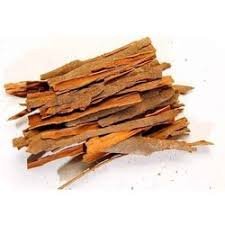
Cinnamon Quill
Whole cinnamon quill gives a subtle natural sweetness and warm aroma without making the blend taste sugary or dessert-like.
Cloves
Cloves provide intense warmth and slightly bitter-sweet spice notes, used sparingly for balance and complexity.
Cumin (Coarsely Ground)
cumin is the backbone of many Turkish seasoning blends. Coarse grinding keeps the earthy flavor bold and textured.
Garlic Powder
Garlic powder adds savory depth and umami without moisture, making the blend shelf-stable and versatile.
Mint
Dried mint introduces a cool, refreshing contrast that keeps the blend from feeling heavy—especially important in meat dishes and grilled foods.
Oregano
Oregano adds a slightly bitter, herbal sharpness that ties together meats, vegetables, and sauces beautifully.
Paprika
paprika delivers color, mild sweetness, and gentle warmth. Depending on the type used, it can range from sweet to smoky.
Flavor Profile of Turkish Spice Blend
Turkish spice blend is a harmonious mix of warm, savory, and aromatic flavors that adds depth and complexity to any dish. Each spice contributes its own unique note:
- Warm and earthy: Cumin, allspice, and cloves provide a comforting, aromatic base that lingers on the palate.
- Fresh and herbal: Mint, oregano, and cilantro add a bright, green freshness that balances the richness of other spices.
- Savory: Garlic delivers a subtle punch of umami that enhances every ingredient it touches.
- Mildly sweet and smoky: Paprika and cinnamon introduce gentle sweetness with a hint of smokiness, rounding out the blend perfectly.
The result is an all-purpose seasoning that works beautifully across a wide range of dishes. From grilled meats and kebabs to roasted vegetables, rice and pilaf, lentil soups, stews, and even roasted potatoes.
Why Turkish Spice Blend Is a Favorite in Kitchens Worldwide?
Turkish spice blend have become a staple in kitchens around the world because of their perfect balance, versatility and aromatic charm.
- Aromatic Without Excess Heat: The blend fills your kitchen with rich, inviting aromas without overwhelming heat, making it perfect for family-friendly cooking and dishes where subtlety matters.
- Balanced Flavor: Each spice in the blend plays its part, creating a layered, harmonious taste. It enhances rather than dominates your dishes.
- Versatile: From grilled meats and seafood to vegetarian and vegan dishes, Turkish spice blend fits seamlessly into a wide variety of recipes. It works beautifully in kebabs, stews, roasted vegetables, pilafs, and soups, or in any other meal.
- Digestive-Friendly: Many ingredients, like cumin, coriander, and mint, support healthy digestion. This means you can enjoy flavorful meals that are gentle on the stomach.
This combination of flavor, aroma, and versatility is why Turkish spice blends remain a staple in both home kitchens and professional cooking.
Where can I buy Turkish spice blend?
You can buy Pure and Authentic Turkish Spices From Amazon
You’ll find several reputable brands offering pre-made blends in both small jars and bulk packs.
CLICK HERE
How do you make Turkish spice blend at home?
How to Make Turkish Spice Blend at Home (Perfectly Balanced & Aromatic)
Making your own Turkish spice blend at home is one of the easiest ways to upgrade your everyday cooking. You get maximum aroma, clean ingredients, zero additives, and full control over flavor strength. This homemade blend delivers the exact warm, herby, and savory depth Turkish cuisine is famous for.
Ingredients for Homemade Turkish Spice Blend
- allspice – 11 g
- Black pepper – 1 g
- Cilantro (dried) – 3 g
- Cinnamon quill – 15 g
- Cloves – 5 g
- cumin (coarsely ground) – 8 g
- Garlic powder – 15 g
- Mint (dried) – 11 g
- Oregano (dried) – 11 g
- paprika – 20 g
Step-by-Step Method to Make Turkish Spice Blend
Dry Roast Whole Spices For Maximum Aroma
To get the full depth and fragrance from your Turkish spice blend, it is important to lightly dry roast the whole spices before grinding or mixing. This step unlocks the essential oils, intensifying flavor and aroma.
Spices to Dry Roast:
- Allspice
- Cinnamon quill
- Cloves
- Black pepper
How to Dry Roast:
- Use a heavy-bottomed pan over low heat.
- Add the spices and stir continuously for 30–60 seconds, just until the aroma is released. Avoid over-roasting, as this can make the spices bitter.
- Remove from heat and let the spices cool completely before grinding or mixing into your blend.
This simple step transforms your Turkish spice blend, giving it a richer, warmer, and more aromatic flavor that enhances meats, vegetables, stews, and rice dishes.
Grind to a Fine or Rustic Texture
Once the roasted spices have cooled completely, it’s time to grind them into a powder. You can use either:
- A spice grinder for a fine, even texture, or
- A traditional mortar and pestle for a more rustic, handcrafted finish.
For authentic character and better mouthfeel, keep the cumin slightly coarse instead of grinding it fully smooth. This adds subtle texture and depth to the final Turkish spice blend.
Combine With Dried Herbs & Powders
Transfer the freshly ground spices into a clean, dry mixing bowl. Now add the remaining ingredients:
- Garlic powder
- Paprika
- Dried mint
- Dried oregano
- Dried cilantro
Using a spoon or whisk, mix thoroughly until everything is evenly combined. Take a moment to break up any clumps so the blend is uniform. This step ensures that every spoonful delivers a perfectly balanced flavor.
Store Properly for Long Shelf Life
Once your Turkish spice blend is fully mixed, transfer it into a clean, airtight glass jar. Glass is ideal because it doesn’t absorb odors and helps preserve the true aroma of the spices.
Store the jar in a cool, dry place, away from:
- Direct sunlight
- Heat from the stove
- Moisture and humidity
When stored correctly, your homemade Turkish spice blend will retain its full flavor, color, and aroma for up to 6 months. For best results, always use a dry spoon when scooping to prevent moisture from entering the jar.
Why Homemade Turkish Spice Blend Is Better Than Store-Bought?
Making your own Turkish spice blend at home gives you a level of quality and control that store-bought versions simply can’t match.
No Fillers or Artificial Additives:
Homemade blends contain only real spiceswith no hidden fillers, preservatives, or anti-caking agents. These are often added to commercial products.
Custom Strength and Freshness:
You control the intensity. Want it bolder? Add more cumin. Prefer it milder? Adjust the pepper and cloves. Plus, freshly ground spices always deliver brighter flavor and aroma.
Stronger Aroma and Cleaner Taste:
Because your spices are fresh and properly roasted, the fragrance is richer and the taste is more vibrant than commercially made spice brands.
Higher Antioxidant Value:
Freshly prepared spice blends retain more natural antioxidants, which support overall wellness and add functional value beyond flavor.
Perfect for Salt-Free and Additive-Free Cooking:
Homemade blends allow you to cook without added salt, preservatives, or flavor enhancers.
Related Posts You May Want to Read
7 Best Ways Aleppo Pepper Can Transform Your Cooking
Learn How to Make Baharat Spice Blend at Home: Simple Recipe and Cooking Tips
⚱️ What is Advieh? Persian Spice Blend and How to Make It at Home
What Is Lebanese Spice Blend? How to Make, Use & Store This Middle Eastern Seasoning at Home


What Dishes Use Turkish Seasoning?
Kebabs & Grilled Meats (Most Classic Use)
- Adana kebab – bold, spicy minced lamb skewers
- Chicken şiş – juicy skewered chicken
- Lamb şiş – tender lamb cubes cooked over flame
- Döner-style grilled meats
- Kofta-style spiced meat patties
- Lamb chops and grilled chicken thighs
- Grilled fish such as sea bass and mackerel
Köfte (Turkish Meatballs & Patties)
- Warm, comforting depth from spices like cumin and allspice
- Garlic-forward savoriness that makes the meat rich and crave-worthy
- A fresh herbal lift from mint, oregano, and cilantro that balances the richness
- Pan-fried köfte – crispy on the outside, juicy on the inside
- Sulu köfte – tender meatballs gently simmered in a light tomato-based sauce
Flatbreads & Turkish “Pizzas”
- Pide – the famous boat-shaped flatbread filled with spiced meat, cheese, or vegetables
- Bazlama – a soft pan bread often topped with spiced spreads or minced mixtures before grilling
Rice, Bulgur & Grain Dishes
- Rice pilaf – simple yet aromatic, where the spices enhance every fluffy grain
- Bulgur pilaf – nutty, hearty, and deeply flavorful with just a hint of warmth
- Etli pilav – a comforting one-pot dish where the seasoning infuses both the rice and the meat
- Mercimek köftesi – spiced red lentil and bulgur patties where the blend provides its signature savory-herbal character
Stews, Casseroles & One-Pot Dishes
- Chickpea and potato stew – hearty, filling, and warmly spiced
- Lentil and vegetable güveç – a classic slow-baked vegetable casserole with layered depth
- Sucuk güveç – a bold, tomato-based bake with spicy Turkish sausage
- Lamb and tomato casserole – rich, comforting, and deeply aromatic
Vegetable & Vegan Dishes
- Roasted eggplant, zucchini, peppers, and tomatoes – simple vegetables transformed with warmth and aroma
- Karniyarik – tender eggplant stuffed with spiced vegetables
- Patlıcan kebabı – smoky, grilled eggplant seasoned to perfection
- Roasted cauliflower and crispy chickpeas – ideal for healthy snacks or protein-rich vegan meals
- Braised tofu and stuffed bell peppers – comforting, protein-packed plant-based mains
Soups
- Mercimek Çorbası – a classic red lentil soup with silky texture and warming spice
- Pumpkin soup – the blend enhances sweetness while adding earthy depth
- Tomato soup – rounds out sharp acidity and boosts aroma
- Ezogelin Soup – a heartier lentil soup with rice, herbs, and layered spice
Dips, Meze & Yogurt Sauces
- Cacık – a cooling yogurt dip with cucumber and garlic, lifted by gentle spice
- Haydari – a rich, thick yogurt dip with herbs and cheese
- Hummus – the blend adds warmth and depth to classic chickpea hummus
- Ezme – a bold, zesty tomato and chili salad with intense aroma
- Baba Ganoush – enhances the natural smokiness of roasted eggplant
Breakfast & Egg Dishes
- Menemen – soft scrambled eggs cooked with tomatoes, peppers, and aromatic spices
- Omelets – a pinch of the blend adds instant warmth and complexity
- Shakshuka – eggs poached in a richly spiced tomato and pepper sauce
Wraps, Dürüm & Marinades
- Shawarma–style wraps – adds signature warmth and aroma to grilled meats and vegetables
- Dürüm rolls – thin flatbread wrapped around spiced meats, salads, and sauces
- Yogurt-based marinades for chicken, lamb, beef, and fish, the spices infuse flavor while yogurt tenderizes the protein
- Flavor-building – infuses meat or vegetables with warm, savory complexity
- Tenderizing – especially when paired with yogurt, lemon juice, or olive oil
FAQs
Is Turkish spice blend the same as Baharat?
Not exactly. Turkish spice blend and Baharat are closely related, but Baharat often contains additional spices like nutmeg or cardamom. Turkish blends are usually more herb-forward and milder.
Can Turkish spice blend be used for Indian or Asian cooking?
Yes. Turkish spice blend works beautifully in Indian-style lentils, grilled vegetables, rice dishes, and fusion marinades because it uses familiar spices like cumin, garlic, and paprika.
Does Turkish spice blend contain chili or heat?
Most traditional Turkish spice blends are mild to medium in heat. Any spiciness usually comes from paprika rather than hot chili, making it family-friendly.
Can Turkish spice blend be added directly to oil while cooking?
Yes. Adding it to warm olive oil at the start of cooking helps bloom the spices and release deeper aromas, especially for stews, soups, and vegetable sautés.
Is Turkish spice blend suitable for low-sodium diets?
Yes. Turkish spice blend is naturally salt-free unless salt is added separately. This makes it ideal for heart-conscious and low-sodium cooking.
Can I use Turkish spice blend as a dry rub?
Absolutely. It works exceptionally well as a dry rub for:
- Chicken breasts and thighs
- Lamb chops
- Grilled fish
- Roasted vegetables and tofu
What is the best oil to use with Turkish spice blend?
Olive oil is the most traditional pairing, but avocado oil, sunflower oil, and grapeseed oil also work well, especially for high-heat roasting.
Can Turkish spice blend be used in plant-based protein dishes?
Yes. It works excellently with:
- Tofu
- Tempeh
- Lentil patties
- Chickpea burgers
- Mushroom-based meat alternatives
How much Turkish spice blend should I use per serving?
Start with:
- ½ to 1 teaspoon per serving for vegetables, rice, and lentils
- 1 to 2 teaspoons per 500 g protein for marinades and grills
Adjust based on personal taste.