What Is Chaat Masala and How Do You Use It in Food, Fruits, and Drinks?
Table of Contents
- Key Takeaways
- What Is Chaat Masala?
- Who Invented Chaat Masala?
- What Does Chaat Masala Taste Like?
- What Is Chaat Masala Made Of?
- Is Chaat Masala Healthy or Bad for You?
- How to Make Chaat Masala at Home
- Is Chaat Masala Gluten-Free?
- What Is Chaat Masala Used For?
- FAQs About Using Chaat Masala
Key Takeaways
What is chaat masala?
Chaat masala is a tangy, salty, and mildly spicy Indian spice blend. Made from amchoor (dried mango powder), black salt, cumin, coriander, chili, and other spices, it’s primarily used as a finishing spice to add vibrant flavor to street foods, fruits, salads, and drinks.
Where did chaat masala originate?
Chaat masala evolved from North Indian street food traditions, particularly in regions like Uttar Pradesh, Gujarat, and Punjab. Its creation is collective and historical, rather than attributed to a single inventor, and was refined over centuries in royal kitchens and bustling markets.
What does chaat masala taste like?
It delivers a complex flavor profile tangy from dried mango powder, salty and funky from black salt, aromatic from cumin and coriander, with subtle warmth from chili and black pepper. This combination hits all five basic tastes: sour, salty, umami, spicy, and slightly bitter.
Is chaat masala healthy?
In moderation, yes. It’s low in calories, rich in antioxidants, and aids digestion. The main caution is its sodium content, especially from black salt or commercial blends, which can impact blood pressure if overused.
How is chaat masala used in food and drinks?
It’s a versatile finishing spice:
- Street food: Bhel puri, papdi chaat, aloo chaat, sev puri
- Fruits and salads: Mango, pineapple, watermelon, cucumber
- Drinks: Nimbu pani, chaas, jaljeera
- Modern/fusion: Popcorn, fries, avocado toast, grilled paneer or chicken
Is chaat masala gluten-free?
Yes, when made from pure spices. The only potential gluten source is asafoetida (hing), which is often mixed with wheat flour in commercial blends. Always check labels or make your own for 100% gluten-free control.
Can I cook with chaat masala?
It’s best used after cooking as a finishing touch. Heat can dull its tangy and aromatic flavors, so sprinkle it just before serving for maximum impact.
Can I make chaat masala at home?
A: Absolutely. Combining cumin, coriander, carom seeds, black pepper, black salt, amchoor, ginger, mint, paprika, and pomegranate seeds creates an authentic, fresh, and customizable blend that’s healthier than most store-bought options.
What Is Chaat Masala?
Chaat Masala is a distinctive Indian spice blend celebrated for its lively mix of tangy, salty, spicy, and slightly sweet flavors. Originating from the Indian subcontinent, this seasoning is a cornerstone of street food culture and a favorite in home kitchens across South Asia.
At its heart, chaat masala is crafted from a combination of dried mango powder (amchur), black salt (kala namak), cumin, coriander, black pepper, and chili powder. Each ingredient plays a specific role for eg; amchur adds tartness, kala namak delivers a unique sulfurous depth, and the warm spices create balance and aroma.
Traditionally, chaat masala is used as a finishing spice, sprinkled over a variety of foods to instantly brighten their flavor. It gives a signature zest to Indian street snacks known as chaat, but it’s also popular on fruits, salads, roasted nuts, yogurt dishes, and even refreshing drinks like lemonade or buttermilk.
Who Invented Chaat Masala?
There is no single inventor of chaat masala. Like many traditional Indian spice blends, its origins are deeply rooted in the culinary evolution of the Indian subcontinent, particularly in northern India with the regions such as Uttar Pradesh, Delhi, Punjab, Gujarat, and Rajasthan. Rather than being the creation of one individual, chaat masala emerged collectively through centuries of experimentation by street vendors, royal chefs, and home cooks.
Historical Roots
The concept of chaat — meaning “to lick” — dates back more than 2,000 years, with early references to tangy, digestive snacks like dahi vada appearing in Vedic texts and the Mahabharata era. By the Mughal period (16th–17th century), the royal kitchens of North India had begun refining and organizing these tangy, spiced dishes into what became known as chaat. It is believed that cooks in Emperor Shah Jahan’s court experimented with adding amchoor (dried mango powder) and kala namak (black salt) to make foods more flavorful and digestive.
Evolution Through Regions and Generations
Over time, regional variations emerged. Vendors and families across India adjusted the recipe to suit local palates by adding more chili for heat in the north, or extra coriander and ginger in western regions. This led to offshoots like fruit chaat masala, a slightly sweeter, zestier version used on fresh produce and salads.
In the 20th century, commercial spice makers began packaging chaat masala for retail sale, standardizing the blend for wider use. However, even today, many Indian households and street vendors continue to guard their own versions, preserving unique flavor balances passed down through generations.
What Does Chaat Masala Taste Like?
The Flavor Profile of Chaat Masala
| Taste Element | Description | Key Ingredients |
| Tangy / Sour | Bright, tart, mouth-puckering acidity that instantly livens up food | Dried mango powder (amchoor), dried pomegranate seeds |
| Salty / Umami | Deep mineral saltiness with a hint of funk and sulfur aroma | Black salt (kala namak) |
| Spicy / Warm | Gentle heat that builds softly without overpowering | Chili powder, black pepper |
| Earthy / Aromatic | Toasted, grounded warmth with a nutty undertone | Roasted cumin, coriander, ginger powder |
| Refreshing / Bright | Clean lift that balances the heaviness of fried foods | Dried mint, a touch of citric acid or hing (asafoetida) |
How It Feels on the Palate
- First hit: A burst of sour and salty — like squeezing lime over crisp fries.
- Mid-palate: Warm, roasted spices unfold with depth and complexity.
- Finish: A mild tingle of heat lingers, making you crave another bite.
What Makes Chaat Masala Unique
Unlike curry powders or garam masala, chaat masala is used as a finishing spice, not during cooking. A light sprinkle on fruits, salads, fried snacks, yogurt, or drinks instantly adds a zesty, lip-smacking kick.Think of it as a flavor enhancer, appetite awakener, and conversation starter all packed into a pinch of powder. The combination of amchoor’s tang and kala namak’s funk sets chaat masala apart from any other spice blend in the world, making it a true icon of Indian flavor innovation.What Is Chaat Masala Made Of?
Chaat masala is a unique Indian spice blend made from a carefully balanced mix of tangy, salty, spicy, and aromatic ingredients. Each component contributes a distinct taste and aroma, creating the lively, mouth-watering flavor that defines Indian street food.
While recipes vary by region and household, the traditional chaat masala mix usually includes the following key spices and herbs:
- Asafoetida (Hing): Adds a sharp, savory depth with a hint of bitterness, enhancing the overall umami character.
- Black Pepper: Contributes mild heat and a warm, woody spice that balances the tanginess.
- Black Salt (Kala Namak): Provides the signature sulfurous, egg-like aroma and deep, mineral saltiness that make chaat masala so distinctive.
- Carom Seeds (Ajwain): Offer a subtle bitterness and a digestive quality that complements fried or heavy foods.
- Cilantro (Coriander Leaves) and Coriander Seeds: Bring a fresh, citrusy note and gentle warmth to the blend.
- Cumin: Gives an earthy, toasty aroma that grounds the brighter flavors.
- Ginger Powder: Adds gentle heat with a slightly sweet-spicy bite.
- Mint (Dried): Lends a cool, refreshing lift that balances the stronger spices.
- Mango Powder (Amchoor): The main source of tanginess, providing a fruity, lemon-like acidity.
- Paprika: Adds mild heat and a vibrant reddish hue.
- Pomegranate Seeds (Anardana): Contribute a sweet-tart depth that enhances the overall sour-salty harmony.
Is Chaat Masala Healthy or Bad for You?
Chaat masala can be a healthy addition to your diet when used in moderation. But like many spice blends, it depends on how much you use and what it’s made of. Naturally, it’s a low-calorie, nutrient-rich seasoning with digestive and antioxidant benefits. However, commercial varieties may contain high sodium levels or additives, which can make them less healthy when overused.
Nutritional Overview: The Healthy and the Harmful
Aspect | Health Benefits | Potential Risks | Verdict |
Calories | Less than 5 kcal per teaspoon; adds flavor without fat or sugar | — | ✅ Excellent – virtually calorie-free |
Sodium | Contains trace minerals from black salt and iodine from table salt | 300–600 mg sodium per tsp (up to 30% of daily limit) | ⚠️ High – limit use if hypertensive |
Antioxidants | Amchoor, cumin, and coriander provide polyphenols that fight inflammation | — | ✅ Good – natural source of antioxidants |
Digestion | Carminative spices like cumin, ajwain, and ginger ease bloating and improve gut motility | Asafoetida may cause gas in sensitive people | ✅ Generally beneficial |
Sulfur Compounds | Black salt may support digestion and act as a mild laxative | Excess may cause nausea or odor discomfort | ⚖️ Neutral – safe in small doses |
Acidity | Amchoor (vitamin C) boosts iron absorption | Overuse can irritate acid reflux or erode tooth enamel | ⚠️ Use sparingly if acid-sensitive |
Additives (in commercial brands) | — | Some contain MSG, anti-caking agents, or artificial colors | ❌ Avoid low-quality packaged blends |
Who Should Be Careful
Group | Risk | Recommendation |
High blood pressure or heart patients | Excess sodium intake | Choose homemade or low-salt blends |
Kidney disease patients | Sodium and potassium load | Avoid or consult a healthcare professional |
GERD or ulcer sufferers | Sour and spicy ingredients may trigger symptoms | Reduce or skip amchoor and chili |
Pregnant women | Generally safe when hygienically prepared | Use moderate amounts and avoid unbranded mixes |
How to Make Chaat Masala at Home
Making chaat masala at home is simple, healthy, and far more flavorful than store-bought blends. A homemade version lets you control the salt level, freshness, and spice balance, ensuring you get that perfect chatpata (tangy and spicy) kick without excess sodium or additives.
Ingredients (for about 100 g of Chaat Masala)
- Asafoetida (Hing) – 1 g
- Black Pepper – 1 g
- Black Salt (Kala Namak) – 4 g
- Carom Seeds (Ajwain) – 7 g
- Cilantro (Dried Coriander Leaves) – 7 g
- Coriander Seeds – 15 g
- Cumin Seeds – 17 g
- Ginger Powder – 9 g
- Dried Mint Leaves – 7 g
- Dried Mango Powder (Amchoor) – 15 g
- Paprika – 7 g
- Dried Pomegranate Seeds (Anardana) – 10 g
Method
- Dry Roast the Whole Spices
Heat a heavy-bottomed pan over low heat. Add the cumin, coriander, carom seeds, and black pepper. Roast gently for 2–3 minutes until fragrant. Do not let them burn. This step enhances aroma and flavor. - Cool and Grind
Allow the roasted spices to cool completely. Then grind them into a fine powder using a spice grinder or mortar and pestle. - Add Remaining Ingredients
Mix in the ginger powder, asafoetida, mint, cilantro, paprika, amchoor, black salt, and pomegranate seed powder. Stir well to ensure even blending. - Store Properly
Transfer the finished masala to an airtight glass jar. Keep it in a cool, dry place away from sunlight. When stored properly, the blend remains fresh and aromatic for up to 3 months.
Tips for the Best Flavor
- Adjust salt levels to taste . You can reduce kala namak if you prefer a lower-sodium version.
- For extra tang, add a small pinch of citric acid or more amchoor.
- Always use freshly ground spices; pre-powdered versions lose aroma quickly.
- To refresh older chaat masala, lightly dry roast it for 30 seconds before use.
Watch the Video
⚡️The Ultimate Keto Meal Plan⚡️
Is Chaat Masala Gluten-Free?
| Ingredient | Gluten-Free? | Notes |
| Cumin seeds | ✅ | Naturally gluten-free whole spice |
| Coriander seeds | ✅ | Whole spice with no gluten risk |
| Dried mango powder (amchoor) | ✅ | Fruit-based, gluten-free |
| Black salt (kala namak) | ✅ | Mineral salt, naturally gluten-free |
| Red chili powder | ✅ | Pure ground chili is gluten-free |
| Black pepper | ✅ | Whole spice, gluten-free |
| Dried ginger | ✅ | Gluten-free root powder |
| Asafoetida (hing) | ⚠️ Usually | Pure resin = gluten-free; compounded hing often contains wheat flour |
The Catch: Asafoetida (Hing)
Asafoetida is a traditional ingredient that adds deep umami flavor to chaat masala — but it’s also the main gluten risk.- Pure asafoetida resin (sold as small lumps or granules) is naturally gluten-free.
- Compounded hing powder, commonly found in grocery stores, is usually diluted with wheat flour (30–70%) to make it easier to use. This form contains gluten.
2. Cross-Contamination Risks
Even if individual spices don’t contain gluten, cross-contamination can occur during processing. Many spice manufacturers use shared equipment for grinding or packaging wheat-based products.To reduce the risk:- Choose spices from brands that are certified gluten-free.
- Avoid unpackaged or unbranded spice mixes.
- Contact manufacturers if you have Celiac disease or severe gluten intolerance.
3. How to Ensure Your Chaat Masala Is Gluten-Free
If you need to strictly avoid gluten:- ✅ Buy certified gluten-free chaat masala from reputable brands.
- ✅ Read ingredient labels carefully, especially for asafoetida.
- ✅ Avoid “compounded hing” with wheat-based fillers.
- ✅ Make your own blend at home using pure spices and either omit asafoetida or use a certified gluten-free version mixed with rice flour.

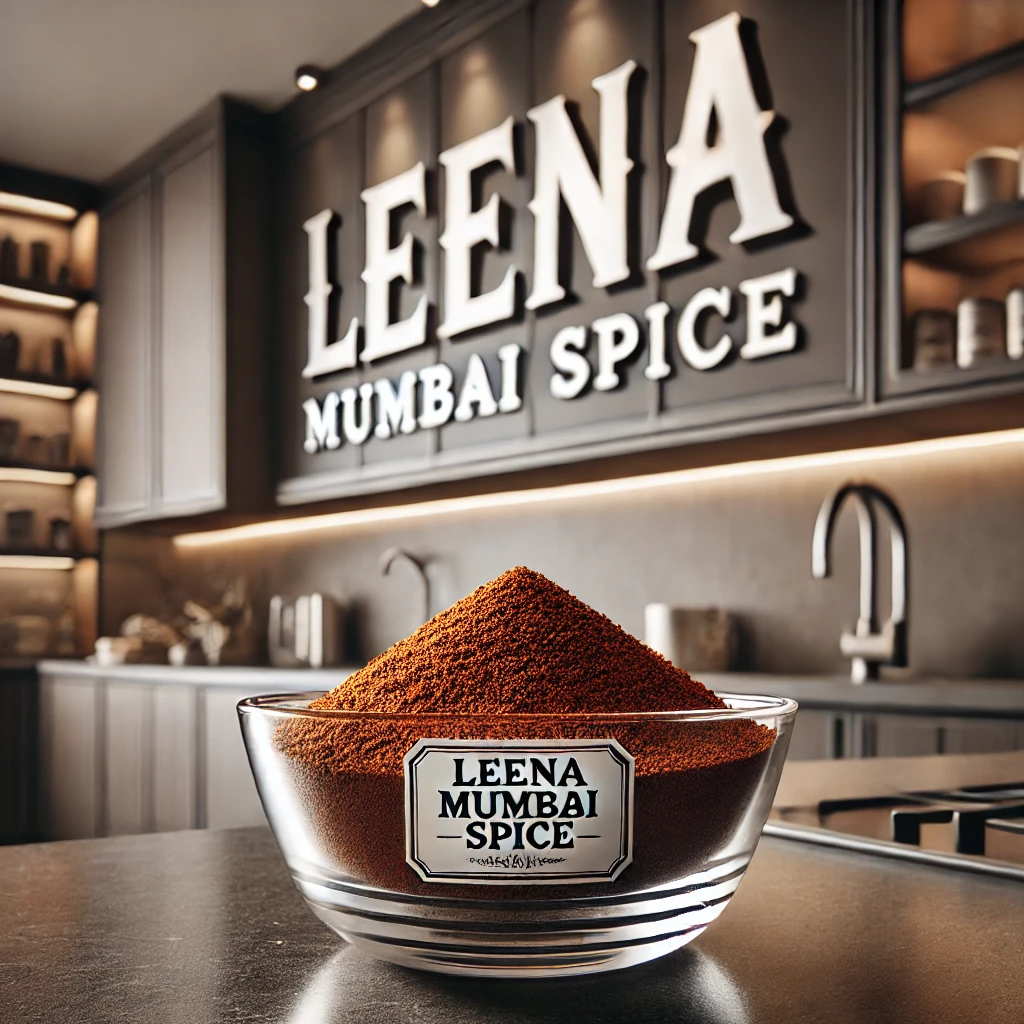
Where can I buy Gluten- Free Mumbai Spice Seasonig Blend?
You can buy Pure and Gluten-Free Mumbai Spice Seasoning From Amazon
You’ll find several reputable brands offering pre-made blends in both small jars and bulk packs.
What Is Chaat Masala Used For?
Chaat masala is a finishing spice blend sprinkled at the end of cooking to add a tangy, salty, and spicy burst of flavor. Think of it as India’s answer to Tajín or Everything Bagel Seasoning but louder, funkier, and irresistibly complex.
It’s one of the few spice blends that transforms ordinary foods into addictive snacks in seconds.
1. Traditional Indian Street Snacks (Chaat)
Dish | How It’s Used |
Papdi Chaat | Sprinkled over crisp wafers, yogurt, and chutneys |
Bhel Puri | Tossed into puffed rice, sev, and tamarind chutney |
Sev Puri | Dusted over mini puris filled with potato and chutneys |
Dahi Puri / Dahi Vada | Added just before serving for a tangy finish |
Aloo Tikki / Samosa Chaat | Used to season the fried potatoes or crushed samosas |
Pani Puri | Occasionally mixed into the spiced water or filling |
It’s this final dusting that gives Indian street food its signature chatpata (zingy, lip-smacking) taste.
2. Fruits and Salads (The Secret Upgrade)
Chaat masala works beautifully with fresh fruits and vegetables, balancing sweetness and acidity.
Item | Transformation |
Mango, pineapple, guava | Turns fresh fruit into street-style chaat fruit |
Cucumber, apple, watermelon | From plain → irresistible snack |
Fruit chaat / mixed fruit salad | Just add chaat masala + lime for a refreshing tang |
The spice blend enhances natural flavors and makes even simple fruit feel like a festive treat.
3. Everyday Kitchen Upgrades (Home Hacks)
A pinch of chaat masala instantly livens up simple home-cooked meals.
Food | Magic Touch |
Boiled potatoes or chickpeas | Transforms into aloo chaat or chana chaat |
Roasted corn (bhutta) | Brush with lime, sprinkle masala |
Yogurt or raita | Stir in for tangy depth |
Omelettes or scrambled eggs | Adds a desi breakfast twist |
French fries or popcorn | Makes the perfect Indian-spiced snack |
4. Modern and Fusion Uses
Chaat masala has found its way into global fusion kitchens for its bold, versatile punch.
Idea | Result |
Avocado toast | Lime + chaat masala = Indian guac vibes |
Grilled chicken or paneer | Use as a dry rub or post-grill seasoning |
Cocktail rims | Perfect for mango lassi margaritas |
Hummus and dips | Adds a tangy Indian-Middle Eastern mashup |
Its salty-tangy kick pairs exceptionally well with creamy, fatty, or sweet foods — balancing flavors beautifully.
5. Drinks and Coolers
Beyond food, chaat masala adds a lively edge to Indian beverages and coolers.
- Nimbu pani (Indian lemonade): A pinch turns it tangy and savory.
- Chaas (spiced buttermilk): Enhances digestion and flavor.
- Jaljeera: Often one of the key ingredients for this refreshing cumin-based drink.
How to Use Chaat Masala (Rules of Thumb)
Rule | Why |
Sprinkle, don’t cook | Heat dulls its tangy brightness |
Use ¼–½ tsp per serving | It’s potent — a little goes a long way |
Pair with moisture | Yogurt, lime, or tamarind helps the flavor “bloom” |
Add at the very end | Preserves the funk of black salt and amchoor |
FAQs About Using Chaat Masala
Can I cook with chaat masala?
Chaat masala is primarily a finishing spice, meant to be sprinkled at the end of cooking rather than added during heat-intensive cooking. High heat can dull its tangy, salty, and umami flavors, particularly from amchoor (dried mango powder) and kala namak (black salt). For best results, use it just before serving on dishes like chaat, fruit salads, roasted potatoes, or yogurt-based raitas.
What pairs best with chaat masala?
Chaat masala pairs exceptionally well with tangy, fresh, or mildly sweet ingredients, enhancing flavor without overpowering it. Common pairings include:
- Fruits: Mango, pineapple, watermelon, guava, and apples
- Vegetables: Cucumber, tomatoes, carrots, and boiled potatoes
- Street food snacks: Pani puri, aloo chaat, bhel puri, sev puri
- Dairy: Yogurt, raita, lassi, and chaas
- Snacks & fusion dishes: Popcorn, roasted nuts, French fries, avocado toast, grilled paneer, or chicken
What can I use instead of chaat masala?
If you don’t have chaat masala on hand, you can create a substitute blend using ingredients you likely have in your pantry. Options include:
- Tamarind powder + black salt + cumin + chili powder: Adds sour, salty, and spicy notes similar to chaat masala.
- Lemon juice + a pinch of salt + cayenne pepper: A quick, fresh alternative for fruits and salads.
- DIY spice mix: Combine amchoor, roasted cumin, black pepper, paprika, and a small pinch of asafoetida for a close flavor profile.
Can chaat masala be used in drinks?
Yes, chaat masala is commonly used to enhance beverages. A small pinch can elevate:
- Nimbu pani (Indian lemonade)
- Chaas (spiced buttermilk)
- Jaljeera (spiced cumin drink)
- Fruit-based mocktails or smoothies
Is chaat masala healthy to use daily?
When used in moderation, homemade chaat masala is healthy and low in calories. It provides antioxidants, digestive benefits, and trace minerals. The main caution is sodium content from black salt or regular salt — especially in packaged blends. Sprinkling ¼–½ teaspoon per serving is generally safe for most adults.