🌶️ What Is Madras Spice Blend and Why Is It Called Madras?
Table of Contents
- Key Takeaways: Madras Curry Powder
- What Is Madras Spice Blend and Why Is It Called Madras?
- What’s the complete ingredient list for authentic Madras curry powder?
- How do I make Madras curry powder at home?
- How Do I Use Madras Curry Powder?
- Recipe Beef Madras Curry
- How Is Madras Curry Powder Different from Other Curry Powders?
- Is Madras Curry Powder Spicy?
- Where can I buy authentic Madras curry powder?
- Are there gluten-free or organic Madras blends available?
- Can I Substitute Madras Curry Powder for Garam Masala?
- How do I store Madras curry powder to keep it fresh in humid Pacific climates?
- How Do I Revive Stale Madras Curry Powder?
- FAQs
Key Takeaways: Madras Curry Powder
What is Madras curry powder spice blend?
Madras curry powder is a South Indian-inspired spice blend known for its bold, earthy, and tangy flavors. It typically combines spices like coriander, cumin, turmeric, fenugreek, mustard seeds, and optional chilies, making it a versatile seasoning for curries, stews, and more.
How does Madras curry powder differ from regular (standard/mild) curry powder?
Unlike mild or standard curry powders, Madras is spicier, darker, and more robust, with a higher proportion of red chilies and pungent spices. Standard curry powders tend to be sweeter, turmeric-forward, and less intense.
Is Madras the spiciest curry blend?
Madras curry powder is considered medium to hot. Its heat comes from red chili content, but it can be customized — you can make it mild, medium, or fiery depending on taste or dietary preferences.
What is the difference between Madras curry powder and Garam Masala?
Madras curry powder is spicy and earthy, used early in cooking to build flavor. Garam masala is warm, sweet, and aromatic, typically added at the end of cooking to enhance aroma without heat. Substituting one for the other will change your dish’s flavor profile.
What are the main ingredients in a Madras spice blend?
Key ingredients include coriander, cumin, turmeric, fenugreek, mustard seeds, black pepper, cardamom, cinnamon, cloves, and curry leaves. Some variations include garlic, ginger, paprika, or nutmeg.
Can I make authentic Madras curry powder at home?
Yes! Using whole or ground spices, you can blend your own Madras curry powder to suit your preferred heat level and flavor. Homemade versions allow for customization of chili content, sweetness, and aroma.
How do I reduce the heat level of a Madras curry dish?
To lower the spice, use less Madras powder, add coconut milk, yogurt, or cream, or remove seeds from chili additions. You can also balance heat with sweetness from tomatoes or natural sugar.
What dishes (other than curry) can I use Madras curry powder in?
Madras curry powder works in stews, soups, roasted vegetables, marinades, rice dishes, stir-fries, and even snacks like roasted nuts or popcorn. Its versatility goes beyond traditional curries.
Is Madras curry powder a traditional Indian spice blend?
While inspired by South Indian cuisine, Madras curry powder was popularized by British colonial trade. The blend is not traditionally used in native Madras/Chennai kitchens but reflects Anglo-Indian culinary adaptation.
How long does homemade/store-bought Madras curry powder stay fresh?
Properly stored in airtight containers in a cool, dry, dark place, Madras curry powder stays flavorful for 6–12 months. In humid climates, using glass jars with moisture absorbers like silica gel helps preserve freshness.
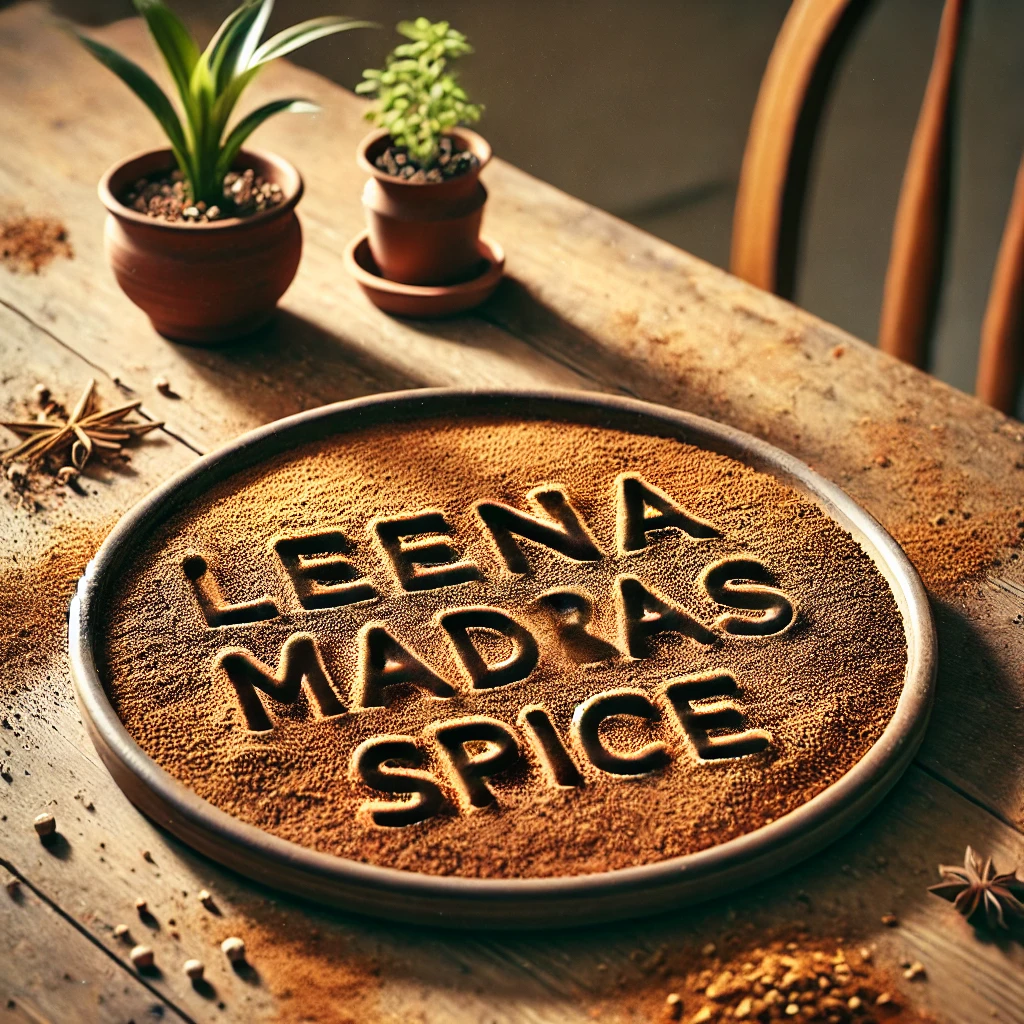
What Is Madras Spice Blend and Why Is It Called Madras?
Why It’s Called “Madras”
The name “Madras” comes from the former name of the South Indian city Chennai, located in the state of Tamil Nadu. However, the story behind the name is more historical than local.During the British colonial period, traders and cooks created a spice mix that captured the taste of Indian curries but was simplified and standardized for Western kitchens. This version became known as Madras curry powder — not because it was used in Chennai households, but because the name “Madras” was familiar and easy for British consumers to associate with India’s southern flavors. So while Madras spice blend reflects South Indian culinary influences, it is not an authentic traditional blend from the region. Instead, it’s an Anglo-Indian creation that emerged from the fusion of Indian spices and British tastes. Over time, it gained global popularity and became a staple in kitchens worldwide valued for its balance of heat, color, and exotic aroma.What's the complete ingredient list for authentic Madras curry powder?
- Coriander: Forms the aromatic base with a mild, citrusy flavor.
- Cumin: Adds earthy undertones that enhance the richness of curries.
- Turmeric: Provides the golden hue and a subtle bitterness.
- Fenugreek: Brings gentle sweetness and a faint maple-like aroma.
- Fennel Seeds: Contribute a soft, sweet, and slightly licorice-like flavor.
- Black Pepper: Adds a sharp, clean heat that complements red chili.
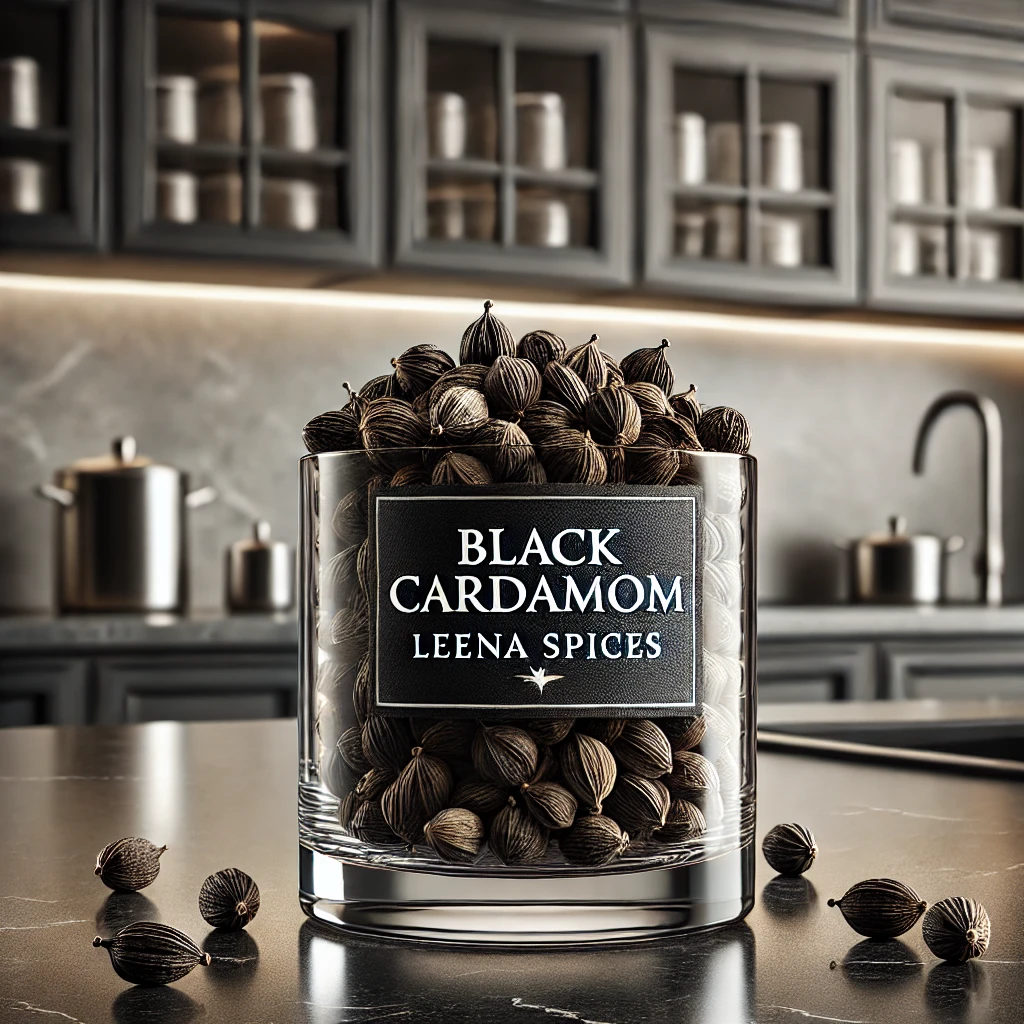
- Cardamom (Green): Infuses a sweet, floral fragrance that balances stronger spices.
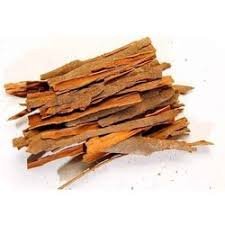
- Cinnamon: Introduces warmth and depth with a hint of sweetness.
- Cloves: Intensify aroma and lend a slightly woody, spicy note.
- Nutmeg: Provides a gentle nutty sweetness and smooth finish.
- Ginger Powder: Adds warmth and a slight zing.
- Garlic Powder: Brings savory richness and depth to the blend.
- Paprika: Enhances color and gives a mild, smoky sweetness.
- Curry Leaves: Offer an unmistakable South Indian aroma and freshness.
Together, these spices create the signature Madras flavor — bold, spicy, and aromatic with just the right balance of heat and fragrance.
Authentic Madras curry powder stands out because of this complex layering of spices, where each ingredient complements the others to form a full-bodied seasoning that transforms simple dishes into something truly special.
How do I make Madras curry powder at home?
Making your own Madras curry powder at home is the best way to ensure freshness, purity, and full-bodied flavor. By toasting and grinding the spices yourself, you’ll experience the true depth and aroma that store-bought versions can’t match.
Here’s a simple recipe for an authentic Madras curry powder blend:
Ingredients
- Black Pepper – 1 g
- Green Cardamom – 8 g
- Cinnamon – 14 g
- Cloves – 4 g
- Coriander Seeds – 22 g
- Cumin Seeds – 15 g
- Curry Leaves – 1 g
- Fennel Seeds – 6 g
- Fenugreek Seeds – 3 g
- Garlic Powder – 4 g
- Ginger Powder – 4 g
- Nutmeg – 4 g
- Paprika – 6 g
- Turmeric Powder – 8 g
Instructions
- Toast the whole spices:
In a dry pan over low to medium heat, gently toast the coriander, cumin, fennel, fenugreek, black pepper, cardamom, cinnamon, cloves, and curry leaves. Stir constantly for 2–3 minutes until the spices release their fragrance. Be careful not to burn them — gentle heat is key. - Cool and grind:
Remove from heat and let the spices cool completely. Once cooled, transfer them to a spice grinder or mortar and pestle. Grind into a fine powder. - Mix in ground spices:
Add turmeric, paprika, nutmeg, ginger powder, and garlic powder to the ground spice mixture. Stir well to combine evenly.
Traditionally, Madras curry powder is known for its bold, fiery heat but this version is chili-free. That means you get all the rich, aromatic flavours of authentic South Indian cuisine without the burn.
This blend delivers the classic warmth and depth of Madras spice using ingredients like coriander, cumin, fenugreek, turmeric, and black pepper, but leaves out the chilies. It’s perfect for anyone who loves curry flavour but prefers a gentler, more versatile base that can suit all taste buds — including kids.
If you do enjoy a bit of heat, simply add your preferred amount of chili powder, cayenne, or fresh chilies when cooking. That way, you’re in full control of the spice level.
You can also enhance the flavour by adding mustard seeds when tempering the oil — a traditional South Indian touch that adds nutty aroma and gentle spice.
How Do I Use Madras Curry Powder?
Here are some of the best ways to use Madras curry powder at home:
1. In Curries and Stews
The most common and classic use. Add 1–2 teaspoons of Madras curry powder while sautéing onions, garlic, and ginger at the start of cooking. This helps the spices bloom in the oil, unlocking their deep aroma and flavor before adding meat, vegetables, or lentils.
2. For Marinades
Mix Madras curry powder with yogurt, lemon juice, and a touch of salt to create a delicious marinade for chicken, fish, lamb, or tofu. Let it sit for at least 30 minutes — or overnight if possible — for a tender, flavorful result.
3. In Soups and Sauces
Stir a small amount (about ½ teaspoon) into soups, tomato sauces, or gravies to give them a warm, spicy kick. It pairs especially well with coconut milk–based dishes and lentil soups.
4. With Roasted Vegetables
Toss vegetables like potatoes, cauliflower, or pumpkin with olive oil, a sprinkle of salt, and a teaspoon of Madras curry powder. Roast until golden for a vibrant, flavorful side dish.
5. In Rice and Noodle Dishes
Add a pinch to fried rice, pilaf, or stir-fried noodles for a gentle, exotic flavor. It works beautifully with basmati rice or vermicelli noodles.
6. In Snacks and Seasonings
You can even use Madras curry powder to season popcorn, roasted nuts, or chips for a spicy twist. Just a light dusting goes a long way.
Pro Tip:
Madras curry powder is stronger than standard curry powder, so start small and adjust to your taste. Heating it gently in oil or ghee before adding liquids brings out its full flavor and fragrance.
Recipe Beef Madras Curry
Ingredients
- 500g beef, cubed
- 1 medium onion, finely chopped
- 1 tablespoon tomato paste
- 1½ tablespoons lemon juice
- 1½ teaspoons Madras curry masala
- ½ cup coconut milk (optional but adds richness)
- 2 tablespoons olive oil
- Salt to taste
Method
- Prepare the spice paste: In a small bowl, combine the Madras curry masala and lemon juice to make a smooth paste. Set aside.
- Brown the beef: Heat olive oil in a saucepan over high heat. Add the beef cubes and sear for 2–3 minutes until lightly browned. Remove from the pan and set aside.
- Sauté the onions: In the same pan, add the chopped onion and cook for a few minutes until golden and fragrant.
- Add the curry paste: Stir in the prepared Madras curry paste and cook for about 1 minute, allowing the spices to release their aroma.
- Combine beef and sauce: Return the browned beef to the pan and stir well until the meat is evenly coated with the spice mixture.
- Add the liquids: Add tomato paste, salt, coconut milk (if using), and half a cup of water. Stir and bring to a gentle boil.
- Simmer: Reduce the heat, cover, and simmer until the beef becomes tender — about 40–50 minutes depending on the cut.
- Thicken the sauce: Remove the lid and continue cooking uncovered until the sauce reaches your desired consistency.
- Serve: Garnish with fresh coriander if you like, and serve hot with steamed rice, naan, or roti.
Cooking Tip
For a deeper flavor, let the curry rest for 10–15 minutes before serving. The spices will continue to blend beautifully as it cools slightly.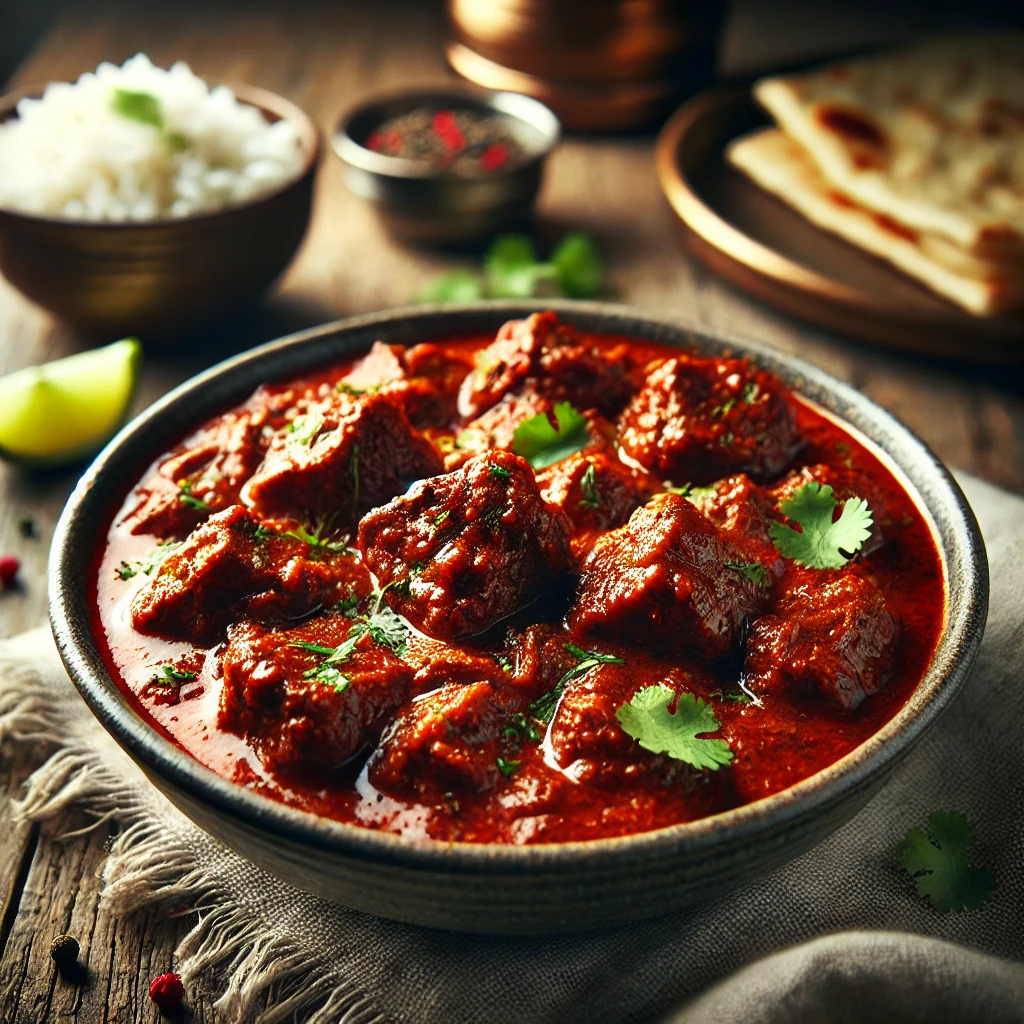
How Is Madras Curry Powder Different from Other Curry Powders?
Madras curry powder stands out for its bold heat, deeper color, and South Indian flair. While most curry powders offer mild, warm flavors, Madras curry powder turns up the intensity with more chilies and stronger aromatics.
Is Madras Curry Powder Spicy?
Yes Madras curry powder is definitely spicy. It’s known for its medium to hot heat level, which comes from its generous use of dried red chilies. Typically, Madras curry powder ranks around 6–8 on a 1–10 heat scale or 5,000–15,000 Scoville Heat Units (SHU), depending on the brand or recipe.
What makes Madras curry powder distinct is how it combines heat with depth of flavor. Unlike regular curry powders, which tend to be mild, golden, and turmeric-forward, Madras curry powder brings:
- A bolder chili kick – thanks to its higher proportion of cayenne or red chili.
- A deeper color – rich red-orange hues from chili and paprika.
- A robust aroma – with earthy notes of cumin, coriander, mustard seeds, and fenugreek.
It’s not just about spiciness it’s about balance. The blend offers a fiery warmth that enhances curries and stews without overpowering them. You can adjust the intensity by using less powder or pairing it with coconut milk, yogurt, or tomato to mellow the heat.
Where Can I Buy Authentic Madras Curry Powder?
Finding authentic Madras curry powder can be tricky, especially if you want a high-quality blend with bold, true-to-origin flavors. While local grocery stores often carry generic curry powders, they may lack the depth and spice balance of a genuine Madras blend.
The easiest and most reliable option is to shop online. Amazon offers a wide selection of premium Madras curry powders, including chilies-free, organic, and traditional South Indian blends. Buying online ensures you get a fresh, flavorful product delivered straight to your door. When choosing a Madras curry powder on Amazon, look for:
- Authentic ingredients: coriander, cumin, turmeric, fenugreek, mustard seeds, and optional chilies.
- Freshness and aroma: check packaging dates and customer reviews.
- Versatility: blends suitable for curries, stews, marinades, and roasting.
👉 Click here to check the latest Madras curry powder on Amazon
Are There Gluten-Free or Organic Madras Curry Blends on Amazon?
For home cooks who prioritize health-conscious cooking, the good news is that gluten-free and organic Madras curry powders are widely available online. These blends are perfect for anyone following gluten-free diets, clean eating, or looking for natural, preservative-free spices.
Amazon offers a variety of high-quality options, including:
- Certified gluten-free Madras curry powders, ensuring no hidden gluten or cross-contamination.
- Organic blends made from pure, sustainably sourced spices like turmeric, coriander, cumin, and fenugreek.
- Options with adjustable heat levels, from mild to fiery, and chilies-free alternatives for sensitive palates.
Shopping on Amazon gives you access to customer reviews, detailed product descriptions, and competitive prices, making it easy to choose a fresh, aromatic, and authentic Madras curry powder that fits your dietary needs.
👉 Click here to explore gluten-free and organic Madras curry powders on Amazon and enjoy bold South Indian flavors without compromise.
Can I Substitute Madras Curry Powder for Garam Masala?
While both are popular Indian spice blends, Madras curry powder and garam masala serve very different purposes in cooking. Substituting one for the other will noticeably alter the flavor and aroma of your dish.
Key Differences Between Madras Curry Powder and Garam Masala
Feature | Madras Curry Powder | Garam Masala |
Primary Flavor | Spicy, earthy, and tangy | Warm, aromatic, slightly sweet |
Heat Level | Medium to hot (high chili content) | Mild (warming, not fiery) |
Color | Deep yellow-red-orange (turmeric & chili) | Brown or grey-brown (no turmeric) |
Key Ingredients | Red chilies, turmeric, coriander, cumin, fenugreek, mustard seeds | Cinnamon, cardamom, cloves, nutmeg, mace, black pepper, coriander, cumin |
Usage in Cooking | Added early to build the flavor base of curries and sauces | Used at the end as a finishing spice to enhance aroma and warmth |
Using Madras Curry Powder as a Substitute
If you must substitute Madras curry powder for garam masala, here’s how to minimize flavor differences:
- Use Less: Start with half the amount the recipe calls for, as Madras curry powder is more robust and spicier.
- Add Sweet/Aromatic Notes: Garam masala has sweet, warming spices. Add a small pinch of cinnamon, cardamom, or ground cloves to mimic its flavor.
- Balance the Heat: Madras curry powder is hotter, so consider using cream, yogurt, coconut milk, or lemon juice to temper the spiciness in your dish.
Bottom Line
While you can substitute Madras curry powder in a pinch, expect a hotter, tangier, and less sweet result than true garam masala. The final dish will have a spicier kick and more earthy notes — delicious in its own right, but different from the warming, aromatic finish that garam masala provides.
How do I store Madras curry powder to keep it fresh in humid Pacific climates?
1. Choose the Right Container
- Use glass jars with tight-fitting lids or stainless steel containers. These non-porous materials resist moisture better than plastics or wood.
- Ensure the lid seals airtight with locking lids or screw-on caps work best.
2. Keep It Cool and Dark
- Store your spice in a pantry, cupboard, or drawer away from sunlight and heat sources like stoves, ovens, or dishwashers.
- Consistent, low temperatures help maintain flavor and prevent moisture absorption.
3. Use Small Batches
- If you purchase in bulk, divide the powder into smaller jars.
- Keep one jar for daily use and store the rest using long-term methods. This avoids exposing your entire supply to humid air every time you cook.
4. Add a Moisture Absorber
- In humid Pacific climates, include a silica gel packet or a few dry rice grains in the jar to absorb moisture.
- Never scoop powder with a wet spoon or sprinkle directly over steaming pots — steam introduces moisture and causes clumping.
5. Long-Term Storage: The Freezer Method
- For bulk storage, place the powder in a heavy-duty airtight freezer bag or vacuum-sealed bag, and then put it in an extra airtight container to prevent freezer burn or odor transfer.
- When removing from the freezer, let the container reach room temperature before opening to prevent condensation.
6. Use Within Optimal Time
- Properly stored Madras curry powder will maintain its flavor for 6–12 months.
- Check the aroma and color: a faded scent or dull color indicates the spice has lost potency.
How Do I Revive Stale Madras Curry Powder?
Even the best-stored Madras curry powder can lose its aroma and potency over time. While it won’t spoil in the traditional sense if kept dry, stale curry powder can make dishes taste flat and dull.
1. Toast the Spices
- Place the curry powder in a dry skillet or frying pan over low heat.
- Stir continuously for 1–2 minutes until the aroma becomes stronger.
- Be careful not to burn it — gentle heat is key.
- This method works well because dry roasting releases essential oils in the spices, reviving their fragrance.
2. Add Fresh Aromatics
- Mix the stale powder with a small amount of freshly ground spices from your pantry, such as coriander, cumin, turmeric, or black pepper.
- You can also add a tiny pinch of fresh chili or mustard seeds to enhance the flavor if your recipe allows.
3. Enhance During Cooking
- Bloom the curry powder in hot oil or ghee at the start of cooking.
- This helps release hidden flavors and can make the powder taste almost as fresh as new.
4. Combine with Fresh Herbs or Citrus
- Adding fresh curry leaves, ginger, garlic, or a squeeze of lemon/lime juice while cooking can balance a slightly dull spice mix and bring brightness and warmth to your dish.
Pro Tip:
If the powder has lost color and aroma completely, it’s better to make a fresh batch. While revival works for mildly stale spices, intense heat, chilies, and volatile oils degrade over time and can’t always be fully restored.
FAQs
Can I use Madras curry powder in vegetarian dishes?
Absolutely! Madras curry powder works beautifully in vegetable curries, lentil soups, roasted vegetables, rice dishes, and even chickpea stews, adding a rich, earthy flavor without needing meat.
How can I make a milder version of Madras curry powder?
To reduce heat, omit or cut down chili content and increase aromatic spices like coriander, cumin, or turmeric. You can also balance dishes with coconut milk, yogurt, or cream for a gentler taste.
Does Madras curry powder go well with seafood?
Yes, it pairs exceptionally well with fish, prawns, or squid, especially when combined with coconut milk, lime juice, and fresh herbs to enhance the coastal South Indian flavors.
Can I store Madras curry powder in the refrigerator?
While not necessary, storing it in the fridge can help in humid climates. Always use an airtight glass jar, and avoid moisture or condensation to keep the spice fresh.
How can I tell if my Madras curry powder has gone stale?
Check for dull color, weak aroma, or clumping. Fresh Madras powder should be vibrant in color, fragrant, and easy to sprinkle. If it smells flat or tastes bland, it’s time to refresh or replace it.
Is Madras curry powder gluten-free?
Yes, pure Madras curry powder made from spices is naturally gluten-free, but always check packaged versions for added anti-caking agents or fillers if you have dietary restrictions.
Can I use Madras curry powder in marinades?
Definitely. It works well in meat, fish, or vegetable marinades, especially when combined with yogurt, lemon juice, or oil, allowing the flavors to penetrate and create a deliciously spiced dish.
What is the difference between homemade and store-bought Madras curry powder?
Homemade blends are customizable, letting you adjust heat, aroma, and spice ratios, while store-bought versions are convenient but may contain additives or preservatives. Freshly blended powder usually delivers more vibrant flavor.
Can Madras curry powder lose its flavor if overcooked?
Yes, overcooking or prolonged exposure to high heat can dull its aroma and taste. It’s best to add it early for base flavor but finish cooking with some fresh spices if needed to preserve intensity.