Mumbai Spice Blend | Land In The Street Of Bombay
Table of Contents
- Key Takeaways
- What Is Mumbai Spice Blend?
- Is Mumbai Spice Blend the Same as Bombay Spice Blend?
- What Does Mumbai Spice Taste Like?
- Typical Ingredients in a Homemade Mumbai Spice Blend
- How Mumbai Spice Blend Differs from Garam Masala
- How to Use Mumbai Spice Blend
- Why Mumbai Spice Blend Works in American Kitchens
- What Makes Mumbai Spices Different from Other Regional Indian Spices?
- How Has Mumbai Spice Influenced Asian Fusion Food Trends?
- How to Avoid Bitterness or Overpowering Flavor When Cooking with Mumbai Spice?
- FAQs: Mumbai Spice Blend (Bombay Masala)
Key Takeaways: Mumbai Spice Blend (Bombay Masala)
What is Mumbai Spice Blend?
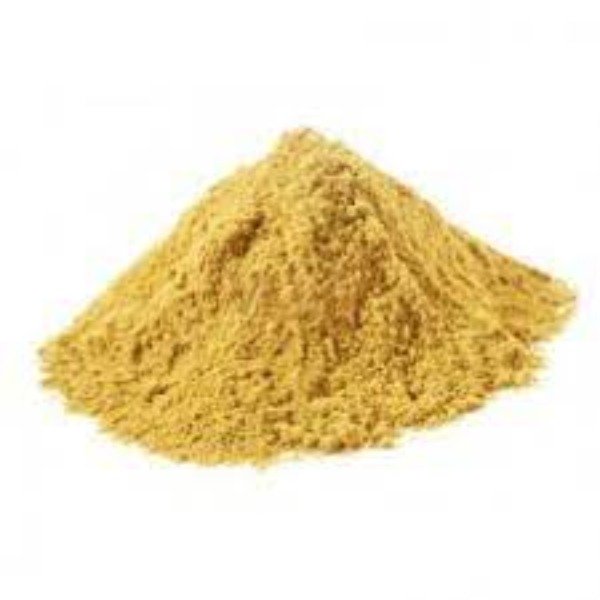
Mumbai Spice Blend (also called Bombay Spice Blend) is a tangy, aromatic Indian spice mix inspired by Mumbai street food. It typically contains amchur (dried mango powder), coriander, cumin, turmeric, red chili, black salt (kala namak), and sometimes fennel or fenugreek.
Is Mumbai Spice the same as Bombay Spice?
Yes. Mumbai and Bombay refer to the same city. The name changed officially in 1995, but both labels describe a similar tangy, street-style Indian masala blend.
What does Mumbai Spice taste like?
Mumbai Spice is:
- Tangy (from amchur or tamarind)
- Savory & slightly sulfurous (from black salt)
- Warm & earthy (from cumin and coriander)
- Mild to moderately spicy (from chili)
It’s bold, zesty, and layered rather than deeply creamy.
What dishes use Mumbai Spice Blend?
Common uses include:
- Pav Bhaji
- Bhel Puri & Chaat
- Roasted vegetables
- Potato curries
- Grilled chicken or prawns
- Street-style buttered toast or sandwiches
It works well in both vegetarian and meat-based dishes.
How much Mumbai Spice should I use?
Start with:
- ½–1 teaspoon per 500g (1 lb) of main ingredient
Adjust at the end of cooking. It becomes easier to add more than fix an overpowering dish.
How do you prevent bitterness when cooking with Mumbai Spice?
To avoid bitterness:
- Bloom in oil or ghee for 20–30 seconds (never a dry pan)
- Cook over medium heat
- Add moisture (onions/tomatoes) quickly after blooming
- Balance with fat + acid + a pinch of sugar
Burnt fenugreek or cumin is the most common cause of bitterness.
Why does Mumbai Spice sometimes taste too salty?
Many blends contain black salt (kala namak).
To fix:
- Reduce added table salt
- Dilute with water, coconut milk, potatoes, or rice
How do you balance overly strong Mumbai Spice flavor?
Use the Balance Formula:
- Add fat (butter, yogurt, cream)
- Add acid (lime, tomato)
- Add a pinch of sugar
- Simmer gently
This restores brightness without muting flavor.
Is Mumbai Spice spicy-hot?
Usually medium heat, not extremely hot.
You can control heat by:
- Reducing added chili
- Adding yogurt or coconut milk
- Serving with rice or bread
What’s the difference between Mumbai, North Indian, and South Indian spice profiles?
- Mumbai: Tangy, street-style, amchur-forward
- North Indian: Warm, creamy, garam masala-based
- South Indian: Curry leaves, mustard seeds, coconut oil, sharper heat
Each region has distinct fats, souring agents, and cooking techniques.
Can I make Mumbai Spice Blend at home?
Yes. A simple base ratio:
- 2 tsp coriander powder
- 1 tsp cumin powder
- 1 tsp amchur
- ½ tsp turmeric
- ½ tsp chili powder
- ¼ tsp black salt
Adjust to taste and store airtight for up to 3 months.
How should Mumbai Spice be stored?
Store in:
- An airtight glass jar
- A cool, dark place
- Use within 2–3 months for peak freshness
Old spices taste dull and can become bitter.

This Critical Mineral Holds The Key
To A Perfect Night’s Sleep – No Matter What Your Age.
What Is Mumbai Spice Blend?
Mumbai Spice Blend (also known as Mumbai Masala or Bombay Masala) is a bold, tangy, multi-purpose Indian seasoning. It is inspired by the vibrant street food culture of Mumbai, India. It captures the city’s signature chatpata flavor profile which means a lively balance of sweet, sour, spicy, and aromatic notes commonly found in dishes like Pav Bhaji, Vada Pav, and Bhel Puri.
Unlike traditional North Indian blends such as garam masala, which focus primarily on warmth and depth, Mumbai Spice Blend is designed to be zesty, punchy, and layered. It brings brightness and complexity to everyday cooking without overwhelming heat, making it approachable for American home kitchens.
Because it is a modern, street-food–inspired blend rather than a traditional recipe, the exact ingredients can vary between brands and home cooks. Some versions lean slightly sweet and aromatic while others are more earthy and savory.
Is Mumbai Spice Blend the Same as Bombay Spice Blend?
Yes. Mumbai Spice Blend and Bombay Spice Blend refer to the same style of Indian seasoning. The difference is in the name, not the flavor.
The city formerly known as Bombay was officially renamed Mumbai in 1995. Since then, both names have remained widely used around the world. As a result, spice blends inspired by the city’s bold street-food culture may be labeled either Bombay Spice or Mumbai Spice depending on the brand, packaging history, or marketing preference.
What Does Mumbai Spice Taste Like?
Mumbai Spice Blend or Bombay Masala delivers a bold layered, street-food-inspired flavor. Its key taste characteristics include:
- Warm, earthy depth – from cumin, coriander, and turmeric
- Tangy brightness – typically from dried mango powder (amchur)
- Mild to moderate heat – chili adds a zesty kick without overwhelming
- Subtle sweetness – from cinnamon, cardamom, or fenugreek
- Fragrant aromatics – cloves, carom seeds, and other spices create an inviting aroma
The signature tangy kick is what sets Mumbai Spice apart, giving dishes like pav bhaji, vada pav, and bhel puri that iconic chatpata street-food edge. It is also a versatile spice blend for vegetables, meats, snacks, and fusion dishes.

Typical Ingredients in a Homemade Mumbai Spice Blend
For best results, whole spices should be lightly toasted before grinding to enhance aroma and depth.
Core Ingredients:
- Black pepper
- Cardamom
- Carom seeds (ajwain)
- Cinnamon
- Cloves
- Coriander seeds
- Cumin seeds (roasted and ground)
- Curry leaves
- Garlic powder
- Onion powder
- Mango powder (amchur)
- Paprika
- Turmeric
- Dried coriander leaves
How Mumbai Spice Blend Differs from Garam Masala
Feature | Mumbai Spice Blend | Garam Masala |
Flavor Profile | Tangy, zesty, chatpata | Warm, deep, aromatic |
Key Ingredients | Often includes amchur (dried mango powder), black salt | Usually cardamom, cinnamon, cloves, nutmeg |
Purpose | Street-food vibrancy; everyday cooking | Finishing spice; adds warmth to slow-cooked dishes |
Heat Level | Balanced, medium | Mild, warming |
Usage Style | Can be used mid-cook or as a sprinkle | Typically added at the end of cooking |
Vibe | Bright, playful, bold | Deep, warming, comforting |
Mumbai Spice Blend is lively and tangy, bringing the punchy “chatpata” flavor of Mumbai street food to dishes. Garam Masala, in contrast, is warm and aromatic, enhancing depth in curries, stews, and breads. While Mumbai Spice is versatile and approachable, Garam masala is typically reserved for finishing slow-cooked meals.
How to Use Mumbai Spice Blend
Mumbai Spice Blend is known for its versatility, from classic street-food dishes to modern fusion creations.
Street Food Classics
- Pav Bhaji: Stir into the vegetable mash for authentic Mumbai flavor.
- Vada Pav: Sprinkle inside buns for a zesty, chatpata kick.
- Chaat: Use in bhel puri, sev puri, or other snack toppings.
Vegetables & Legumes
- Roasted Veggies: Toss potatoes, cauliflower, or mixed vegetables with the spice before roasting.
- Legumes: Stir into chickpeas, lentils, or dal to add depth and warmth.
Marinades
- Mix Mumbai Spice with yogurt, oil, and lemon juice.
- Use to marinate chicken, lamb, prawns, paneer, or tofu.
- Perfect for grilling, kebabs, or oven roasting.
Curry Bases
- Add to onion–tomato masala or other curry bases for quick Mumbai-style curries.
- Enhances flavor in both vegetarian and meat-based dishes.
Fusion & Finishing Touches
- Sprinkle over roasted nuts or popcorn for a snack upgrade.
- Dust onto fries or roasted chickpeas for street-food vibes.
- Add to grilled cheese sandwiches for a playful “Mumbai Toastie.”
Pro Tip:
Reserve a small amount of the blend to sprinkle at the end of cooking. This keeps the flavors bright, tangy, and aromatic, especially when using amchur or black salt.
Why Mumbai Spice Blend Works in American Kitchens
Mumbai Spice Blend is perfectly suited for home cooks in the USA because it combines authentic Indian flavor with approachable versatility:
- Moderate heat: Less fiery than many regional Indian masalas, making it accessible to a wide range of palates.
- All-purpose seasoning: Ideal for everyday use without needing multiple spice jars.
- Adds depth and complexity: Enhances dishes with layered flavors, earthy, tangy, and aromatic and without overpowering.
- Bridges cuisines: Works seamlessly in traditional Indian recipes or fusion dishes, from tacos and sandwiches to roasted vegetables.

An advisor to the American Anti-Cancer Institute and 3-Time Canadian Natural Bodybuilding Champion, Mr. Wade Lightheart, is one of the world’s premier authorities on Natural Nutrition and Training Methods.
He says “Most healthy individuals typically only get 1-2 forms of magnesium at best (much of the population is deficient in all forms)
– but when you get all 7 major forms of magnesium, you can truly experience the benefits.”
What Makes Mumbai Spices Different from Other Regional Indian Spices?
Mumbai spice blends stand out for their tangy, layered, street-food personality. Unlike many regional Indian masalas that focus primarily on heat or deep warming richness, Mumbai-style spices are built around balance, brightness, and instant flavor impact.
The “Chatpata” Flavor Balance
The hallmark of Mumbai Spice Blend is its classic “chatpata” flavor, inspired by Mumbai street food. This distinctive balance makes dishes vibrant, layered, and addictive:
- Salty: Often from black salt (kala namak), giving a savory, slightly sulfurous depth.
- Tangy: From amchur (dried mango powder) or tamarind, providing the signature bright zing.
- Spicy: Mild to medium heat from red chili or black pepper, enough to excite without overwhelming.
- Slightly sweet: Subtle notes from cinnamon, cardamom, or roasted spices round out the flavor.
Built for Street Food and Snacks
Mumbai is India’s street food capital, and its spice blends are crafted to capture that bold, tangy, and punchy flavor in every bite. Key features include:
- Fast cooking: Spices release their aroma quickly, ideal for quick, high-heat dishes.
- Tawa (flat griddle) preparation: Perfect for dishes cooked on a hot griddle, like pav bhaji, vada pav, and bhurji-style mixes.
- Finishing sprinkles: Many Mumbai spice blends are added after cooking to preserve bright, tangy notes.
- Snack applications: From chaat toppings to roasted nuts, popcorn, or fries, the blend enhances snack foods with that signature chatpata punch.
Influenced by a Melting Pot of Cultures
Mumbai’s cuisine and its spice blends reflect the city’s rich cultural diversity. As a major port and migrant hub, Mumbai combines flavors from across India and beyond:
- Maharashtrian roots: Classic local spices and dishes like Pav Bhaji and Vada Pav.
- Gujarati influence: Subtle sweetness and vegetarian-friendly spice profiles.
- Parsi culinary traditions: Aromatic masalas and fusion-inspired recipes.
- Portuguese and Goan coastal elements: Coconut, seafood, and tangy spices.
- Migrant flavors from across India: Incorporates techniques, ingredients, and bold spices from Punjabi, South Indian, and other regional cuisines.
Regional Indian Spice Profiles Comparison
Feature | Mumbai Spices (West / Maharashtrian Influence) | North Indian Spices (Punjabi / Mughlai Influence) | South Indian Spices (Tamil / Kerala / Andhra Influence) |
Star Ingredient | Amchur (dried mango powder), black salt | Cardamom, cinnamon, cloves (warm whole spices) | Curry leaves, mustard seeds, dried red chilies |
Common Spice Base | Coriander, cumin, turmeric, chili powder | Garam masala, cumin, coriander, kasuri methi | Sambar powder, rasam powder, black pepper |
Primary Fat Used | Butter, vegetable oil | Ghee, mustard oil | Coconut oil, sesame (gingelly) oil |
Heat Level | Medium – tangy & zesty | Mild to high – warm & aromatic | Medium to high – sharp, peppery, fiery |
Souring Agents | Amchur, lime, tamarind | Yogurt, tomato, dried pomegranate | Tamarind, kokum, raw mango |
Texture Style | Dry masalas, pav bhaji-style mash | Creamy gravies, rich sauces | Brothy, stew-like, or dry tempering |
Key Vibe | Street food, chaats, snacks | Hearty curries & breads (naan/roti) | Rice-based meals & fermented dishes (idli/dosa) |
Typical Dishes | Pav bhaji, bhel puri, misal pav | Butter chicken, chole, korma | Sambar, rasam, fish curry |
How Has Mumbai Spice Influenced Asian Fusion Food Trends?
Mumbai spice blends have become an important force in modern Asian fusion cuisine, or third-culture cooking. Mumbai spice is built for bold, fast, layered flavor. That makes it highly adaptable to East and Southeast Asian cooking techniques like stir-frying, steaming, grilling, and street-style assembly.
1. The Rise of “Chaat-Inspired” Fusion
Mumbai’s street-food culture, especially its iconic chaat masala, has inspired a global wave of fusion cooking. Known for its tangy-spicy “chatpata” punch, this finishing-spice adds brightness and complexity to dishes without relying solely on sauces.
Key ingredients driving the flavor:
- Amchur (dried mango powder) – provides tangy zing
- Black salt – adds savory depth and a subtle sulfurous note
- Cumin – earthy warmth
- Chili powder – gentle heat
Examples of the “Chaat-ify” trend:
- Gol gappa tacos
- Tikka paneer pani puri
- Dabeli sliders
- Sushi topped with chaat masala dusting
- Bao buns finished with Mumbai-style spice and pomegranate seeds
Chefs are now applying dry finishing masalas at the end of cooking someting similar to Mumbai street-food techniques. It layers acidity, tang, and spice rather than relying on heat alone. This approach has reshaped global fusion menus, introducing the playful, tangy essence of Mumbai into tacos, sushi, sandwiches, and more.
2. The “Tawa Meets Wok” Movement
Mumbai street food is traditionally cooked on a tawa (flat griddle) in fast, and high-heat. This quick-cook technique pairs naturally with Asian wok-style cooking, inspiring innovative fusion dishes.
Mumbai spices meet Asian flavors in:
- Mumbai-style Hakka noodles – tossed with black salt and amchur for tangy depth
- Indo-Korean fried rice – combining chili, cumin, and soy-based sauces
- Paneer Kung Pao – adding Mumbai spice to traditional stir-fried paneer
- Mumbai-spiced ramen – layering earthy spices over rich, umami broths
Flavor impact:
- Creates a “double umami” effect, where fermented soy or miso depth meets the tangy, sulfurous notes of black salt and amchur.
- Preserves the fast-cooked, punchy character of Mumbai street food while introducing Asian-style stir-fry complexity.
3. Zesty Heat Instead of Just Numbing Heat
Traditional Asian spice trends often focus on sharp or numbing heat such as Sichuan peppercorns, gochujang fermentation, or Thai bird’s eye chili while Mumbai spices add a tangy, zesty dimension that balances heat with fruity acidity.
Key tangy-spicy ingredients in Mumbai Spice:
- Amchur (dried mango powder) – adds bright, fruity tang
- Kokum – delivers subtle sour notes with depth
- Tamarind-style tang – enhances complexity without overpowering
Fusion examples:
- Mumbai-spiced karaage (Japanese fried chicken) – combines tangy Mumbai spices with crispy frying
- Kimchi with kokum tang – layering Indian fruitiness with fermented cabbage
- Gochujang dishes with cumin-coriander warmth – adds earthy, aromatic layers to spicy bases
4. “Desi Twists” in Global Flavor Mashups
Mumbai’s diverse, cosmopolitan identity naturally mirrors today’s globalized food culture. Its masalas and spice blends, already eclectic and layered, are inspiring innovative fusion dishes worldwide.
Examples of Mumbai-inspired global hybrids:
- Desi Peri-Peri blends – Indian chili-cumin combined with African bird’s eye chili
- Curry Pasta Masala – Mumbai spices enhancing Italian pasta sauces
- Achari Mexican dry rubs – tangy Indian pickle-style masala on grilled meats
- Thai-Cajun mashups – blending Indian spices with Southeast Asian and Southern US flavors
- Middle Eastern–Indian hybrids – incorporating cumin, coriander, and amchur into shawarma or roasted vegetable dishes
Culinary insight:
- These combinations reflect the “glocalization” trend. Global flavors adapted with regional authenticity.
- Mumbai Spice Blend fits seamlessly because it is already hybrid in nature, balancing tang, heat, sweetness, and earthy warmth.
- Its versatility and street-food heritage make it ideal for chefs and home cooks exploring cross-cultural cuisine innovations.
5. Street-Food Energy on Modern Menus
Mumbai spices bring “snackability” to dishes which is bold, layered flavors that are vibrant without being overwhelming. This characteristic has made them a favorite for chefs creating modern, casual, and fusion menus.
Mumbai-inspired snack and fusion applications:
- Spiced fusion tacos – layering amchur and black salt over roasted fillings
- Indo-Asian sliders – mashed Mumbai-spiced vegetables or proteins in soft buns
- Spiced crisps and gourmet snacks – potatoes, chickpeas, or nuts with tangy, chatpata seasoning
- Millet-based Mumbai masala mixes – healthy, flavorful snack options
- Chaat-seasoned fries – tangy-spicy twists on classic comfort foods
Flavor impact:
- Mumbai spice’s slightly sweet, tangy undertones contribute to the popular “swicy” (sweet + spicy) trend.
- The layered, street-food-inspired profile makes it ideal for fusion snacks, casual dining, and creative menu items.
Where can I buy authentic Mumbai Spice Blend online?
You buy can Mumbai Spice Blend Online From Amazon
You’ll find several premium brands in both small jars and bulk
Related Posts You May Want to Read
15 Magnesium-Rich Herbs and Spices: Are You Getting Enough?
How to Make Mumbai Spice Blend at Home – 9 Common Mistakes to Avoid
7 Best Ways to Use Mumbai Spice
7 Irresistible Reasons to Add Mumbai Spice Blend to Your Cooking
How to Make Fusion Seasoning Spice Blends at Home: Step-by-Step Recipe Guide
How to Avoid Bitterness or Overpowering Flavor When Cooking with Mumbai Spice
Mumbai Spice Blend – Troubleshooting & Fix Guide
Potential Issue | Likely Cause | The Solution |
Tastes burnt / bitter | Spices scorched in dry pan or overheated oil | Bloom in enough oil or ghee over medium heat; never add to a dry pan. Add moisture (onions/tomatoes) quickly after blooming. |
Too sour / acidic | High amchur (dried mango), tomato, or lime | Add a pinch of sugar or jaggery; stir in butter, cream, or coconut milk to round it out. |
Too earthy / dusty | Overcooked ground spices or too much turmeric | Finish with fresh lime juice and chopped cilantro; add a small knob of butter for smoothness. |
Too salty | Blend contains black salt (kala namak) | Dilute with water, unsalted stock, potatoes, rice, or coconut milk. Avoid adding extra salt early on. |
Too spicy / hot | High chilli content | Add yogurt, cream, coconut milk, or extra base ingredients (veg/protein). Serve with rice or bread. |
Too strong / overpowering | Used too much spice at once | Dilute with more main ingredients; simmer gently; balance with fat + acid + slight sweetness. |
Tastes raw / harsh | Spices not cooked long enough | Simmer dish 5–10 minutes longer on low heat to mellow flavors. |
Flavor feels flat | Overcooked sour elements or under-seasoned | Add a small final sprinkle of spice + squeeze of fresh lime + proper salt adjustment. |
Slight fenugreek bitterness | Natural methi bitterness amplified | Add a pinch of sugar and a little fat (ghee/butter); balance with tomato or yogurt. |
Why Mumbai Spice Can Taste Bitter
Mumbai Spice Blend is bold and aromatic, but certain handling mistakes can introduce bitterness or harshness. Common causes include:
- Over-roasting whole spices before grinding, which can darken flavors and create a burnt taste
- Scorching ground spices in very hot oil during tempering or sautéing
- Using too much spice at once, overwhelming other flavors
- Overcooking amchur (dried mango powder), which can turn the tangy note flat and bitter
- Oversalting when the blend already contains black salt (kala namak)
- Using stale or oxidized spices, which lose freshness and develop harsh notes
1. Start Small and Build Flavor
Mumbai Spice Blend is highly concentrated, so it is best to start with a small amount and adjust as you go.
Safe starting point:
- Use ½–1 teaspoon per 500g (1 pound) of your main ingredient.
- Taste and adjust near the end of cooking.
Why this works:
- Tangy ingredients like amchur intensify quickly and can dominate a dish.
- You can always add more spice, but you cannot remove excess once it is in.
Pro tips for better control:
- Layer your seasoning: add half early in cooking to build base flavor.
- Reserve a finishing sprinkle to brighten the dish and highlight Mumbai’s signature chatpata tang.
2. Follow the “Fat First” Rule
When cooking with Mumbai Spice Blend, never add it to a dry, overheated pan. Doing so can scorch delicate spices like turmeric, chili, or fenugreek, resulting in bitterness.
Correct method for blooming (tadka/tempering):
- Heat oil, butter, or ghee over medium heat (avoid smoking).
- Add the Mumbai spice blend.
- Stir constantly for 20–30 seconds until aromatic.
- Immediately add onions, tomatoes, or another moisture source.
Why this matters:
- Turmeric and chili are fat-soluble; the fat helps release flavor without burning.
- Fenugreek and other potent spices can turn sharply bitter if overheated.
- Blooming in fat coats the spice particles, softening their edges and creating a layered, balanced flavor.
3. Don’t Overcook the Tangy Elements
Mumbai Spice Blend relies on tangy, street-food flavors from ingredients like amchur (dried mango powder) and black salt (kala namak). These elements are heat-sensitive and can lose their vibrancy if overcooked.
What can go wrong:
- Amchur loses its bright, fruity tang and becomes flat.
- Black salt can develop an overly sulfurous or harsh taste.
Best practices:
- Add most of the spice blend after onions and aromatics have softened to protect the delicate tang.
- Reserve a small finishing sprinkle in the last 1–2 minutes of cooking to deliver that fresh, chatpata street-food “pop.”
4. Watch the Salt Carefully
Many Mumbai Spice Blends already include kala namak (black salt), which contributes tangy, sulfurous notes. Adding too much regular salt on top can throw off the balance.
What can happen:
- The dish may taste chemical, briny, or overly salty.
- Excess salt can amplify perceived bitterness from other spices.
Best practices:
- Taste your spice blend first before adding extra salt.
- Adjust regular salt accordingly to maintain a balanced, chatpata flavor.
5. Balance with Acid, Fat, and Sweetness
If your Mumbai-spiced dish starts tasting too strong, harsh, or bitter, you can quickly restore balance by adding acid, fat, and a touch of sweetness. This is a classic technique used in Mumbai street food.
Add Acid to Brighten:
- Fresh lemon or lime juice
- Tomato puree
- Tamarind
Acid lifts and highlights the tangy notes, giving dishes that chatpata street-food vibrancy.
Add Fat to Soften:
- Ghee or butter
- Coconut milk
- Yogurt or cream
Fat rounds out harsh edges, coats bitter compounds, and mellows intense spices.
Add Sweetness to Round Flavors:
- A pinch of sugar, jaggery, or honey
Even ½ teaspoon can neutralize bitterness without making the dish overtly sweet.
6. Dilute Instead of Discarding
If your Mumbai-spiced dish feels too intense or overpowering, don’t throw it away. You can rebalance flavors with simple dilution techniques.
How to Dilute:
- Add more base ingredients: potatoes, paneer, lentils, or vegetables.
- Add liquids: broth, coconut milk, or water to mellow the intensity.
- Stir in plain yogurt for creaminess and subtle cooling.
- Serve over rice, bread, or flatbreads to absorb excess spice.
7. Use Fresh, Properly Stored Spice Blends
The quality of your Mumbai Spice Blend makes a huge difference. Old or poorly stored spices can develop oxidation, leading to dull aroma, bitterness, and faded color.
Signs Your Spice Blend Is Stale:
- Dull or flat aroma
- Sharp bitterness when tasted dry
- Faded color or lack of vibrancy
Storage Tips for Freshness:
- Keep in an airtight jar
- Store away from light
- Keep in a cool, dry place
8. Avoid High Heat
Mumbai Spice Blend is potent and delicate. High heat can quickly turn it bitter or harsh.
Cooking Tips:
- Use medium heat when blooming spices in oil, ghee, or butter.
- Apply gentle simmering when cooking curries or vegetable dishes.
- Avoid letting cumin, coriander, or fenugreek scorch, as burnt spices are a primary cause of bitterness.
The goal of Mumbai blend is not to maximum spice.
It is to maximum harmony.
Easy, step-by-step instructions for creating your own spice blends from home.More than 200 spices from around the world

FAQs: Mumbai Spice Blend (Bombay Masala)
How is Mumbai Spice different from North and South Indian spices?
Mumbai Spice Blend is tangy, zesty, and layered, emphasizing street-food flavors with medium heat.
- North Indian spices are warming, garam masala-based, and often creamy, suited for slow-cooked curries and breads.
- South Indian spices focus on curry leaves, mustard seeds, coconut oil, and sharper heat, ideal for rice-based and fermented dishes.
How much Mumbai Spice should I use in cooking?
Start small: ½–1 teaspoon per 500g (1 lb) of main ingredient.
Add more toward the end of cooking for the bright, tangy street-food flavor without overpowering the dish.
Is Mumbai Spice spicy-hot?
Medium heat is typical. The tangy, street-food flavor is emphasized over raw spiciness. Adjust by:
- Reducing chili powder or fresh chilies
- Adding yogurt, cream, or coconut milk
Serving with rice, bread, or other neutral ingredient
What dishes are best suited for Mumbai Spice Blend?
Mumbai Spice Blend works in:
- Street-food dishes: pav bhaji, vada pav, bhel puri
- Roasted or stir-fried vegetables: potatoes, cauliflower, chickpeas
- Curries and gravies: potato curry, lentils, chicken, or prawns
- Snacks and fusion dishes: popcorn, grilled sandwiches, tikka wraps
How should Mumbai Spice Blend be stored?
- Store in an airtight jar in a cool, dark place.
- Keep away from heat, sunlight, and moisture.
- Use within 2–3 months for peak freshness; older blends may taste bitter or lose aroma.
Can Mumbai Spice be used in fusion or global cuisine?
Yes! Its tangy, chatpata flavor makes it ideal for Asian fusion, tacos, wraps, stir-fries, Indo-Korean, or Indo-Mexican dishes. Examples:
- Mumbai-Spiced Karaage (Japanese fried chicken)
- Mumbai Bao with spicy potato mash
- Tacos or sliders with bhel-inspired toppings
Its versatility works well with stir-frying, grilling, or finishing dishes.
What if my Mumbai Spice tastes too salty?
Most blends contain black salt (kala namak).
To correct:
- Reduce table salt in the recipe
- Dilute with water, stock, or coconut milk
- Add base ingredients like potatoes, rice, or paneer
How can I get the authentic street-food flavor at home?
- Use fresh, high-quality spices
- Bloom in hot oil or ghee
- Balance fat, acid, and sweetness as needed
- Add a final sprinkle of Mumbai Spice at the end of cooking for brightness
- Serve with chaat toppings, fresh coriander, or lime wedges