Do Cinnamon Sticks Go Bad? Storage Tips, Shelf Life, and Health Benefits
Cinnamon, derived from the inner bark of cinnamon trees, is a dried spice that naturally boasts a long shelf life. However, like many pantry items, it is still vulnerable to environmental elements such as moisture, light, and air exposure, which can gradually diminish its quality.
Although aged cinnamon sticks won’t become harmful or make you ill, they can lose their signature warm, aromatic flavor over time. Instead of delivering that rich, comforting spice, older sticks may yield a dull or muted taste.

Understanding the Shelf Life of Cinnamon Sticks
Cinnamon sticks are often considered a pantry staple precisely because of their impressive longevity. While they don’t spoil in the traditional sense like fresh produce or dairy, their potency does fade gradually. With proper storage, though, their freshness can be maintained for one or two years.
But if you have had a jar tucked away in your pantry for a while, you might start to wonder: Do cinnamon sticks go bad?
The short answer is yes, but not in the way that perishable foods like dairy or produce do. Cinnamon sticks do not spoil or become unsafe to consume. Instead, they gradually lose their potency, flavor, and aroma over time.
However, like all spices, cinnamon sticks are sensitive to their environment. Factors such as light, moisture, air exposure, and heat can accelerate the loss of their essential oils. These oils are compounds that are responsible for that distinct cinnamon scent and taste.
Can Cinnamon Sticks Go Bad?
Cinnamon sticks do not typically “spoil” or become unsafe to consume because their low moisture content naturally limits bacterial growth. However, many people still ask: “Do cinnamon sticks go bad in storage?” The answer is that while they don’t usually go bad in a harmful way, improper storage can lead to moisture buildup and even mold, which affects both safety and quality.
To ensure your cinnamon sticks remain fresh and aromatic, store them properly. Always check for visual changes before use to guarantee quality and effectiveness in your cooking.
How to Tell If Cinnamon Sticks Have Gone Bad?
To check whether your cinnamon sticks are still fresh and flavorful, you can perform a simple test. Look for the following signs:
Color
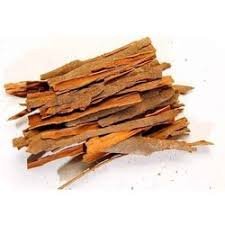
Fresh cinnamon sticks typically have a rich, warm brown hue. Faded or dull coloring may indicate age and a decline in essential oil content.
Discoloration
If cinnamon sticks have been exposed to moisture, they may develop visible mold or unusual dark spots. Any signs of mold indicate spoilage, and the sticks should be discarded immediately to avoid contamination. These are indication that cinnamon sticks have gone bad
Aromatic Strength
A good-quality cinnamon stick should be firm and hard. Fresh cinnamon sticks should break with a satisfying snap. If they bend, feel soft, or crumble too easily, they have absorbed moisture and deteriorated.
Smell
Gently break a stick and take a deep sniff. A fresh cinnamon stick should release a rich, warm, and spicy aroma. If the scent is weak or missing entirely, it is a clear sign that the stick has lost its potency and should be replaced.
Flavor
For a more conclusive test, simmer a small piece in hot water. If the flavor is weak or flat, it is a sign the stick has lost its effectiveness.
When using older sticks, it’s wise to test them in a small batch before using them into larger or more delicate dishes.
How Long Do Cinnamon Sticks Last In a Pantry?
Cinnamon sticks can maintain their flavor and aroma for one to two years when stored properly. However, their longevity depends on several factors, including the variety—such as Ceylon (true cinnamon) versus cassia. Also it depends on their exposure to air, light, and heat, as well as how frequently they are used.
To maximize their shelf life store cinnamon sticks in an airtight container, away from direct sunlight and heat sources.
How to Store Cinnamon Sticks for Maximum Freshness
Proper storage is essential if you want to extend the shelf life and preserve the potency of your cinnamon sticks. The best way to store cinnamon sticks is to follow a few simple, proven practices that protect their aroma, flavor, and active compounds. Use these storage tips, based on expert spice storage guidelines to keep your cinnamon fresh, effective, and ready for daily use.
Use Airtight Containers
To preserve the rich aroma and flavor of cinnamon sticks, store them in airtight glass or metal containers. These materials help protect the essential oils from air exposure, which can degrade the spice over time. Avoid using plastic bags, as they can trap moisture and increase the risk of mold development.
When stored properly in a sealed jar and kept in a cool, dark pantry, cinnamon sticks can remain fresh and aromatic for up to two years.
Keep Away from Heat and Humidity
Heat and humidity can significantly diminish the flavor and aroma of cinnamon sticks. To preserve their potency, store them in a cool, dark place—such as a cupboard away from the stove or other heat sources. Avoid humid environments, as excess moisture can lead to mold growth, making the sticks unsuitable for use.
Label and Date
For optimal freshness, label your cinnamon stick containers with the purchase date. This simple step helps you track their age and ensures you are using them at their peak potency.
How to Revive Old Cinnamon Sticks
If your cinnamon sticks have aged but are still free from spoilage, you can try the following methods to enhance their flavor:
Lightly Toast
- Warm the sticks in a dry skillet over medium heat for 1–2 minutes. This helps release and awaken the essential oils, boosting their aroma.
Use in Long Infusions
- Incorporate the sticks into recipes that require extended simmering or boiling, such as in milk, tea, or broth. The prolonged heat allows more flavor to be extracted.
Grind and Blend
- Grind the sticks into powder and combine with other spices to create a balanced, flavorful spice mix.
While these methods won’t fully restore the cinnamon sticks to their original potency, they can still contribute a pleasant warmth and subtle aroma to your dishes.
Can Old Cinnamon Sticks Still Be Used?
Old cinnamon sticks can still be put to good use by grinding them into powder—whether for cooking, baking, or home projects—provided they meet a few key conditions. Knowing when and how to grind them, along with what to expect in terms of flavor and texture, helps you get the most out of every stick.
When to Grind Old Cinnamon Sticks?
Grinding old cinnamon sticks is a practical option under the following circumstances:
Dry and Mold-Free
The sticks should be completely dry and free from any signs of mold, moisture, or a musty smell. These signs indicate spoilage and make them unsuitable for use.
Retained Aroma
Even a mild scent suggests the presence of remaining essential oils. Grinding can help release these oils, bringing out any lingering flavor.
Appropriate for Long-Cooked Recipes
Ground cinnamon from older sticks works best in recipes that require extended cooking times, such as baked goods, stews, or spiced bevarages, allowing flavors to fully infuse.
How to Grind Old Cinnamon Sticks
To effectively transform old cinnamon sticks into powder, follow these steps:
- Break into Smaller Pieces: Use a rolling pin, mortar and pestle, or simply your hands to break the sticks into smaller, manageable fragments. This makes the grinding process easier and more efficient.
- Grind into Powder: Place the broken pieces into a spice grinder, coffee grinder, or high-speed blender. Pulse the device until the cinnamon is ground into a fine powder.
- Sift for Consistency: If the ground cinnamon contains larger, coarse particles, sift it through a fine mesh sieve to achieve a smoother and more uniform texture.
What to Expect from Ground Old Cinnamon Sticks
When using older cinnamon sticks, consider the following points:
Reduced Flavor Intensity: Older cinnamon sticks tend to have a milder flavor compared to fresh ones. To achieve the desired taste, you may need to use a larger amount in your recipes.
Textural Differences: Especially with cassia cinnamon, the ground powder may be slightly coarser or fibrous, and not as finely textured as store-bought cinnamon.
Alternative Uses for Flavorless Cinnamon
If ground cinnamon has lost its aroma and flavor, it is no longer suitable for cooking or baking. However, you can still put it to good use in various non-food applications, such as:
• Crafts
- Incorporate the powder into decorative projects or homemade ornaments to add natural texture and scent.
• Potpourri
- Blend it with dried flowers and herbs to create a warm, inviting fragrance for your home.
• Home Fresheners
- Use in sachets, simmer pots, or DIY air fresheners to gently scent your living spaces.
By following these suggestions, you can extend the usefulness of old cinnamon sticks and enjoy their pleasant aroma in both your kitchen and around the house.
Can You Freeze Cinnamon Sticks?
While freezing can extend the shelf life of many spices, cinnamon sticks are naturally shelf-stable and do not require refrigeration or freezing under normal conditions.
Prolonged exposure to moisture in a freezer environment can compromise their crisp texture and aromatic potency. To minimize this risk, specific precautions should be taken during storage.
How to Freeze Cinnamon Sticks Effectively
If you choose to freeze cinnamon sticks for long-term storage, follow these steps to help preserve their quality:
Use Vacuum-Sealed Bags: Seal the cinnamon sticks in vacuum-sealed bags to limit exposure to air and moisture, both of which can degrade aroma and flavor over time.
Label and Date: Clearly label each bag with the date of freezing. This helps you track how long they have been stored and ensures they are used while still at their best.
Store Properly: Place the bags in a stable, cold section of the freezer, away from areas prone to temperature fluctuations.
Where to Buy Authentic and Best Cinnamon Products?
If you are wondering where to buy organic Cinnamon sticks, powder, and other Ciinamon products, the easiest and most reliable option is to buy online from Amazon Availability has made this wonderful product accessible to across the United States and around the globe.
How to Thaw Frozen Cinnamon Sticks Properly
When ready to use the frozen cinnamon sticks, proper thawing is essential to preserve their flavor and texture:
Thaw at Room Temperature: Remove the sticks from the freezer and let them thaw in a dry, room-temperature environment. Avoid humid conditions, as moisture can compromise the quality of the spice.
Inspect Before Use: Once thawed, check the sticks for any signs of moisture damage, discoloration, or off odors. If they appear compromised, it is best to repurpose them for non-food uses, such as potpourri or homemade air fresheners.
By following these steps, you can safely freeze and thaw cinnamon sticks with minimal quality loss, helping to ensure they remain flavorful and suitable for cooking and baking.
What to Do With Cinnamon Sticks Before They Go Bad
What to Do With Cinnamon Sticks Before They Lose Potency
While cinnamon sticks (Cinnamomum verum or Cassia) are shelf-stable and rarely “spoil” in the traditional sense, but overtime they lose their aroma, flavor and beneficial compounds. As a biological bark, their value is stored in volatile essential oils specifically cinnamaldehyde. Over time, these oils evaporate through a process called volatilization, leaving you with just a woody fiber.
The “best before” date on spice packaging is less about safety and more about bioavailability. Cinnamaldehyde is the primary compound responsible for cinnamon’s ability to support blood sugar levels and trigger thermogenesis. Overtime exposure to air breaks down the delicate chemical bonds of the oils.
Once this happens, the spice has lost its “metabolic signal.” Using faded sticks may provide a hint of flavor, but it will fail to stimulate satiation required for weight management.
Strategic Ways to Use Cinnamon Sticks Before They Expire
To achieve zero waste while maximizing health benefits, use these three high-utility methods for sticks nearing the end of their peak potency:
- Create a Metabolic Infusion: Gently simmer sticks with ginger and lemon peel. This heat-extraction method helps pull the remaining essential oils into a liquid form, which is more readily absorbed by the body than dry applications.
- Fresh-Grinding for Peak Cinnamaldehyde: If your sticks are older but still retain some scent, pulse them in a high-speed blender immediately before use. Breaking the cellular structure of the bark right before consumption releases a final burst of active compounds.
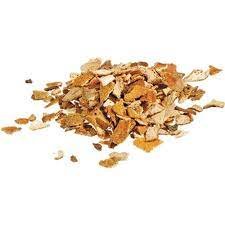
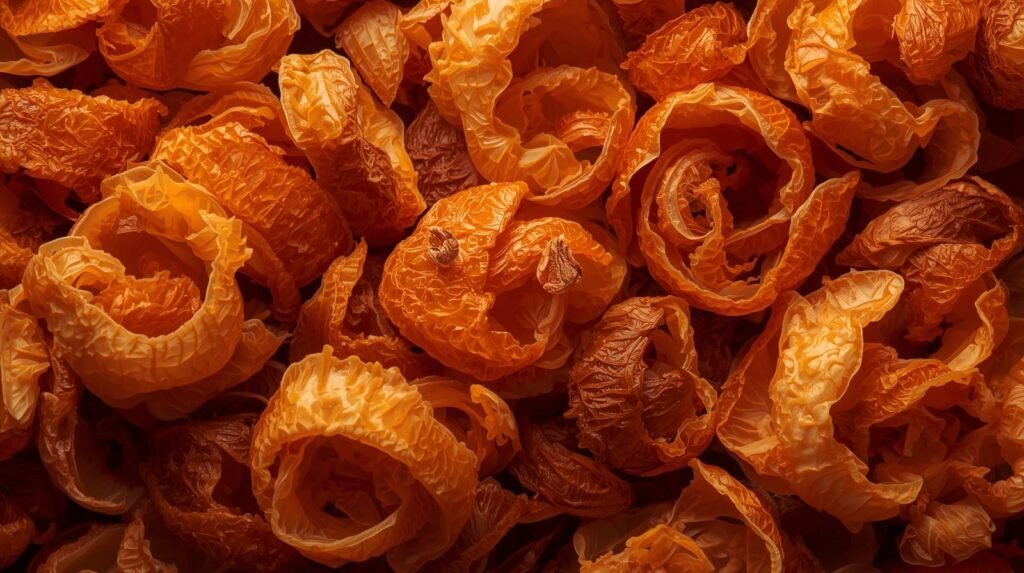
- The “Orange Peel” Synergy: To mimic the advanced fat-oxidation properties found in professional supplements like CitrusBurn, pair your fresh cinnamon sticks with dried Seville orange peel. This combination creates a synergistic effect that targets both glucose regulation and lipid metabolism.
Why Consistency Matters for Health Enthusiasts
If you are using cinnamon as part of a wellness or weight loss routine, predictable dosing is essential. One stick may be rich in cinnamaldehyde, while another from the same batch has oxidized.
9. Smart Ways to Use Cinnamon Sticks While They’re Still Potent
1. Simmer Cinnamon Sticks Into Everyday Foods and Drinks for Metabolic Support
One of the most effective ways to unlock both flavor and health benefits from cinnamon sticks is through gentle simmering. Heat helps release the spice’s natural oils, enhancing its aroma, taste, and functional properties.
If you are using cinnamon for weight management or blood sugar balance, these methods help preserve its active compounds:
You can easily incorporate cinnamon sticks into:
- Chai tea, herbal infusions, or even your morning coffee
- Hot cocoa, mulled wine, or spiced cider
- Oatmeal, porridge, or rice pudding
- Soups, broths, and slow-cooked stews
Cinnamon Tea (Daily Metabolic Support)
Steep 1–2 sticks in hot water for 10–15 minutes.
Benefits:
- Supports blood sugar control
- Provides antioxidants
- May support mild thermogenesis
Tip: If the sticks are older, use more or steep longer.
Why this method works:
Slow heat extraction releases essential oils like cinnamaldehyde, which not only deepens flavor but also contributes to cinnamon’s antioxidant and metabolism-supporting properties.
2. Infuse Honey, Oil, or Vinegar
Infusing cinnamon sticks into everyday staples is a simple way to add flavor, aroma, and functional benefits without extra effort.
Add a few cinnamon sticks to:
- Raw honey for natural sweetness with soothing, immune-supporting properties
- Olive oil or coconut oil for a warm, spiced note in cooking or drizzling
- Apple cider vinegar for flavorful salad dressings or wellness tonics
Let the mixture sit for 5–7 days in a sealed container, allowing the cinnamon to release its natural compounds.
Why this method works:
Infusion gently extracts cinnamon’s active oils over time, creating a subtle, well-balanced flavor while preserving many of its beneficial properties.
3. Make Cinnamon Simple Syrup
Turn cinnamon sticks into a versatile natural sweetener and flavor booster by making a simple syrup. Just simmer the sticks with water and sugar to extract their warm, aromatic essence.
Use cinnamon simple syrup to enhance:
- Coffee, lattes, and iced drinks
- Cocktails or alcohol-free mocktails
- Desserts, pancakes, and baked goods
Why this works:
Simmering allows cinnamon’s essential oils to blend smoothly with the syrup, creating a balanced, ready-to-use flavor base that elevates both drinks and sweet recipes without needing additional spices.
4. Toast and Grind for Maximum Freshness
Lightly dry-toast cinnamon sticks in a pan over medium heat for 1–2 minutes, then grind them into a fine powder just before use.
Why this matters:
Freshly ground cinnamon delivers noticeably better results than pre-ground versions because it retains more of its natural oils and active compounds.
You’ll benefit from:
- A stronger, richer aroma
- More intense, authentic flavor
- Improved bioavailability, especially for compounds linked to blood sugar balance and metabolism support
Pro tip: Only grind what you need. Fresh cinnamon loses potency quickly once powdered, so small batches ensure maximum freshness and effectiveness.
5. Add Depth to Savory Cooking
Cinnamon is not only limited to sweet dishes. It is a powerful spice for building depth, warmth, and complexity in savory recipes.
Use cinnamon sticks in:
- Indian curries for a rich, layered flavor base
- Moroccan tagines to enhance warmth and subtle sweetness
- Mexican mole sauces for depth and balance
- Slow-cooked beans, lentils, and stews
How to use it effectively:
Add whole cinnamon sticks during the cooking process and let them simmer slowly with the dish. Remove before serving to avoid overpowering the flavor.
Why this works:
Slow cooking allows cinnamon to gently release its oils, infusing the dish with a balanced, aromatic warmth that enhances other spices without dominating them.
6. Create a Natural Home Fragrance
Turn cinnamon sticks into a safe, chemical-free air freshener by simmering them on the stove.
Combine with:
- Citrus peels (orange, lemon, or lime)
- Whole cloves
- Water
Let the mixture gently simmer to release a warm, comforting aroma throughout your home.
Why this works:
Heat activates the natural essential oils in cinnamon and citrus, creating a rich, inviting scent without synthetic fragrances—perfect for a clean, cozy atmosphere.
7. Use as a Natural Insect Repellent
Cinnamon is a simple, non-toxic way to help keep certain pests away especially ants.
Place cinnamon sticks:
- Near windowsills
- In pantry corners
- Around doorways and entry points
Why this works:
Cinnamon’s strong natural compounds and scent can disrupt scent trails and deter insects, making it a safe, chemical-free alternative to conventional repellents—ideal for kitchens and food storage areas.
8. Repurpose for Crafts and Décor
Even after cinnamon sticks lose most of their taste, they often still retain a light, pleasant aroma, making them perfect for creative, non-food uses.
You can repurpose them for:
- Homemade potpourri blends
- Scented sachets for drawers and closets
- DIY décor projects and seasonal decorations
Why this works:
Cinnamon sticks naturally hold onto subtle aromatic oils, allowing them to continue adding a warm, comforting scent and rustic aesthetic long after they’re no longer ideal for cooking.
9. Compost When Fully Spent
Once cinnamon sticks have completely lost their aroma and no longer contribute flavor or fragrance, the most sustainable option is to compost them.
Add them to your compost bin where they will naturally break down over time and return organic matter to the soil.
Why this matters:
Even after their culinary and aromatic life ends, cinnamon sticks still contribute to a zero-waste kitchen cycle, supporting soil health and reducing household food waste.
Spices, Metabolism, and Healthy Habits - Ciinamon Sticks
Spices may help to support healthy eating habits, consistency, and metabolic wellness goals when used regularly as part of a balanced lifestyle. While no spice works as a standalone solution, certain spices are widely studied for their role in blood sugar balance, digestion, and mild thermogenic (heat-producing) effects.
Cinnamon, in particular, is one of the most commonly discussed spices in the context of metabolic and blood sugar support, making it a powerful addition to daily routines when used fresh and consistently.
Cinnamon contains cinnamaldehyde, its key active compound, which is often studied for its role in metabolic and blood sugar-related health support.
It has been associated with:
- Supporting a healthy blood sugar response after meals
- Helping reduce post-meal glucose spikes
- Mild thermogenic effects that may support energy expenditure
- Improved insulin sensitivity in certain research contexts
Fresh cinnamon is typically more effective in practice because it retains a higher concentration of volatile oils and active compounds, resulting in stronger aroma, better flavor, and greater overall potency compared to older, depleted sticks.
How to Build Spices Into Daily Habits
The real benefit of spices comes from consistency, not quantity. When you integrate them into routines you already follow, they become more effective over time as part of a healthy lifestyle.
Morning Routine
Start your day by replacing refined sweetness with warming spices:
- Add cinnamon to coffee, tea, or oatmeal instead of sugar
- Supports more stable energy levels
- May help reduce early-day cravings
This simple swap helps set a steadier metabolic rhythm for the day.
Before Meals
Use spices to gently prepare your digestive system:
- Drink cinnamon tea or a warm spice infusion before eating
This can support smoother digestion and may help reduce post-meal discomfort or heaviness.
During Cooking
Spices are most powerful when built into everyday meals:
- Combine turmeric with black pepper in savory dishes
- Enhances flavor while supporting nutrient absorption
This pairing is especially effective because black pepper helps improve curcumin bioavailability from turmeric.
Post-Workout or Evening
Support recovery and balance with calming, anti-inflammatory options:
- Light spice broth or warm herbal-spice blends
These can help the body unwind, support recovery, and maintain overall metabolic balance.
Spices work best as part of a daily habit system, not occasional use. When consistently added to meals and routines, they help reinforce healthier choices, improve food satisfaction, and support long-term wellness goals naturally.
Why Cinnamon Stick Freshness Matters for Metabolic Support
Cinnamon sticks deliver their full value only when their volatile oils and bioactive compounds such as cinnamaldehyde are still intact. When used consistently, spices like cinnamon, ginger, turmeric, and cayenne can support healthier eating habits, better digestion, and overall metabolic balance as part of a well-structured diet.
However, freshness plays a key role in how effective they are.
What Happens as Cinnamon Sticks Age
Over time, exposure to air, light, and heat naturally reduces spice quality:
- The aroma becomes weaker
- Bioactive compounds gradually break down
- The overall functional impact becomes less noticeable
Even though aged spices are still safe to use, they often provide reduced sensory and metabolic value.
Why Old Cinnamon Sticks Lose Metabolic Potency
Old cinnamon sticks don’t become unsafe, but they do lose much of their functional and metabolic value over time. This happens mainly due to natural processes like oxidation and volatilization, where active compounds slowly break down or evaporate.
Key Bioactive Compounds That Decline Over Time
- The primary active compound in cinnamon
- Responsible for its aroma and many of its metabolic effects
- Gradually evaporates as essential oils are lost
- If the stick no longer smells strong, most cinnamaldehyde activity has already diminished
- Antioxidants linked to insulin sensitivity and metabolic support
- Break down through exposure to light, air, and heat
- As they degrade, cinnamon’s supportive effects on glucose metabolism become weaker
Essential Oils
- Carry cinnamon’s thermogenic and anti-inflammatory properties
- Once these oils dissipate, the stick loses its signature aroma and much of its functional value
- A “scentless” stick is usually a low-potency stick
Coumarin (in Cassia cinnamon)
- Naturally present in some cinnamon varieties
- Also declines over time, though its reduction is less relevant from a wellness perspective
What This Means for Metabolic Support
When cinnamon becomes stale:
- The thermogenic “signal” from cinnamaldehyde is reduced
- Support for blood sugar balance and insulin response becomes weaker
- The spice loses much of its ability to contribute to fat metabolism signaling pathways
Does Cinnamon Stick Help With Weight Loss Naturally?
Cinnamon can support weight loss naturally, but it is not a magic fat-burner on its own. Think of it as a supportive ingredient, not a standalone solution. Cinnamon can improve insulin sensitivity, which helps your body manage blood sugar better. By improving insulin function and lowering inflammation, cinnamon may help reduce fat storage, especially around the abdomen.
It may help you to reduce appetite and help you feel satisfied after meals. Cinnamon won’t cause weight loss by itself. It is not a “magic pill.” The results will come with a combined effort of balanced diet, calorie control and regular movement.
Why Modern Metabolism Needs More Than Just Cinnamon?
Cinnamon can support metabolic health, but it is not a complete strategy on its own. Research suggests its effects on blood sugar control, insulin sensitivity, and weight management are modest and supportive, and they work best when combined with broader lifestyle habits like nutrition, movement, sleep, and stress management.
The Problem With Single-Ingredient Thinking
Modern metabolic health is complex. It involves multiple biological systems working together, including hormones, energy balance, inflammation, and gut health. No single spice can address all of these pathways.
What Cinnamon Does Well
Cinnamon is best understood as a supportive wellness spice, not a treatment or cure. When used consistently as part of a balanced diet, it may offer gentle metabolic and digestive support.
Key Areas Where Cinnamon May Help
- Supports healthy blood sugar response after meals
- May help reduce post-meal glucose spikes, especially when paired with balanced eating
- Provides mild support for insulin sensitivity in some research contexts
Why Consistency and Freshness Matter
These benefits are most relevant when cinnamon is:
- Used regularly in daily routines
- Added to meals or drinks as part of an overall healthy lifestyle
- Fresh and aromatic, retaining more of its natural active compounds
What Cinnamon Cannot Do
While cinnamon can be a helpful addition to a healthy routine, it also has clear biological and practical limitations. Understanding these helps set realistic expectations and prevents overestimating its role in metabolic health.
1. It cannot fix chronic stress
High and ongoing stress increases cortisol levels, which is strongly associated with fat storage especially around the abdominal area. Cinnamon does not directly influence or regulate stress hormones, so it cannot address stress-driven weight gain on its own.
2. It cannot correct poor sleep
Sleep plays a central role in metabolic regulation. Disrupted or insufficient sleep affects key hunger hormones like ghrelin and leptin, which control appetite, cravings, and satiety. Cinnamon has no direct impact on sleep quality or hormonal sleep regulation.
3. It cannot replace physical activity
Regular movement and resistance training are essential for maintaining metabolic health and muscle mass. No spice, including cinnamon, can replicate the effects of physical activity on energy expenditure or fat metabolism.
4. It cannot offset an unhealthy diet
Diets high in ultra-processed foods, refined sugars, and unhealthy fats can overwhelm any minor benefits provided by spices. Cinnamon cannot neutralize the impact of consistently poor nutritional choices.
5. It cannot repair gut imbalance
A disrupted gut microbiome affects digestion, nutrient absorption, inflammation, and even metabolic signaling. While spices may support digestion, cinnamon alone cannot restore or rebalance gut health.
What Modern Metabolism Actually Needs
Sustainable metabolic health is not driven by any single food or spice. It is built on a combination of consistent lifestyle foundations that support energy balance, hormone regulation, and overall body function.
1. Resistance Training
Building and maintaining muscle through strength or resistance training is essential because muscle tissue is metabolically active. It helps improve overall energy expenditure and supports long-term metabolic health.
2. Adequate Protein Intake
Protein plays a key role in:
- Supporting satiety and reducing overeating
- Maintaining lean muscle mass
- Improving overall metabolic efficiency through digestion and absorption processes
3. Consistent Sleep (7–9 Hours)
Quality sleep is critical for hormonal balance. It helps regulate key hormones involved in appetite control, energy levels, and metabolic stability.
4. Stress Management
Chronic stress elevates cortisol, which can influence fat storage patterns and disrupt metabolic balance. Managing stress supports healthier hormonal signaling and better long-term outcomes.
5. Whole-Food Nutrition
A diet rich in whole foods provides:
- Fiber for digestive health
- Micronutrients for cellular function
- Reduced exposure to ultra-processed ingredients that can negatively impact metabolism
Building a Stronger Metabolic Support System
While foundational habits like sleep, movement, protein intake, and whole-food nutrition form the base of metabolic health, certain plant-based compounds can offer additional support when used consistently and intelligently.
This is where ingredients like citrus peels, thermogenic spices, and plant-derived bioactives become especially relevant.
Citrus Peels and Natural Metabolic Activity
Citrus peels especially from oranges contain natural plant compounds called bioflavonoids. These compounds are often studied for their role in:
- Supporting fat metabolism pathways
- Encouraging natural energy expenditure
- Complementing blood sugar balance when paired with dietary habits
Thermogenesis and Energy Expenditure
Another key concept in metabolic support is thermogenesis, the process where the body produces heat and uses energy.
Certain plant compounds may support mild thermogenic activity, including:
- Spices like cinnamon and ginger
- Citrus-derived plant compounds
- Natural stimulatory bioactives found in whole foods
This process does not replace exercise or diet, but it can complement overall energy balance when combined with healthy routines.
Plant-Based Metabolic Support
Plant-based compounds often work best as part of a synergistic system, rather than in isolation. Instead of targeting one pathway, they may support multiple areas such as:
- Digestion and nutrient absorption
- Energy utilization
- Appetite and satiety signaling
This layered approach reflects how modern nutritional science views metabolism: multi-pathway, not single-ingredient driven.
Where Advanced Blends Fit In
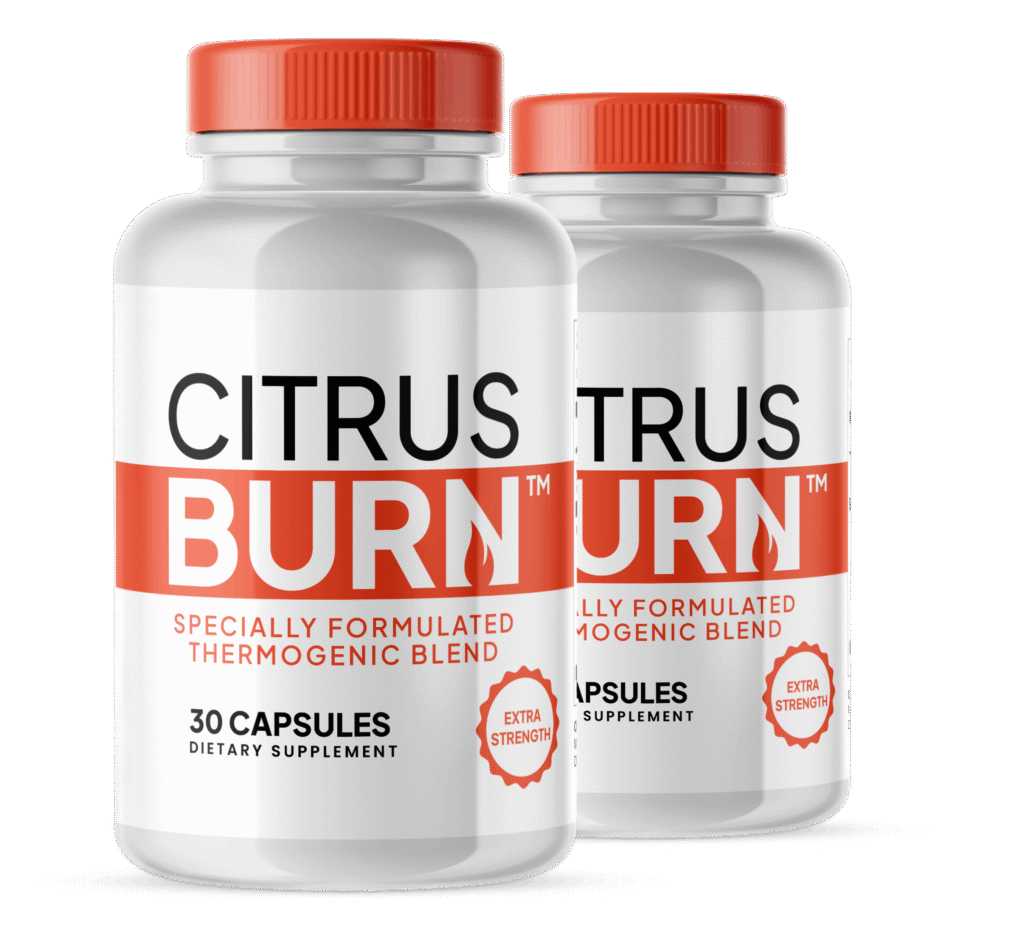
“CitrusBurn combines citrus extracts with metabolism-supporting compounds designed to work alongside natural dietary habits, focusing on thermogenesis, energy balance, and plant-based metabolic support in a more structured and consistent way.”
New studies show the real reason most people struggle to lose weight, especially after 35, is something called thermogenic resistance.
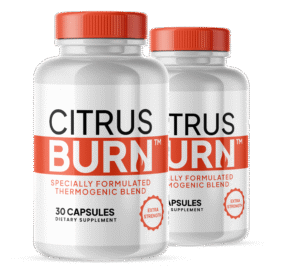
One of the only supplements in the world with a science-backed blend of 7 rare botanicals like Seville Orange Peel, Spanish Apple Vinegar, & Himalayan Ginger…
Scientifically shown to help optimize the body’s natural fat-burning capacity, naturally, even while you sleep.
180-DAY & 100% SATISFACTION Guarantee
Cinnamon vs CitrusBurn for Weight Support
When it comes to metabolic and weight-support strategies, it’s important to understand the difference between a natural spice used in daily cooking and a standardized multi-ingredient formulation designed for targeted metabolic support.
Both cinnamon and advanced blends like CitrusBurn can play roles in a wellness routine. But their function, strength, and consistency are very different.
Cinnamon Sticks (Natural Spice Approach)
Cinnamon is a traditional kitchen spice best used as part of everyday nutrition.
Primary Role
- Supports healthy blood sugar response
- Helps moderate post-meal glucose spikes
- Provides mild, natural metabolic support
How It Works
Cinnamon contains cinnamaldehyde, which is associated with:
- Mild thermogenic activity
- Insulin sensitivity support
- Antioxidant effects
Strengths
- Natural and widely accessible
- Easy to add to daily meals and drinks
- Supports consistent healthy habits
Limitations
- Potency varies depending on freshness and storage
- Active compounds degrade over time
- Effects are generally mild and indirect, not targeted fat loss
Bottom line: Cinnamon is a supportive daily habit—not a structured weight-loss tool.
CitrusBurn (Advanced Botanical Blend Approach)
CitrusBurn is positioned as a multi-ingredient metabolic support formula designed to work across several pathways.
Primary Role
- Supports thermogenesis (energy expenditure)
- Targets fat oxidation pathways
- Supports appetite and energy balance
Key Concept
It combines standardized plant extracts such as:
- Citrus bioflavonoids (from Seville orange peel)
- Thermogenic botanicals like ginger and capsicum compounds
- Additional plant-based metabolic support ingredients
Strengths
- Standardized and consistent potency
- Designed for multi-pathway metabolic support
- Focuses on thermogenesis and fat oxidation signals
- Not dependent on spice freshness or variability
Limitations
- Individual results may vary
- Works best alongside diet, exercise, and lifestyle habits
- Not a standalone solution for weight management
The Honest Takeaway
Neither cinnamon nor any supplement replaces core lifestyle factors like nutrition, movement, sleep, and stress management.
- Cinnamon supports small daily metabolic improvements through food habits
- CitrusBurn is designed to amplify and standardize metabolic support pathways
Used correctly, they are not competitors. Infact they operate at different levels of the wellness system.
Cinnamon vs Weight Loss Supplements CitrusBurn
Feature | Cinnamon Sticks (Raw Spice) | CitrusBurn (Multi-Ingredient Supplement) |
Primary Purpose | Supports blood sugar balance and general dietary wellness | Supports multi-pathway metabolic function including thermogenesis and fat metabolism |
Core Role in Weight Support | Helps regulate post-meal glucose response and cravings indirectly | Targets energy expenditure, fat utilization, and metabolic signaling more directly |
Key Active Compounds | Cinnamaldehyde (natural, variable, declines with age) | Standardized plant extracts including citrus bioflavonoids, ginger, capsicum-related compounds, and other botanicals |
Metabolic Mechanism | Indirect support via glucose regulation and mild insulin sensitivity effects | Multi-pathway support including thermogenesis, lipid oxidation, and appetite regulation |
Thermogenesis Effect | Mild and indirect | More structured support for energy expenditure and metabolic heat production |
Fat Loss Pathway Impact | Limited, mainly indirect through blood sugar control | Broader support for fat utilization and metabolic signaling pathways |
Potency & Consistency | Varies significantly depending on freshness, storage, and age | Standardized formulation ensures consistent potency and dosing |
Dependency on Freshness | High — active compounds degrade over time | Low — designed for shelf-stable, consistent performance |
Bioavailability | Natural but limited absorption and variability in extraction | Optimized extract forms designed for better absorption and consistency |
Best Use Case | Daily cooking, teas, and natural blood sugar support habits | Structured metabolic support alongside lifestyle and dietary routines |
Lifestyle Dependency | Works best as part of healthy diet habits | Requires healthy lifestyle foundation for best results |
Limitations | Mild effects, inconsistent potency, not targeted for fat loss | Not a standalone solution; depends on diet, exercise, and sleep |
Overall Strength | Gentle, traditional, food-based support | Broader, multi-target metabolic support system |
Key Takeaway
Cinnamon is a natural, food-based metabolic support spice, best for daily wellness habits and blood sugar balance. CitrusBurn is a standardized multi-pathway supplement approach, designed to provide broader and more consistent metabolic support alongside a healthy lifestyle.
Is CitrusBurn Better Than Cinnamon for Weight Loss?
CitrusBurn is designed to provide broader and more structured metabolic support than cinnamon alone, but the comparison depends on how each is used and what role they play in a lifestyle routine.
Cinnamon is a traditional food spice with mild metabolic benefits, while CitrusBurn is positioned as a multi-ingredient formulation targeting several metabolic pathways at once.
CitrusBurn ingredients and benefits
1. Single Pathway vs Multi-Pathway Support
Cinnamon
Cinnamon is primarily known for its supportive role in metabolic and blood sugar health, rather than direct fat-burning effects.
It may help with:
- Blood sugar regulation, supporting more stable glucose levels after meals
- Mild improvement in insulin sensitivity in some research contexts
- Post-meal glucose balance, helping reduce sharp spikes in blood sugar
Overall, cinnamon works indirectly by supporting healthier glucose metabolism, rather than directly driving fat breakdown or significant calorie expenditure.
CitrusBurn
CitrusBurn is a natural metabolism support supplement. It is designed as a multi-pathway metabolic support formula, meaning it targets several biological processes at the same time rather than focusing on a single mechanism.
It is formulated to support:
- Thermogenesis, which relates to the body’s natural energy expenditure and heat production at rest
- Lipid oxidation, supporting the body’s ability to utilize stored fat as an energy source
- Appetite and energy balance, helping support more stable hunger and energy levels throughout the day
Overall, this multi-target approach is intended to support broader metabolic function, rather than focusing only on blood sugar regulation.
2. Consistency and Potency
Cinnamon
Cinnamon is a natural spice, which means its potency can vary depending on how it is sourced, stored, and used.
- Natural variation in potency between batches and origins
- Active compounds gradually decline with age, air exposure, and storage conditions
- Overall effect depends heavily on freshness, aroma strength, and quantity used
Because of this, cinnamon provides a more variable and less predictable level of active compounds over time.
CitrusBurn
CitrusBurn is designed for consistency and standardization.
- Standardized ingredient profile for uniform composition
- Consistent dosing of active plant extracts in every serving
- Not dependent on freshness, storage time, or spice quality
This makes its formulation more predictable and stable in terms of active compound delivery.
3. Metabolic Focus
Cinnamon
Cinnamon is best understood as a food-based wellness spice that supports general metabolic balance over time.
- Best suited for blood sugar stability and daily dietary support
- Works gradually as part of consistent eating habits and lifestyle routines
- Supports overall wellness through mild, indirect metabolic effects
CitrusBurn
CitrusBurn is positioned as a targeted metabolic support formulation designed to work across multiple pathways.
- Designed to support thermogenesis and fat metabolism pathways
- Focuses more directly on energy expenditure and metabolic signaling
- Built for broader, multi-mechanism metabolic support alongside lifestyle habits
4. Practical Reality Check
It is important to set realistic expectations when comparing natural spices and metabolic supplements.
- Cinnamon is a supportive dietary spice, not a weight-loss solution
It can contribute to overall wellness and blood sugar balance, but its effects are gradual and limited in scope. - CitrusBurn is a structured supplement approach, but it still depends on lifestyle factors
While it is designed to support multiple metabolic pathways, results are influenced by diet, activity, sleep, and consistency. - Neither replaces core lifestyle fundamentals
Sustainable weight management still relies on calorie balance, regular exercise, quality sleep, and stress control.
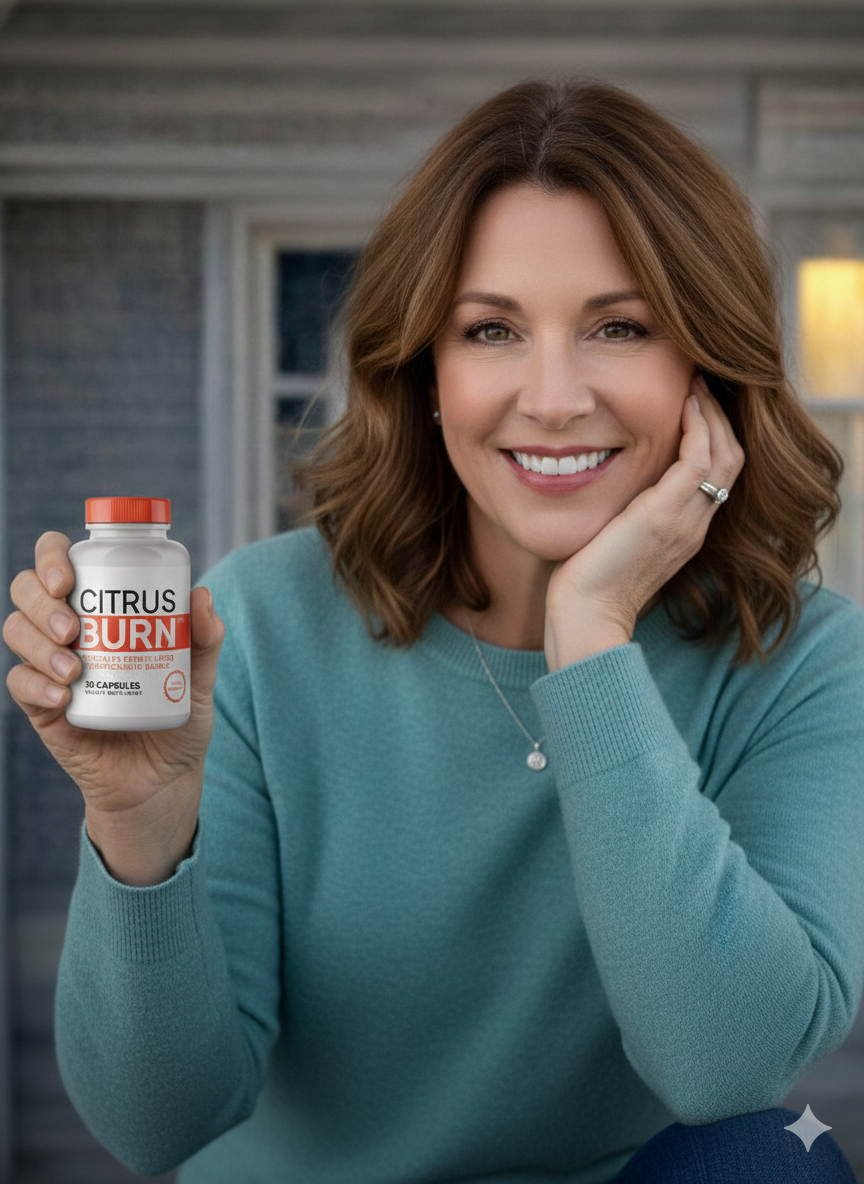
Is CitrusBurn Better Than Cinnamon for Weight Loss? (Detailed Comparison Table)
Category | Cinnamon (Natural Spice) | CitrusBurn (Metabolic Support Formula) |
Overall Role | Supports general metabolic wellness through food-based use | Designed for structured metabolic and weight-support pathways |
Primary Function | Helps regulate blood sugar and post-meal glucose response | Targets thermogenesis, fat metabolism, and energy balance |
Weight Loss Support Type | Indirect support via improved glucose control and reduced cravings | More direct multi-pathway support for energy expenditure and fat utilization |
Core Mechanism | Mild insulin sensitivity support and glucose regulation | Multi-pathway metabolic signaling including thermogenesis and lipid oxidation |
Active Compounds | Cinnamaldehyde (natural, variable potency) | Standardized citrus bioflavonoids + thermogenic botanical extracts |
Thermogenesis Effect | Mild and indirect | More structured support for energy expenditure at rest |
Fat-Burning Potential | Limited and secondary (mainly through blood sugar balance) | Broader support for fat metabolism and energy utilization pathways |
Consistency of Results | Varies based on freshness, storage, and usage amount | More consistent due to standardized formulation and dosing |
Dependence on Freshness | High — potency declines over time | Low — designed for stable, shelf-consistent activity |
Best Use Case | Daily cooking, teas, and natural dietary habits | Structured support alongside diet and exercise for weight management goals |
Speed of Noticeable Effects | Gradual and subtle over time | Potentially more noticeable when combined with lifestyle changes |
Limitations | Mild effects, not targeted for fat loss, variable potency | Not a standalone solution; still requires healthy lifestyle habits |
Scientific Support Level | Moderate evidence for blood sugar support; limited direct weight-loss data | Mixed but broader mechanistic support across multiple metabolic pathways |
Safety & Accessibility | Widely available, safe as a culinary spice in normal amounts | Supplement form; depends on product quality and usage guidance |
Overall Effectiveness for Weight Loss | Supportive but limited impact alone | More comprehensive metabolic support system (when paired with lifestyle changes) |
CitrusBurn remains a best plant based metabolism support supplement alternative to fat burners however, the most important factor remains the same for both:
Neither replaces a healthy diet, movement, sleep, or stress management.
“According to Mayo Clinic and National Institutes of Health, most fat-burning supplements provide modest results unless combined with lifestyle changes.”
Is CitrusBurn Safe For Daily Use?
For most healthy adults, CitrusBurn is generally safe when used exactly as directed.
However, since it contains active plant compounds like bitter orange (p-synephrine) and caffeine, it’s not suitable for everyone.
- Follow the recommended dose
Always stick to the label instructions (usually 1–2 capsules per day).
Taking more will not speed up weight loss — it can increase side effects. - Be mindful of caffeine intake
CitrusBurn already contains natural stimulants.
Avoid combining it with: - Energy drinks
- Pre-workout supplements
- Too much coffee
This helps prevent jitters, anxiety, or a fast heartbeat.
- Take it at the right time
Because it boosts energy, it’s best taken earlier in the day.
Taking it late (afternoon or evening) may disturb your sleep.
Who Should Be Extra Careful?
Some people should avoid CitrusBurn or talk to a doctor before using it:
- People with heart conditions
Ingredients like bitter orange and caffeine may raise heart rate and blood pressure.
If you have hypertension or heart issues, consult your doctor first. - Pregnant or breastfeeding women
This supplement is not recommended during pregnancy or while nursing. - If you take medications
CitrusBurn may interact with certain medicines, including: - Antidepressants (like MAOIs)
- Heart medications
- Drugs processed by the liver
- If you are sensitive to stimulants
If caffeine makes you feel anxious or shaky, you may experience: - Headaches
- Nausea
- Restlessness
Your daily habits will always have the biggest impact on your results.
Medical Disclaimer:
The information provided in this article is for educational and informational purposes only and is not intended as medical advice. While Cinnamon Stick have been associated with health benefits, it should not be used as a substitute for professional medical care, diagnosis, or treatment. Always consult a qualified healthcare provider before starting any new dietary supplement, herbal remedy, or wellness routine, especially if you have underlying health conditions, are pregnant or breastfeeding, or are taking prescription medications.
Related Posts You May Want to Read
Cinnamon Stick Recipes: 29 Easy, Flavor-Packed Ideas for Drinks, Desserts & Savory Dishes
7 Reasons CitrusBurn Is the Most Convenient Way to Use Bitter Orange for Weight Loss
Seville Orange Peel for Weight Loss: Benefits, Dosage, Safety, and Science Explained
15 Magnesium-Rich Herbs and Spices: Are You Getting Enough?
7 Proven Health Benefits of Dried Orange Peel That Will Surprise You
How Dried Seville Orange Peel May Support Weight Loss Naturally
What Is Dried Orange Peel and 5 Health Benefits You Should Know
Disclosure note
We work hard to search, write and get quality content to reach you. We are not paid anything in return. We are happy to pay for this website and domain to keep the community going.
We run ads on our site to make a few cents a month, and the more people that see our content, the more likely someone is to engage with the ads on our site. We may earn a small affiliate commission from purchases. Please visit our disclaimer page here https://leenaspices.co.nz/disclaimer/
Here are a few ways that you can support the community. It is so simple, easy and free!
Engage with us on social media and share our content with your family and friends. This will help our blog to grow.
Please follow us here and share your thoughts: Facebook
Easy, step-by-step instructions for creating your own spice blends from home.More than 200 spices from around the world
Frequently Asked Questions About Cinnamon Sticks
What is the difference between Ceylon and cassia cinnamon sticks?
Ceylon cinnamon, often referred to as ‘true cinnamon,’ is softer in texture, lighter in color, and known for its mild, sweet flavor. In contrast, Cassia cinnamon is harder, darker, and offers a bolder, spicier taste.
What is the Shelf Life of Cinnamon?
When stored properly in an airtight container and kept in a cool, dark environment, cinnamon sticks can maintain their flavor and aroma for up to one to two years. While both Ceylon and Cassia cinnamon generally have similar shelf lives under optimal conditions, Ceylon cinnamon—being more delicate—may lose its potency slightly faster than the more robust Cassia variety. Exposure to air, light, or heat can further accelerate the loss of flavor in both types, making proper storage essential for preserving quality.
Can cinnamon sticks grow mold?
Yes, cinnamon sticks can develop mold if they are exposed to moisture or stored in humid conditions. To ensure safety and quality, always inspect the sticks for any visible signs of mold or a musty odor before use. If contamination is suspected, it’s best to discard the affected sticks to prevent contamination.
Is it safe to use cinnamon sticks that have lost their flavor?
Flavorless cinnamon sticks are generally safe to use as long as they show no signs of mold or spoilage. However, due to their diminished aroma and taste, they are less effective in culinary applications and are better suited for non-edible uses such as crafts or potpourri.
Can I use cinnamon sticks past their best-by date?
Yes, you can reuse cinnamon sticks if they still appear intact and retain their aroma. However, keep in mind that the flavor will likely be milder with each use.
How can I revive old cinnamon sticks?
To enhance the flavor of older cinnamon sticks, you can lightly toast them in a dry skillet for 1–2 minutes. This gentle heat helps release some of their natural oils, reviving a bit of their aroma and flavor. However, it’s important to note that this method will not fully restore their original potency.
Can I grind old cinnamon sticks?
Yes, you can grind old cinnamon sticks into powder, but the resulting spice may lack the robust flavor of fresh cinnamon. Lightly toasting the sticks beforehand can help release some of their remaining oils and enhance the aroma.
Should I store cinnamon sticks in the fridge?
No, cinnamon sticks should not be stored in the refrigerator, as the moisture can cause them to lose their potency or develop mold. Instead, keep them in an airtight container in a cool, dry pantry away from direct light and heat.
Can I freeze cinnamon sticks to extend their shelf life?
Although freezing cinnamon sticks is not typically necessary due to their naturally long shelf life, it is an option if you want to extend their freshness. Store them in vacuum-sealed bags to protect against moisture and freezer odors. When ready to use, thaw at room temperature and inspect for any signs of deterioration before adding them to your recipes.
Do old cinnamon sticks lose their metabolic fat-burning compounds?
Yes, old cinnamon sticks lose potency in their key metabolic and fat-burning compounds over time, primarily due to degradation of volatile oils and cinnamaldehyde.