How to Make an Authentic Asian Dumpling Spice Blend at Home
Table of Contents
- Key Takeaways
- What Spices Are Used in Traditional Asian Dumpling Blends?
- How can I make an authentic dumpling spice blend at home?
- How can I make gluten-free dumpling spice blend?
- How long does homemade dumpling spice blend last?
- Why Homemade Dumpling Spice Blend Last Longer Than Store-Bought
- Frequently Asked Questions (FAQs)
Key Takeaways
What is an authentic Asian dumpling spice blend?
It is a balanced mix of classic Asian aromatics including ginger, garlic, white pepper, star anise, coriander, cumin, and Chinese five-spice designed to season dumpling fillings with depth and warmth.
Which spices are essential for traditional dumpling flavour?
Core essentials include ginger powder, garlic powder, white pepper, Chinese five-spice, coriander, cumin, cassia, cloves, and star anise. These provide heat, aroma, sweetness, and savoury complexity.
Can I make a gluten-free dumpling spice blend at home?
Yes. Using pure, single-ingredient spices and grinding whole spices yourself ensures the blend stays gluten-free and free from wheat-based fillers commonly found in pre-mixed seasonings.
How long does a homemade dumpling spice blend last?
When stored in an airtight container away from heat, light, and moisture, homemade blends keep optimal flavour for 6–12 months. They fade in aroma over time but do not spoil.
Why make your own dumpling spice blend instead of buying one?
Homemade blends avoid additives, guarantee freshness, allow full control over flavour balance, and eliminate the risk of gluten contamination often found in store-bought mixes.
How much spice blend should I use in dumpling fillings?
Use 1–2 teaspoons per 500 grams of filling, adjusting based on protein type and preferred intensity.
Does this spice blend work for other dishes?
Yes. It enhances stir-fries, marinades, broths, steamed vegetables, tofu dishes, noodle bowls, and pan-fried patties.
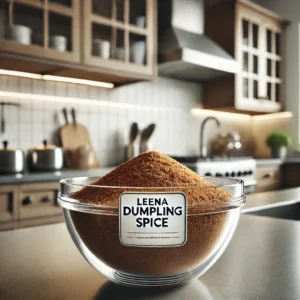
What Spices Are Used in Traditional Asian Dumpling Blends?
Asian dumpling spice blends vary across regions from Chinese and Taiwanese fillings to Southeast Asian and Himalayan styles, but they consistently rely on warm, aromatic spices that build depth, fragrance, and balance. While every culture has its own combination, the following spices are commonly used to create traditional dumpling seasonings throughout Asia.
Key Spices in Classic Asian Dumpling Blends
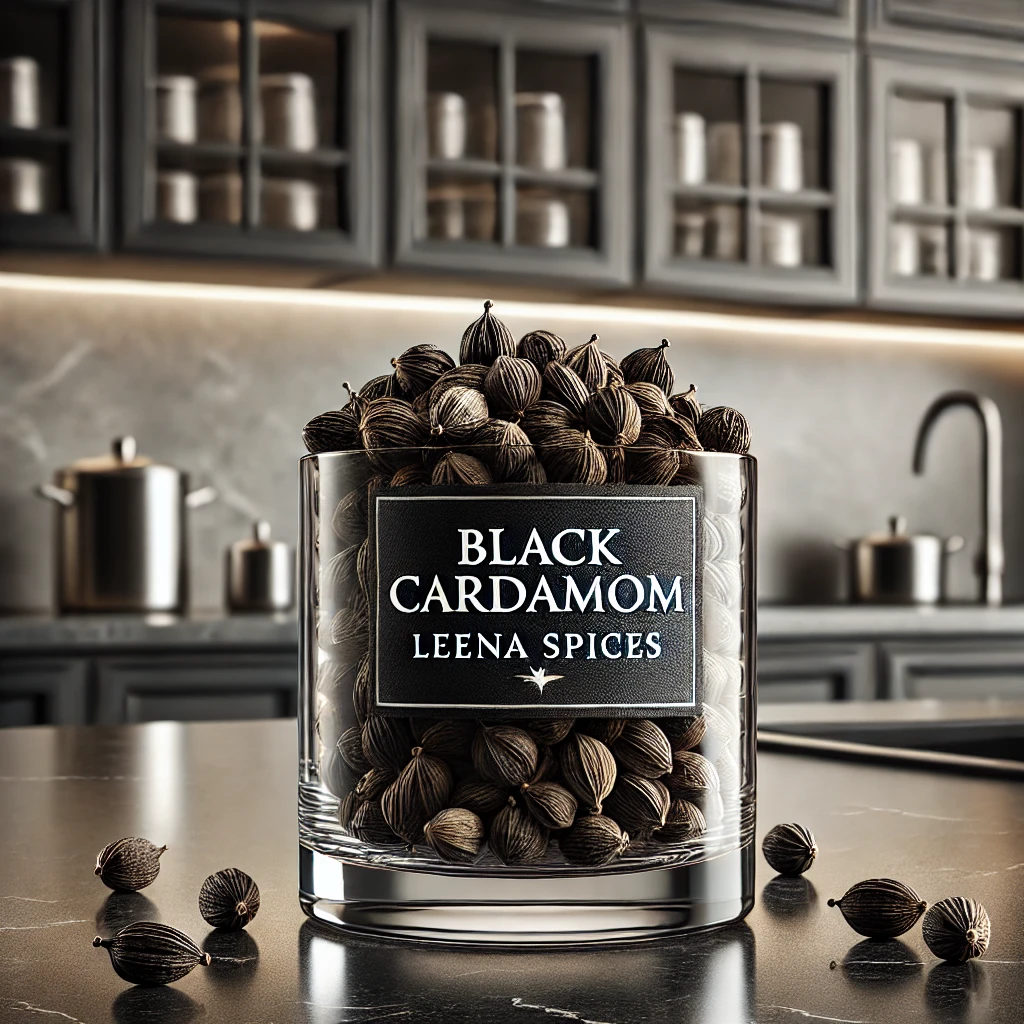
Cardamom
Adds sweet, citrusy warmth. Often used in Tibetan, Nepali, and South Asian dumplings to create a rounded, aromatic base.
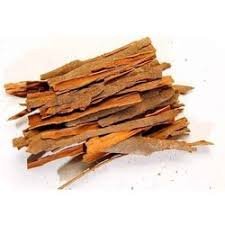
Cassia (Chinese Cinnamon)
A foundational spice in Chinese-style dumplings. Its woody, mildly sweet character enhances pork, chicken, and vegetable fillings.
Celery Seed or Powder
Used in northern Chinese dumplings to add herbal brightness and a savory backbone.
Chinese Five-Spice
A signature blend containing star anise, cloves, cinnamon, fennel, and Sichuan peppercorn. It delivers the classic sweet-spicy aroma found in traditional Chinese dumplings.
Chives
A key herb in many East Asian dumpling fillings. Dried chives provide mild onion notes and a grassy freshness.
Cilantro (Coriander Leaf)
Used dried in spice blends for Southeast Asian dumplings, contributing citrusy, herbal lift.
Cloves
Potent, warm, and slightly sweet. Used sparingly for depth and aromatic complexity.
Coriander
One of the most versatile spices in Asian dumplings. It adds earthy, citrusy warmth and blends well with ginger, garlic, and cumin.
Cumin
Common in Tibetan, Nepali, and North Indian dumplings such as momo. It adds earthy richness and a grounded warmth.
Galangal Powder
A Southeast Asian staple. Sharper and more floral than ginger, galangal adds brightness to Thai and Indonesian dumpling seasonings.
Garlic Powder
Provides a strong savory foundation and enhances umami. Frequently used in all-purpose dumpling spice blends.
Ginger Powder
Delivers heat, fragrance, and digestive warmth—one of the essential spices in Chinese, Japanese, Korean, and Himalayan dumplings.
Paprika
Adds color and mild sweetness. Used in fusion dumplings and regional blends across East and Southeast Asia.
Star Anise
Sweet, licorice-like, and intensely aromatic. A core component of Chinese flavor profiles, commonly paired with cassia and cloves.
Turmeric
Used in South and Southeast Asian dumpling blends to provide color, warmth, and mild earthy bitterness.
White Pepper
The classic pepper choice for Chinese dumplings. Its clean, sharp heat and slightly fermented aroma complement pork, prawn, and vegetable fillings.
How can I make an authentic dumpling spice blend at home?
Ingredients
- Cardamom – 2 g
- Cassia (Chinese cinnamon) – 7 g
- Celery seed/powder – 3 g
- Chinese five-spice – 12 g
- Chives (dried) – 3 g
- Cilantro (dried coriander leaf) – 3 g
- Cloves – 7 g
- Coriander – 12 g
- Cumin – 12 g
- Galangal powder – 3 g
- Garlic powder – 7 g
- Ginger powder – 7 g
- Paprika – 7 g
- Star anise – 7 g
- Turmeric – 5 g
- White pepper – 3 g
Method: How to Blend It for Maximum Aroma
- Prepare the spices Ensure all spices are fresh, dry, and free of moisture. If using whole cassia, cloves, coriander, cumin, cardamom pods, or star anise, lightly toast them in a dry pan for 1–2 minutes until fragrant. Allow them to cool completely.
- Grind (if using whole spices) Use a spice grinder or mortar and pestle to grind all whole spices to a fine, even powder. This step brings out far more aroma than using pre-ground spices.
- Combine everything Mix all spices—including powdered ingredients like garlic, ginger, turmeric, and paprika—until the blend is uniform and evenly colored.
- Store correctly Transfer the blend into an airtight glass jar. Keep it in a cool, dark, dry place to protect it from heat, light, and humidity. When stored well, the blend stays at peak flavor for about 3–6 months and remains usable for up to 1 year.
How to Use This Blend
This spice blend works beautifully in:- Pork, chicken, prawn, and vegetable dumpling fillings
- Momo, wonton, mandu, gyoza, and baozi mixes
- Broth or dipping sauces
- Seasoning for stir-fries or pan-fried dumpling bases
How can I make gluten-free dumpling spice blend?
Creating a gluten-free dumpling spice blend is straightforward when you focus on pure spices and avoid additives that may contain wheat, barley, rye, or cross-contaminated starches. Most herbs and spices are naturally gluten-free, but the processing, fillers, and anti-caking agents used in commercial blends can introduce gluten.
Core Principles for Gluten-Free Dumpling Spice Blends
- Choose naturally gluten-free spices such as garlic powder, ginger powder, white pepper, black pepper, coriander, cumin, star anise, fennel, cinnamon, cloves, and authentic Chinese five-spice without wheat-based fillers.
- Use only single-ingredient spices. Check that each spice lists one ingredient only—no starches, flavors, or carriers.
- Avoid pre-mixed dumpling seasonings. Many commercial blends include wheat-derived additives or use shared equipment.
- Add heat carefully. Chili flakes, chili powder, and Sichuan peppercorns are gluten-free by nature, but always check processing sources in APAC brands where cross-contamination is common.
Why Many Store-Bought Dumpling Spice Blends Are Not Gluten-Free
Commercial dumpling spices often contain hidden gluten for texture, stabilization, or bulk. Common sources include:
- Maltodextrin (often wheat-derived in APAC products)
- Soy sauce powder, hoisin powder, or oyster sauce powder
- Modified food starch without a source listing
- Anti-caking agents made from wheat starch
- Cross-contamination in spice grinders or shared scoops at wet markets or bulk bins
Even blends labeled as “Chinese five spice” or “dumpling seasoning” can contain wheat-based fillers to maintain flow and reduce clumping.
The Safest Strategy: Start with Whole Spices
For reliable gluten-free results, buy whole spices and grind them yourself. Whole star anise, fennel seeds, peppercorns, cinnamon sticks, cloves, cumin seeds, and dried chilies are naturally gluten-free and far less likely to be contaminated. Grinding at home eliminates the biggest risks: hidden fillers and contaminated commercial grinding machines.
What to Watch For in Pre-Ground Spices
If you prefer using ground spices, choose brands that:
- Are certified gluten-free
- List only one ingredient
- Avoid vague terms such as “spice blend,” “modified starch,” “seasoning mix,” or “natural flavors” without source clarification
- Are packaged—not sold in shared bulk bins
Bulk-bin spices are high risk due to shared scoops, airborne flour, and non-dedicated equipment.
Watch the Video
⚡️The Ultimate Keto Meal Plan⚡️
How long does homemade dumpling spice blend last?
Homemade dumpling spice blends can stay fresh and effective for 6 months to 1 year, provided they’re stored with care. These blends don’t usually “go bad” in a way that makes them unsafe; instead, they gradually lose their aromatic oils, which softens the flavor and reduces their impact in dumpling fillings. The real change is potency, not safety.
To maintain the best flavor profile, treat your spice blend the same way professional kitchens handle high-value seasonings:
- Use an airtight container to reduce oxidation and preserve essential oils.
• Store it in a cool, dry, dark place—a pantry or closed cupboard is ideal.
• Limit how often the jar is opened, because every exposure to air accelerates aroma loss.
Most ground spices begin to fade after the 6-month mark, even under excellent storage conditions. They remain usable for up to a year, but you may notice a milder aroma or need to use slightly more to achieve the same flavor intensity. Whole spices last significantly longer, yet once ground and combined into a blend, their essential oils dissipate faster and the overall balance of flavors naturally shifts over time.
You can buy Pure and Gluten-Free Dumpling Spice Blend From Amazon
You’ll find several reputable brands offering pre-made blends in both small jars and bulk packs.
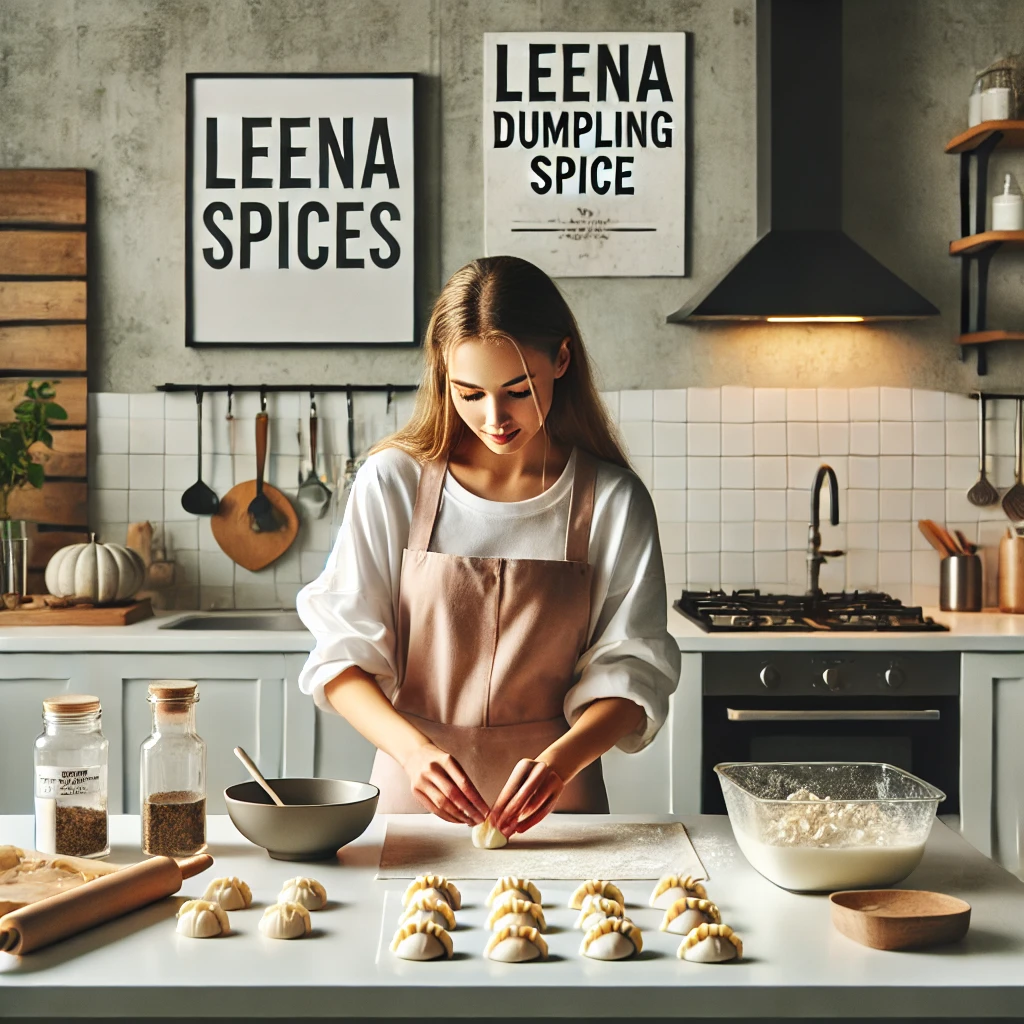
Why Homemade Dumpling Spice Blend Stay Fresher and More Flavorful Than Store-Bought
Key Differences
| Factor | Homemade | Store-Bought |
| Preservatives | None – flavor peaks for 3 months | Often included – flavor turns flat or chemical after 6 months |
| Anti-caking agents | None – pure spices give better aroma | Silicon dioxide can dull flavor |
| Spice ratios | Tailored to high-oil spices like sesame | Pre-mixed formulas degrade faster |
| Oil degradation | Slower when freshly ground | Faster rancidity once opened |
Shelf Life Guide: Homemade vs Store-Bought
| Type of Spice Product | Peak Potency | Useful Shelf Life | Best For |
| Homemade ground dumpling blend | 3–4 months | 4–8 months | Maximum freshness |
| Store-bought ground spices | 1–2 years after opening | 2–3 years unopened | Convenience |
| Whole spices (unmilled) | 2–4 years | 3–4 years | Long-term storage |
Why Ground Spices Fade Faster
- Oxidation Grinding exposes the inner compounds of spices, causing oils to evaporate and flavors to weaken.
- Moisture Sensitivity In humid kitchens—especially across Asia-Pacific—ground spices absorb moisture more readily, leading to clumping or reduced aroma.
- Heat and Light Exposure Kitchen heat speeds up oil breakdown. Sunlight bleaches color and reduces potency.
Best Storage Practices for Homemade Dumpling Spice Blends
To preserve freshness, guard your blend from the four enemies of spices: heat, light, air, and moisture.1. Choose Proper Containers
Recommended- Airtight glass jars
- Dark-coloured jars (amber or cobalt) to block light
- Small containers to reduce trapped air volume
- Plastic (absorbs odors, not airtight)
- Unlined metal tins
- Shaker lids (allow air exposure)
2. Store in a Cool, Dark Location
- Keep blends in a pantry or cupboard between 15–21°C (60–70°F).
- Never store spices above the stove, near dishwashers, or in sunny spots.
- Do not refrigerate or freeze ground blends—condensation causes immediate spoilage.
3. Handle with Care (Keep It Dry)
- Always use clean, dry spoons.
- Keep lids sealed immediately after use.
- Avoid opening the jar near steam or boiling pots.
How to Test Whether Your Blend Is Still Fresh
1. Aroma Test
Open the jar and take a direct sniff.- Strong and vibrant: still good.
- Weak or dusty: declining.
- Musty or stale: replace.
2. Rub Test
Rub ½ teaspoon between your fingers for 10 seconds. If the aroma doesn’t intensify, the essential oils are mostly gone.3. Visual Check
- Faded color
- Clumping
- Any mold or unusual dark patches
Practical Strategies to Extend Shelf Life
1. Grind Small Batches
Keep whole spices in bulk and grind only what you’ll use in 4–6 weeks.2. Toast Spices Before Grinding
Dry-toasting briefly (1–2 minutes) improves flavor and removes moisture, extending shelf life by 1–2 months.3. Use Natural Moisture Absorbers
- A few grains of uncooked rice
- Food-grade silica gel
4. Vacuum-Seal Portions
Perfect for bulk preparation; extends usability to 12–18 months.5. Freeze Whole Spices Only
Whole spices freeze well for 3–4 years. Never freeze ground blends.Recommended Batch Sizes
- Weekly dumpling makers: ¼ cup at a time (4–6 weeks)
- Monthly users: 2 tablespoons (6–8 weeks)
- Special occasions: grind fresh the day you cook
When to Make a New Batch
Make fresh dumpling spice blend when:- Aroma fades significantly
- Color looks dull
- Your dumpling filling tastes flat
- The blend is older than 6 months
- You’re cooking for guests or a special event
How to Revive Nearly Expired Spices
If your blend is fading:- Spread it in a dry pan
- Toast for 30–60 seconds on low heat
- Cool completely
- Use within 2 weeks
Professional Storage Tips from Restaurant Kitchens
- Date every jar
- Use FIFO (first in, first out)
- Keep a master stash of whole spices
- Avoid humid areas
- Never use wet spoons
- Start with high-quality spices
Related Posts You May Want to Read
1 Secret of Asian Spice Blend That Will Transform Your Cooking
How to Make the Perfect Fried Chicken Spice Blend at Home | Crispy Asian Fried Chicken Recipe Guide
How to Make the Perfect Rendang Spice Blend: A Step-by-Step Guide for Home Cooks
Bami Goreng Homemade Spice Blend: Bring Indonesian Street-Style Fried Noodles to Your Kitchen
Frequently Asked Questions (FAQs)
What makes a homemade dumpling spice blend more flavorful than store-bought?
Homemade blends are fresher and free from anti-caking agents, preservatives, and fillers. Grinding whole spices at home preserves essential oils, resulting in stronger aroma and authentic taste.
Which Asian dumpling spice blend is best for pork or chicken fillings?
A balanced mix of ginger, garlic, Chinese five-spice, white pepper, star anise, and coriander works best. Adjust cumin and cloves depending on regional style (Chinese, Tibetan, or Nepali).
Can I store a homemade dumpling spice blend for more than a year?
Yes, if stored properly in an airtight, dark, cool, and dry container. However, aroma and potency peak in the first 6–8 months; after that, you may need slightly more to achieve the same flavor.
How do I make a gluten-free dumpling spice mix safely?
Use only pure, single-ingredient spices, grind whole spices yourself, and avoid bulk-bin powders. Check labels for wheat-derived maltodextrin or anti-caking agents.
What are the most commonly used spices in traditional Asian dumplings?
Essential spices include ginger, garlic, white pepper, Chinese five-spice, coriander, cumin, cassia, cloves, star anise, chives, and cilantro. Regional variations may add galangal, turmeric, or paprika.
How can I revive an old dumpling spice blend?
Spread the blend in a dry pan and toast on low heat for 30–60 seconds. This releases remaining essential oils, boosting aroma for short-term use, though it won’t fully restore original potency.
What is the ideal way to grind spices for a dumpling blend?
Grind whole spices using a mortar and pestle or electric spice grinder. Lightly toast harder spices like star anise, cassia, cloves, and cumin before grinding to maximize flavor and shelf life.
Can I use a dumpling spice blend for other dishes?
Absolutely. The blend enhances stir-fries, soups, broths, sauces, steamed vegetables, tofu, and pan-fried dishes, making it versatile beyond dumplings.
How do Asia-Pacific kitchens store dumpling spices professionally?
Professional kitchens date all jars, follow first-in-first-out (FIFO), store in airtight dark containers away from heat and steam, and grind only what they need in small batches for peak freshness.