Asario Seeds vs Chia Seeds: Which Is Better for Your Health?
Table of Contents
- Key Takeaways: Asario Seeds vs Chia Seeds
- What Are Asario (Halim) Seeds and What Do They Taste Like?
- Halim Seeds vs. Chia Seeds — Which Is Better?
- Frequently Asked Questions (FAQs)
Key Takeaways: Asario Seeds vs Chia Seeds
What is the main difference between Asario and Chia seeds?
Asario seeds are rich in iron, folate, and protein, making them ideal for anemia and women’s health. Chia seeds are packed with omega-3 fatty acids and fiber, supporting heart health and digestion.
Which seed is better for boosting iron and energy?
Asario seeds are the winner for iron and energy. They contain almost 8 times more iron than Chia seeds and also help improve hemoglobin naturally.
Which seed is best for heart, brain, and digestion?
Chia seeds are superior for heart and brain health due to high omega-3 content, and their fiber promotes better digestion and satiety.
Can I use both seeds in my daily diet?
Yes! Combine them for complete nutrition—chia in the morning for fiber and omega-3s, and Asario in the evening for iron, folate, and protein.
How should I prepare Asario seeds for best results?
Soak 1 teaspoon in water or milk for 4–8 hours until a gel forms. Mix with milk, smoothies, or laddoos to enhance taste and absorption of nutrients.


An advisor to the American Anti-Cancer Institute and 3-Time Canadian Natural Bodybuilding Champion, Mr. Wade Lightheart, is one of the world’s premier authorities on Natural Nutrition and Training Methods.
He says “Most healthy individuals typically only get 1-2 forms of magnesium at best (much of the population is deficient in all forms)
– but when you get all 7 major forms of magnesium, you can truly experience the benefits.”
🌿 What Are Asario (Halim) Seeds and What Do They Taste Like?
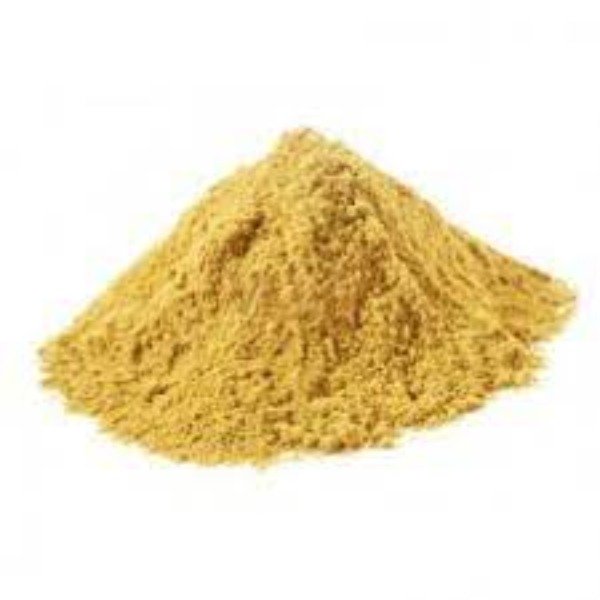
Asario seeds also known as Halim seeds, Aliv seeds, or Garden Cress seeds (Lepidium sativum)—are tiny, reddish-brown seeds prized across India, the Middle East, and Asia for their nutritional value and medicinal uses.
Belonging to the mustard family (Brassicaceae), these seeds share a peppery character with mustard and watercress, giving them a distinctive flavor that sets them apart in both sweet and savory dishes.
Originating in Southwest Asia and Egypt, Asario or Halim seeds have been cultivated for centuries and are now common in Indian households, where they are regarded as an Ayurvedic superfood. In traditional medicine, they are used to boost iron levels, improve digestion, strengthen immunity, and support women’s reproductive health particularly during postpartum recovery.
Nutritionally, these tiny seeds pack an incredible punch:
Nutrient (per 10g) | Amount | % Daily Value* |
Iron | 12 mg | 67% |
Protein | 2.5 g | 5% |
Fiber | 1.1 g | 4% |
Calcium | 80 mg | 8% |
Folic Acid | 50 µg | 12% |
*Based on a 2000-calorie diet for adult women. (Sources: USDA & Indian Food Composition Tables)
They are gluten-free, vegan, and keto-friendly, making them ideal for a wide range of dietary needs.
👅 Flavor Profile: What Do Asario (Halim) Seeds Taste Like?
Asario seeds have a sharp, peppery, and mildly tangy taste, often compared to mustard, arugula, or watercress. The flavor changes noticeably depending on how the seeds are prepared:
Form | Flavor Profile | Texture |
Raw (dry) | Nutty, slightly bitter, and peppery; leaves a gentle tingle on the tongue | Hard, crunchy |
Roasted | Toasty, earthy, and milder in spice | Crisp |
Soaked (in water or milk) | Nutty and mildly sweet, with reduced bitterness | Gel-like coating with a crunchy core |
Sprouted | Fresh, peppery, slightly grassy | Tender, crisp |
When soaked for 4–8 hours, the seeds form a mucilaginous (gel-like) layer—similar to chia or basil seeds—making them easier to digest and mildly sweet when mixed with jaggery, honey, or milk.
🍴 Traditional and Modern Uses
Asario seeds are extremely versatile. In Indian cuisine, they’re commonly added to milk-based drinks, desserts, and health tonics, while in modern cooking, they’re finding their way into smoothies, salads, and energy bars.
Preparation | Taste Experience |
Soaked in warm milk + jaggery | Creamy, nutty, and mildly sweet |
Mixed in Halim laddoos with ghee & nuts | Rich, toasty, dessert-like |
Sprinkled on salads or soups | Adds a peppery crunch |
Stirred into kheer or porridge | Smooth, earthy flavor |
Blended in smoothies | Subtle, nutty enhancement |
In Maharashtra, they’re known as Aliv seeds and used in sweet laddoos traditionally made for new mothers. In North India, roasted Halim seeds are stirred into warm drinks to increase stamina and vitality.
🌍 Common Names Across Regions
Language / Region | Name |
Hindi | Halim |
Gujarati | Asario |
Marathi | Aliv / Aaliv |
Malayalam / Kannada | Asaliya |
English | Garden Cress Seeds |
Arabic | Hab al Rashad |

🌿 Halim Seeds vs. Chia Seeds — Which Is Better?
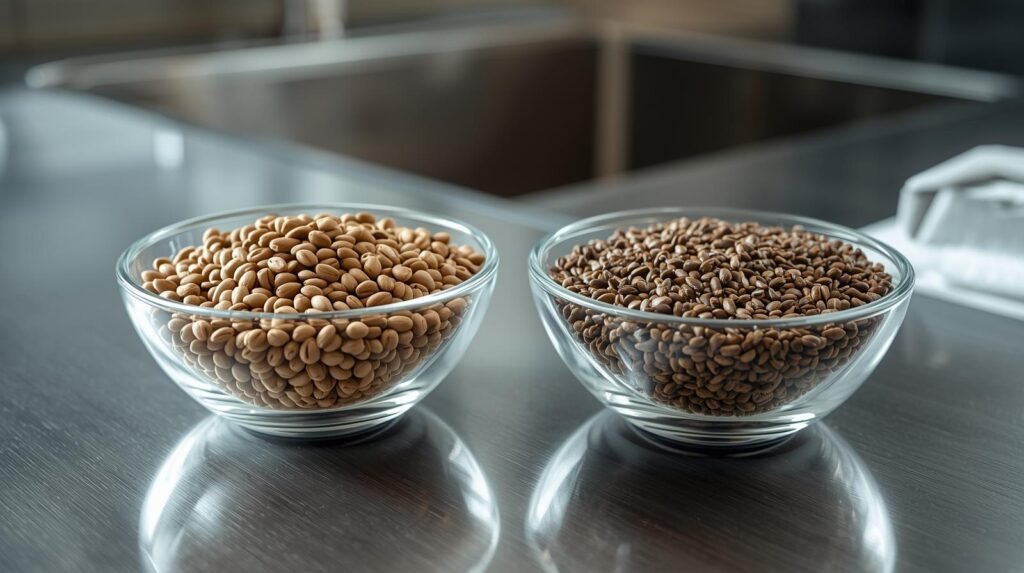
Both Halim seeds (also known as Asario, Aliv, or Garden Cress seeds) and Chia seeds have earned their place as modern superfoods. While they share some similarities, their nutritional strengths, traditional uses, and flavor profiles differ significantly. The better choice ultimately depends on your health goals, taste preference, and dietary needs.
🧠 Quick Overview
Aspect | Halim Seeds (Asario / Garden Cress) | Chia Seeds (Salvia hispanica) |
Primary Nutrients | High in iron, calcium, folate, vitamins A & C, protein | Rich in omega-3 fatty acids, fiber, calcium, magnesium, antioxidants |
Flavor | Sharp, peppery, tangy (mustard-like) | Mild, nutty, neutral |
Traditional Use | Ayurvedic tonic for anemia, postpartum recovery, respiratory health | Ancient Aztec & Mayan food for energy, hydration, heart health |
Best Known For | Iron and folate—supports blood and women’s health | Omega-3s and fiber—supports heart and digestive health |
Texture (Soaked) | Light gel coating with crunchy core | Thick, pudding-like gel |
Diet Compatibility | Gluten-free, vegan, keto-friendly | Gluten-free, vegan, keto-friendly |
⚖️ Nutritional Showdown (Per 1 tbsp / 10g)
Nutrient | Halim Seeds | Chia Seeds | Winner |
Calories | 40 kcal | 48 kcal | Halim |
Iron | 12 mg (67% DV) | 1.5 mg (8% DV) | 🏆 Halim (8× more) |
Protein | 2.5 g | 1.7 g | Halim |
Fiber | 1.1 g | 3.4 g | 🏆 Chia (3× more) |
Calcium | 80 mg | 63 mg | Halim |
Omega-3 (ALA) | 0 mg | 1,700 mg | 🏆 Chia |
Folic Acid | 50 µg | 5 µg | 🏆 Halim (10× more) |
Antioxidants | High (phenolics) | Moderate | Halim |
Glycemic Index | ~15 (Low) | ~1 (Very Low) | Chia |
*DV = Daily Value for adult women. Sources: USDA, NIN India, PubMed (2021–2024)
🩸 When to Choose Which?
Health Goal / Scenario | Best Seed | Why It Works |
Low Hemoglobin / Anemia | 🏆 Halim Seeds | 8× more iron + natural Vitamin C improves absorption. |
PCOS / Weight Management | 🏆 Chia Seeds | High fiber keeps you full longer and balances blood sugar. |
Pregnancy / Lactation | 🏆 Halim Seeds | Folate + iron prevent anemia and support postpartum recovery. |
Heart Health / Vegan Omega-3 | 🏆 Chia Seeds | Excellent plant-based source of omega-3 ALA. |
Hair Growth / Skin Health | Halim Seeds | Iron + protein boost circulation and tissue repair. |
Diabetes / Blood Sugar Control | Chia Seeds | Gel slows glucose absorption for stable energy. |
Budget-Friendly Option | 🏆 Halim Seeds | 4–5× cheaper than chia with equal protein content. |
🪙 Cost Comparison (India 2025 Estimate)
Seed | Price per kg | 1-Month Supply (1 tsp/day) |
Halim Seeds | ₹150–250 | ₹15–25 |
Chia Seeds | ₹600–1,200 | ₹60–120 |
👅 Taste and Texture Comparison
Factor | Halim Seeds | Chia Seeds |
Raw Taste | Peppery, mustard-like | Mild, nutty |
Soaked (8 hrs) | Crunchy seed + light gel | Thick, jelly-like gel |
Best In | Laddoos, milk, kheer | Smoothies, puddings, overnight oats |
Kid-Friendly? | Yes, with jaggery or milk | Sometimes rejected for “slimy” feel |
Pro Tip: Soak both before consuming. It improves digestion, nutrient absorption, and flavor.
⚠️ Side Effects and Precautions
Seed | Potential Concern | Who Should Limit It |
Halim | Contains goitrogens when raw | People with thyroid issues (roast or soak before use) |
Chia | Can cause bloating if eaten dry or in excess | Those with IBS or on blood thinners |
Safe dosage: Start with 1 teaspoon daily (soaked) for either seed. Increase gradually based on tolerance.
🧩 Final Verdict: Use Both for Balanced Nutrition
Your Goal | Best Approach |
Anemia + Weight Management | Morning: Halim milk (iron) → Evening: Chia pudding (fiber) |
Pregnancy or Postpartum | Halim laddoo daily + Chia smoothie alternate days |
Vegan Athletes | Halim for protein + iron, Chia for omega-3 and hydration |
General Wellness | Rotate weekly — keeps your nutrition diverse and balanced |
🏆 Bottom Line
There’s no absolute “winner.”
Both Halim seeds and Chia seeds shine in their own way:
- Choose Halim Seeds if you want to fight anemia, boost hemoglobin, or support reproductive health.
- Choose Chia Seeds if you need omega-3s, fiber, and digestive balance.
- For complete nourishment, include both in your diet — one for iron and strength, the other for heart and gut health.
Related Posts You May Want to Read
15 Magnesium-Rich Herbs and Spices: Are You Getting Enough?
Asario Seeds vs Chia Seeds: Which Is Better for Your Health?
8 Surprising Reasons to Add Chandrashoor Asario Seeds to Your Diet Today
10 Powerful Must Try Asario Seed Recipes That Boost Energy Balance Body Mind and Wellness
9 Incredible Benefits of Asario Seeds That Will Transform Your Health Naturally
Medical Disclaimer
Where can I buy authentic Asario and Chia seeds?
Frequently Asked Questions (FAQs)
What are Asario (Halim) seeds?
Asario seeds, also called Halim or Garden Cress seeds, are tiny reddish-brown seeds rich in iron, calcium, folate, and protein. They have been used for centuries in Ayurvedic and Middle Eastern diets to improve digestion, boost immunity, and support women’s health during menstruation and lactation.
How are Asario seeds different from Chia seeds?
The main difference lies in their nutrients and traditional uses. Asario seeds are high in iron and folate, making them ideal for improving hemoglobin and energy levels. Chia seeds, on the other hand, are loaded with omega-3 fatty acids and fiber, which promote heart health and digestion. Asario seeds have a peppery, warming flavor, while chia seeds taste mild and neutral.
Which seed is better for weight loss?
Both can support weight management, but in different ways. Chia seeds are high in fiber, which keeps you feeling full longer and helps control cravings. Asario seeds can boost metabolism and improve iron absorption, which supports overall energy and fat metabolism. You can include both in your diet for balanced results.
How should I eat Asario seeds daily?
Soak one teaspoon of Asario seeds in water or milk for a few hours until they swell and form a gel. You can drink them directly or mix them into milk, smoothies, porridge, or homemade laddoos. Adding a little honey or jaggery enhances both the flavor and iron absorption.
Can Asario and Chia seeds be eaten together?
Yes, combining them is a great way to balance your nutrition. Soaked Asario and Chia seeds together provide a powerful mix of iron, omega-3s, calcium, and protein. Try adding this blend to your overnight oats, yogurt, or breakfast bowls.
Are there any side effects of Asario or Chia seeds?
Both seeds are safe when eaten in moderation. However, raw Asario seeds may affect thyroid function if consumed in large amounts, so it’s best to soak or lightly roast them. Chia seeds can cause bloating if eaten dry or in excess. Start with one teaspoon daily and increase slowly.
Which seed is better for anemia?
Asario seeds are much better for anemia and low hemoglobin. They contain nearly eight times more iron than chia seeds and also have folate and vitamin C, which help your body absorb iron more efficiently.
Which seed supports heart and brain health?
Chia seeds are the best choice for heart and brain health because they are rich in omega-3 fatty acids. These healthy fats help lower cholesterol, reduce inflammation, and support better brain function.
Are Asario seeds safe during pregnancy?
Yes, Asario seeds are generally safe when eaten in moderation. They are a traditional source of iron and folic acid, which support fetal growth and milk production. However, always consult your doctor before adding any new supplement or food during pregnancy.