What Is Ground Galangal Powder? Top 10 Must-Try Thai, Indonesian & Malaysian Dishes
Table of Contents
- Key Takeaways: Galangal Powder
- What is Galangal Powder?
- What are other names for Galangal?
- Where Does Ground Galangal Powder Come From?
- What Can I Use Galangal Powder For?
- How do you use galangal powder in cooking?
- Does Galangal Powder Taste Like Ginger?
- Can I Use Galangal Powder in Place of Ginger?
- How should ground galangal powder be stored?
- FAQs
Key Takeaways: Galangal Powder
What is galangal powder?
Galangal powder is a finely ground spice made from the dried rhizomes of the galangal plant (Alpinia galanga), native to Southeast Asia. It has a sharp, citrusy, pine-like flavor that adds depth to Thai, Indonesian, Malaysian, and Vietnamese dishes.
How does galangal powder differ from ginger?
While galangal and ginger are related rhizomes, galangal is sharper, more aromatic, and citrusy, with pine and peppery notes. Ginger is warmer, sweeter, and spicier. Substituting one for the other changes the flavor profile significantly.
Can galangal powder replace ginger in recipes?
Yes, but with caution. Galangal works best in savory Southeast Asian dishes like curries, soups, and stir-fries. It is not recommended for sweet baking, as it lacks ginger’s natural warmth and sweetness.
What are the culinary uses of galangal powder?
It’s ideal for:
- Thai soups like Tom Yum and Tom Kha Gai
- Curry pastes and spice blends
- Stir-fries, marinades, and rubs for meat, poultry, and seafood
- Indonesian Rendang, Malaysian Laksa, and other Southeast Asian recipes
How do you use galangal powder in cooking?
Add it early in cooking to release its flavor. Bloom in hot oil for 30 seconds, mix into curry pastes, soups, marinades, or stir-fries. Use ¼–1 teaspoon per serving, adjusting to taste.
How should galangal powder be stored?
Keep it in an airtight container in a cool, dark, and dry place. In humid climates, add silica gel or use a moisture-proof jar. For long-term storage, refrigeration is possible if moisture is avoided.
What are the health benefits of galangal powder?
Traditionally, galangal is valued for anti-inflammatory, digestive, and antioxidant properties. It can support digestion, reduce inflammation, and enhance overall wellness when used in cooking or teas.
How long does galangal powder stay fresh?
When stored properly, galangal powder retains its aroma and flavor for 6–12 months. Smaller portions are recommended for frequent use to maintain freshness.
What are the popular regional names for galangal?
Common names include: Greater Galangal, Lengkuas (Indonesia/Malay), Thai Ginger, Kha (Thai), Blue Ginger, Laos (Indonesian), and Alpinia galanga (scientific).
Can I make my own galangal powder at home?
Yes! Simply dry fresh galangal rhizomes in a low oven or dehydrator, then grind into a fine powder. Homemade galangal powder preserves aroma and flavor better than store-bought versions.
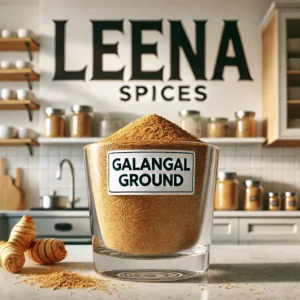
What Is Ground Galangal Powder?
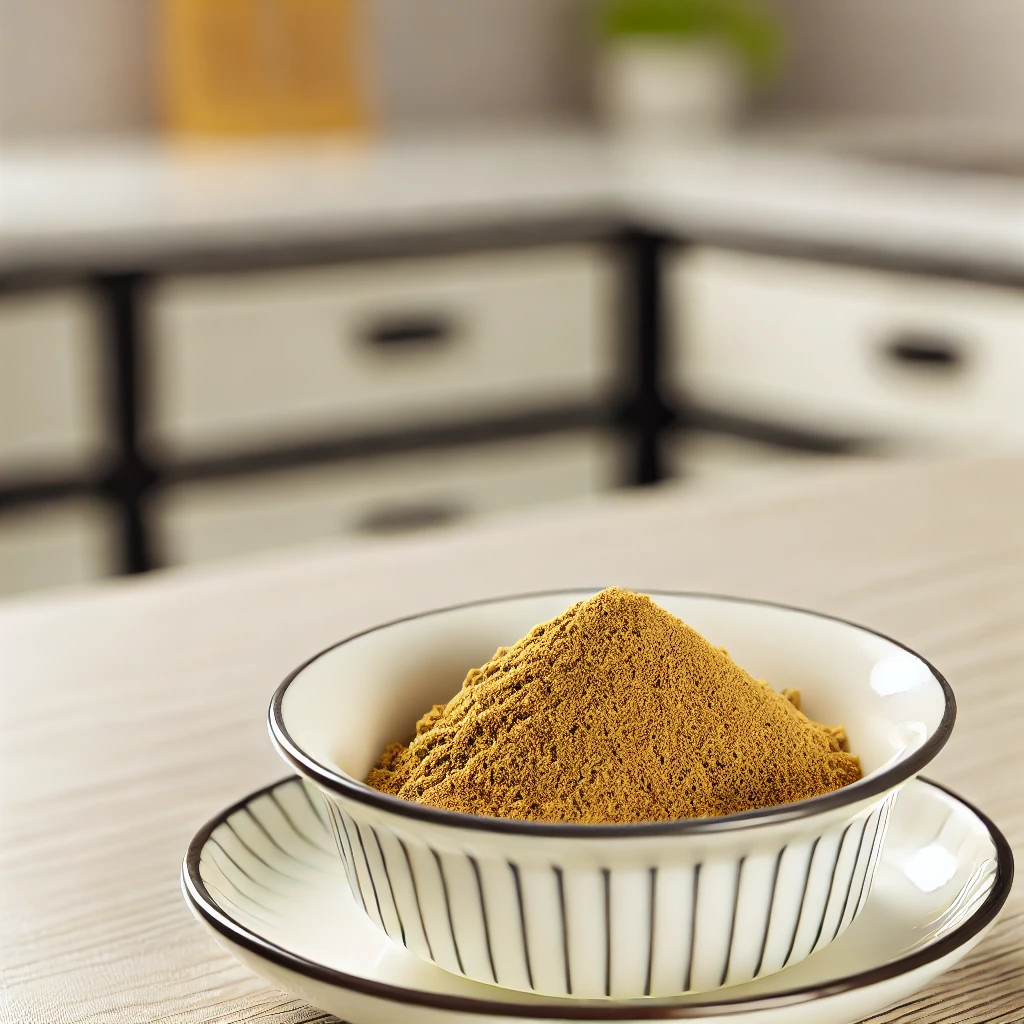
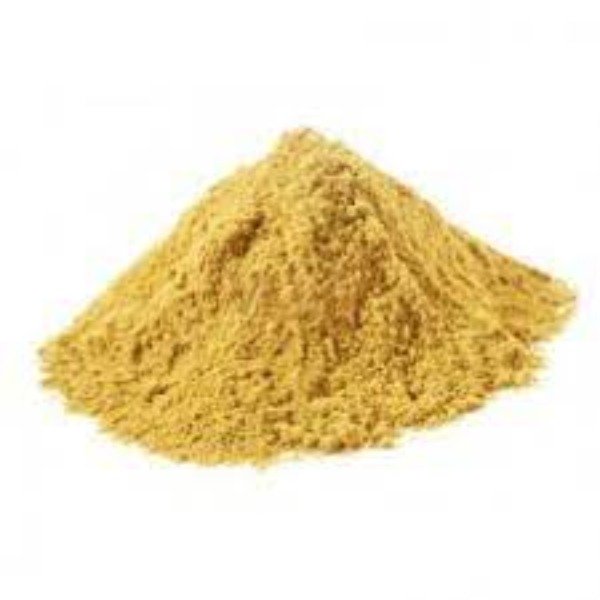
Ground galangal powder is a fragrant spice made from the dried rhizomes of the galangal plant (Alpinia galanga), a tropical root closely related to ginger. Native to Southeast Asia, galangal is a cornerstone of regional cuisines, especially in Thai, Indonesian, and Malaysian cooking.
When the rhizomes are harvested, they’re carefully dried to preserve their essential oils and then ground into a fine, aromatic powder.
Flavor and Aroma
The taste of galangal is distinct and complex, sharper and more citrusy than ginger, with notes of lemon, pine, and black pepper. It delivers a lively heat that brightens any dish, while its floral aroma adds depth and freshness.
Because of its vibrant flavor, ground galangal is often referred to as Laos powder or Lengkuas powder across Southeast Asia.
Culinary Uses
Galangal powder is a staple ingredient in Southeast Asian cuisine, appearing in a wide variety of recipes, such as:
- Thai curries and Indonesian rendang
- Spice pastes, marinades, and sauces
- Soups and stews like Tom Yum and Laksa
- Dry spice blends and seasoning rubs for meat or seafood
It’s an excellent natural flavor enhancer, giving dishes an exotic, zesty character.
If substituting for fresh galangal, use about 1 teaspoon of powder for every 1-inch piece of the fresh root.
Health Benefits
Beyond its culinary use, galangal has been valued for centuries in traditional Asian and Ayurvedic medicine. It’s known for its anti-inflammatory, antioxidant, and digestive properties, and is often used to support gut health and immunity.
What are other names for Galangal?
Other Names for Galangal
Galangal is known by many names across Asia and around the world, reflecting its widespread use in regional cuisines and traditional medicine. While it belongs to the same botanical family as ginger, galangal stands out for its sharper, more citrusy flavor — and its many cultural names highlight how deeply rooted it is in Southeast Asian cooking.
Common English Names
In English, galangal is often called by a few descriptive or alternative names, such as:
- Greater galangal – referring to Alpinia galanga, the most widely used species
- Lesser galangal – referring to Alpinia officinarum, a smaller, spicier variety
- Blue ginger – because of its pale, bluish tinge when sliced fresh
- Thai ginger or Siamese ginger – due to its popularity in Thai cuisine
- Galangale or Galingale – older English spellings still found in historic recipes
Regional and Local Names
Across Asia, galangal is known by many native names:
- Kha (ข่า) – Thai name commonly used in Thailand
- Lengkuas – Indonesian and Malay term, widely used in regional cooking
- Laos – name used in Indonesia, sometimes referring to the dried or powdered form
- Romdeng (រំដេង) – Cambodian name
- Pa de kaw – name used in Myanmar (Burma)
- Nankyō (ナンキョウ / 南姜) – Japanese name
- Hóng dòu kòu (紅豆寇) – Mandarin Chinese name
- Kulanjan or Kulanja – used in parts of India
- Perarathai (பேரரத்தை) or Periyarathai (பெரியரத்தை) – Tamil name
- Araththa (අරත්ත) – Sri Lankan Sinhala name
Botanical and Scientific Names
From a botanical perspective, galangal belongs to the Zingiberaceae (ginger) family. Its main scientific names include:
- Alpinia galanga – Greater galangal
- Alpinia officinarum – Lesser galangal
- Cyperus longus – sometimes listed historically as a synonym
Summary
Depending on where you are, galangal might be called Lengkuas, Kha, Blue Ginger, or Thai Ginger — but no matter the name, it remains one of the most aromatic, citrusy, and essential spices in Southeast Asian cuisine.
Where Does Ground Galangal Powder Come From?
Native Origin and Growing Regions
Galangal originated in Indonesia and quickly spread across neighboring countries, where it became a cornerstone of regional cuisines. Today, it is primarily cultivated in:- Indonesia – considered the birthplace and one of the largest producers of greater galangal
- Thailand – where it’s known as kha and forms a key ingredient in many curries and soups
- Malaysia – where it’s called lengkuas and widely used in spice pastes
- Vietnam – used to flavor traditional broths and seafood dishes
- Southern China and India – home to lesser galangal (Alpinia officinarum), a smaller, more pungent variety
From Root to Powder
Once the rhizomes mature, they are carefully harvested, cleaned, sliced, and sun-dried or machine-dried to lock in their essential oils. The dried pieces are then finely ground into aromatic galangal powder, capturing the spice’s signature citrusy, peppery, and pine-like flavor.This powdered form is especially popular for export and storage, offering a convenient way for cooks around the world to enjoy the authentic taste of Southeast Asia.Culinary and Cultural Significance
In its native regions, galangal has been used for centuries — not just as a spice but also as a traditional medicinal root. It plays a starring role in many national dishes such as Thai Tom Yum soup, Indonesian Rendang, Malaysian Laksa, and Cambodian Amok.Its powdered form allows these flavors to travel far beyond Asia, bringing a touch of Southeast Asian authenticity to global kitchens.What Can I Use Galangal Powder For?
Galangal powder is one of Southeast Asia’s most aromatic and versatile spices. Known for its zesty, peppery, and citrus-like flavor, this powdered form of the galangal root brings the authentic taste of Thai, Indonesian, and Malaysian cooking into your kitchen — even when fresh galangal isn’t available.
1. Curries and Spice Blends
Galangal powder is a key ingredient in Thai and Indonesian curries. It blends effortlessly with other spices, creating layers of flavor that define Southeast Asian dishes.
- Thai Curries: Use it in red, green, or yellow curry pastes for that distinctive sharp and citrusy kick.
- Indonesian and Malaysian Cuisine: Essential in dishes like Rendang (slow-cooked beef curry), Sambal (chili paste), and Laksa (spicy noodle soup).
- Spice Rubs: Combine galangal powder with turmeric, coriander, garlic, and lemongrass to make a flavorful dry rub for grilled meats or seafood.
Pro Tip: For maximum aroma, bloom the powder in a little hot oil for 1–2 minutes before adding other ingredients. This releases its essential oils and enhances flavor.
2. Soups, Stews, and Broths
Few spices can transform a soup like galangal. Its fresh, lemony notes elevate Southeast Asia’s most beloved broths:
- Tom Yum – Thailand’s famous spicy and sour soup
- Tom Kha Gai – coconut chicken soup with galangal as the hero ingredient
- Clear broths and seafood soups – a small pinch adds brightness and balances richness
Because galangal powder disperses easily, it’s ideal for soups where you want flavor without fibrous pieces of the fresh root.
3. Stir-Fries, Marinades, and Seasoning
Galangal adds an unmistakable aroma to stir-fries and marinades. It pairs beautifully with soy sauce, garlic, chili, and lime for a Southeast Asian-inspired seasoning.
Try it in:
- Chicken, beef, or tofu stir-fries
- Marinades for seafood or grilled meats
- Vegetable or noodle dishes that need a citrusy spark
Its sharp, earthy tone also helps neutralize strong flavors like fish or shrimp, giving dishes a cleaner finish.
4. Drinks, Desserts, and Herbal Uses
Beyond savory cooking, galangal has a long history in traditional remedies and beverages. In many Asian cultures, it’s used to soothe digestion, boost immunity, and reduce inflammation.
You can experiment with it in:
- Herbal teas and infusions – combine with honey, lemon, or turmeric
- Smoothies and health drinks – a pinch adds warmth and complexity
- Baking and desserts – pairs well with coconut, lime, and ginger in cookies, cakes, and puddings
- Cocktails – adds a spicy-sweet twist to tropical drinks
5. Substituting Fresh Galangal
If you can’t find fresh galangal, the powdered form is an excellent alternative. While the flavor is slightly milder, it still delivers the essence of the root.
Substitution Guide:
- 1 teaspoon galangal powder ≈ 1 inch (or 1 tablespoon grated) fresh galangal
Start with smaller amounts and adjust to taste — galangal’s flavor can be intense when concentrated in powder form.
How do you use galangal powder in cooking?
General Uses
Galangal powder can be sprinkled or mixed directly into curries, soups, sauces, and stews to deepen their aroma and flavor. It blends beautifully into spice mixes and marinades for meat, seafood, or vegetables before grilling, roasting, or stir-frying. In creamy soups and coconut-based curries, it adds a subtle, fragrant warmth. You can even stir a pinch into condiments, dipping sauces, or salad dressings to give them a Southeast Asian twist.Substituting Fresh Galangal
When substituting for fresh galangal, use 1 teaspoon of galangal powder for every 1 inch of fresh galangal root. Because the powdered form is less aromatic than fresh, it works best in cooked dishes where the flavors have time to infuse. Galangal powder isn’t typically eaten raw—it lacks the fresh root’s brightness—but shines when simmered or fried with other aromatics.Practical Tips for Cooking with Galangal Powder
- Add Early in Cooking: Incorporate galangal powder at the start of cooking—such as when sautéing onions, garlic, or chili—to let the spice release its essential oils and infuse the dish.
- Use in Liquids: Stir it into soups, broths, or sauces while they simmer so the flavor fully blooms. It works best in thicker or opaque soups rather than clear ones, where the powder might create a slight grainy texture.
- Rehydrate if Needed: To make a smooth paste, mix galangal powder with a little warm water. This can then be stirred into curry bases, marinades, or spice pastes for a more concentrated flavor.
- Start Small: Begin with ¼ to ½ teaspoon per serving, adjusting to taste. The spice is potent, and a little goes a long way.
- Combine with Complementary Flavors: Galangal pairs beautifully with lemongrass, kaffir lime leaves, garlic, chili, turmeric, and coriander—a classic flavor palette in Southeast Asian cooking.
- Don’t Overcook or Add Too Late: Adding galangal powder at the end of cooking won’t allow its aroma to develop fully. Add it early for the best flavor release.
Specific Ways to Use Galangal Powder
1. In Curry Pastes (Best Use)
Ground galangal is ideal for homemade Thai or Indonesian curry pastes since it blends evenly with other dry and wet ingredients like chilies, lemongrass, and shallots. How to Use: Add it directly into your mortar and pestle or food processor with other spices and aromatics. Pro Tip: Bloom it in hot oil for 30 seconds to 2 minutes before adding liquids like coconut milk. This step amplifies its fragrance and depth.2. In Soups and Stews
Although fresh galangal slices are often preferred for broths, galangal powder works well in thick or creamy soups, such as laksa or coconut chicken soup. How to Use: Add it early in the simmering stage so it dissolves and infuses properly. Tip: Avoid using too much in clear soups, as it can make the broth appear cloudy.3. In Rubs and Marinades
Galangal powder adds a sharp, fragrant note to spice rubs and marinades. How to Use: Mix with salt, black pepper, turmeric, coriander, or paprika for a dry rub. For marinades, combine with oil, soy sauce, or lime juice. Great For: Chicken satay, fish fillets, grilled prawns, or tofu.4. In Stir-Fries and Sauces
Add a small pinch to stir-fry sauces or seasonings for a warm, exotic undertone. Combine it with garlic and chili in hot oil to start a flavorful base.5. In Beverages or Teas
A tiny amount—about ¼ teaspoon—can be added to herbal teas, broths, or tonics to impart a soothing heat, similar to ginger tea but with a more citrusy, refreshing finish.Key Ratios and Quick Reference
- ½–1 teaspoon galangal powder per dish (depending on serving size and intensity desired)
- 1 teaspoon powder = 1 tablespoon fresh grated galangal
- Bloom in oil for 30 seconds for deeper flavor release
- Pairs best with: lemongrass, kaffir lime leaves, garlic, chili, turmeric
Does Galangal Powder Taste Like Ginger?
No, galangal powder does not taste like ginger.
Although they both come from the same rhizome family, their flavor profiles are distinct and not directly interchangeable in authentic cooking.
Flavor Comparison
Flavor Characteristic | Galangal (Powder) | Ginger (Powder) |
Primary Notes | Sharp, citrusy, piney, peppery | Warm, spicy, pungent, sweet |
Aroma | Perfumed with hints of pine, rose, or eucalyptus | Strong, pungent, and immediately warming |
Heat/Spiciness | Milder, with a clean peppery “bite” and slightly medicinal finish | Stronger, fiery, and sweet with a sharp heat |
Key Role in Dishes | Adds bright, high notes to balance rich, creamy flavors (like coconut milk) | Provides deep warmth and spice, common in baked goods and savory dishes |
In Short
- Galangal is often described as ginger’s citrusy cousin.
It has bright, zesty, and pine-like notes that bring freshness and complexity, especially in Southeast Asian dishes such as Thai Tom Kha Gai soup and Indonesian Rendang. - Ginger is warmer and sweeter, offering a comforting, fiery spiciness that’s ideal for curries, teas, and baking.
Similarities
- Both are spicy and aromatic.
- Both add warmth and depth to dishes.
- Both are used in curries, soups, teas, and marinades.
Differences
- Galangal has a sharper, more peppery
- It carries piney, citrusy, or slightly medicinal
- It’s less sweet and more earthy than ginger.
- Galangal is more aromatic and complex, with a hint of bitterness.
In essence:
Ginger comforts.
Galangal awakens.
Can I Use Galangal Powder in Place of Ginger?
Yes, you can use galangal powder instead of ginger, but it’s important to know that their flavors are quite different. While both come from the same rhizome family, galangal is sharper, more citrusy, and slightly piney, whereas ginger is warmer, sweeter, and spicier.
Because of these differences, substituting one for the other will change the flavor profile of your dish — sometimes in exciting ways, and other times not quite as intended.
Flavor Differences at a Glance
Aspect | Ginger | Galangal |
Flavor | Warm, spicy, and sweet | Sharp, citrusy, and peppery with pine notes |
Best In | Baking, Indian, and Chinese dishes | Thai, Indonesian, and Malaysian dishes |
Aroma | Comforting and earthy | Bright, zesty, and aromatic |
Effect on Food | Adds warmth and sweetness | Adds freshness and tangy spice |
How to Substitute Galangal for Ginger
If a recipe calls for ginger powder and you only have galangal powder, you can use it — with adjustments.
For savory dishes:
- Use slightly less galangal powder (about ¾ teaspoon for every 1 teaspoon of ginger).
- Expect a bolder, more aromatic flavor with a citrusy bite.
- Perfect for curries, soups, stir-fries, and Southeast Asian-style sauces.
For sweet recipes (like baking):
- Galangal isn’t ideal. Its peppery and pine-like notes can taste too strong or medicinal.
- If you must substitute, mix galangal powder with a pinch of cinnamon or allspice to add warmth, and a touch of sugar or palm sugar to balance the bitterness.
Pro Tip: Mimic Galangal’s Flavor Using Ginger
If you only have ginger but want to recreate galangal’s citrusy edge, try this blend:
- ¾ teaspoon grated ginger + ¼ teaspoon lemon or lime zest
This combination gives a similar brightness and zing, especially in Thai curries, soups (like Tom Yum), and stir-fries.
When to Substitute — and When Not To
✅ Good substitution:
Savory recipes like curries, marinades, soups, and sauces where galangal’s bold notes complement other spices.
❌ Not recommended for:
Baked goods, cookies, gingerbread, or desserts — galangal lacks ginger’s natural sweetness and comforting warmth.
Where can I buy authentic Ground Galangal Powder?
You can buy quality Ground Galangal Powder from Amazon.
How should ground galangal powder be stored for maximum freshness, especially in humid climates?
🌿 1. Use an Airtight Container
Always store galangal powder in an airtight glass jar or a metal spice tin with a tight-fitting lid.- Avoid plastic containers, as they can absorb odors and allow slight moisture transfer over time.
- For best results, choose dark glass to protect the powder from sunlight, which can dull its natural color and aroma.
🌿 2. Keep It Cool, Dark, and Dry
Store the container in a cool, dry pantry or cupboard, away from heat sources like stoves, ovens, or windows.- Avoid: Shelves near the sink, steam, or direct sunlight.
- Ideal spot: A shaded pantry shelf or a closed spice cabinet.
🌿 3. Fight Humidity with Absorbers
In humid climates, galangal powder can clump or even spoil if moisture seeps in. To prevent this:- Place a food-grade silica gel packet or a small cloth pouch of uncooked rice inside the container to absorb excess moisture.
- Alternatively, divide your galangal powder into two containers — one small jar for daily use, and one larger airtight container kept sealed for long-term storage.
🌿 4. Handle with Care
Always use a clean, dry spoon when scooping galangal powder. Introducing even a drop of moisture can cause it to clump and lose potency.🌿 5. Consider Refrigeration (Only If Necessary)
If you live in an extremely humid environment:- You can refrigerate or freeze galangal powder, but only in a vacuum-sealed or moisture-proof container.
- Very important: Allow the jar to reach room temperature before opening Opening it cold will cause condensation inside, which ruins the spice.
🌿 6. Use Within 6–12 Months
Ground galangal retains its best flavor and aroma for up to one year if stored properly. Over time, its essential oils naturally fade, so it’s better to buy smaller quantities more often rather than stockpile large amounts.Frequently Asked Questions (FAQs) About Galangal Powder
What is galangal used for in cooking?
Galangal is widely used in Southeast Asian cuisine to add aromatic, citrusy, and slightly peppery flavor. It’s essential in Thai curries, soups like Tom Yum and Tom Kha Gai, Indonesian Rendang, Malaysian Laksa, stir-fries, marinades, and spice blends. It enhances meat, seafood, vegetable dishes, and even beverages.
Can I use ginger instead of galangal?
Yes, ginger can be used as a substitute, but the flavor will differ. Galangal is sharper, citrusy, and piney, whereas ginger is warmer and sweeter. For the closest approximation, combine ginger with a small amount of lemon or lime zest in Southeast Asian dishes. Avoid using ginger in baked goods if galangal is required.
What does galangal taste like?
Galangal has a citrusy, pine-like, peppery, and slightly earthy flavor. It’s more aromatic and sharper than ginger, with subtle medicinal notes. Its bold flavor complements coconut milk, curries, and spice blends, adding complexity to Southeast Asian recipes.
How do you pronounce galangal?
Galangal is pronounced “Gah-lan-gahl” (with emphasis on the first syllable). Some regional variations include “Kha” (Thai) or “Lengkuas” (Indonesian/Malay), especially when referring to the fresh root.
What are the side effects or allergies related to galangal?
Galangal is generally safe in culinary amounts. Rarely, it may cause allergic reactions, stomach upset, or heartburn in sensitive individuals. Avoid high doses if you have gastrointestinal conditions or allergies to ginger-related plants. Always consult a healthcare provider if unsure.
What is the difference between galangal and ginger?
While both are rhizomes, galangal is sharper, citrusy, and more aromatic, with pine and pepper notes, whereas ginger is warmer, sweeter, and pungent. Galangal is preferred in Southeast Asian curries and soups, while ginger is common in baking, teas, and Indian or Chinese dishes.
How do I store galangal root or powder?
Fresh galangal root should be refrigerated in an airtight bag or container and can last 2–3 weeks. Powdered galangal should be stored in a cool, dark, dry place in an airtight jar. In humid climates, include a silica gel packet or store in the fridge. Proper storage maintains aroma and flavor for up to 12 months.
What dishes use galangal powder?
Galangal powder is perfect for:
- Thai soups: Tom Yum, Tom Kha Gai
- Curries: Thai Red, Green, or Yellow Curry
- Indonesian dishes: Rendang, Sambal
- Malaysian cuisine: Laksa, Curry Laksa
- Marinades and spice rubs: Chicken, beef, seafood
- Stir-fries and sauces: Adds depth and aromatic notes
Are there medicinal uses for galangal?
Yes. Galangal is used in traditional Asian medicine and Ayurveda for its anti-inflammatory, antioxidant, and digestive properties. It may help with nausea, indigestion, inflammation, and improving circulation. Consumed in teas or incorporated into recipes, it provides both flavor and wellness benefits.