How to Make Homemade Beef Curry Spice Blend in 3 Easy Steps
Table of Contents
- Key Takeaways
- What Is Beef Curry Spice Blend Seasoning?
- Is Beef Curry Spice Blend Seasoning the Same as Curry Powder?
- What Spices Are in Beef Curry Spice Blend Seasoning?
- How to Make Homemade Beef Curry Spice Blend in 3 Easy Steps
- 1 Ultimate Beef Curry Recipe Using Beef Curry Spice Blend
- 5 Leena Spices Tips for Making the Ultimate Beef Curry with Spice Blend
- 10 Authoritative Resources You Can Reference
- 7 Frequently Asked Questions About Beef Curry Spice Blend Seasoning
Table of Contents
What is beef curry spice blend seasoning?
Beef curry spice blend seasoning is a robust mix of aromatic spices designed to enhance the flavor of beef in curries and slow-cooked dishes. It delivers deeper, warmer, and more complex flavor compared with general curry powders.
Is beef curry spice blend seasoning the same as curry powder?
No. Curry Powder is a mild, all-purpose seasoning blend, while beef curry spice blend seasoning is specifically designed to complement the richness and strong flavor of beef.
What spices are commonly used in beef curry spice blends?
Many blends include spices such as Coriander Seeds, Cumin, Turmeric, Cloves, Black Pepper, Paprika, and Garam Masala to create a warm and layered flavor profile.
Can I make beef curry spice blend seasoning at home?
Yes. Homemade blends can be prepared by grinding and mixing selected spices in balanced proportions. Making the blend at home allows you to control freshness, flavor strength, and ingredient quality.
Can beef curry spice blend seasoning be used for other meats?
Yes. It works well with meats such as Lamb, Goat Meat, Chicken, and Pork, although lighter meats may require slightly less seasoning.
Can this spice blend be used in vegetarian dishes?
Absolutely. It adds rich flavor to plant-based ingredients such as Lentils, Chickpeas, Potato, Cauliflower, and Eggplant.
How should the spice blend be used in cooking?
The seasoning can be used as a dry rub, mixed into marinades, or sautéed in oil to create the aromatic base for a curry sauce.
How much beef curry spice blend should I use?
A common starting point is 1–2 teaspoons per pound of beef, adjusting the amount based on your taste preference and the intensity of the spice blend.
How should homemade spice blends be stored?
Store the blend in an airtight container in a cool, dark place. For best flavor and aroma, use it within 3–6 months.
Why use a beef-specific curry seasoning instead of regular curry powder?
Beef curry spice blends contain stronger spices designed to withstand long cooking times and enhance the rich flavor of beef, producing a deeper and more authentic curry taste.


Burn More. Crave Less. Feel Great All Day
One of the only supplements in the world with a science-backed blend of 7 rare botanicals like Seville Orange Peel, Spanish Apple Vinegar, & Himalayan Ginger…
Scientifically shown to help optimize the body’s natural fat-burning capacity, naturally, even while you sleep.
180-DAY & 100% SATISFACTION Guarantee
What Is Beef Curry Spice Blend Seasoning?
Beef curry spice blend seasoning is a balanced mix of ground spices to enhance the flavor of beef in curry-based dishes. Unlike generic curry powders, this blend is formulated to complement the rich fat content, dense texture, and deep flavor of beef. It is a bold and aromatic seasoning that cooks well during long period of cooking time such as braising, simmering, or pressure cooking.
Beef curry spice blend provides a combination of warm, earthy, slightly sweet, and sometimes spicy notes that penetrate the meat to make a satisfying curry base. The spices work together to season the beef thoroughly. It helps to develop a thick, flavorful curry for traditional beef curry dishes.
Why Beef Requires a Specialized Curry Blend?
Beef has a firmer structure and higher fat content than many other proteins like chicken or fish. Because of this, it benefits from spices that can withstand extended cooking times and still deliver a strong flavor.
A well-balanced beef curry spice blend typically performs 3 important roles:
1. Flavor development
The blend introduces layered flavors which is earthy, warm, slightly sweet, and pungent. These spices deepen the savory character of the curry and enhance the natural umami of beef.
2. Aroma enhancement
Aromatic spices release essential oils when heated in cooking fat. This step, often called blooming spices, creates the flavorful base that defines many curry dishes.
3. Tenderizing and balancing
Certain spices may help balance the richness of beef while supporting tenderization during slow cooking. When used in marinades or spice rubs, the seasoning helps flavors penetrate the meat more effectively.
Regional Variations of Beef Curry Spice Blend
Beef curry spice blends are not uniform; they reflect the culinary traditions and flavor preferences of different regions. Each variation adjusts spice ratios, aromatics, and heat levels to create a unique taste profile while maintaining the boldness that complements beef.
Indian-Style Beef Curry
Indian blends often focus on warm spices and layered aromatics, combining ingredients like Coriander, Cumin, Cloves, and Garam Masala. This approach delivers a rich, fragrant curry that works well with slow-cooked beef dishes.
Southeast Asian Beef Curry
Southeast Asian versions frequently incorporate fresh aromatics like Lemongrass, Galangal, or additional Turmeric, giving the curry a bright, citrusy, and slightly herbal flavor that contrasts with the richness of beef.
Caribbean and African Interpretations
In Caribbean and African cuisines, beef curry blends often emphasize stronger heat and deeper roasted spice notes, with spices such as Allspice, Paprika, and chili peppers. These blends create bold, fiery curries with a distinctive regional flair.
Naming Variations
Depending on the region and spice combination, beef curry spice blends may be labeled as:
- Beef Curry Masala
- Spicy Beef Curry Seasoning
- Beef Masala Spice Mix
Understanding these regional variations allows home cooks and chefs to adapt the spice blend to different flavor profiles while still achieving a robust, aromatic beef curry.
Flavor Profile of Beef Curry Spice Blend Seasoning
A well-balanced beef curry spice blend seasoning delivers a bold and harmonious flavor that enhances the natural richness of beef. The blend combines earthy spices, warming aromatics, subtle sweetness, and controlled heat to create a curry base that becomes deeper and more complex as it cooks.
Below are the key flavor characteristics that define a high-quality beef curry spice blend.
Earthy depth
Spices such as Coriander Seeds, Cumin, and Turmeric provide the foundational earthy notes that anchor the blend. These spices contribute a grounding flavor that pairs naturally with hearty meats like beef.
Warm aromatic spices
Aromatic spices including Cloves, Nutmeg, Mace, and Garam Masala create warmth and fragrance. These spices release essential oils during cooking, filling the dish with rich aroma and complexity.
Mild natural sweetness
Ingredients like Paprika and certain warm spices add a subtle sweetness that balances the stronger savory and spicy notes in the blend.
Balanced heat
Gentle heat from spices such as Black Pepper provides a pleasant warmth without overwhelming the dish. The goal is to enhance flavor rather than create excessive spiciness.
Savory richness
The combination of garlic, ginger, and warm spices helps amplify the natural umami qualities of beef, creating a full-bodied curry sauce with deep savory flavor.


An advisor to the American Anti-Cancer Institute and 3-Time Canadian Natural Bodybuilding Champion, Mr. Wade Lightheart is one of the world’s premier authorities on Natural Nutrition and Training Methods.
He says “Most healthy individuals typically only get 1-2 forms of magnesium at best (much of the population is deficient in all forms)
– but when you get all 7 major forms of magnesium, you can truly experience the benefits.”
Why This Flavor Balance Works for Beef
The effectiveness of a beef curry spice blend seasoning lies in its layered flavor structure and its ability to perform well during long cooking processes. Beef is a dense, richly flavored meat that benefits from spices capable of developing depth over time rather than fading during simmering.
When the blend is added to hot oil or cooking fat, the spices begin releasing their essential oils and aromatic compounds. Ingredients such as Coriander Seeds, Cumin, Cloves, and Black Pepper gradually infuse the sauce, building a deeper and more complex curry base as the dish cooks.
During slow simmering or braising, the seasoning penetrates the beef fibers, allowing the spices to flavor the meat from the inside while enriching the surrounding gravy. This slow release of flavor is particularly important for tougher cuts of beef, which become more tender and flavorful as they cook.
Is Beef Curry Spice Blend Seasoning the Same as Curry Powder?
No. Beef curry spice blend seasoning and curry powder are not the same. While both are mixtures of spices used in curry-style dishes, they are designed for different purposes and deliver very different flavor.
Curry powder is generally a mild, all-purpose spice blend used to add a generic “curry flavor” to a wide variety of dishes. In contrast, beef curry spice blend seasoning is formulated specifically to enhance the flavor, richness, and texture of beef during long cooking processes such as braising or slow simmering.
10 Reasons Beef Curry Spice Blend Is Better Than Regular Curry Powder
Beef Spice Blend Seasoning vs Curry Powder
Feature | Beef Curry Spice Blend Seasoning | Curry Powder |
Primary Purpose | Designed specifically to season beef dishes and beef curries | General-purpose seasoning used for many curry-style dishes |
Flavor Profile | Bold, deep, and layered with warm and pungent spices | Mild to medium flavor with a simpler spice profile |
Intensity | Strong and robust to complement the richness of beef | Moderate intensity suitable for a wide range of foods |
Typical Spice Emphasis | Often contains stronger aromatics such as Garam Masala, Cloves, Black Pepper, and Fenugreek | Usually dominated by Turmeric, Coriander, and Cumin |
Heat Level | Medium to high depending on the blend | Typically mild to medium |
Cooking Style | Ideal for slow cooking, braising, and rich meat curries | Works well in quick curries and everyday dishes |
Best Pairings | Beef, lamb, goat, hearty stews | Vegetables, chicken, seafood, and light curries |
Complexity | More complex and aromatic with deeper spice layering | Simpler and more uniform flavor |
Regional Influence | Often inspired by traditional meat masalas used in South Asian cooking | Popularized as a Western adaptation of Indian spice blends |
Substitution | Can replace curry powder but may produce a stronger flavor | Can be used for beef dishes but may taste milder and less complex |
What Spices Are in Beef Curry Spice Blend Seasoning?
17 Spices in Beef Curry Spice Blend You Need to Know
A beef curry spice blend seasoning is typically made from a carefully balanced combination of warm, earthy, and aromatic spices designed to complement the richness of beef. While exact formulas vary by region and cook, most blends rely on a core group of spices that deliver depth, aroma, and complexity during slow cooking.
At the heart of many beef curry blends is Garam Masala, a traditional South Asian spice mixture known for its warm and layered flavor. Garam masala often acts as the foundation of the blend, providing aromatic intensity that pairs especially well with red meats like beef.
Below are common spices frequently included in a well-rounded beef curry seasoning.
Garam Masala
Garam Masala is typically the central flavor component. This aromatic blend contains spices such as cinnamon, cloves, cardamom, and black pepper. It provides warmth, sweetness, and depth that develop beautifully during slow simmering.
Bay Leaf
Bay Leaf contributes a subtle herbal aroma that enhances the background flavor of beef curries. When simmered in sauces or stews, bay leaves add complexity without overpowering other spices.
Black Mustard Seeds
Black Mustard Seeds introduce a slightly sharp, nutty flavor. When toasted in oil, they release a distinctive aroma that helps build the base of many curry dishes.
Black Pepper
Black Pepper adds gentle heat and a woody pungency that strengthens the overall spice profile.
Cassia
Cassia, often referred to as Chinese cinnamon, contributes a sweet and warm flavor similar to cinnamon but with a stronger intensity. It works particularly well with slow-cooked meat dishes.
Cilantro (Coriander Leaves)
Cilantro adds a fresh herbal note that balances heavier spices and rich meat flavors.
Cloves
Cloves provide a bold, slightly sweet aroma with warm spice notes. Even small amounts can significantly deepen the flavor of a curry blend.
Coriander Seeds
Coriander Seeds offer mild citrus and earthy undertones. They help round out the stronger spices and add brightness to the blend.
Cumin
Cumin is a foundational curry spice known for its warm, nutty flavor. It supports the savory depth of beef dishes and ties many of the other spices together.
Fenugreek Leaves
Fenugreek Leaves, often used dried, add a slightly sweet, maple-like aroma that enhances the complexity of the seasoning.
Garlic Powder
Garlic Powder provides a savory backbone and helps amplify the umami flavor of beef.
Ginger Powder
Ginger Powder contributes warmth and mild spice while helping balance the richness of fatty meats.
Mace
Mace, the outer covering of nutmeg, delivers a delicate warm spice flavor that adds subtle depth.
Mint
Mint introduces a light, refreshing herbal note that prevents the blend from feeling overly heavy.
Nutmeg
Nutmeg adds gentle sweetness and warmth that enhances the aromatic profile of the curry.
Paprika
Paprika provides mild sweetness, vibrant color, and sometimes a subtle smokiness depending on the variety used.
Turmeric
Turmeric contributes earthy bitterness and the signature golden color associated with many curry dishes.
New studies show the real reason most people struggle to lose weight, especially after 35, is something called thermogenic resistance.

One of the only supplements in the world with a science-backed blend of 7 rare botanicals like Seville Orange Peel, Spanish Apple Vinegar, & Himalayan Ginger…
Scientifically shown to help optimize the body’s natural fat-burning capacity, naturally, even while you sleep.
180-DAY & 100% SATISFACTION Guarantee
How to Make Homemade Beef Curry Spice Blend in 3 Easy Steps
Making your own beef curry spice blend seasoning at home allows you to control the heat, freshness, aroma, and flavor intensity. A homemade blend is often more vibrant than store-bought mixes because freshly ground spices retain their essential oils and natural aroma.
Ingredients for Homemade Beef Curry Spice Blend Per 100g
To prepare this seasoning, measure the following spices carefully. The proportions are designed to produce a balanced and flavorful blend suitable for beef curries, stews, and marinades.
- 4 g Bay Leaf
- 1 g Black Mustard Seeds
- 2 g Black Pepper
- 2 g Cassia
- 2 g Cilantro
- 4 g Cloves
- 18 g Coriander Seeds
- 8 g Cumin
- 2 g Fenugreek Leaves
- 18 g Garam Masala
- 8 g Garlic Powder
- 8 g Ginger Powder
- 1 g Mace
- 1 g Mint
- 4 g Nutmeg
- 8 g Paprika
- 9 g Turmeric
Step-by-Step Method
- Prepare whole spices
If using whole spices such as coriander seeds, cumin seeds, cloves, black pepper, cassia, and mustard seeds, lightly toast them in a dry pan over medium heat for about 1–2 minutes. This step releases essential oils and enhances the aroma.
Allow the spices to cool completely before grinding.
- Grind the spices
Place the toasted spices into a spice grinder or mortar and pestle. Grind until a fine, uniform powder forms. Proper grinding ensures the seasoning distributes evenly in your curry.
- Combine with powdered spices
Transfer the ground mixture into a bowl. Add the remaining powdered spices such as turmeric, paprika, garlic powder, ginger powder, fenugreek leaves, mint, nutmeg, and garam masala.
Mix thoroughly
Stir the spices thoroughly until the mixture is evenly blended. Consistent mixing ensures each spoonful contains the same balanced flavor.

3 Essential Storage and Usage Tips for Beef Curry Spice Blend
Proper storage and handling help preserve the aroma, flavor, and potency of your beef curry spice blend seasoning. Ground spices naturally lose their strength over time, so following a few simple practices ensures your seasoning stays fresh and effective in your cooking.
- Store in airtight containers
Keep the spice blend in a tightly sealed glass jar or airtight container to protect it from air, humidity, and light. Exposure to moisture and oxygen can cause spices such as Coriander, Cumin, and Paprika to lose their aroma more quickly. Store the container in a cool, dark cupboard away from heat sources like the stove. - Use within 3–6 months for maximum flavor
Homemade spice blends are most aromatic during the first few months after preparation. Over time, the essential oils in spices gradually fade, reducing flavor intensity. For the best results in beef curries and stews, try to use the blend within three to six months. - Make small batches for freshness
Preparing spice blends in small quantities helps ensure the seasoning stays vibrant and flavorful. Smaller batches allow you to grind or mix fresh spices more frequently, maintaining the rich aroma and balanced flavor that make homemade blends superior to many store-bought mixes.
How Beef Curry Spice Blend Is Used in Cooking
This homemade beef curry spice blend seasoning is versatile and can be used in several ways to build deep flavor in beef dishes. Whether you are preparing a slow-cooked curry, a braised stew, or seared beef, the seasoning helps create a rich and aromatic base.
As a Dry Rub
Applying the spices directly to the meat creates a flavorful crust during cooking while allowing the warm aromatics from spices like Cumin, Coriander, and Black Pepper to intensify as they heat.
As a Marinade Base
One of the most effective ways to use the spice blend is as part of a marinade. Combine the seasoning with ingredients such as yogurt, oil, lemon juice, or vinegar to create a flavorful mixture that coats the beef evenly.
Marinating allows the spices to begin penetrating the meat before cooking, helping develop deeper flavor and tenderness. The acidity from ingredients like yogurt or citrus also helps soften the meat fibers while enhancing the spice infusion.
Flavor base for curries
The most common method is to sauté the spice blend in oil, ghee, or butter along with onions, garlic, and ginger. This process releases the aroma and forms the foundation of a rich curry
Where to Buy Best Beef Curry Spice Blend Seasoning Spice?
If you want to buy pure Beef Curry Spice Blend Seasoning Spice and other products the easiest and most reliable option is to Buy from Amazon . Availability has made this wonderful product accessible to home cooks and professional chefs across the United States and around the globe.
1 Secret Beef Curry Spice Blend Tip Every Home Cook Must Know
Bloom the spice blend in hot oil before adding liquids
One of the most important techniques for maximizing the flavor of a beef curry spice blend seasoning is to briefly cook the spices in hot oil or ghee before adding tomatoes, water, or other liquids.
This process, often called blooming, allows the essential oils in spices such as Cumin, Coriander, and Cloves to release into the cooking fat. When the spices heat in oil, their aromas intensify and spread evenly through the dish.
To apply this technique, add the spice blend to hot oil after sautéing onions, garlic, or ginger. Cook it for about 20–30 seconds until fragrant, then continue with the rest of the recipe.
This simple step prevents raw spice flavors and helps create a deeper, richer, and more authentic beef curry with restaurant-quality aroma and taste.
1 Ultimate Beef Curry Recipe Using Beef Curry Spice Blend
7 Easy Steps To Cook Beef Curry Recipe
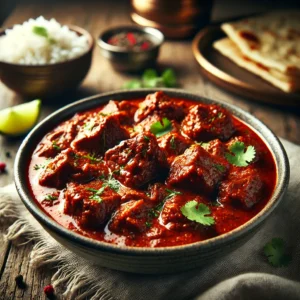
This homestyle beef curry recipe is a flavorful dish where tender beef cubes are slowly simmered with onions, tomatoes, and a bold beef curry masala. The spices gradually infuse the meat, creating a thick, aromatic gravy that pairs perfectly with rice or flatbreads.
The recipe is simple enough for home cooks yet delivers the deep, layered flavor expected from traditional beef curries.
Ingredients
- 500 g beef, cut into small cubes
- 1 large onion, finely chopped
- 2 medium tomatoes, chopped or 200 g canned tomatoes
- 3 tablespoons cooking oil
- 1½ teaspoons beef curry masala (beef curry spice blend seasoning)
- 1 cup water
- Salt, to taste
- Fresh Coriander Leaves for garnish
- Fresh Mint for garnish
Step-by-Step Cooking Method
- Sauté the onions
Heat the oil in a heavy-bottomed pan over medium heat. Add the chopped onions and cook for about 5 minutes, stirring occasionally, until they turn light golden brown. This step builds the flavor base of the curry.
- Bloom the spices
Add the beef curry masala and salt. Cook the spices for about 2 minutes, stirring constantly. Heating the spices in oil releases their essential oils and intensifies the aroma.
- Cook the tomatoes
Add the chopped tomatoes or canned tomatoes to the pan. Cook for about 3 minutes until the tomatoes soften and blend with the spices to form a thick masala base.
- Brown the beef
Increase the heat slightly and add the beef cubes. Stir well so the meat is coated with the spice mixture. Cook for about 5 minutes until the beef begins to brown lightly.
- Add water and bring to a boil
Pour in 1 cup of water and stir well. Bring the mixture to a gentle boil.
- Slow cook the curry
Reduce the heat to low, cover the pan, and let the curry simmer until the beef becomes tender. Cooking time will vary depending on the cut of beef, but it typically takes 35–60 minutes.
- Thicken the gravy
Once the beef is tender, uncover the pan and increase the heat slightly. Stir occasionally and allow the sauce to reduce until it reaches your preferred thickness.
Garnish and serve
Finish the dish by garnishing with freshly chopped Coriander Leaves and Mint. Serve the curry hot.
Serving Suggestions for Beef Curry
A well-prepared beef curry with your homemade spice blend pairs beautifully with a variety of classic accompaniments. These sides help balance the rich, aromatic flavors of the curry and create a satisfying, complete meal:
- Steamed Basmati Rice – Its fluffy, fragrant grains absorb the bold curry sauce perfectly.
- Soft Naan Bread – Ideal for scooping up tender beef and savory gravy.
- Fresh Roti or Chapati – Adds a wholesome, slightly chewy texture that complements the curry’s richness.
The combination of tender beef, layered spices, and these traditional accompaniments makes this dish perfect for both everyday meals and special occasions, delivering a restaurant-quality dining experience at home.
5 Leena Spices Tips for Making the Ultimate Beef Curry with Spice Blend
Creating a rich and flavorful beef curry depends on both the quality of the spices and the cooking technique. These Leena Spices approved tips will help you maximize the flavor of your beef curry spice blend seasoning and produce a deeply aromatic curry.
- Use the right cut of beef
Cuts such as chuck, brisket, or stewing beef are ideal for curry. These tougher cuts contain connective tissue that slowly breaks down during long cooking, resulting in tender meat and a richer sauce. - Cook the onions properly
Lightly browning the onions builds a natural sweetness that balances the bold spices in the curry. Properly sautéed onions create a flavorful base for the sauce. - Bloom the spices in hot oil
Before adding liquids, briefly cook the spice blend in oil or ghee. This releases the essential oils from spices such as Cumin, Coriander, and Cloves, intensifying their aroma and depth. - Let the curry simmer slowly
Slow simmering allows the seasoning to penetrate the beef and develop a deeper flavor. As the curry cooks, the spices gradually infuse the sauce and tenderize the meat. - Finish with fresh herbs
Adding fresh herbs such as Coriander Leaves or mint at the end of cooking brightens the dish and enhances the aroma of the curry just before serving.
Can I Use Beef Curry Spice Blend Seasoning for Other Meats or Vegetables?
5 Quick Ways to Use Beef Curry Spice Blend on Meat, Poultry, and Vegetables
Although beef curry spice blend seasoning is designed to complement the rich flavor of beef, it is a highly versatile spice mix that can enhance many other meats, seafood, legumes, and vegetables. Its warm, earthy, and aromatic profile makes it useful across a wide range of dishes.
Because this blend is usually stronger and more intense than typical curry powder, it is best to slightly reduce the amount when using it with lighter proteins or vegetables.
- Use it for lamb or goat curries
The spice blend pairs exceptionally well with rich, slightly gamey meats such as Lamb and Goat Meat. These meats naturally complement bold spices, making the seasoning ideal for slow-cooked curries and hearty stews.
- Add depth to pork dishes
The blend also works well with Pork, especially in braised dishes or spicy pork curries. The warm spices balance pork’s natural sweetness and fat content, producing a rich and flavorful result.
- Season chicken for bold flavor
You can use the blend with Chicken, but slightly reduce the quantity because poultry has a milder taste. Adding yogurt or coconut milk helps mellow the spices and create a smoother curry sauce.
- Use lightly with seafood
The seasoning may also be used with seafood such as Shrimp or Salmon. Apply it sparingly so the spice mix enhances the seafood without overpowering its delicate flavor.
- Transform vegetables and plant-based dishes
This spice blend can bring excellent flavor to vegetarian dishes. Vegetables like Potato, Cauliflower, and Eggplant absorb spices well and develop deep flavor when roasted or simmered with the seasoning.
It also works beautifully with legumes such as Chickpeas and Lentils, turning simple plant-based ingredients into rich, satisfying curries.
Adjusting the Amount for Best Results
Because beef curry spice blends are typically stronger than generic curry powders, adjusting the quantity helps maintain balanced flavor.
- Use 25–50% less seasoning when cooking chicken, seafood, or vegetables.
• Start with about ¾ tablespoon per pound of vegetables.
• For stronger meats like lamb or pork, you can usually use the same amount recommended for beef.
10 Authoritative Resources You Can Reference
- USDA FoodData Central (spice ingredient data) – Nutrient breakdowns and scientific resources related to spices and herbs.
- Use herbs and spices to enhance flavor (National Heart, Lung, and Blood Institute) – Guidance on using herbs and spices in healthy cooking.
- Dietary Guidelines for Americans (USDA/HHS) – Official federal guidelines acknowledging the role of spices in dietary patterns
- Harvard Health – Spice benefits and culinary nutrition insights – Harvard’s trusted article on how spices can add flavor and potential health effects.
- Johns Hopkins Medicine – 5 Spices with Healthy Benefits – Expert health content on how spices can contribute to wellness.
- PubMed – Health Benefits of Culinary Herbs & Spices (review) – A peer‑reviewed study on the nutritional and health properties of spices.
- Mayo Clinic – Guide to herbs and spices for flavor and health – Practical, evidence‑based guidance on spice uses and benefits in everyday cooking.
- Cleveland Clinic – Spice content and recipe ideas – Health‑oriented posts on cloves and spice‑centered recipes, adding credibility to culinary and health claims.
- PubMed – Uses and Health Benefits of Culinary Herbs & Spices (nutritional review) – A scientific resource you can cite in health‑related content on spices.
- Public Health Post – The power of spices in health and flavor – Article on how herbs and spices can enhance flavor and potentially support healthier eating.
7 Frequently Asked Questions About Beef Curry Spice Blend Seasoning
What is the difference between beef curry spice blend and regular curry powder?
Beef curry spice blend is bolder, meat-focused, and includes stronger aromatics and higher heat levels to complement beef. Regular curry powder is milder, general-purpose, and designed for versatility across meats, vegetables, and simple curries. Beef blends are ideal for slow-cooked dishes, while curry powder suits quick meals.
Can beef curry spice blend be used for other meats or poultry?
Yes. It works well with Lamb, Goat Meat, Chicken, and Pork. Use slightly less seasoning for lighter meats like chicken to avoid overpowering the natural flavor. Slow-cooked pork or lamb pairs exceptionally well with the bold spices.
Can I use beef curry spice blend for vegetarian dishes?
Absolutely. The blend enhances plant-based dishes like Lentils, Chickpeas, Potatoes, Cauliflower, and Eggplant. For vegetables and legumes, reduce the amount by 25–50% to maintain balance and avoid overpowering delicate flavors.
How should beef curry spice blend seasoning be used in cooking?
Use it as a dry rub, marinade base, or sauté in oil to bloom the spices before adding meat or vegetables. Blooming releases essential oils, creating a rich, aromatic curry base. It works perfectly for stews, braises, slow-cooked curries, and roasted vegetable dishes.
How much beef curry spice blend should I use per recipe?
A general guideline is 1–2 teaspoons per pound of beef. For lighter proteins or vegetables, reduce the amount by 25–50%. Always taste and adjust seasoning to achieve the desired depth and heat.
What cuts of beef work best with beef curry spice blend?
Cuts suitable for slow cooking like Beef Chuck, Brisket, or stewing beef absorb the spices well and become tender, making them ideal for rich, aromatic curries.
Can beef curry spice blend seasoning replace curry powder in recipes?
Yes. It can replace curry powder in most recipes, especially for meat-based curries, but it delivers stronger, spicier, and more complex flavor. For milder dishes or delicate proteins, reduce the quantity slightly to prevent overpowering the dish.
Easy, step-by-step instructions for creating your own spice blends from home.More than 200 spices from around the world