How to Make Homemade Lamb Curry Masala Recipe in 5 Easy Steps
Table of Contents
- Key Takeaways
- What Is Lamb Curry Masala?
- What Does Lamb Curry Masala Taste Like?
- What Are the Health Benefits of Lamb Curry Masala Spices?
- What are the Essential Spices in Lamb Curry Masala?
- How Do I Make Homemade Lamb Curry Masala Spice Blend?
- What is the Best Way to Store Homemade Lamb Curry Masala Spice Blend?
- Lamb Curry with Spinach Rcipe Using Homemade Lamb Curry Masala
- Can Lamb Curry Masala Be Used in Non-Indian Dishes?
- Frequently Asked Questions (FAQs) About Lamb Curry Masala
Key Takeaways: Lamb Curry Masala
What is lamb curry masala?
Lamb curry masala is a specialized Indian spice blend designed to enhance the rich, gamey flavor of lamb. It combines warming spices like cumin, coriander, turmeric, black pepper, and garam masala to create aromatic, savory, and slightly spicy curries.
Essential spices in lamb curry masala
Key ingredients include bay leaf, black pepper, dried cilantro, coriander, cumin, garam masala, garlic powder, ginger powder, paprika, and turmeric. Each spice contributes warmth, earthiness, and aromatic depth to the curry.
Best storage practices
Store in a cool, dark, dry pantry in an airtight glass or metal container. Use dry utensils to prevent contamination. Small batches are recommended for maximum flavor, and optional refrigeration or freezing can extend freshness up to 12 months.
Non-Indian uses
The blend is versatile beyond Indian cuisine. It works as a dry rub for grilled or roasted meats, adds depth to beef or lamb stews, enhances roasted vegetables, and can be used in fusion dishes like lamb burgers, tacos, or rice bowls. Start with small amounts to avoid overpowering non-Indian flavors.
Health benefits
Spices in lamb curry masala provide antioxidants, digestive support, anti-inflammatory compounds, and gentle metabolism-boosting warmth. Ingredients like turmeric, cumin, coriander, ginger, and garlic may support heart health, improve digestion, and enhance flavor without excess salt.
Cooking tips
Use at the start of cooking by blooming in oil or ghee to release aroma, or as a marinade with yogurt or oil. Ideal for slow-cooked lamb curries, thick gravies, or fusion recipes requiring warm, complex spice notes.
Best dishes to pair with lamb curry masala
Perfect for traditional Indian lamb or mutton curries, Mediterranean or Moroccan-style stews, roasted vegetables, rice pilafs, shepherd’s pie, lamb tacos, and other meat-based fusion dishes.
Recommended quantities
For curries, use 1–2 teaspoons per pound (450 g) of meat. For non-Indian dishes like stews or dry rubs, start with ½–1 teaspoon per serving and adjust to taste.
What Is Lamb Curry Masala?
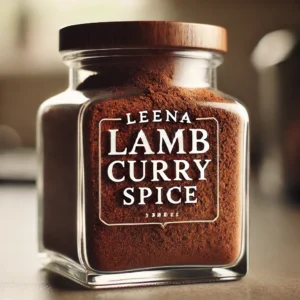
Lamb curry masala is a carefully balanced Indian spice blend created to enhance the deep, rich flavor of lamb or mutton. Because lamb has a naturally bold, slightly gamey taste and higher fat content than many other meats, this masala uses a higher proportion of warming, aromatic spices to create balance, depth, and a rounded heat profile.
Unlike generic curry powder, which is a broad all-purpose blend, lamb curry masala is purpose-built for meat curries with thick gravies. It produces a flavor that is warm, earthy, aromatic, and gently spicy rather than sharply hot.
Why Lamb Needs a Special Spice Blend
Lamb’s flavor is stronger and richer than chicken or vegetables. A standard curry powder can taste flat or overly turmeric-forward when used with lamb. Lamb curry masala, on the other hand, is designed to:
- Cut through richness with warming spices
- Enhance the natural savoriness of the meat
- Build deep, slow-cooked curry flavor
- Create a well-rounded aroma without overwhelming heat
The result is a curry that tastes full-bodied, fragrant, and deeply satisfying rather than heavy or greasy.
How Lamb Curry Masala Is Used in Cooking
Lamb curry masala is typically used at the beginning of the cooking process, not just as a finishing spice.
Common cooking methods include:
Blooming in oil or ghee:
The masala is added to hot oil along with onions, garlic, and ginger. Heating the spices in fat releases their essential oils, which builds a deep flavor base for the curry.
Marinating the meat:
The spice blend can be mixed with yogurt, lemon juice, or oil and rubbed onto lamb before cooking. This allows the flavors to penetrate the meat and helps tenderize it.
Slow-cooked gravies:
It shines in long-simmered dishes where spices have time to develop complexity and meld with the meat juices.
Is Lamb Curry Masala Only for Lamb?
While formulated for lamb and mutton, this masala is surprisingly versatile. It also works well with:
- Beef curries
- Goat meat dishes
- Hearty lentil stews
- Rich vegetable curries like eggplant or mushrooms
Its bold, warming spice profile makes it ideal for deep, savory dishes that benefit from strong aromatic support.
What Does Lamb Curry Masala Taste Like?
Lamb curry masala has a rich, savory, and deeply aromatic flavor with layered warmth rather than sharp heat. It is designed specifically to complement the bold, slightly gamey character of lamb, so the taste is fuller and more robust than lighter curry blends.
Instead of being fiery, the spice profile focuses on depth, balance, and fragrance.
The Main Flavor Notes
When properly cooked in oil, lamb curry masala develops a rounded, complex taste made up of several layers:
Warm and comforting
Warming spices such as cumin, coriander, garam masala components, and black pepper create a gentle, lingering heat that feels cozy rather than aggressively spicy.
Earthy and savory
Spices like cumin, turmeric, and coriander give the blend an earthy backbone that pairs naturally with red meat. This helps balance the richness of lamb fat.
Aromatic and fragrant
Cardamom, cloves, bay leaf, and other aromatic spices (often included through garam masala) provide a subtle sweetness and perfume-like aroma that lifts the dish.
Mildly spicy, not overpowering
Most lamb curry masalas fall into the medium heat range. The warmth builds slowly and supports the dish instead of dominating it.
How the Flavor Changes During Cooking
Raw spice powder can taste dry or sharp, but the flavor transforms when bloomed in hot oil or ghee. The spices release their essential oils, creating a toasty, nutty, and deeply savory base.
As the curry simmers with onions, tomatoes, and yogurt, the masala blends into the sauce, producing a smooth, well-rounded gravy with warmth, aroma, and gentle heat.
Compared to Other Curry Blends
Compared to chicken curry masala or tikka masala seasoning, lamb curry masala is:
- Bolder and more savory
- Less creamy or sweet
- More focused on deep spice warmth than tomato-cream richness

This Critical Mineral Holds The Key
To A Perfect Night’s Sleep – No Matter What Your Age.
What Are the Health Benefits of Lamb Curry Masala Spices?
Lamb curry masala is more than a flavor booster. It contains a range of traditional culinary spices that have been studied for their potential wellness-supporting properties. While it is not a medicine, using these spices regularly in home cooking can contribute beneficial plant compounds to your diet.
Rich in Antioxidants
Many spices in lamb curry masala including turmeric, coriander, cumin, and paprika contain natural antioxidants. These compounds help protect cells from oxidative stress caused by free radicals. Diets rich in antioxidant-containing plant foods are linked with overall wellness and healthy aging.
Supports Digestive Health
Several traditional curry spices are known for their digestive-supporting properties:
- Cumin and coriander may help stimulate digestive enzymes
- Ginger has long been used to ease occasional stomach discomfort
- Black pepper may support nutrient absorption
Together, these spices can make rich foods like lamb easier to digest when used in cooking.
Natural Anti-Inflammatory Compounds
Turmeric contains curcumin, a compound widely researched for its anti-inflammatory potential. While culinary amounts are smaller than supplemental doses, regular dietary use contributes small, steady amounts of beneficial phytonutrients.
Ginger also contains bioactive compounds that are traditionally associated with supporting the body’s natural inflammatory response.
May Support Heart Health
Spices such as garlic, coriander, and cumin have been studied for their potential role in supporting heart health when included as part of a balanced diet. They may help support healthy cholesterol levels and circulation, although they work best alongside overall healthy lifestyle habits.
Metabolism and Warmth
Warming spices like black pepper, ginger, and garam masala components create a natural thermogenic effect. This is the gentle warming sensation you feel when eating spiced foods. This effect may slightly stimulate metabolism and improve circulation, contributing to that comforting post-meal warmth.
Encourages Flavor Without Excess Salt
One overlooked benefit of spice blends like lamb curry masala is that they allow cooks to build bold flavor without relying heavily on salt or heavy sauces. This can support healthier cooking habits over time.
Important Perspective
The health benefits of lamb curry masala come from regular culinary use, not large medicinal doses. The spices work best as part of a varied diet rich in vegetables, whole foods, and balanced meals.
What are the Essential Spices in Lamb Curry Masala?
A traditional lamb curry masala spice blend
A traditional lamb curry masala spice blend combines earthy, warming, and aromatic spices that balance the rich, bold flavor of lamb or mutton. Each ingredient plays a specific role in building the deep, layered taste associated with classic Indian lamb curries and slow-cooked meat gravies. Here’s what each essential spice contributes:
Bay Leaf
Bay leaf adds a mild herbal aroma with slightly woody notes. When simmered in curry, it enhances the background fragrance and helps round out heavier flavors.
Black Pepper
Black pepper provides gentle, warming heat that develops gradually. It sharpens the overall flavor profile and supports the effectiveness of other spices in the blend.
Cilantro (Dried Leaves)
Dried cilantro leaves bring a light herbal freshness that balances the richness of lamb. This prevents the curry from feeling too heavy or dense.
Coriander
Coriander seeds (ground) add warm, citrusy earthiness. This spice forms a key foundation in many Indian curry blends and helps unify stronger flavors.
Cumin
Cumin delivers a deep, nutty, slightly smoky taste that pairs exceptionally well with lamb. It contributes to the savory backbone of the curry.
Garam Masala
Garam masala is itself a blend of warming spices such as cinnamon, cloves, cardamom, and black pepper. It intensifies aroma and gives lamb curry its signature comforting warmth and depth.
Garlic Powder
Garlic powder adds savory richness and enhances the natural meatiness of lamb. It supports the spice base without overpowering other flavors.
Ginger Powder
Ginger powder provides gentle heat and a warm, slightly sweet sharpness. It helps balance fatty richness and adds complexity to the spice blend.
Paprika
Paprika contributes vibrant red color and mild sweetness. It deepens the appearance of curry gravy while adding subtle flavor without excessive heat.
Turmeric
Turmeric gives the curry its golden color and an earthy base note. It acts as a foundational spice that ties together the other ingredients.

An advisor to the American Anti-Cancer Institute and 3-Time Canadian Natural Bodybuilding Champion, Mr. Wade Lightheart, is one of the world’s premier authorities on Natural Nutrition and Training Methods.
He says “Most healthy individuals typically only get 1-2 forms of magnesium at best (much of the population is deficient in all forms)
– but when you get all 7 major forms of magnesium, you can truly experience the benefits.”
How Do I Make Homemade Lamb Curry Masala Spice Blend?
How to prepare lamb curry masala at home in 5 easy steps
Making your own lamb curry masala spice blend from scratch gives you fresher flavor, better aroma, and full control over quality. This balanced mix is designed to complement rich meats like lamb or mutton and works beautifully in slow-cooked curries and thick gravies.
Ingredients (Per 100g By Weight)
- 5 g bay leaf
- 5 g black pepper
- 5 g dried cilantro leaves
- 15 g coriander seeds or ground coriander
- 15 g cumin seeds or ground cumin
- 20 g garam masala
- 10 g garlic powder
- 5 g ginger powder
- 10 g paprika
- 10 g turmeric powder
Step-by-Step Method
- Prepare Whole Spices (If Using Whole Forms)
If your coriander, cumin, black pepper, or bay leaves are whole, lightly dry-roast them first. Heat a pan over low–medium heat and toast the spices for 2–3 minutes until fragrant. Stir continuously to avoid burning. This step enhances aroma and deepens flavor. - Cool Completely
Let the roasted spices cool fully before grinding. Grinding warm spices can create moisture and reduce shelf life. - Grind to a Fine Powder
Use a spice grinder or high-powered blender to grind the roasted spices along with bay leaf into a fine powder. The finer the grind, the smoother your curry gravy will be. - Add Remaining Ground Spices
Transfer the freshly ground mixture to a bowl. Add garam masala, garlic powder, ginger powder, paprika, turmeric, and dried cilantro leaves. - Mix Thoroughly
Stir well until the blend is uniform in color and texture. Even mixing ensures consistent flavor in every use.

Where can I buy authentic Lamb Curry Masala online?
You can buy Pure and Authentic Lamb Masala Spice Blend From Amazon
You’ll find several reputable brands offering in both small jars and bulk packs.
What is the Best Way to Store Homemade Lamb Curry Masala Spice Blend?
Proper storage keeps your homemade lamb curry masala spice blend fragrant, flavorful, and free from clumping or spoilage. Ground spices lose potency faster than whole spices, so protecting them from air, heat, light, and moisture is essential.
1. Choose the Right Container
Use an airtight glass jar or a high-quality metal tin with a tight-sealing lid. These materials do not absorb oils or odors and protect the spice blend from oxidation.
Avoid thin plastic containers or bags unless they are vacuum-sealed. Plastic can absorb aromas and allow small amounts of air to pass through over time, which reduces flavor strength.
2. Store in a Cool, Dark, Dry Place
Keep the jar in a pantry or cupboard away from the stove, oven, dishwasher, or direct sunlight.
Heat causes essential oils in spices to evaporate, light degrades color and flavor (especially turmeric and paprika), and moisture leads to clumping and possible spoilage.
Room temperature is ideal, as long as the environment is dry.
3. Protect Against Moisture and Steam
Always use a clean, completely dry spoon when scooping spice. Never shake the jar directly over a steaming pot, as rising steam can enter the container and introduce moisture. Even small amounts of humidity can cause clumping and shorten shelf life.
For convenience, consider keeping a small jar for daily use and a larger sealed jar stored separately. This reduces repeated exposure to air.
4. Label and Track Freshness
Write the date you made the blend on the container. Ground spice blends like lamb curry masala maintain peak flavor for about 3 to 6 months when stored properly. After that, they are still safe to use but gradually lose aroma and intensity.
Making smaller batches more frequently helps ensure stronger, fresher flavor in your curries.
5. When to Consider Refrigeration or Freezing
In most dry climates, pantry storage is best. However, in very humid environments, you may refrigerate or freeze the blend only if it is sealed in a truly airtight container. This prevents condensation from forming inside.
If chilled, always allow the container to come fully to room temperature before opening to avoid moisture buildup.
Freezing in small, airtight portions can preserve aroma for up to a year, but frequent temperature changes can damage flavor if not handled carefully.
Easy, step-by-step instructions for creating your own spice blends from home.More than 200 spices from around the world
Lamb Curry with Spinach Recipe Using Homemade Lamb Curry Masala
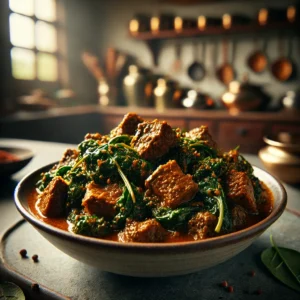
This lamb curry with spinach is a rich, comforting dish built on the deep flavors of homemade lamb curry masala. Tender lamb simmers in a warmly spiced gravy, while spinach adds freshness and balance. It is a classic-style meat curry that pairs beautifully with rice or flatbreads.
Ingredients
- 500 g lamb pieces (bone-in or boneless)
- 1 bunch fresh spinach, finely chopped
- 1 medium onion, diced
- 4 tablespoons olive oil (or neutral cooking oil)
- 2 tablespoons tomato purée
- 1 teaspoon homemade lamb curry masala
- 2 tablespoons plain yogurt
- ½ cup water (adjust as needed)
- Salt to taste
Optional substitutions: You can replace spinach with courgette (zucchini) or eggplant (aubergine) for a different texture and flavor profile.
Step-by-Step Cooking Method
- Sauté the onions
Heat oil in a heavy pan over medium heat. Add diced onions and cook for 5–6 minutes until golden brown. Properly browned onions create the flavor base of the curry. - Brown the lamb
Add the lamb pieces and cook for 7–8 minutes, stirring occasionally, until lightly browned on all sides. This step seals in juices and builds depth. - Add the lamb curry masala
Sprinkle in the lamb curry masala and salt. Stir well so the spices coat the meat evenly. Cook for about 1 minute to lightly toast the spices and release their aroma. - Cook the tomato base
Add tomato purée and continue cooking on medium heat. Stir until the mixture thickens and you see oil starting to separate at the edges. This indicates the spices and tomatoes have cooked properly. - Add the spinach
Mix in the finely chopped spinach. Cook until it wilts down and blends into the masala base. - Simmer until tender
Pour in ½ cup of water and reduce the heat to low. Cover and simmer for 25–30 minutes, or until the lamb becomes tender. Stir occasionally and add a little more water if the curry thickens too much. - Finish with yogurt
Stir in the yogurt and increase the heat slightly. Cook for a few more minutes until the gravy thickens and turns creamy. Taste and adjust salt if needed.
Serving Suggestions
Serve this spiced lamb and spinach curry hot with:
- Steamed basmati rice
- Jeera (cumin) rice
- Naan or roti
- Warm flatbreads
Can Lamb Curry Masala Be Used in Non-Indian Dishes?
Lamb curry masala is highly versatile and works beautifully outside traditional Indian curries. Because the blend contains warming, savory spices like cumin, coriander, black pepper, turmeric, and garam masala components, it adds depth, aroma, and gentle heat to many global dishes without making them taste like a curry when used in moderation.
Here’s how to use it in non-Indian cooking.
As a Dry Rub or Marinade
Lamb curry masala makes an excellent seasoning for grilling, roasting, or smoking.
Great for:
- Lamb chops, rack of lamb, or leg of lamb
- Beef brisket or short ribs
- Pork shoulder or ribs
- Chicken thighs or whole roast chicken
How to use:
Mix the spice blend with olive oil, yogurt, or lemon juice to create a wet marinade, or apply it directly as a dry rub. The spices form a flavorful crust when seared and enhance the natural richness of the meat.
It also works well in fusion dishes like lamb burgers, kebabs, or meatballs.
In Stews, Braises, and Slow-Cooked Dishes
This spice blend adds warmth and complexity to Western-style comfort foods.
Try it in:
- Irish lamb stew
- Beef stew or pot roast
- Braised lamb shanks
- Chili con carne
- Bean or lentil stews
How much to add:
Start with 1–2 teaspoons per pound (450 g) of meat. The spices deepen flavor without overpowering the dish when used in balanced amounts.
It also pairs well with Mediterranean or Moroccan-style stews, especially those with tomatoes, root vegetables, olives, or dried fruits.
For Vegetables and Grains
Lamb curry masala isn’t just for meat. Its earthy warmth enhances plant-based dishes too.
Use it in:
- Roasted cauliflower, carrots, sweet potatoes, or squash
- Savory rice pilafs or grain bowls
- Lentil or vegetable soups
- Spiced roasted nuts or chickpeas
Toss vegetables with oil and a light sprinkle before roasting. The spices caramelize and create a rich, aromatic finish.
In Sauces, Snacks, and Fusion Foods
This blend can add unexpected depth to everyday foods.
Creative ideas include:
- Mixing into yogurt dips or hummus
- Adding to barbecue sauces or marinades
- Seasoning shepherd’s pie filling
- Flavoring tacos with spiced ground lamb
- Sprinkling lightly over popcorn or roasted nuts
Tips for Best Results
- Start small: Use about half the amount you would in a curry and adjust to taste
- Bloom in oil when possible to release full aroma
- Balance flavors with acid (lemon, vinegar) or mild sweetness (honey, roasted vegetables)
Related Posts You May Want to Read
15 Magnesium-Rich Herbs and Spices: Are You Getting Enough?
How to Make Haleem Spice Blend (Haleem Masala) from Scratch in 3 Easy steps
9 Incredible Benefits of Asario Seeds That Will Transform Your Health Naturally
How to Cook Delicious Mouthwatering Lamb Jalfrezi at Home: 7 Easy Tips for Perfect Flavor
How to Cook Lamb Pasanda Curry with Homemade Spice Blend Masala
Frequently Asked Questions (FAQs) About Lamb Curry Masala
How should lamb curry masala be stored?
Store in a cool, dark, dry pantry in a glass or metal container with an airtight lid. Avoid moisture, direct sunlight, and heat. For extended freshness, refrigeration or freezing in airtight containers is optional, especially in humid climates.
Can lamb curry masala be used in non-Indian dishes?
Yes. It works as a dry rub or marinade for lamb, beef, or chicken, and adds depth to stews, roasted vegetables, soups, and fusion dishes like lamb tacos, burgers, or grain bowls. Use in small amounts initially to balance flavors.
How much lamb curry masala should I use in a recipe?
For traditional lamb curries, use 1–2 teaspoons per pound (450 g) of meat. For non-Indian dishes or dry rubs, start with ½–1 teaspoon per serving and adjust to taste.
What dishes pair best with lamb curry masala?
Lamb curry masala is ideal for Indian lamb or mutton curries, Mediterranean or Moroccan-style stews, roasted vegetables, rice pilafs, shepherd’s pie, lamb tacos, and meat-based fusion dishes.
Can lamb curry masala be substituted with other spices?
While homemade or store-bought lamb curry masala is ideal, you can create a substitute using cumin, coriander, turmeric, garam masala, black pepper, and paprika. Keep proportions balanced to replicate the warmth and aroma of the original blend.