⚱️ What is Advieh? Persian Spice Blend and How to Make It at Home
Table of Contents
- Key Takeaways: Advieh Persian Spice Blend
- What is Advieh Spice Seasoning Blend?
- What Does Advieh Taste Like?
- How Does Advieh Differ from Other Persian Spice Blends?
- What Are the Ingredients of Advieh?
- How Do You Make Advieh at Home?
- Can I Make Advieh Without Rose Petals or Substitute Them?
- What Dishes Can You Use Advieh In?
- How Should Advieh Be Stored for Freshness, Especially in Humid Climates?
- FAQs
- Can Advieh Be Used in Non-Persian Recipes?
- Is Advieh Gluten-Free and Suitable for Special Diets?
- Can I Use Advieh as a Dry Rub for Meat?
- How Long Does Homemade Advieh Last Compared to Store-Bought?
- Can I Adjust Advieh for Sweeter Dishes?
- Is Advieh Spicy Like Indian or Middle Eastern Blends?
- Can Advieh Be Used in Soups or Broths?
- Are There Regional Differences in Advieh Recipes?
- Can I Grind Advieh in Advance or Should I Mix Fresh?
Key Takeaways: Advieh Persian Spice Blend
What is Advieh Spice Seasoning Blend?
Advieh is a traditional Persian (Iranian) spice blend used to add warm, aromatic flavors to dishes without heat. It is versatile, salt-free, and commonly used in rice dishes, stews, kebabs, roasted poultry, soups, and vegetables.
What does Advieh taste like?
Advieh has a warm, aromatic, and slightly floral flavor with a balanced mix of sweet, savory, and earthy notes. It is not spicy, making it ideal for enhancing dishes without overpowering them.
How does Advieh differ from other Persian spice blends?
Advieh is unique for its aromatic floral profile, typically highlighted by rose petals and saffron, and its versatility across rice, stews, and soups. Unlike other Persian or Middle Eastern blends which are spicier with more complex ingredients.
What are the ingredients of Advieh?
Common ingredients include: Black Pepper, Caraway, Green Cardamom, Cinnamon, Cloves, Coriander, Cumin, Ginger Powder, Dried Lemon (Loomi), Nutmeg, Paprika, Rose Petals, Saffron, and Turmeric.
How do you make Advieh at home?
Dry-roast whole spices (cumin, coriander, caraway, cinnamon) and cool. Grind roasted and powdered spices (including turmeric, paprika, saffron, rose petals) into a fine mix.
Can I make Advieh without rose petals or use a substitute?
Yes, you can omit rose petals. The blend will remain flavorful but less floral.
What dishes can you use Advieh in?
Advieh is versatile and complements many dishes:
- Rice dishes: Polo, Tahdig, Sabzi Polo, Zereshk Polo
- Stuffed vegetables: Dolmeh
- Stews and braises: Khoresh (lamb, chicken, or bean-based)
- Grilled or roasted meats: Kebabs, chicken, duck, lamb
- Soups and legumes: Lentil, bean, or vegetable soups
- Roasted vegetables: Carrots, cauliflower, squash
- Desserts: Persian rice pudding, cookies (sweet Advieh)
How should Advieh be stored for freshness, especially in humid climates?
Use airtight, non-plastic containers (preferably glass with tight seals). Store in a cool, dark, dry place, away from heat, sunlight, and steam.
What is Advieh Spice Seasoning Blend?
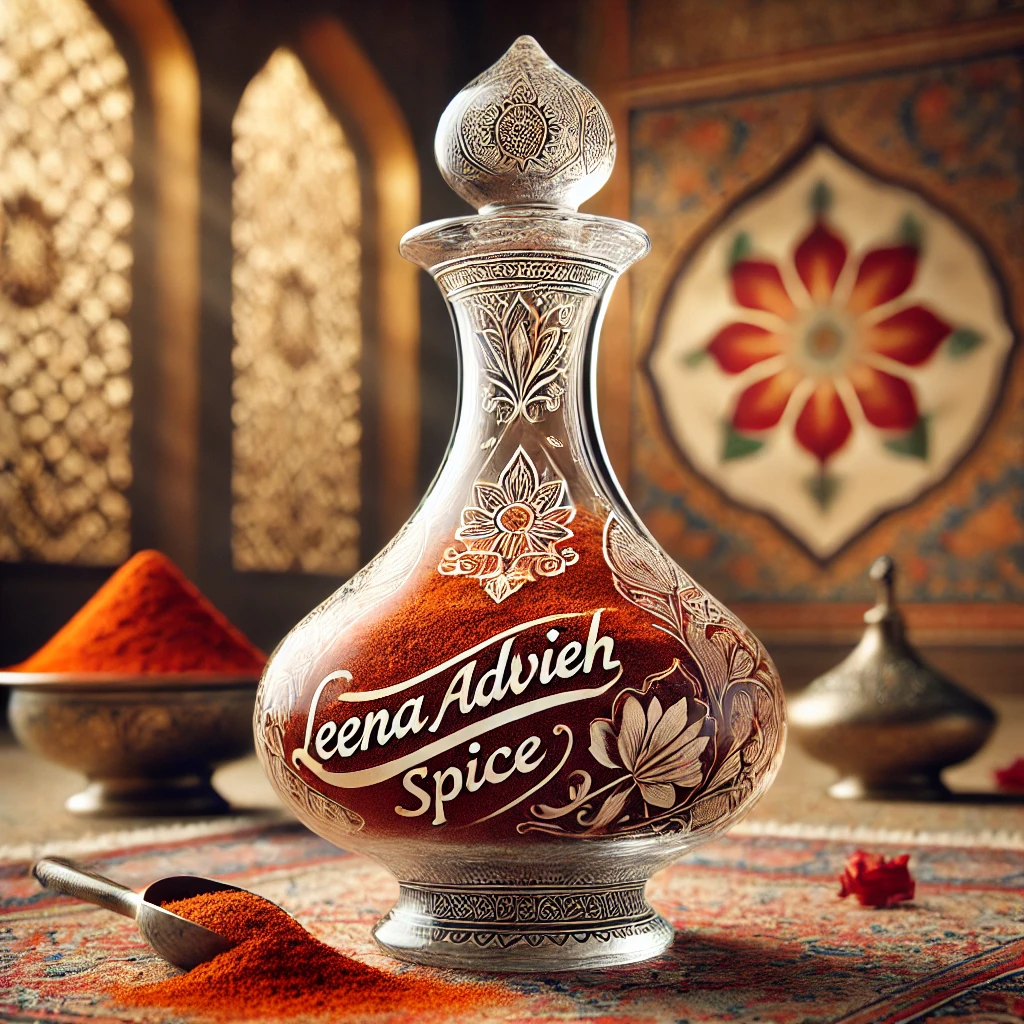
Advieh Spice Seasoning Blend is a classic Persian spice mix deeply rooted in Iranian cuisine. The word Advieh literally means “spice” in Farsi, and true to its name, it captures the heart of Persian cooking with its warm, aromatic, and perfectly balanced flavors.
This salt-free blend adds depth and fragrance to a wide range of dishes, from rice recipes like Advieh Polo to kebabs, roasted meats, stews, and soups. Unlike chili-based seasonings, Advieh delivers richness and complexity without heat, offering a delicate harmony of sweet, savory, and earthy notes.
Every region in Iran has its own version of Advieh. Some blends are tailored for rice (Advieh-e Polo), while others are crafted for stews (Advieh-e Khoresh).
What Does Advieh Taste Like?
Advieh offers a beautifully balanced and aromatic flavor that defines Persian cooking. It is warm, floral, and slightly sweet, with gentle earthy and nutty undertones that create depth without overwhelming the dish.
Unlike chili-based blends, Advieh is not hot or spicy. Instead, it delivers a mild, fragrant warmth that enhances the natural flavors of rice, meats, and stews. The inclusion of dried rose petals gives it a delicate floral note, while spices like cinnamon, cardamom, and cumin add comforting sweetness and subtle complexity.
Overall, Advieh’s taste can be described as warm, sweet, and aromatic with floral and earthy layers. It’s this gentle harmony that makes Advieh one of the most versatile and beloved spice blends in Iranian cuisine.
How Does Advieh Differ from Other Persian Spice Blends?
Unlike many Middle Eastern or Indian blends that emphasize heat or pungency, Advieh focuses on balance and fragrance. Its defining features are warmth, floral sweetness, and aromatic depth, often highlighted by the inclusion of dried rose petals — a hallmark ingredient that sets it apart.
The main variations of Advieh include:
- Advieh-e Polo (or Berenj) – A delicate, floral blend used for rice dishes and pilafs. It typically combines cinnamon, cardamom, cumin, and dried rose petals, creating a light, aromatic flavor.
- Advieh-e Khoresh – A richer, more robust version made for stews. This blend may feature turmeric, cinnamon, cardamom, dried lime (loomi), or saffron, giving it a deeper and more complex character.
- Advieh-e Ash – Designed for soups and herb stews (Ash), this variation includes pungent herbs such as dried mint or fenugreek, adding a herbaceous note to hearty dishes.
Each Advieh blend is tailored to its dish, enhancing flavor without overpowering the main ingredients. This adaptability makes Advieh unique among Persian seasonings.
In contrast to other regional spice blends:
- Baharat (Arabian Gulf) leans spicier, with more black pepper, paprika, and chili.
- Ras el Hanout (North African) is much hotter and more complex, often containing 20 or more spices.
- Garam Masala (Indian) is toasted and pungent, featuring clove, mace, and coriander, and adds more heat.
What makes Advieh distinctly Persian is its floral elegance, gentle sweetness, and lack of chili heat. It reflects the refined balance of flavors at the heart of Iranian cuisine — aromatic, sophisticated, and perfectly tuned to the dish it complements.
What Are the Ingredients of Advieh Spice Blend?
- Black Pepper – Adds gentle warmth and mild spiciness without overpowering other flavors.
- Caraway – Contributes a slightly nutty, earthy taste with a hint of sweetness.
- Green Cardamom – Offers a floral, citrusy aroma that defines the signature fragrance of Advieh.
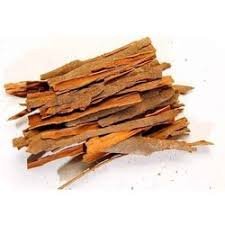
- Cinnamon Quill – Brings sweet warmth and depth, balancing the savory and floral tones.
- Cloves – Impart an intense, slightly sweet, and peppery note that enhances richness.
- Coriander – Adds a mild citrusy flavor that brightens the blend.
- Cumin – Introduces an earthy, nutty element that anchors the spice mix.
- Ginger Powder – Provides a touch of heat and zest, complementing the floral notes.
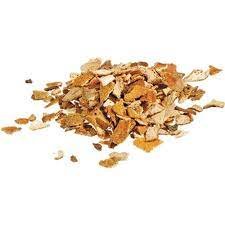
- Dried Lemon (Loomi) – Adds tangy, slightly smoky acidity for depth and contrast.
- Nutmeg – Lends a warm, sweet-spicy undertone that enhances aromatic balance.
- Paprika – Contributes color and mild sweetness without heat.
- Rose Petals – The hallmark of Advieh, adding a delicate floral aroma and gentle sweetness.
- Saffron – Infuses a luxurious golden hue and subtle earthy sweetness.
- Turmeric – Adds warmth, color, and mild bitterness to round out the blend.
How do you make Advieh at home?
Here’s a simple recipe for preparing your own Advieh Spice Blend:
Ingredients
- Black Pepper – 1 g
- Caraway Seeds – 5 g
- Green Cardamom – 9 g
- Cinnamon Quill – 18 g
- Cloves – 5 g
- Coriander Seeds – 5 g
- Cumin Seeds – 19 g
- Ginger Powder – 4 g
- Dried Lemon (Loomi) – 5 g
- Nutmeg – 5 g
- Paprika – 5 g
- Rose Petals – 9 g
- Saffron Threads – 1 g
- Turmeric Powder – 9 g
Instructions
- Prepare the spices: Break the cinnamon quill into small pieces. If using whole spices like cumin, coriander, and caraway, dry-roast them lightly in a pan over low heat for 1–2 minutes to release their aroma. Allow them to cool completely.
- Grind the spices: Using a spice grinder or mortar and pestle, grind all the roasted and whole spices until they form a fine powder.
- Mix the blend: Combine the ground spices with the powdered ones — ginger, turmeric, paprika, saffron, and rose petals. Mix thoroughly to ensure even distribution of flavors.
- Store properly: Transfer your homemade Advieh into an airtight glass jar and store it in a cool, dark place. It will stay fresh and aromatic for up to six months.
Can I Make Advieh Without Rose Petals or Substitute Them With Another Ingredient?
1. Omitting Rose Petals Entirely
If you don’t have rose petals or prefer not to use them, simply leave them out. The blend will remain flavorful, showcasing the warmth of cinnamon and nutmeg, the earthiness of cumin and coriander, and the fresh aroma of cardamom.- Result: A less floral but still richly aromatic Advieh.
2. Substitutions for the Floral Note
If you’d like to keep a touch of floral fragrance, try one of the following substitutes:| Substitute | How to Use | Flavor Effect |
| Dried Lavender | Use sparingly (half the amount of rose petals). | Adds a soft floral aroma; stronger than rose, so use lightly. |
| Dried Hibiscus Petals | Use a small pinch to add color and a gentle tartness. | Gives a floral and fruity undertone. |
| Ground Cardamom (extra ¼–½ tsp) | Slightly increase the amount in your blend. | Enhances the aromatic brightness and complexity. |
| Saffron Threads | If using Advieh in rice, infuse a few threads in hot water and add during cooking. | Adds subtle floral sweetness and a golden hue. |
| Rose Water (not in the spice mix) | Add a few drops directly to your dish, not the spice jar. | Provides authentic rose fragrance; use sparingly to avoid a soapy taste. |
Final Tip
Advieh is a highly adaptable spice blend — there’s no single “correct” version. Persian families often adjust their recipes based on availability and taste preferences. Even without rose petals, your homemade Advieh will far surpass any store-bought substitute in freshness, authenticity, and aroma.What Dishes Can You Use Advieh In?
Traditional Uses of Advieh
In Iranian cooking, Advieh is used to season many of the country’s most beloved dishes, including:- Rice Dishes (Polo and Tahdig): Sprinkled into rice or added to the cooking water for dishes like Sabzi Polo (herb rice), Zereshk Polo (barberry rice), and Tahdig (crispy rice crust).
- Stuffed Vegetables and Dolmeh: Mixed into fillings of rice, herbs, and sometimes meat for a rich, aromatic flavor.
- Stews and Braises (Khoresh): Added toward the end of cooking to enhance dishes like lamb, chicken, or bean stews with warmth and fragrance.
- Grilled or Roasted Meats: Used as a dry rub or marinade for kebabs, roasted chicken, duck, or lamb.
- Soups and Legume Dishes: A small amount can elevate lentil, bean, or vegetable soups, adding subtle depth without heat.
- Roasted Vegetables: Excellent for carrots, cauliflower, pumpkin, or squash, giving a Middle Eastern aroma to simple roasted sides.
- Rice-Stuffed Dishes: Works beautifully in stuffings for peppers, tomatoes, or grape leaves, offering both aroma and complexity.
Sweet and Creative Uses
Some regional or modern variations of Advieh are also used in desserts such as rice pudding (Sholeh Zard) or Persian cookies, where the floral and cinnamon-cardamom notes pair well with sweet flavors.Where can I buy authentic Advieh?
How Should Advieh Be Stored for Freshness, Especially in Humid Climates?
Proper storage is key to preserving the aroma, color, and flavor of your Advieh Spice Blend. Like all finely ground spices, Advieh is sensitive to moisture, heat, and light, which can quickly dull its fragrance and shorten its shelf life — especially in humid climates.
1. Use the Right Container
Choose an airtight, non-plastic container to protect your Advieh from air and humidity.
- Best Option: A glass jar with a tight-fitting or rubber-sealed lid, such as a clip-top or canning jar.
- Opaque or Dark Glass: Protects against light exposure, which can degrade color and essential oils.
- Avoid Plastic: It can absorb aromas and is less effective at sealing out moisture.
2. Store in the Ideal Location
Keep your Advieh in a cool, dark, and dry place away from heat and steam.
- Do Not Store Near Heat: Avoid placing it above the stove, next to the oven, or near the dishwasher.
- Best Spot: A pantry, drawer, or cabinet away from sunlight and kitchen humidity.
3. Protect Against Moisture
Humidity is the greatest threat to spice freshness. Here’s how to combat it:
- Add Silica Gel Packets: Place one inside your jar to absorb excess moisture.
- Use a Dry Spoon: Never sprinkle Advieh directly over a steaming pot; rising steam can introduce moisture and cause clumping or mold.
- Close the Lid Immediately: Always reseal tightly after each use.
4. Refrigerate or Freeze for Long-Term Storage
If you live in a very humid climate, store bulk Advieh in the refrigerator or freezer.
- Keep most of it sealed in a freezer-safe jar and store a small working portion in your pantry.
- The blend won’t freeze solid, and this method helps retain its aroma for several months.
- When refilling your jar, let the spice come to room temperature before opening to prevent condensation.
5. Grind Small Batches for Maximum Freshness
If you make Advieh from whole spices, grind only what you need for a few weeks. Whole spices retain their oils and flavor much longer than pre-ground blends.
Shelf Life
When stored correctly, Advieh remains fresh for about 3–6 months at room temperature and up to a year if refrigerated or frozen. Its peak flavor is always within the first few months after grinding.
Frequently Asked Questions About Advieh Spice Blend
Can Advieh be used in non-Persian recipes?
Yes. Advieh’s warm, aromatic, and slightly floral flavor works well in Asian rice dishes, Middle Eastern-inspired stews, roasted vegetables, or even fusion cuisine. It adds depth without overpowering the main ingredients.
Is Advieh gluten-free and suitable for special diets?
Absolutely. Advieh is naturally gluten-free, vegan, and vegetarian-friendly, making it safe for a variety of dietary needs. Always check individual spice sources if you buy pre-blended versions.
Can I use Advieh as a dry rub for meat?
Yes. Advieh is excellent as a dry rub or marinade for chicken, lamb, or beef. Mix it with a little oil or yogurt to coat the meat evenly before roasting, grilling, or baking.
How long does homemade Advieh last compared to store-bought?
Homemade Advieh is most aromatic and flavorful within 3–6 months if stored correctly. Store-bought blends may last longer but often have reduced potency due to pre-ground spices losing essential oils.
Can I adjust Advieh for sweeter dishes?
Yes. For desserts like rice pudding or cookies, you can slightly increase the amount of cinnamon, cardamom, and rose petals while reducing earthy spices like cumin. This enhances the sweet and floral notes.
Is Advieh spicy like Indian or Middle Eastern blends?
No. Advieh is not hot. Unlike garam masala or Baharat, it emphasizes aromatic, floral, and warm spices without chili heat. It’s designed to enhance flavor without overpowering the dish.
Can Advieh be used in soups or broths?
Yes. A pinch of Advieh added toward the end of cooking soups or bean stews infuses a fragrant aroma and subtle complexity. It pairs especially well with lentil, vegetable, or herb-based soups.
Are there regional differences in Advieh recipes?
Yes. Families and regions in Iran have their own variations:
- Advieh-e Polo: floral and delicate for rice
- Advieh-e Khoresh: bold and robust for stews
- Advieh-e Ash: herbaceous and pungent for soups
These variations allow cooks to customize flavors based on local ingredients and taste preferences.
Can I grind Advieh in advance or should I mix fresh?
For maximum freshness and aroma, grind whole spices and mix in small batches. Pre-ground spices lose potency faster, especially in humid climates, but bulk Advieh can be stored in airtight jars if properly protected.