How to Make Mild Mitmita at Home: Authentic Ethiopian Spice Blend
Table of Contents
- Key Takeaways
- What is Mitmita spice blend, and where does it originate?
- How is Mitmita different from Berbere spice blend?
- What are the main ingredients of authentic Mitmita spice?
- Where can I buy authentic Mitmita spice?
- How do you make mild Mitmita spice at home?
- What dishes pair best with Mitmita spice?
- FAQs
Key Takeaways
What is Mitmita spice?
Mitmita is a traditional Ethiopian spice blend known for its fiery heat and aromatic flavors, typically made with bird’s eye chili, Ethiopian cardamom (korerima), cloves, and salt. It is used as a finishing spice or condiment in Ethiopian cuisine.
How is mild Mitmita different from traditional Mitmita?
Mild Mitmita reduces the heat by substituting hot bird’s eye chilies with milder chili powders like Kashmiri or Korean chili. Aromatic spices such as cardamom, cinnamon, and cloves are increased to preserve flavor without overwhelming heat.
What are the main ingredients in authentic Mitmita?
Core ingredients include ground bird’s eye chili, Ethiopian cardamom (korerima), cloves, salt, with optional additions like cinnamon, cumin, and ginger for added aroma.
How can I make mild Mitmita at home?
Lightly toast whole spices (cardamom, cloves, cinnamon), grind them, then mix with mild chili powder and salt. Store in an airtight container to preserve freshness. Adjust chili levels for desired heat.
What dishes pair best with Mitmita?
Traditionally, Mitmita is paired with Ethiopian dishes like kitfo, gored gored, and tibs. Modern uses include grilled meats, roasted vegetables, lentils, eggs, dips, avocado toast, and even popcorn or fries.
Why use Mitmita as a finishing spice?
Due to its intense heat and aromatic profile, Mitmita is best added at the table or at the end of cooking to enhance flavor without losing its bright, pungent notes during long cooking.
How should I store Mitmita spice?
Store in an airtight container away from heat, light, and moisture. Freshness and aroma are best preserved for up to six months.
Can Mitmita be used in modern or fusion recipes?
Yes. Mild Mitmita works well in global dishes, including grilled seafood, pizzas, dips, scrambled eggs, roasted nuts, and Asian-inspired stir-fries, adding bold flavor without overpowering heat.

What is Mitmita spice blend, and where does it originate?
Mitmita is a traditional Ethiopian spice blend known for its bright orange-red colour and intense, fast-building heat. It is one of the hottest seasonings in Ethiopian cooking and has been part of local food culture for centuries. The blend originally developed in the highlands of Ethiopia and the wider Horn of Africa, where chilli, aromatics, and native spices have long been traded and used in daily cooking since the era of the ancient Aksum Empire.
At its core, Mitmita is made from finely ground African bird’s eye chilli peppers (piri-piri), which give the blend its signature heat. These chillies are combined with Ethiopian cardamom (korerima), cloves, and salt. Some regional versions also include cinnamon, cumin, or ginger to add warmth and aromatic depth. Compared to the more complex berbere blend, Mitmita delivers a cleaner, sharper heat that hits quickly and lingers.
In Ethiopian cuisine, Mitmita is traditionally used as a finishing spice or table condiment rather than a cooking base. It is most famously paired with kitfo, a seasoned minced raw beef dish, but it is also sprinkled over cooked meats, lentils, and stews such as doro wat. Its fiery profile and concentrated flavour make it a favourite among the Gurage community and other groups across Ethiopia.
Mitmita continues to hold cultural and culinary importance today, offering a distinct flavour combination that reflects Ethiopia’s long history of spice cultivation, trade, and regional food traditions.
How is Mitmita different from Berbere spice blend?
Mitmita is the hotter and more streamlined of the two. It relies heavily on bird’s eye chilli peppers, which give it an immediate, sharp heat that builds quickly. The ingredient list is intentionally short—often just chilli, Ethiopian cardamom (korerima), cloves, and salt, with occasional additions like cinnamon, cumin, or ginger. This simplicity creates a direct, fiery profile with citrusy and aromatic notes. In Ethiopian cuisine, Mitmita is mainly a finishing spice or table condiment. It is sprinkled over raw or lightly cooked meats, especially kitfo, and adds a concentrated burst of heat at the point of serving.
Berbere, by contrast, is a complex cooking blend used as the backbone of many Ethiopian dishes. It contains a wide mix of spices such as chili powders, paprika, fenugreek, korerima, ginger, garlic, onion, and sacred basil. This produces a deep, earthy, warm flavour with layers of sweetness, smokiness, and balanced heat. Berbere is typically added during cooking—especially in wats (slow-cooked stews), braises, chicken dishes like doro wat, and lentil preparations such as misir wat. Its purpose is to build body, colour, and aromatic depth.
Difference Between Mitmita and Berbere
Aspect | Mitmita | Berbere |
Primary Use | Finishing spice or table condiment; sprinkled on raw or cooked meats (especially kitfo) | Core cooking base for stews, braises, lentils, and chicken dishes (e.g., doro wat, misir wat) |
Heat Level | Extremely hot, sharp, immediate heat | Moderate to high heat; warmer and more balanced |
Flavor Profile | Direct, fiery, citrusy, aromatic; focused on chilli and cardamom | Deep, earthy, smoky, slightly sweet; layered with complex aromatics |
Ingredients | Bird’s eye chilli, Ethiopian cardamom (korerima), cloves, salt; sometimes cinnamon, cumin, or ginger | Chili powders, paprika, fenugreek, korerima, ginger, garlic, onion, sacred basil, and other spices (12–16 ingredients) |
Complexity | Simple, streamlined blend | Highly complex, multi-layered blend |
Color | Bright orange-red | Deep red-brown |
Texture | Dry, fine powder; often used straight or mixed with a little oil as a dip | Dry powder or paste when mixed with oil/water; cooked into dishes |
Role in Ethiopian Cuisine | Adds intense heat at the table | Builds flavour, colour, and body during cooking |
Typical Dishes | Kitfo, tere siga, sprinkled over meats | Doro wat, misir wat, tibs, lentil and vegetable stews |
What are the main ingredients of authentic Mitmita spice?
Authentic Mitmita is a focused Ethiopian spice blend built around heat and aromatic depth. While recipes vary slightly by region, traditional Mitmita is made from a small group of key spices that define its fiery, citrusy, and aromatic character.
The core ingredients of real Mitmita include:
Bird’s eye chilli (piri-piri)
The main ingredient and the source of Mitmita’s intense, sharp heat. These small African chillies are dried and finely ground.
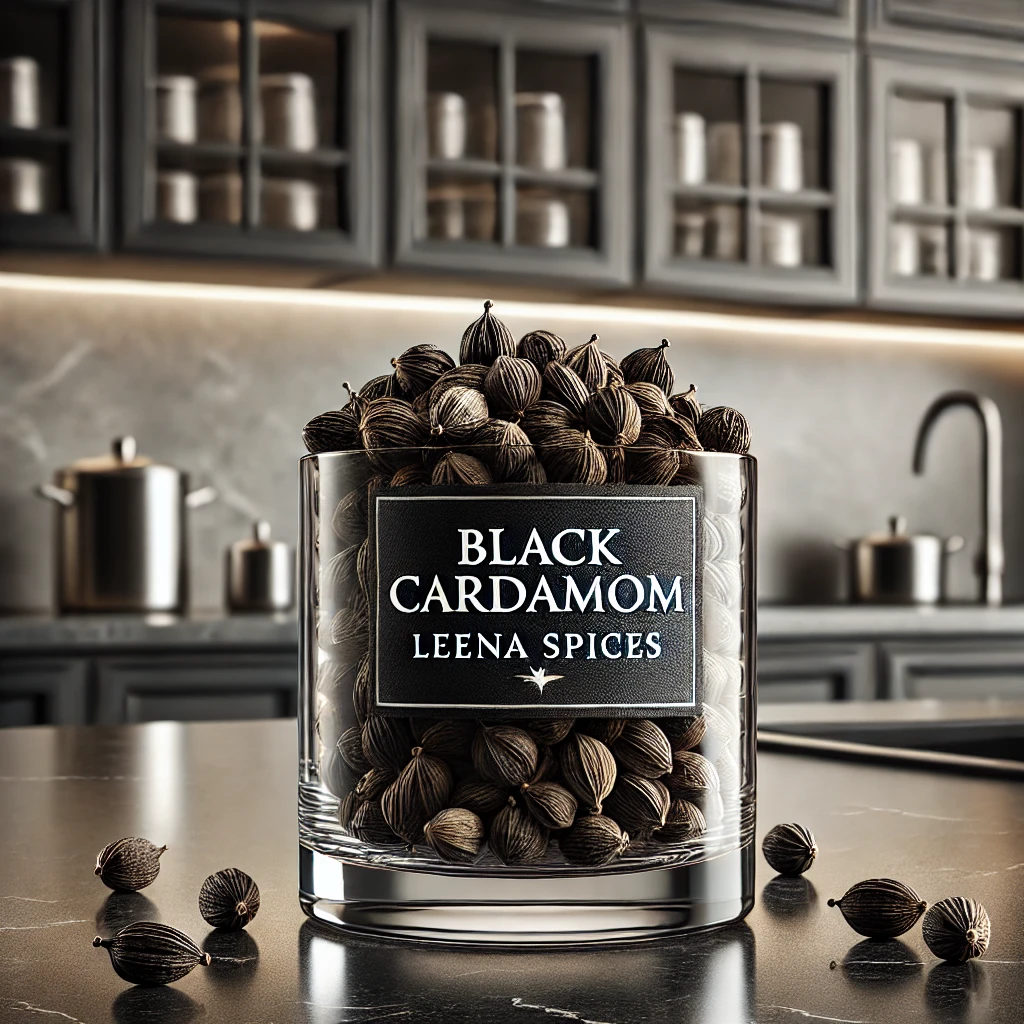
Ethiopian cardamom (korerima)
Adds a warm, citrusy, floral aroma unique to the Horn of Africa. This is essential for an authentic flavour profile.
Cloves
Contribute a sweet, warming, slightly numbing spice that balances the chilli heat.
Salt
Helps carry the flavour and makes Mitmita suitable as a ready-to-use condiment.
Many traditional versions also include one or more optional aromatics to enhance complexity:
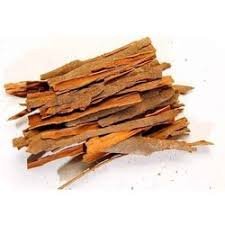
Cinnamon – adds warmth and slight sweetness
Cumin – adds earthy depth
Ginger powder – adds sharp, warm brightness
These optional additions vary between regions and families, but they stay within the classic Ethiopian flavour tradition.
You can buy Pure and Authentic Mitmita From Amazon
You’ll find several reputable brands offering pre-made blends in both small jars and bulk packs.
CLICK HERE
Watch the Video
⚡️The Ultimate Keto Meal Plan⚡️
How do you make mild Mitmita spice at home?
Traditional Mitmita is one of the hottest Ethiopian spice blends, but you can easily create a mild version that preserves its signature aromatic profile without overwhelming heat. The key is to replace the intensely hot bird’s eye chilies with milder chili powders and increase the proportion of warm, fragrant spices.
Ingredients (Mild, Family-Friendly Version)
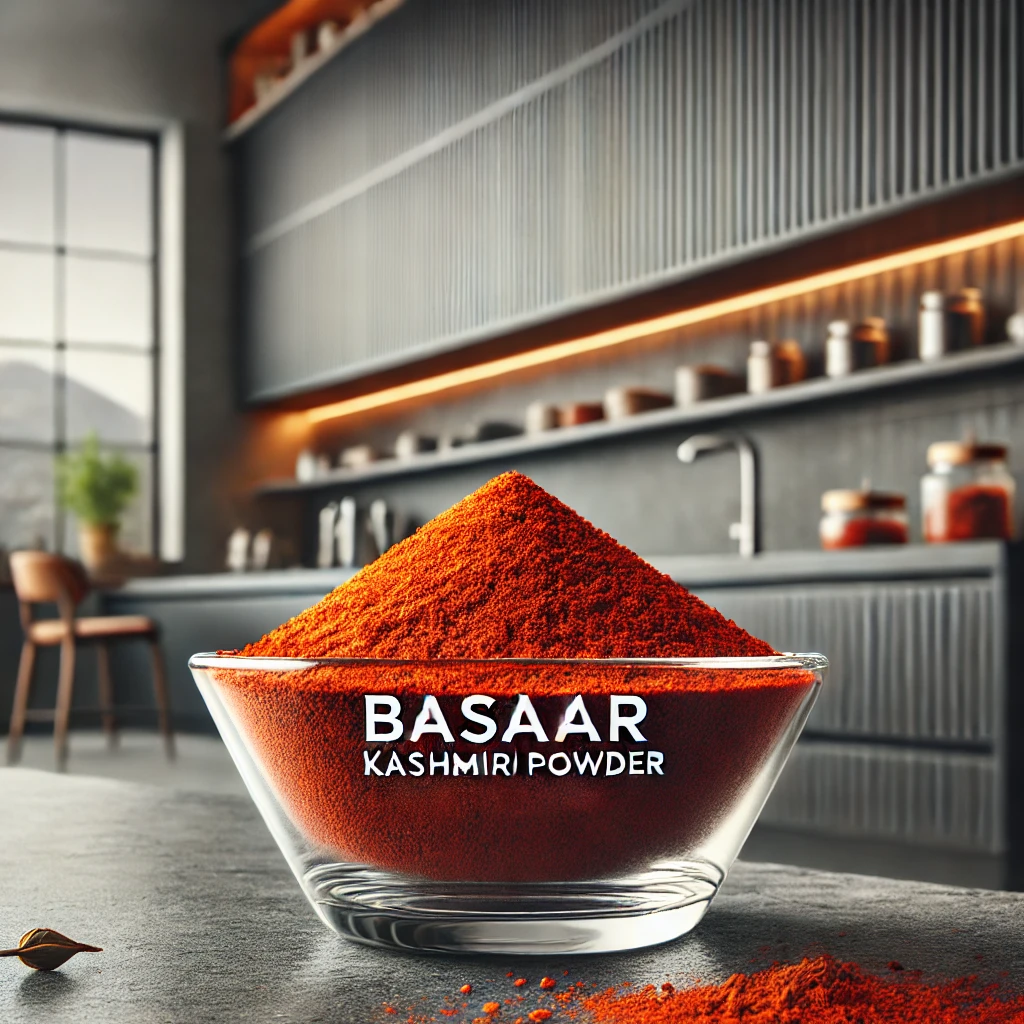
- 2 tablespoons mild chili powder (Kashmiri, Korean mild chili, or a paprika–cayenne mix)
• 1 tablespoon sweet paprika (adds colour with almost no heat)
• 1½ teaspoons ground Ethiopian cardamom (korerima) or green cardamom
• 1 teaspoon ground cumin
• ¾ teaspoon ground cloves
• ¾ teaspoon ground cinnamon
• 1 teaspoon fine salt
• ½ teaspoon ground ginger (optional, adds warmth)
• ½ teaspoon garlic powder (optional for extra depth)
Why This Works
Mitmita’s identity comes from sharp chilli heat layered with citrusy cardamom and warming cloves. By using milder chilies and boosting aromatics like cinnamon, cumin, and ginger, you keep the traditional flavour while reducing the heat from 10/10 to around 4–5/10.
Instructions
- Lightly toast the aromatics.
Warm the cumin, cloves, and cardamom in a dry pan over low heat for 30–45 seconds until fragrant. This enhances their natural oils. - Cool completely.
Toasted spices grind and mix better when cool. - Mix the blend.
Combine the mild chili powder, paprika, ground spices, and salt in a bowl. Stir until the colour is even and the texture is uniform. - Store properly.
Transfer the blend to an airtight jar and store away from heat and sunlight. The flavours deepen after 24–48 hours and stay fresh for up to six months.
Tips for Reducing Heat While Keeping Authentic Flavour
- Use sweet paprika to add body without spice.
• Mix 2 parts paprika to 1 part cayenne for a mild but bright red colour.
• Increase cardamom and cinnamon slightly to soften chilli intensity.
• Add a touch more salt to create balance and roundness.
• Avoid including ingredients not used in Ethiopian Mitmita (such as allspice, nutmeg, turmeric).
What dishes pair best with Mitmita spice?
Mitmita is best known for its fiery heat and aromatic notes of cardamom and cloves, making it ideal as a finishing spice rather than a cooking base. It shines on dishes that can handle bold, direct heat and benefit from a sharp, citrusy lift.
Traditional Ethiopian Pairings
These dishes represent the most authentic and classic uses of Mitmita in Ethiopian cuisine:
Kitfo – The definitive pairing. This raw or lightly cooked minced beef dish is traditionally served with Mitmita sprinkled on top.
Gored gored – Cubes of raw or lightly seared beef seasoned with Mitmita for heat and aroma.
Tibs – Sautéed beef, lamb, or goat, often finished with a pinch of Mitmita for extra flavour.
Kurt / Tere siga – Raw beef strips enjoyed with Mitmita as the main condiment.
Dulet – A rich mince of tripe, liver, and spices that benefits from a finishing dash of Mitmita.
Awaze dip – A spicy dipping paste where Mitmita is mixed with oil or honey wine vinegar and served with injera or grilled meat.
Meat and Seafood Pairings
Mitmita works beautifully with grilled, seared, or roasted proteins:
• Grilled lamb chops or goat
• Pan-seared steak
• Kebabs and barbecue meats
• Roasted chicken
• Grilled or fried fish (especially tilapia, mackerel, snapper)
• Beef tartare or carpaccio for a fusion twist
Use it as a finishing sprinkle or mix it into a quick oil-based rub.
Plant-Based and Vegetarian Pairings
Mitmita adds depth and heat to simple vegetable dishes:
• Roasted cauliflower, potatoes, pumpkin
• Grilled corn
• Sautéed mushrooms
• Lentils and chickpeas (especially misir wot or simple lentil bowls)
• Hummus or bean dips
• Avocado toast or guacamole
A light dusting goes a long way due to its intensity.
Breakfast and Egg Dishes
Mitmita pairs surprisingly well with eggs:
• Scrambled eggs with injera
• Fried eggs
• Omelettes
• Deviled eggs
It cuts through richness and enhances flavour.
Modern and Fusion Applications
Mitmita adapts well beyond Ethiopian cuisine:
• Popcorn seasoning
• French fries and wedges
• Pizza topping (finishing sprinkle)
• Spiced yogurt or mayo dip
• Roasted nuts
• Mixed into melted butter for bread or grilled seafood
• Added to salad dressings or vinaigrettes
FAQs
Is Mitmita the same as Berbere spice?
No. Mitmita is much hotter, simpler, and typically used as a finishing spice, whereas Berbere is a complex, aromatic cooking blend used as a base in Ethiopian stews and sauces.
Can I make Mitmita without Ethiopian cardamom (korerima)?
Yes, you can substitute with green cardamom in mild Mitmita recipes, though korerima provides the authentic citrusy aroma unique to Ethiopian cuisine.
How hot is mild Mitmita compared to traditional Mitmita?
Mild Mitmita reduces the heat significantly by using gentler chili powders such as Kashmiri or paprika, bringing the heat level down from intense (10/10) to moderate (4–5/10) while keeping the signature aromatic flavor.
Can Mitmita be used in vegetarian or plant-based dishes?
Absolutely. It enhances roasted vegetables, lentil and chickpea stews, sautéed mushrooms, avocado toast, and dips like hummus, adding depth without overpowering the dish.
How do I adjust Mitmita for children or those sensitive to heat?
Use sweet paprika or mild chili powders, reduce the amount of hot chili, and slightly increase aromatic spices like cardamom and cinnamon to maintain flavor without strong heat.
How long does homemade Mitmita stay fresh?
Stored in an airtight container away from sunlight and moisture, Mitmita can stay fresh for 3–6 months. Its aroma intensifies after 24–48 hours.
Can Mitmita be used outside Ethiopian cuisine?
Yes. Mild Mitmita works in fusion dishes including grilled meats, seafood, popcorn seasoning, fries, pizzas, eggs, roasted nuts, and spicy dips, adding a unique Ethiopian-inspired flavor.
What is the best way to toast spices for Mitmita?
Lightly dry-toast whole spices like cardamom pods, cloves, and cinnamon sticks over low heat for 30–60 seconds until fragrant. Cool completely before grinding to prevent moisture and clumping.
Can I make a larger batch of Mitmita for long-term use?
Yes, but for best aroma and flavor, grind and mix in smaller batches if possible. Large batches should be stored airtight, in a cool, dark place, to maintain potency and prevent loss of flavor.
What dishes showcase Mitmita’s authentic flavor?
Traditional Ethiopian dishes like kitfo, gored gored, tibs, and dulet are classic pairings. For modern applications, sprinkle over eggs, roasted vegetables, grilled meats, and fusion dips to highlight its bright, pungent heat.