7 Mediterranean Spice Blend Secrets Every Home Cook Should Know
Table of Contents
- Key Takeaways: Mediterranean Spice Blend Essentials
- What Is a Mediterranean Spice Blend Made Of?
- How do I Make a Homemade Mediterranean Seasoning Blend?
- Beginner Mistakes to Avoid When Making or Using Homemade Mediterranean Rubs
- Can I Use Mediterranean Spices on Vegetables?
- How Long Does Homemade Mediterranean Seasoning Last?
- Frequently Asked Questions
Key Takeaways: Mediterranean Spice Blend Essentials
What is a Mediterranean spice mix?
A Mediterranean spice mix is an aromatic blend of herbs and spices inspired by cuisines from Greece, Italy, the Levant, and North Africa. It typically includes oregano, thyme, rosemary, garlic powder, and sometimes zesty sumac or warm cumin. The blend is used to season meats, fish, vegetables, and grains, adding depth and balance to Mediterranean-style dishes.
What are the most common ingredients in Mediterranean spice mixes?
Core ingredients include dried oregano, thyme, rosemary, marjoram, garlic powder, and onion powder. Many blends also feature earthy cumin, nutty coriander, or tangy sumac for complexity. These ingredients combine to create the perfect balance of herbal freshness, warmth, and subtle citrus notes characteristic of Mediterranean cuisine.
Is Mediterranean seasoning the same as Italian seasoning?
Not exactly. Both blends share Mediterranean roots and herbs like oregano and basil, but they differ in complexity and regional influence. Italian seasoning focuses on classic Italian herbs such as oregano, basil, thyme, and marjoram. Mediterranean seasoning often goes further, adding spices like cumin, coriander, sumac, or dill weed found in Middle Eastern and North African cooking.
What dishes work best with Mediterranean spice mixes?
Mediterranean spice blends are exceptionally versatile. Use them to season grilled chicken, roasted vegetables (such as zucchini, eggplant, or potatoes), fish, or lamb. They also shine when mixed with olive oil for bread dipping, stirred into hummus or yogurt dips, or sprinkled over rice, couscous, and salads for a flavorful finish.

What Is a Mediterranean Spice Blend Made Of?
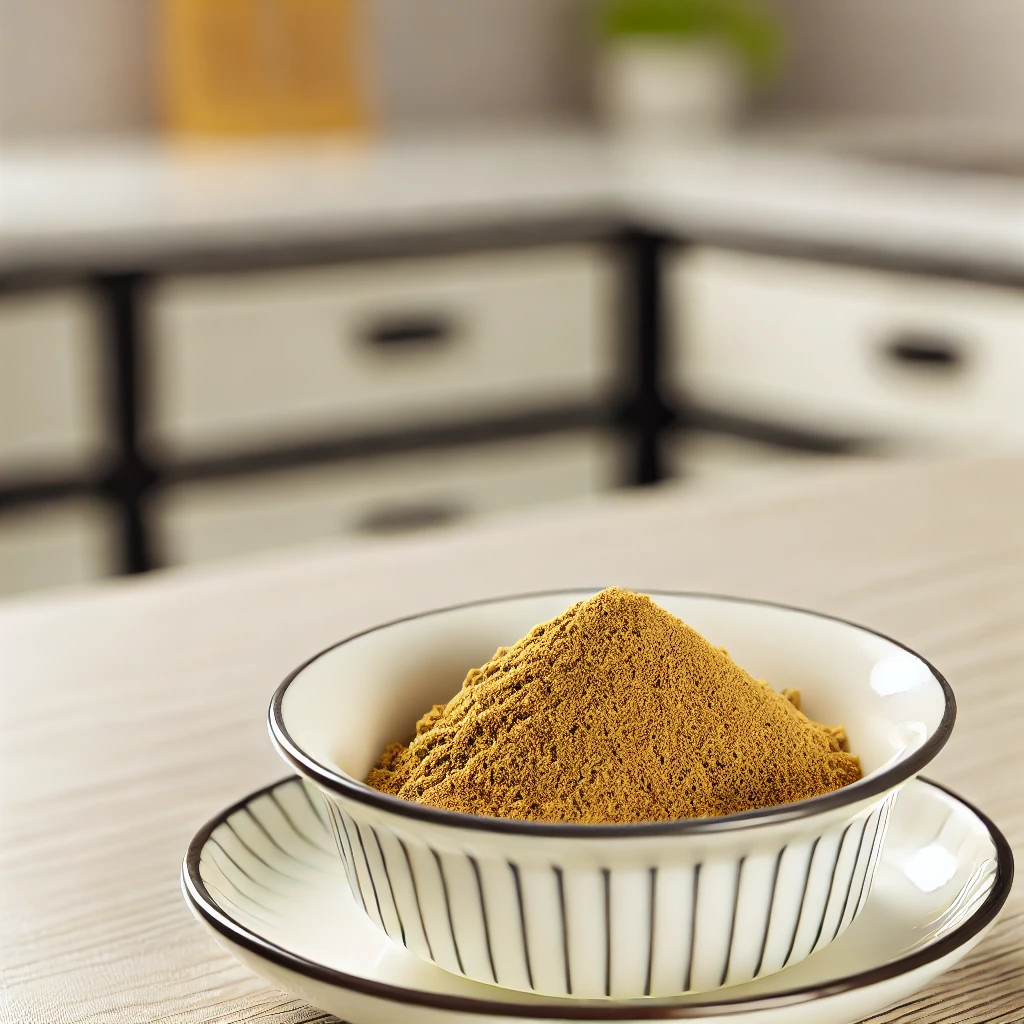
A Mediterranean spice blend is a fragrant mix of herbs and spices inspired by the sun-drenched cuisines of Southern Europe and the Middle East. This blend brings together warmth, depth, and a hint of sweetness perfectly capturing the essence of Mediterranean cooking.
A typical Mediterranean spice mix includes the following ingredients:
- Aniseed – Adds a delicate licorice-like sweetness that enhances both savory and roasted dishes.
- Cardamom (Green) – Offers a fresh, slightly citrusy aroma that brightens the blend and balances earthy spices.
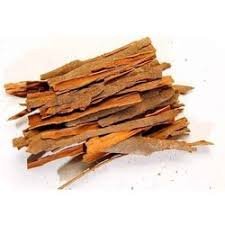
- Cinnamon – Introduces gentle warmth and sweetness, common in both Mediterranean meat and vegetable recipes.
- Coriander – Brings a mild, nutty, and lemony undertone that complements cumin and garlic beautifully.
- Cumin – Provides an earthy depth and richness that forms the backbone of many Mediterranean spice blends.
- Garlic Powder – Adds savory intensity and enhances flavor without overpowering other herbs.
- Oregano – A signature Mediterranean herb with a bold, aromatic, and slightly bitter note, perfect for grilled meats and vegetables.
- Rosemary – Lends a pine-like fragrance that ties the blend to the classic flavors of coastal Mediterranean cuisine.
- Star Anise – Offers subtle sweetness and a hint of spice, rounding out the blend with a sophisticated finish.
Together, these ingredients create a balanced, aromatic mix ideal for seasoning lamb, chicken, seafood, roasted vegetables, or even Mediterranean-style stews.
How do I Make a Homemade Mediterranean Seasoning Blend?
Ingredients
- Aniseed – 16g
- Cardamom (Green) – 16g
- Cinnamon – 2g
- Coriander – 16g
- Cumin – 16g
- Garlic Powder – 6g
- Oregano – 6g
- Rosemary – 21g
- Star Anise – 1g
Method
- Measure and combine all the ingredients in a clean, dry bowl.
- Grind or crush the mixture using a spice grinder or mortar and pestle until you achieve a medium-fine texture.
- Mix well to ensure all herbs and spices are evenly blended.
- Store your homemade Mediterranean seasoning in an airtight glass jar, away from heat and sunlight.
Why Make Your Own Mediterranean Blend?
Homemade seasoning blends let you control freshness, flavor balance, and quality. Unlike pre-packed mixes, yours will be free from fillers, preservatives, and excess salt — delivering pure, authentic Mediterranean flavor every time.
Beginner Mistakes to Avoid When Making or Using Homemade Mediterranean Rubs
Mistakes When Making a Mediterranean Spice Rub
- Using Old Spices The freshness of your ingredients determines the flavor intensity of your rub. Dull, stale spices lead to flat-tasting blends. Always check expiration dates and replace ground spices every 6–12 months for peak potency.
- Skipping the Toasting Step Toasting or gently warming whole spices like cumin or coriander before grinding helps release essential oils and deepen flavor. Skipping this step often results in a less aromatic blend.
- Grinding Too Fine Over-grinding herbs such as rosemary or oregano can turn them into powdery dust that burns easily during cooking. Instead, grind coarsely or lightly crush them with a mortar and pestle for better texture and flavor release.
- Using Equal Ratios Not all spices should be used in equal measure. Mediterranean blends work best when aromatic herbs like oregano and thyme take the lead (roughly 2:1 compared to supporting spices). Proper balance prevents one note from overpowering the rest.
- Adding Too Much Salt Salt should not dominate your blend. Including large amounts in the mix can make seasoning adjustments difficult later. Add only a pinch to the rub or better yet, season with salt separately when cooking.
- Poor Storage Practices Exposure to heat, light, or humidity quickly dulls flavor. Store your rub in an airtight glass jar in a cool, dark pantry. Avoid keeping it near stoves or windows. Clear jars may look attractive, but opaque containers help preserve freshness longer.
- Skipping Labels It’s easy to forget what’s inside once you’ve created several blends. Label jars with the blend name and date to track freshness and ingredients easily.
Mistakes When Using a Mediterranean Rub
- Applying to Wet Meat or Vegetables If the surface is damp, the rub won’t stick properly and may steam instead of sear. Always pat your ingredients dry with a paper towel before applying the rub.
- Not Using Enough Rub Mediterranean rubs are bold and generous. Under-seasoning leaves dishes tasting flat. Coat meats and vegetables evenly for full flavor coverage.
- Adding the Rub Too Late For deeper flavor, apply the rub at least 30 minutes before cooking. This gives the herbs and spices time to penetrate the surface and infuse the dish.
- Cooking at the Wrong Temperature Cooking over very high heat can burn dried herbs and spices, especially those containing sugar or garlic powder. Opt for moderate heat to preserve aroma and avoid bitterness.
- Forgetting to Bloom Spices Before using your rub in marinades or sauces, “bloom” it briefly in warm olive oil. This technique releases essential oils, intensifying both aroma and taste.
- Skipping the Oil When using dry rubs, a light coating of oil on the meat or vegetables helps the mixture adhere and prevents burning during cooking.
- Using Strong Rubs on Delicate Ingredients Heavier Mediterranean blends with star anise, cumin, or cinnamon can overpower mild proteins like fish or seafood. Use a lighter hand or choose a herb-dominant blend instead.
- Not Testing Before Bulk Use Always taste-test your rub on a small portion first. Adjust salt, herbs, or spice ratios to suit your preferences before making a large batch.
You can buy Pure and Gluten-Free Garlic Herb Seasoning From Amazon
You’ll find several reputable brands offering pre-made blends in both small jars and bulk packs.
Can I Use Mediterranean Spices on Vegetables?
Absolutely. Mediterranean spices pair beautifully with vegetables and are a cornerstone of the region’s cooking traditions. These herb-rich blends highlight the natural sweetness and earthiness of vegetables, transforming even the simplest dish into something full of depth and aroma.
Best Ways to Use Mediterranean Spices on Vegetables
- Toss with Olive Oil Before Roasting: Combine your vegetables with olive oil and a Mediterranean spice blend before placing them in the oven. The oil helps the spices adhere and allows the herbs to release their full flavor as they roast.
- Sprinkle on Grilled Vegetables: A light dusting of herbs such as oregano, rosemary, and thyme adds irresistible fragrance and a hint of smokiness to grilled zucchini, eggplant, or bell peppers.
- Mix into Sautéed Vegetables: Add spices like garlic powder, cumin, and paprika toward the end of sautéing to build layers of flavor without overpowering the vegetables.
- Incorporate into Marinades: Blend Mediterranean spices with olive oil, lemon juice, or vinegar to create quick marinades that enhance vegetables before grilling or roasting.
Vegetables That Work Best
Mediterranean spices complement a wide variety of vegetables, including:
Zucchini, eggplant, bell peppers, tomatoes, onions, cauliflower, carrots, potatoes, and green beans.
The robust and aromatic nature of herbs like oregano, rosemary, thyme, and basil, along with spices such as paprika, garlic powder, and sumac, makes them perfect for Mediterranean-inspired vegetable dishes. Whether roasted, grilled, or sautéed, these seasonings bring out natural sweetness and create a balanced, savory depth that’s both comforting and vibrant.
Quick Tip
For the most authentic Mediterranean flavor, drizzle the finished vegetables with a touch of extra-virgin olive oil or a squeeze of fresh lemon juice right before serving. It brightens the dish and enhances the herbs’ fragrance.
Watch the Video
⚡️The Ultimate Keto Meal Plan⚡️
How Long Does Homemade Mediterranean Seasoning Last?
Homemade Mediterranean seasoning doesn’t just add flavor, but also rewards you with freshness and aroma that store-bought blends often lack. However, its shelf life depends on the freshness of your ingredients and how well it’s stored.
Shelf Life Overview
- Whole Spices: 2–3 years
- Ground Spices: 6–12 months
- Dried Herbs: 1–2 years
- Homemade Mixed Blend (Ground): Best within 6 months for peak flavor and aroma
When freshly made with quality ingredients, your Mediterranean seasoning will retain its best flavor for up to 6 months and remain usable for about 1 year before losing potency.
Proper Storage for Maximum Freshness
To preserve the full character of your spice blend:
- Use an airtight container: This prevents moisture and air from dulling the flavor.
- Keep it in a cool, dark, and dry place: A pantry or cupboard away from direct sunlight and heat (like the stove or oven) works best.
- Avoid humidity: Moisture can cause clumping and shorten shelf life significantly.
Signs Your Seasoning Has Expired
Your Mediterranean blend may have passed its prime if you notice:
- Faded or dull color
- Weak aroma or loss of fragrance
- A flat, slightly stale taste
Related Posts You May Want to Read
How to Make Garlic Herb Seasoning at Home – Easy, Fresh,Vegan & Gluten-Free
10 Easy Ways to Use Greek Seasoning for Mediterranean Meals
Top 10 Vegan-Friendly Italian Herb Seasoning Ideas for Delicious and Healthy Cooking
Learn How to Make Baharat Spice Blend at Home: Simple Recipe and Cooking Tips
What Is Dukkah? Egyptian Spice Blend Explained | Ingredients, Uses & How to Make It at Home
Power of Za’atar Spice Blend: 5 Tips for Authentic Middle Eastern Home Flavor
Frequently Asked Questions
How can I make my own Mediterranean spice blend at home?
To create your own Mediterranean spice blend, combine dried oregano, thyme, rosemary, garlic powder, onion powder, and cumin. Adjust proportions to taste, then store in an airtight jar in a cool, dark place. For an authentic regional twist, add sumac for tang or coriander for depth.
What’s the difference between Mediterranean seasoning and Middle Eastern spice blends like Za’atar or Baharat?
Mediterranean seasoning shares some herbs with Middle Eastern blends but differs in balance and purpose. Za’atar often includes sesame seeds and sumac, offering a nutty-citrus flavor, while Baharat leans warmer with cinnamon, nutmeg, and cloves. Mediterranean blends emphasize herbaceous freshness, perfect for lighter, olive oil–based dishes.
Can I use Mediterranean seasoning in Asian or Pacific-style dishes?
Absolutely. Mediterranean seasoning enhances seafood, grilled meats, and vegetable dishes commonly found in Asia-Pacific cuisines. Try sprinkling it over stir-fried vegetables, grilled prawns, or even noodle salads for a unique fusion of bright herbal and earthy notes.
How do I keep my Mediterranean spice blend fresh for longer?
Store your blend in an airtight container, away from sunlight, heat, and moisture. Whole spices can last 2–3 years, while ground spices retain best flavor for 6–12 months. Use within six months for optimal aroma and taste.
Can I substitute Mediterranean spice blend for other herb mixes?
Yes. It’s an excellent substitute for Italian seasoning, Greek herb blends, or even Herbes de Provence in many recipes. Just note that Mediterranean seasoning adds a slightly more complex, earthy, and citrusy flavor profile.
What’s the best way to use Mediterranean spices in vegetarian or vegan meals?
Mediterranean spices elevate plant-based cooking beautifully. Use them to season roasted vegetables, chickpea salads, lentil stews, tofu marinades, or grain bowls. The blend’s balance of herbs and spices adds depth without relying on salt or meat-based flavors.
Are Mediterranean spice blends healthy?
Yes. Mediterranean herbs and spices are naturally rich in antioxidants and anti-inflammatory compounds. Since they add intense flavor, they help reduce the need for excess salt, fat, or sugar supporting heart-healthy, balanced eating habits.
What are the best cooking oils to pair with Mediterranean spices?
Extra virgin olive oil is the traditional choice, enhancing the herbs’ natural aromas. For grilling or high-heat cooking, avocado or grapeseed oil are excellent alternatives. Pairing the right oil helps carry and intensify the spice flavors.