

Master Authentic Spices at Home. Learn how to craft 200+ global herbs and spices.

The Rendang Spice Blueprint: How to Balance Aromatics for Authentic Depth

Impu Irani, cookbook author and master spice blender at Leena Spices.

Impu Irani | Culinary Educator specializing in spices and global flavors. With over 20 years of experience testing spice blends and recipes, Impu helps home cooks create authentic dishes using simple techniques and easy-to-follow recipes.

When I first attempted to recreate the rich, deep flavors of traditional Minangkabau rendang using a generic supermarket curry powder, the result was disappointing. It lacked the warm aroma, earthy depth, and complex layers that make rendang so memorable.
In this guide, I’ll show you how to make an authentic rendang spice blend from scratch. You will learn how to toast whole spices for maximum flavor, measure ingredients with confidence, grind them to the ideal texture, and store your blend so it stays fresh and aromatic.

Where Does Rendang Originate?

Rendang originates from the Minangkabau people of West Sumatra and holds a special place in Indonesian culture. It is often prepared for important celebrations and gatherings, where the quality of the dish reflects the care and hospitality of the host. More than just a meal, rendang represents tradition, patience, and the rich culinary heritage of the Minangkabau community.

Ref: Global Cuisine Series: Exploring Indonesian Cuisine 

Why Rendang Is World-Renowned

While many versions of rendang exist across Southeast Asia, this spice blueprint is inspired by the traditional Minangkabau cooking methods of West Sumatra. It respects the classic balance of aromatics that gives authentic rendang its depth and character, while being adapted for practical use in the modern home kitchen.

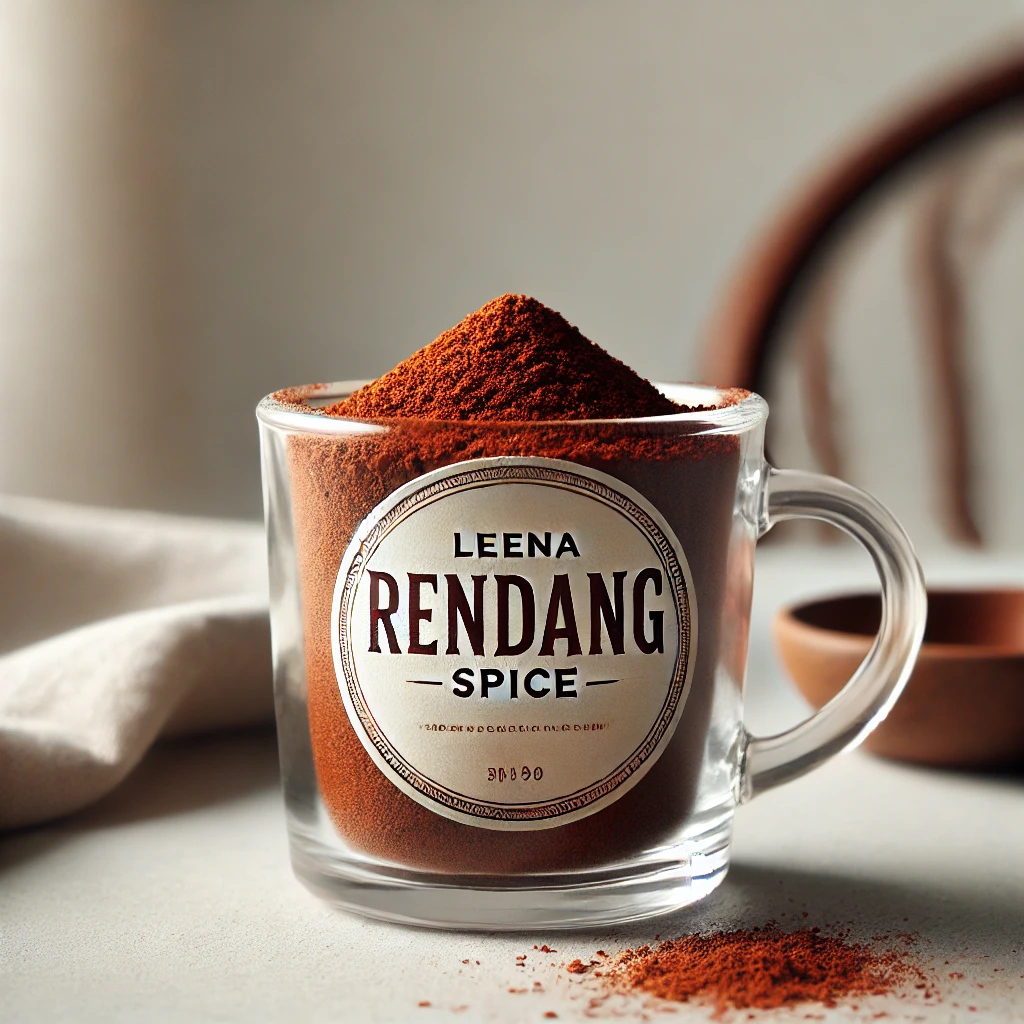
Homemade rendang spice powder in a glass container ready for cooking.

The Science of Spice Blending: Why Weight Matters

Accuracy is very important in spice blending. Measuring by volume can give different results because a teaspoon of garlic powder weighs much less than a teaspoon of cumin seeds. That is why this recipe uses metric weights instead of spoons. Weighing your ingredients ensures every batch is balanced, consistent, and delivers the same great flavor every time you cook.

To make things even easier, I have also included a weight measurement calculator. It lets you quickly scale the recipe in gm, ounces and teaspoons. This keeps the spice ratios perfectly balanced, so you can make exactly the amount you need with confidence.

The Rendang Spice Architecture Breaking Down

A well-balanced rendang spice blend is built in layers. Most of the blend comes from earthy spices like coriander and cumin, followed by warming spices such as turmeric and ginger. More powerful spices, including cloves and star anise, are used sparingly to add depth and aroma without dominating the flavor. This careful balance gives rendang its rich, complex taste after hours of slow cooking.

What Spices Are in a Rendang Spice Blend?

A rendang spice blend is a carefully balanced mixture of fresh aromatics and warm spices that creates the deep, layered flavors of traditional rendang. The blend combines heat, earthiness, citrus notes, sweetness, and nuttiness, all of which come together when cooked slowly with coconut milk and meat.

Key ingredients commonly found in a traditional rendang spice blend include:

  • Aromatics: shallots, garlic, ginger, galangal, lemongrass, turmeric (fresh or ground)
  • Chilies: dried red chilies or chili powder for heat
  • Warm spices: coriander seeds, cumin seeds, cloves, cinnamon (or cassia), star anise, cardamom pods, nutmeg, fennel, and black pepper
  • Fragrance & freshness: kaffir lime leaves (optional, for a citrusy lift)
  • Why these specific spices?

  • In authentic rendang seasoning, the balance between galangal and ginger is essential. While ginger adds warmth and a fresh spicy note, galangal brings a unique piney, peppery sharpness with a deeper woody aroma.

    If you are looking for a rendang powder substitute, ginger is often the first option people consider. However, substituting galangal with ginger alone can make the flavor feel incomplete because you lose the signature character that helps the spices stand up to the long, slow cooking process of beef rendang.

⚖️ Interactive Rendang Spice Scaler & Converter

Adjust the batch multiplier below to instantly calculate exact weights in grams, ounces, and approximate teaspoons for your blend.

IngredientGrams (g)Ounces (oz)Approx. Volume (tsp/tbsp)

How to Make Rendang Spice Powder

  • While making Rendang spice powder, I don’t rely on the clock. I rely on my senses. I listen for the gentle popping sound as the seeds heat up and wait until the kitchen fills with a warm, citrusy aroma. That is my cue to remove them from the pan. Toasting them any longer can burn the natural oils, leaving the spices bitter instead of rich and nutty.

Why do we toast the spices?

I don’t believe in “quick” rendang spice mix recipe. This blend is built on patience, technique, and respect for the traditional process. Toasting spices helps unlock deeper flavors and aromas. Dry heat encourages chemical changes that create new flavor compounds, bringing out richer, nuttier, and more complex notes that raw spices do not have.

Without this step, the spice blend can taste sharper and more raw, missing the warm, roasted character that gives rendang its signature depth.

Rendang Spice Mix Recipe

Leena Spices Tip:
One of the first lessons I learned in my spice journey was to let toasted spices cool completely before grinding. Warm spices create extra heat in the grinder, which can cause them to clump together and lose some of their fresh aroma. Spread the toasted spices on a metal tray or plate and let them cool completely before grinding for the best flavor and texture.
Prep Time7 minutes
Active Time10 minutes
Cooling Time 15 minutes15 minutes
Total Time32 minutes
Cuisine: Indonesian

Materials

  • 1 g Black Pepper
  • 3 g Cassia
  • 3 g Cloves
  • 12 g Coriander
  • 12 g Cumin
  • 6 g Fennel
  • 6 g Galangal powder
  • 7 g Garlic powder
  • 7 g Ginger powder
  • 6 g Kaffir lime leaves
  • 10 g Lemon Grass
  • 10 g Paprika
  • 7 g Shallots
  • 2 g Star anise
  • 8 g Turmeric

Instructions

Phase 1: TheToasting Ritual (Activating the Volatile Oils)·       Prep Time: 5 minutes | Active Time: 4 minutes | Total Time: 9 minutes

  • Prepare and Measure the Whole Spices:
    o  Prep Time: 3 mins | Active Time: 3 mins | Total Time: 3 mins
    o  Separate your whole hard spices (coriander seeds, cumin seeds, fennel seeds, black peppercorns, cassia bark, cloves, and star anise) from the pre-powdered or delicate ingredients. Measure everything out on a tray.
  • Preheat the Pan:
    o  Prep Time: 2 mins | Active Time: 1 min | Total Time: 3 mins
    o  Set a heavy-bottomed skillet or pan overlow-to-medium heat. Do not use oil; this must be a completely dry toast.
  • Toast with Care:
    o  Prep Time: 0 mins | Active Time: 3-4 mins | Total Time: 4 mins
    o  Add the whole spices to the warm pan. Toss or stir continuously for 3 to 4 minutes. Listen closely for a subtle "snap" and wait until your kitchen fills with a sharp, nutty aroma.
    Chef's Lesson: Watch them carefully. If you smell burning rather than a toasted, fragrant aroma, remove them immediately from the heat to avoid turning the oils bitter.
  • Cool Completely:
    o  Prep Time: 0 mins | Active Time: 1 min | Total Time: 10-15mins
    o  Transfer the toasted whole spices onto a wide metal tray or plate. Let them cool completely to room temperature (about 10 to 15 minutes).
    Grinding warm spices creates friction and heat inside the blade, causing them to clump together and lose their vibrant brightness.

Phase 2: Grinding and Blending the Spice Powder. Prep Time: 2 minutes | Active Time: 3 minutes | Total Time: 5minutes

  • Combine the Ingredients:
    o  Prep Time: 1 min | Active Time: 1 min | Total Time: 1 min
    o  Once the toasted whole spices are fully cooled, add them to your spice grinder or high-powered blender.
  • Add the Powders and Botanicals:
    o  Prep Time: 1 min | Active Time: 1 min | Total Time: 1 min
    o  Measure and add your remaining ingredients to the grinder: galangal powder, garlic powder, ginger powder, paprika, turmeric, crushed dried kaffir lime leaves, dried lemon grass, and dried shallots.
  • Pulse to a Coarse Consistency:
    o  Prep Time: 0 mins | Active Time: 1-2 mins | Total Time: 2 mins
    o  Pulse the grinder in short, sharp bursts for 1 to 2 minutes rather than running it continuously.
    Texture Check: You are not looking for a fine, factory-grade flour dust. The goal is a consistent, textured powder where tiny, fragrant flecks of the aromatics are still visible. When rubbed between your fingers, it should feel oily and intensely aromatic.
  • Sift and Store:
    o  Prep Time: 0 mins | Active Time: 1 min | Total Time: 1 min
    o  Pass the mixture through a coarse sieve if any hard pieces of cassia or star anise remain, then immediately transfer your fresh Rendang spice powder into an airtight glass jar to protect it from light and moisture.
     

Notes

Leena Spices Tip
My goal is not to grind the spices into a fine, flour-like powder. Instead, aim for a consistent blend with a slight texture and tiny flecks of the toasted spices still visible. Rub a little between your fingers. It should feel slightly oily and release a rich, fragrant aroma. That's a good sign your rendang spice blend is fresh and full of flavor.

📚

Unlock 200+ Global Spice Secrets

Don’t stop here. Learn how to master the flavor profiles, roasting techniques, and perfect pairings for over 200 global spices in our comprehensive eBook.


Get Your Copy of ‘Homemade Spice Secrets’ Today

Now that your dry spice blueprint is mastered, it’s time to put it to work. Head over to our complete guide on Mastering Authentic Rendang: The Art of the Wet Spice Paste to see how we transform this powder into a traditional bumbu

Storage & Shelf-Life Best Practices

Food safety and proper storage are important for keeping your spice blend fresh. Because this is a dry mixture, it is naturally shelf-stable, but moisture is its biggest enemy. Always use a completely dry spoon when measuring to prevent clumping and protect the flavor.

Store your Rendang curry powder in an airtight jar away from heat, steam, and direct light. If you notice the powder has lost its aroma, changed texture, or developed clumps after several months, it is a sign that the spices have lost their freshness. For the best flavor, use the blend while it is still vibrant and aromatic.

Note From Author

I have carefully balanced these ratios through years of testing, but it is important to remember that spice strength can vary depending on freshness, quality, and brand. For example, older coriander seeds may have a softer aroma and require a slight adjustment to achieve the same depth of flavor.My goal is not just to give you a fixed formula but to help you understand how to taste, adjust, and create a rendang spice blend that matches your own palate every time.

Rendang Spice Blend FAQ

Can I use pre-ground store-bought spices for Rendang recipe?

Yes, you can use pre-ground spices if that’s what you have available, but the flavor will not be quite the same. Ground spices lose their aroma and essential oils faster than whole spices because more surface area is exposed to air.
For the most flavorful rendang, we recommend using whole spices whenever possible, especially coriander and cumin seeds. Toasting and grinding them fresh helps release their natural oils, creating a deeper, warmer, and more aromatic spice blend. If you use pre-ground spices for convenience, choose the freshest ones available and store them properly in an airtight container.

A rendang dry spice powder is the aromatic foundation of the dish. It provides the deep earthy flavors and warm spice notes that build the character of the final recipe.

A wet spice paste (bumbu), however, takes this blend further by combining the dry spices with fresh ingredients such as shallots, garlic, ginger, galangal, and chilies. These fresh ingredients create a rich, flavorful paste that is cooked slowly with the beef and coconut milk to develop the signature taste and texture of authentic rendang.

To learn how this dry spice blend transforms into the final cooking paste, explore our guide on Mastering Authentic Rendang: The Art of the Wet Spice Paste.

Whole spices usually do not spoil like fresh ingredients, but they gradually lose their flavor and aroma over time. Before toasting your coriander, cumin, or fennel seeds, test their freshness by rubbing a small pinch between your fingers and smelling them.
If they have little aroma or smell flat, dusty, or stale instead of warm and fragrant, they have likely lost their potency. Fresh whole spices should release a noticeable aroma as soon as they are crushed slightly or warmed in the pan. Using fresh spices will make a big difference in the depth and fragrance of your rendang blend.

Final Word

Whether I’m making a small batch for a family dinner in my kitchen or preparing enough to stock the pantry, blending rendang spices is always one of my favorite kitchen tasks. There is something deeply satisfying about turning whole spices into a rich, aromatic blend that’s ready to create an authentic, slow-cooked rendang. Every batch is a reminder that great flavor begins with care, patience, and quality spices.

Impu Irani, cookbook author and master spice blender at Leena Spices.

Impu Irani is a cookbook author behind Leena Spices, where he shares practical, easy-to-follow guides on homemade spice blends, herbs, and natural cooking. His work helps home cooks create fresh, flavorful meals using simple ingredients and traditional methods. Download his free Spice Blending eBook and start your journey to cleaner cooking today!
 

Disclosure Note

We are committed to creating high-quality, helpful content for our readers. We do not accept payment in exchange for writing our articles, and we personally cover the costs of running this website, including hosting, tools, and maintenance.

To support the site, we display ads and may earn a small commission from affiliate links if you choose to make a purchase—at no extra cost to you.

Your support helps us continue sharing valuable content with the community.

If you’d like to support us, here are a few simple and free ways:

You can also learn more by visiting our disclaimer page:
https://leenaspices.co.nz/disclaimer/

As a thank you, feel free to download our Free Spice Recipe eBook.

Download a Free Leena Spices Recipes Cookbook 

Scroll to Top