Impu Irani is the cookbook author behind Leena Spices , where he shares easy homemade spice blend recipes and practical cooking tips. Read more about him at the end of this post.
Table of Contents
ToggleKey Takeaways
What Is “Sitting the Month” After Childbirth?
Sitting the Month (also called Jaapa in India, or Zuo Yue Zi in Chinese culture) is a postpartum confinement tradition lasting 30–40 days. During this period, the new mother focuses on rest, gentle movement, and bonding with her baby.
What Is the Purpose of a Postpartum Spice Blend?
A postpartum spice blend is designed to support recovery and restore balance after childbirth. Its main purposes include:
Aiding digestion: Spices like cumin and ajwain help prevent bloating and constipation.
Providing warmth and energy: Ginger, cinnamon, and black pepper restore internal heat.
Reducing inflammation: Turmeric and ginger ease tissue swelling and soreness.
Supporting lactation: Fenugreek, fennel, and cumin stimulate milk production.
Replenishing nutrients and blood: Iron-rich spices help counter anemia and fatigue.
What Is Birth Masala and How Is It Used Postpartum?
Birth Masala is a traditional Ayurvedic spice blend used during postpartum recovery, especially in Indian and South Asian communities. Common ingredients include:
Ginger, turmeric, cinnamon, black pepper, cumin, ajwain, fennel, and fenugreek
Its key benefits are:
Boosting digestion and nutrient absorption
Supporting uterine healing and tissue repair
Enhancing lactation and milk supply
Restoring energy and warmth to the body
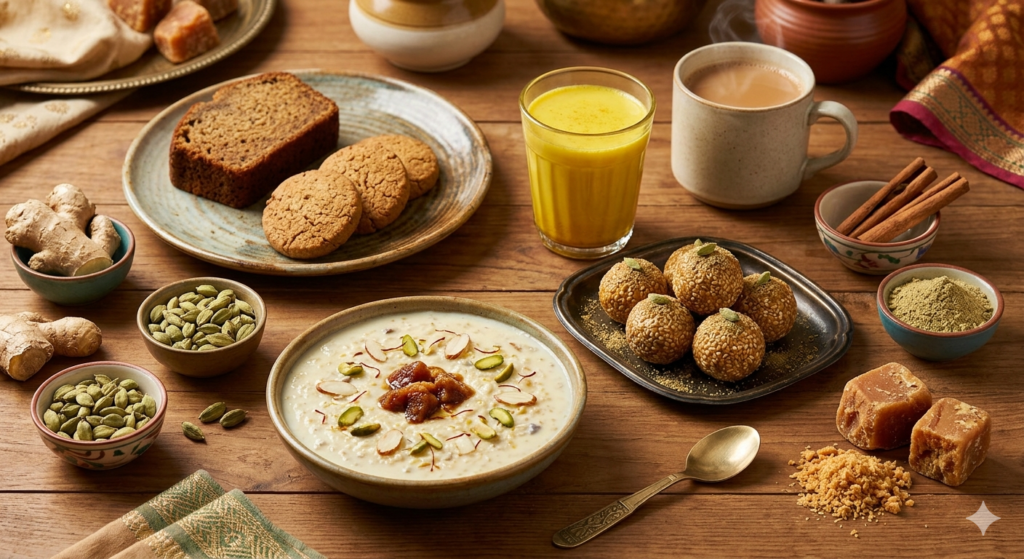
Mothers typically consume 1–2 teaspoons daily mixed into warm milk, porridge, khichdi, soups, or ghee-based laddoos, especially during the Sitting the Month period.
How Birth Masala Is Used Postpartum
Birth Masala is incorporated into daily postpartum meals and drinks in ways that are easy to digest and highly nourishing:
In Healing Tonics: Mixed with warm milk, herbal teas, or kashayams with a little jaggery.
In Soups and Curries: Added to khichdi, lentil soups, or simple vegetable stews.
In Ghee or Laddoos: Combined with ghee, nuts, and jaggery for concentrated, energy-rich snacks.
Regular consumption during the first 30–40 days postpartum helps reduce inflammation, restore energy, support milk production, and strengthen digestion while following the traditional Sitting the Month guidelines.

What Is “Sitting the Month” After Childbirth?
Sitting the month, also known as zuo yuezi (坐月子) in Mandarin, is a traditional Chinese postpartum confinement practice designed to help mothers recover after childbirth. This period typically lasts 30 to 40 days and focuses on rest, nourishment, and protection from cold to restore balance and strength in the body.
The Meaning Behind “Sitting the Month”
The idea of sitting the month comes from the belief that childbirth weakens a woman’s body, making her more vulnerable to illness. By resting completely and following specific postpartum care rituals, mothers are thought to rebuild their health, regain strength, and promote long-term wellness.
While it originates in Chinese culture, similar postpartum confinement traditions are practiced across Asia:
- Jaapa in India,
- Sanhujori in Korea, and
- Pantang in Southeast Asia.
Each has its own rules, but the goal is the same: to support physical and emotional recovery after birth.
Core Principles of Sitting the Month
- Complete Rest
During this period, new mothers are encouraged to rest almost entirely, often staying indoors and avoiding physical strain. Household chores and baby care are usually handled by family members thus allowing her to focus solely on recovery and bonding with the baby. - Specialized Nutrition
Diet plays a central role in postpartum healing. The mother’s meals typically consist of warm, nourishing foods such as soups, stews, and herbal tonics. These are believed to restore blood and energy (qi), support lactation, and strengthen the body. Cold or raw foods are often avoided because they are thought to disrupt the body’s internal balance. - Avoiding Cold Exposure
One of the most distinctive aspects of sitting the month is avoiding cold both in food and environment. Mothers are advised to stay warm, avoid cold beverages, and sometimes even refrain from bathing or washing their hair during this time. The belief is that exposure to cold can cause chronic health problems later in life, such as joint pain or fatigue.
Modern Interpretations and Health Considerations
Today, many mothers still honor the core philosophy of postpartum rest, but adapt the traditions to suit modern lifestyles. For example, some may choose to take short, gentle walks to promote circulation, maintain personal hygiene with warm water, or adjust their diet under medical advice.
Health experts now recognize that the essence of this tradition associated with adequate rest, nutrition, and gradual recovery aligns well with modern postpartum care principles. However, extreme restrictions (like not bathing or total confinement) are no longer considered necessary or healthy.
Physical Care and Recovery Tips During the Month
- Rest frequently: Lying down helps reduce swelling and relieve discomfort.
- Avoid heavy lifting or strenuous exercise for the first six weeks.
- Start light movements: Gentle walks or stretching can improve circulation.
- Support healing areas: Use ice packs or compression garments for comfort.
- Rebuild strength gradually: Begin with mild pelvic floor and abdominal exercises.
- Maintain good posture while feeding your baby to protect your back and pelvic floor.
What Is the Purpose of a Postpartum Spice Blend?
The Healing Purpose Behind Postpartum Spice Blends
1. Aiding Digestion and Nutrient Absorption
After childbirth, many women experience sluggish digestion. Spices such as ginger, cumin, and cardamom help rekindle the digestive fire known in Ayurveda as Agni. These spices make food easier to digest and ensure nutrients are absorbed efficiently, helping the body rebuild strength and energy.2. Providing Warmth and Circulation
Traditional medicine systems believe that childbirth depletes the body’s internal warmth or energy (Qi or Vata). Warming spices like cinnamon, black pepper, and turmeric improve blood flow, restore vitality, and prevent chills. Keeping the body warm from within is thought to protect new mothers from fatigue, weakness, and long-term aches.3. Reducing Inflammation and Promoting Healing
Many postpartum spices are naturally anti-inflammatory and antioxidant-rich, helping the body heal from tissue damage, swelling, and soreness.- Turmeric reduces inflammation and supports uterine healing.
- Ginger eases pain and supports faster recovery.
- Cumin replenishes iron lost during childbirth and strengthens the blood.
4. Supporting Lactation and Breast Health
Certain spices, known as galactagogues, are believed to enhance breast milk production. Fenugreek, fennel, and cumin are among the most common ingredients used to support healthy lactation, reduce engorgement, and improve milk flow. They also help soothe digestive discomfort in both mother and baby.5. Restoring Energy and Emotional Balance
The postpartum period can be physically draining and emotionally sensitive. The warming, aromatic nature of these spices not only boosts metabolism but also helps stabilize mood and energy. Their mood-enhancing and detoxifying properties are believed to prevent postpartum fatigue and support mental clarity.6. Enhancing Immunity and Detoxification
Spices like turmeric, black pepper, and cardamom strengthen the immune system by purifying the blood and eliminating toxins. This natural detoxification process helps the body resist infections and regain vitality more quickly.What Is Birth Masala and How Is It Used Postpartum?
Birth Masala is a traditional Ayurvedic postpartum spice blend used in Indian and South African Indian communities to support a new mother’s recovery after childbirth. Deeply rooted in ancient healing wisdom, this aromatic blend combines warming and restorative spices like turmeric, cumin, ajwain (carom seeds), ginger, fennel, and fenugreek. Each ingredient is selected for its ability to heal, strengthen, and nourish the body after delivery.
The practice of consuming Birth Masala reflects a key Ayurvedic belief — that childbirth leaves the body in a cold and depleted state, requiring warmth, nourishment, and balance to restore vitality.
The Purpose of Birth Masala
Birth Masala is more than just a spice mix; it is a natural postpartum tonic designed to address the unique physical and emotional needs of new mothers. The blend’s main purposes include:
1. Aiding Digestion
After childbirth, many women experience sluggish digestion and bloating. Spices such as cumin, carom seeds (ajwain), and fennel stimulate digestive enzymes, reduce gas, and support nutrient absorption — essential when the body needs to rebuild strength and energy.
2. Warming and Restoring Energy
According to Ayurveda, the postpartum body loses internal heat during childbirth. Warming spices like dry ginger, black pepper, and cinnamon help restore circulation, promote warmth, and combat fatigue.
3. Reducing Inflammation and Promoting Healing
Spices such as turmeric and ginger have potent anti-inflammatory and antioxidant properties that support uterine healing, tissue repair, and pain relief. These ingredients also help the body recover from swelling and internal stress caused by delivery.
4. Supporting Lactation
Certain spices including fennel, fenugreek, and cumin act as natural galactagogues, which can help enhance breast milk production and maintain a healthy flow. They also support hormonal balance, which is crucial for steady lactation and mood stability.
5. Boosting Immunity and Preventing Fatigue
The postpartum period leaves the immune system more vulnerable. The nutrient-dense, warming spices in Birth Masala help strengthen immunity, reduce fatigue, and provide a steady source of gentle energy during recovery.
Where can I buy Birth Masala Postpartum Spice?
You can buy Postpartum Products from Amazon
You’ll find several reputable brands offering pre-made blends in both small jars and bulk packs.
How Birth Masala Is Used Postpartum
Common Ways to Use Birth Masala
- Mixed with Ghee One of the most traditional methods involves mixing 1–2 teaspoons of the spice powder with warm ghee (clarified butter) to form a smooth paste. This paste can be eaten directly or added to food for a dose of warmth and nutrition.
- Stirred into Warm Milk or Tea A spoonful of Birth Masala stirred into hot milk or herbal tea creates a soothing, aromatic tonic that supports digestion, boosts energy, and promotes restful sleep.
- Added to Laddoos (Energy Balls) Many families prepare postpartum laddoos made from Birth Masala, ghee, jaggery, and flour. These nutrient-rich sweets are an easy and delicious way to ensure mothers receive daily nourishment.
- Cooked into Meals Birth Masala can also be added to khichdi, dal, soups, or light curries, meals that are gentle on the stomach and packed with healing benefits. In South India, a dish known as Marandhu Sellu Chicken Curry is traditionally prepared using this blend.
Duration and Dosage
- Recommended amount: 1–2 teaspoons per day
- Best time: Usually consumed in the morning or with breakfast
- Duration: Typically for 40 days postpartum, though some mothers continue for up to three months for extended healing and strength.
Related Posts You May Want to Read
15 Magnesium-Rich Herbs and Spices: Are You Getting Enough?
Postpartum Birth Masala: 23 Healing Qualities for Energy Recovery and Wellness
8 Healing Benefits of Birth Masala Spice Blend for Pantang Postpartum Recovery
Traditional Chinese Postpartum Care: 5 Birth Masala Teas for Sitting the Month (Zuò Yuè Zi)
The Ultimate Guide to Birth Masala 7 Essential Benefits for New Mothers
Birth Masala: 7 Powerful Healing Foods Every New Mom Needs During the Pantang
Easy, step-by-step instructions for creating your own spice blends from home.More than 200 spices from around the world

Frequently Asked Questions (FAQs)
What is Birth Masala and how is it used during the postpartum period?
Birth Masala is a traditional Ayurvedic spice blend used by new mothers during the postpartum period. It typically includes ginger, turmeric, cumin, fenugreek, fennel, cinnamon, and black pepper. Consumed daily in milk, porridge, khichdi, or ghee-based laddoos, it supports digestion, lactation, uterine healing, and energy restoration during the 40-day postpartum confinement, known as “Sitting the Month.”
What does “Sitting the Month” mean in Indian postpartum traditions?
“Sitting the Month” (Jaapa or Sutika period) is a 40-day postpartum confinement tradition where new mothers rest, follow a nutrient-rich diet, and avoid strenuous activities. The practice emphasizes healing, energy restoration, and bonding with the newborn, often incorporating Ayurvedic remedies like Birth Masala to support physical and emotional recovery.
How does Birth Masala help with postpartum energy?
Birth Masala boosts postpartum energy by warming the body, improving circulation, aiding digestion, and replenishing nutrients like iron and magnesium. Ingredients such as ginger, cinnamon, fenugreek, and fennel help stabilize blood sugar, reduce fatigue, and support lactation, providing sustained energy throughout the confinement period.
Can Birth Masala support lactation and milk production?
Yes. Spices like fenugreek, fennel, and cumin are natural galactagogues, which can help stimulate breast milk production. Regular consumption of Birth Masala during Sitting the Month ensures new mothers receive nourishment that supports both milk supply and maternal recovery.
Does Birth Masala reduce postpartum inflammation and pain?
Absolutely. Ingredients such as turmeric, ginger, and black pepper possess anti-inflammatory and antioxidant properties, which help relieve joint pain, muscle soreness, and uterine inflammation, promoting faster recovery during the postpartum confinement period.
Can Birth Masala help prevent postpartum depression?
While not a replacement for medical care, Birth Masala and warming herbs like turmeric, ginger, and fenugreek may support emotional well-being by improving digestion, reducing inflammation, and restoring energy. Combined with the rest and family support provided during Sitting the Month, it contributes to a protective environment against postpartum mood disturbances.
How long should a new mother consume Birth Masala?
Traditionally, Birth Masala is consumed daily for the first 30–40 days postpartum, coinciding with the Sitting the Month period. Some families may extend usage up to 3 months depending on recovery needs, appetite, and lactation requirements.
How is Birth Masala traditionally consumed?
Common methods include:
- Mixed with warm milk or herbal tea
- Stirred into khichdi, porridge, or dal
- Combined with ghee and jaggery to form energy-rich laddoos
This ensures daily intake of healing, warming, and nutrient-rich spices.
Are there any side effects of consuming Birth Masala?
When consumed in traditional, moderate amounts (1–2 teaspoons daily), Birth Masala is generally safe. Overconsumption may cause heartburn or digestive discomfort in sensitive individuals. Women with specific medical conditions should consult a healthcare provider before use.
Can Birth Masala be used by mothers outside the Asian community?
Yes. Birth Masala can benefit any new mother seeking natural postpartum recovery, energy restoration, and lactation support. It can be adapted into modern meals while respecting Ayurvedic principles of warmth, digestion, and nourishment.
What is the connection between Birth Masala and “Sitting the Month”?
Birth Masala is a key dietary component of Sitting the Month, a 40-day postpartum confinement tradition. It provides warming, healing, and lactation-supporting properties that complement rest, gentle care, and nutrient-rich meals, helping the mother recover physically and emotionally.
Medical Disclaimer:
The information provided in this article is for educational and informational purposes only and is not intended as medical advice. Always consult a qualified healthcare provider before starting any new dietary supplement, herbal remedy, or wellness routine, especially if you have underlying health conditions, are pregnant or breastfeeding, or are taking prescription medications.
Impu Irani is a cookbook author behind Leena Spices, where he shares practical, easy-to-follow guides on homemade spice blends, herbs, and natural cooking. His work helps home cooks create fresh, flavorful meals using simple ingredients and traditional methods. Download his free Spice Blending eBook and start your journey to cleaner cooking today!
Disclosure Note
We are committed to creating high-quality, helpful content for our readers. We do not accept payment in exchange for writing our articles, and we personally cover the costs of running this website, including hosting, tools, and maintenance.
To support the site, we display ads and may earn a small commission from affiliate links if you choose to make a purchase—at no extra cost to you.
Your support helps us continue sharing valuable content with the community.
If you’d like to support us, here are a few simple and free ways:
- Share our content with your friends and family
- Engage with us on social media
- Follow us on Facebook
You can also learn more by visiting our disclaimer page:
https://leenaspices.co.nz/disclaimer/
As a thank you, feel free to download our Free Spice Recipe eBook.
Download a Free Leena Spices Recipes Cookbook