Table of Contents
ToggleKey Takeaways
What are Nigella seeds and why are they often confused with other spices?
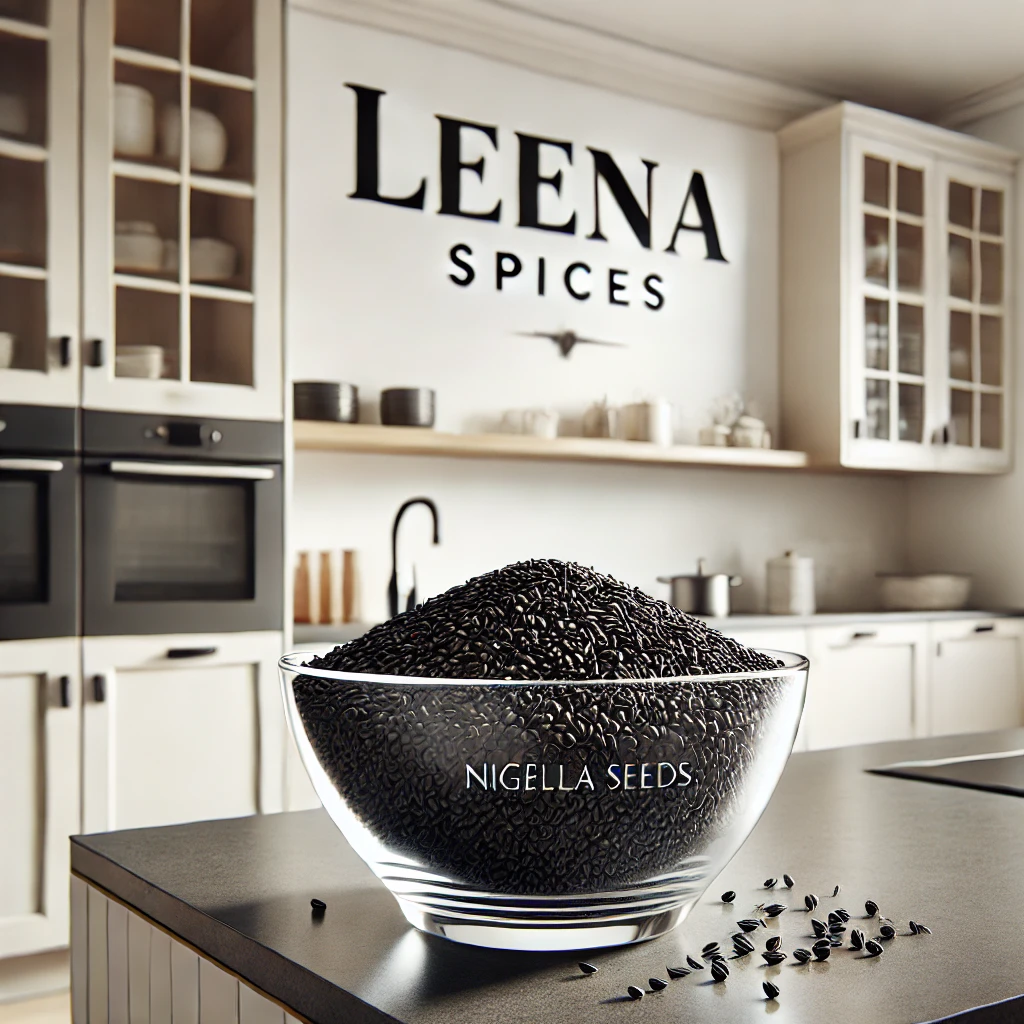
Nigella seeds, also known as Nigella sativa, are tiny jet-black triangular seeds from the buttercup family. They are frequently confused with black cumin, kalonji, and “onion seeds” because of overlapping regional names, but each belongs to a completely different plant species and flavour profile.
How can I visually tell Nigella seeds apart from black cumin and onion seeds?
Nigella seeds are matte black, angular, and slightly sharp-edged. True black cumin is thin, curved, and brownish with ridges. Onion seeds are flat, irregular, and have a crinkled surface. These visual markers help avoid buying the wrong spice.
What does each spice taste like?
Nigella seeds have a pungent, slightly bitter flavour with notes of oregano, nutmeg, and toasted pepper. True black cumin tastes earthy, smoky, and warm, while onion seeds are mild and nearly flavourless. Their flavour differences influence how they are used in cooking.
Where are Nigella seeds commonly used in Asia Pacific cuisine?
Nigella seeds are popularly used in Indian, Pakistani, Bangladeshi, Sri Lankan, and Malaysian cooking. They are used in pickles, naan, tempering blends, vegetable dishes, and traditional herbal preparations.
How do cultural names contribute to the confusion?
Regional terms such as kalonji (India/Pakistan), jintan hitam (Malaysia/Indonesia), and kaluduru (Sri Lanka) often overlap with names for other spices. This creates mislabeling in markets, especially when “black cumin” is incorrectly used on packaging.
Are Nigella seeds used for health or only for flavour?
Nigella seeds serve both culinary and health purposes. They are widely used for digestion, immunity, and traditional postpartum care across APAC cultures.
What Are Nigella Seeds?
Nigella seeds come from Nigella sativa, one of the most historically significant spices in Southwest Asian and Middle Eastern food culture. Known widely as kalonji, black seed, and black cumin, the spice is valued for its sharp, peppery-nutty flavour and its long record of culinary and traditional use.

Impu Irani is the cookbook author behind Leena Spices , where he shares easy homemade spice blend recipes and practical cooking tips. Read more about him at the end of this post.
Botanical Description and Origins of Nigella sativa
Nigella sativa is an annual flowering herb in the Ranunculaceae (buttercup) family. Despite the common names “black cumin” and “black caraway,” this plant is not related to cumin (Cuminum cyminum) or caraway (Carum carvi). The species belongs to an entirely different botanical lineage, which is one reason its flavour and aroma stand apart.
Native Range and Cultivation
Nigella sativa is native to Southwest Asia and the Eastern Mediterranean, with its original habitat spanning regions such as:
- Eastern Turkey
- Northern Iraq
- Western Iran
- The Levant
- Cyprus
- Parts of eastern Europe (e.g., Bulgaria, Romania)
Today, it is cultivated widely across:
- The Middle East
- North Africa
- India and Pakistan
- Mediterranean countries
- Southeast Asia
- Turkey, Syria, Egypt, and Saudi Arabia (major producers)
Scientific Name
- Botanical Name: Nigella sativa
Regional Names in the Asia-Pacific
South Asia (India, Pakistan, Bangladesh, Sri Lanka)
- India: Kalonji (Hindi/Urdu), Kala zira, Mangrail, Krishanjirka, Karunjeeragam (Tamil), Kalo jeera (Bengali)
- Pakistan: Kalonji, Kanauji (Punjabi)
- Bangladesh: Kalo jira (কালো জিরা)
- Sri Lanka: Kaluduru
Southeast Asia
- Malaysia/Indonesia: Jintan hitam or Jinten hitam; Habbatussauda (Arabic-derived term widely used in halal markets)
- Thailand: Thian dam
East Asia
- China: Hak jung chou (黑種草)
- Japan: Nigera shido (ニゲラシード)
Middle East & Central Asia
- Arabic-speaking countries: Habba Al-Sauda, Habba Al-Barakah (“seed of blessing”), Kamun aswad
- Persian: Siyah daneh, Shonaiz
- Turkey: Çörek otu (one of the most recognized terms in global trade)
Europe & Russia
- Russia: Charnushka
- Western markets: Black seed, black cumin, nigella, fennel flower
Clarifying Confusion with Similar Spices
Nigella seeds are among the most frequently misunderstood spices in Asian, Middle Eastern, and Western markets. Much of the confusion comes from overlapping trade names particularly black cumin, black caraway, and onion seeds. Understanding these distinctions is essential for cooks, home spice blenders, and anyone purchasing spices online.
Nigella Is Not Cumin, Caraway, or Onion Seed
Despite common labels, Nigella sativa (kalonji) is not related to the spices below:
1. Not the Same as Regular Cumin (Cuminum cyminum)
- Belongs to an entirely different plant family.
- Cumin is part of the Apiaceae (parsley/carrot family), while Nigella is in the Ranunculaceae (buttercup family).
- Their flavours are unrelated: cumin is warm and earthy; Nigella is pungent, peppery, and slightly bitter.
2. Not Black Caraway or Caraway Seeds (Carum bulbocastanum / Carum carvi)
- These belong to the Apiaceae family and share lineage with fennel, dill, and coriander.
- Nigella is a separate genus and species, with no botanical connection.
3. Not Onion Seeds
- Older UK packaging once used the term “onion nigella”, which led to a long-standing myth.
- True onion seeds come from the Amaryllidaceae (onion family) and have nearly no flavour.
- Nigella seeds do not come from onions and cannot substitute them.
4. “Black Cumin” Is Usually a Misnomer
- The name “black cumin” is often incorrectly applied to Nigella seeds.
- True black cumin refers to Bunium persicum (also called shahi jeera), a completely different spice with a milder, cumin-like taste.
The “Black Cumin” and “Onion Seed” Myth
Visual and Sensory Comparison
| Feature | Nigella Seeds (Kalonji) | True Black Cumin (Bunium persicum) | Onion Seeds |
| Visual Appearance | Triangular, angular edges, matte jet-black | Thin, crescent-shaped, ridged, dark brown | Flat, irregular, often crinkled |
| Flavour | Pungent, slightly bitter, oregano–nutmeg notes | Earthy, smoky, similar to regular cumin | Very mild, almost tasteless |
| Botanical Family | Ranunculaceae | Apiaceae | Amaryllidaceae |
How to Cook with Nigella Seeds: Why Heat Matters
If you’ve ever tasted nigella seeds raw, you might have noticed they seem slightly bitter or not very flavorful. That’s because their true taste is locked inside their tough outer layer.
To bring out their full flavor, nigella seeds need to be heated. Once warmed, they release a rich, complex aroma with notes of toasted onion, black pepper, and herbs. This is what gives them their distinctive character in cooking.
Do You Need to Toast Nigella Seeds?
Yes, you definitely should.
Raw nigella seeds don’t have much flavor on their own. It’s only when they’re heated that their true taste starts to develop. The heat helps release their natural oils, bringing out a warm, savory aroma.
If you skip this step, the seeds can taste slightly bitter and remain crunchy instead of adding that rich, aromatic flavor they’re known for.
Two Easy Ways to Prepare Nigella Seeds
Depending on your recipe, there are two simple methods to bring out the best flavor from nigella seeds:
Dry-toasting (best for baking and salads):
Add the seeds to a dry pan over medium heat and toast them for 2-3 minutes. Keep the pan moving so they don’t burn. Once you notice a warm, slightly onion-like aroma and hear a faint popping sound, take them off the heat right away.
Tarka or oil-tempering (best for curries and dals):
Heat a tablespoon of oil or ghee in a pan, then add the nigella seeds. Let them sizzle for about 10 to 15 seconds before adding other ingredients like onions or vegetables. This method helps release their flavor into the oil, allowing it to spread evenly throughout the dish.
4 Classic Ways to Use Nigella Seeds in Your Kitchen
Once nigella seeds are toasted or cooked in oil, they can add a rich, aromatic touch to everyday dishes. Here’s one of the most popular ways to use them:
- Traditional breads and baking
Nigella seeds are best known for the tiny black specks you see on traditional Indian naan. The high heat of the oven or tandoor brings out their flavor as they bake into the dough.
You can also sprinkle or press them onto homemade breads like sourdough, rye, or even savory crackers before baking. They add both a subtle crunch and a distinctive, savory taste.
- Curries, dals, and spice blends
Nigella seeds are a key ingredient in the traditional Bengali five-spice mix, Panch Phoron. If you’d like to try making it yourself, you can follow our step-by-step ratio guide to how to make your own Bangladeshi spice blend at home. They add a subtle, savory depth to dishes like lentil dals, rich curries, and vegetable stir-fries. They work especially well with root vegetables such as potatoes, carrots, and squash.They also bring a subtle depth to South Indian gravies, pairing especially well with bold, aromatic mixes found in homemade Madras spice blend.
- Eggs and breakfasts
Thanks to their onion-like and slightly peppery flavor, just a small pinch of toasted nigella seeds can elevate simple breakfast dishes. Sprinkle them over fried eggs, omelets, or avocado toast for an easy flavor boost. - Pickles, chutneys, and preserves
Nigella seeds have natural preservative qualities, which is why they’re often used in traditional pickling. They add a pleasant crunch and a sharp, savory note to foods like mango chutney, pickled onions, and quick-pickled cucumbers. If you want to take your preserves to the next level, explore how to create a well-balanced homemade chutney spice blend that brings together sweetness and a bright, aromatic depth
- If you’d like to see how to use nigella seeds in real, balanced spices, you can download Leena Spices Homemade Spice Secrets eBook
Nigella Seeds vs. Black Sesame Seeds: Know the Difference
At first glance, nigella seeds and black sesame seeds can look almost the same. Both are small, black, and often used as a topping on breads and baked goods.
But despite their similar appearance, they are completely different ingredients. They come from different plants and have very distinct flavors. Nigella seeds have a savory, slightly peppery and onion-like taste, while black sesame seeds are milder, with a nutty and slightly sweet flavor.
Mixing them up can noticeably change the taste of your dish, so it’s important to use the right one for the result you want.
How to Tell Them Apart at a Glance
If you take a closer look, it’s actually quite easy to tell nigella seeds and black sesame seeds apart by their shape and texture:
Shape:
Black sesame seeds are smooth, flat, and slightly teardrop-shaped. Nigella seeds, on the other hand, are more angular and look like tiny, rough wedges with a three-sided shape.
Texture:
Black sesame seeds have a slight oily shine and a smooth surface. Nigella seeds are matte, a bit rough, and slightly wrinkled, giving them a more rugged appearance.
Flavor Profiles: Nutty vs. Pungent
The main reason nigella seeds and black sesame seeds aren’t interchangeable comes down to their very different flavors.
Black sesame seeds:
These have a mild, nutty taste with a slightly sweet and rich finish. Their aroma is similar to toasted oils or tahini, which makes them a great fit for dishes like Asian desserts, sushi, stir-fries, and even sweet baking.
Nigella seeds (kalonji):
In contrast, nigella seeds are much stronger in flavor. They taste sharp, peppery, and deeply savory, with an aroma that’s often compared to a mix of cooked onions, oregano, and black pepper. They’re best used in savory dishes like Indian curries, dals, naan, and pickles.
Because of these differences, swapping one for the other can noticeably change the final flavor of your dish.
Feature | Nigella Seeds (Kalonji) | Black Sesame Seeds |
Overall Appearance | Small, black, angular seeds often slightly wedge-shaped | Small, black, smooth, and teardrop-shaped seeds |
Shape | Rough, three-sided, slightly irregular | Flat, smooth, and uniform |
Surface Texture | Matte, dry, slightly wrinkled and coarse | Smooth with a mild oily sheen |
Plant Source | Comes from the Nigella sativa plant | Comes from the sesame plant (Sesamum indicum) |
Flavor Profile | Strong, peppery, onion-like, and savory with herbal notes | Mild, nutty, slightly sweet, and rich |
Aroma | Sharp and pungent, similar to cooked onion and oregano | Light, toasted, similar to sesame oil or tahini |
Common Uses | Indian curries, dals, naan bread, pickles, spice blends | Asian desserts, sushi, stir-fries, baking, and garnishing |
Culinary Role | Adds bold, savory depth and aroma | Adds mild nuttiness, texture, and visual appeal |
Substitution Risk | Strong flavor can dominate a dish if overused | Much milder; may not replicate nigella’s savory punch |
Key Difference | Intense savory spice with medicinal-like aroma | Gentle nutty seed used for flavor and decoration |
The Simple Kitchen Rule to Remember
If your dish is sweet or only lightly savory like sushi or a stir-fry, black sesame seeds are the better choice.
But if your recipe depends on bold, aromatic spices and a deep savory flavor such as lentil dal or flatbread then nigella seeds are the way to go.
5 Best Substitutes for Nigella Seeds (And When to Use Them)
If you’re in the middle of cooking and realize you’ve run out of nigella seeds (kalonji), you can still save your dish. Nigella seeds have a unique taste, but there are a few simple substitutes that can work well depending on your recipe.
While nothing can match their flavor exactly, options like black sesame seeds, celery seeds, caraway seeds, or even a mix of sesame seeds with a pinch of onion powder can give you a similar effect and keep your recipe on track.
1.Black Sesame Seeds (Best for Look and Texture)
If your recipe uses nigella seeds as a topping on naan, flatbreads, or pastries, black sesame seeds are one of the best substitutes you can use.
What they’re like:
They look very similar to nigella seeds, which makes them perfect for presentation. However, their flavor is quite different—they’re mildly sweet, rich, and nutty rather than peppery or slightly bitter.
How to use them:
You can replace nigella seeds with black sesame seeds in a 1:1 ratio. For better flavor, try lightly toasting them before adding—they’ll release a deeper, more aromatic taste.
2. Wild Oregano + Freshly Cracked Black Pepper (Best for Flavor Match)
If you’re cooking a curry, dal, or vegetable stew where the flavor of nigella seeds really matters, this combination is a great alternative. Instead of replacing the seeds directly, you can recreate a similar taste using common herbs and spices.
What it tastes like:
When cooked, nigella seeds have a bold, slightly bitter, and herby flavor that’s surprisingly close to a mix of dried oregano and sharp black pepper.
How to use it:
For every half teaspoon of nigella seeds, use half teaspoon of dried oregano along with a small pinch of freshly cracked black pepper.
3. Celery Seeds (Best for Savory Depth)
Celery seeds are small but very flavorful, making them a strong substitute for nigella seeds in many savory dishes.
What they’re like:
They have a slightly bitter, earthy, and concentrated herbal taste that comes close to the depth nigella seeds add, especially in savory baking or pickled recipes.
How to use them:
You can substitute celery seeds in a 1:1 ratio, but use them carefully. Their flavor can be a bit stronger and more bitter, so it’s best not to overdo it.
4. Cumin Seeds or Caraway Seeds (Best for Flatbreads and Doughs)
While they’re not closely related to nigella seeds, cumin and caraway seeds can still work well as substitutes, especially in baked recipes like flatbreads and savory doughs.
What they’re like:
Caraway seeds have an earthy flavor with a slight hint of citrus and liquorice, while cumin seeds bring a warm, smoky taste. Both add depth, though the flavor will be a bit different from nigella.
How to use them:
Replace nigella seeds with cumin or caraway seeds in a 1:1 ratio. The taste will change slightly, but they complement the same types of dishes, especially breads and roasted vegetables.
5. Toasted Onion Flakes or Onion Powder (Best All-Around Flavor Match)
Nigella seeds are sometimes called “black onion seeds” because of their similar savory aroma when cooked. This makes onion-based substitutes a surprisingly good choice.
What they’re like:
Dried onion flakes or onion powder bring that deep, slightly sweet, and savory onion flavor that closely matches the base notes of nigella seeds.
How to use them:
For every half teaspoon of nigella seeds, use half teaspoon of finely minced dried onion flakes or a generous pinch of onion powder. Lightly toasting the flakes can enhance the flavor even more.
Quick Reference Substitution Guide
If Your Recipe Is… | Best Nigella Seed Substitute | Why It Works |
Naan bread, bagels, or pastry toppings | Black sesame seeds | Closely matches nigella seeds in appearance while adding a pleasant crunch and mild nutty flavor. |
Curries, dals, soups, and stews | Dried oregano + black pepper | Recreates the herbal, peppery character that nigella seeds contribute to savory dishes. |
Pickles and chutneys | Celery seeds or fennel seeds | Retain their flavor well in acidic recipes and during long-term storage. |
Rye bread, savory loaves, and flatbreads | Caraway seeds | Provide a warm, aromatic flavor that complements baked goods in a similar way to nigella seeds. |
Vegetable dishes and roasted vegetables | Celery seeds | Offer a subtle savory, slightly bitter note that works well in cooked vegetable recipes. |
Spice blends and seasoning mixes | Black sesame seeds + a pinch of onion powder | Helps mimic both the appearance and the mild onion-like flavor of nigella seeds. |
Salads and finishing garnishes | Black sesame seeds | Adds visual appeal, texture, and a delicate nutty taste without overpowering the dish. |
Middle Eastern and Indian recipes | Caraway seeds or celery seeds | Deliver earthy, aromatic notes that blend naturally with traditional spice profiles. |
Recipes where nigella’s onion-like flavor is most important | Toasted onion flakes or onion powder | Provide a deep, savory sweetness that closely resembles these underlying flavor notes. |
Stop settling for flat, stale, store-bought jars! If you want to replicate world-famous regional spice blends from scratch—completely free of preservatives, anti-caking agents, or artificial fillers—grab a copy of our comprehensive digital guide. Download Homemade Spice Secrets Today!
Health Benefits of Nigella Seeds
Nigella sativa, commonly known as black seed, kalonji, or black cumin (not to be confused with true black cumin), has been used across the Middle East, South Asia, and Southeast Asia for thousands of years. Today, modern pharmacology and clinical research increasingly validate what traditional systems of medicine long recognised that Nigella sativa is a potent functional ingredient with measurable benefits for immunity, inflammation, metabolic health, and postpartum recovery.
1. Immunity Support and Immune Modulation
Nigella seeds are widely recognised for their immunomodulatory properties, meaning they help balance, not overstimulate, the immune system.
2. Digestive Health and Gut Function
In traditional and modern contexts, Nigella seeds are valued as a carminative and digestive aid.
Scientific findings demonstrate that Nigella sativa:
- Stimulates digestive enzymes such as lipase and amylase
- Reduces bloating, cramping, and intestinal discomfort
- Supports the gastric mucosa and may protect against ulcers
- Shows inhibitory effects on α-glucosidase and α-amylase, supporting blood sugar control
- Displays antimicrobial activity against gastrointestinal pathogens, including coli, Bacillus subtilis, and Staphylococcus aureus.
Historically, Nigella sativa was often described as a remedy for almost everything. Records and botanical research from sources like Oxford University’s academic databases show that these seeds were highly valued in ancient cultures, especially for supporting digestion and overall health.
3. Anti-Inflammatory and Antioxidant Actions
The anti-inflammatory effects of Nigella sativa are among its most documented benefits.
Thymoquinone (TQ) is the primary bioactive compound responsible for many of these outcomes. The key compound behind many of nigella seeds’ health benefits is thymoquinone. Research published by the National Institutes of Health (NIH) highlights its strong anti-inflammatory and antioxidant properties, which help support overall health and wellbeing.
Evidence indicates:
- Reduction in oxidative stress
- Lower markers of systemic inflammation, such as CRP
- Protective effects on the liver (hepatoprotective)
- Anti-histaminic and anti-leukotriene activity helpful for asthma and allergies
- Potential support in arthritis and chronic inflammatory diseases
4. Weight Management and Metabolic Health
Nigella sativa has gained attention for its potential role in weight management and metabolic balance.
Clinical and pharmacological studies show that:
- Nigella sativa may reduce body mass index (BMI) and waist circumference
- Thymoquinone supports healthier lipid metabolism
- Extracts help regulate appetite and improve insulin sensitivity
- Black seed oil has hypolipidemic effects, lowering LDL and triglycerides while improving HDL levels
Scientific Studies and Pharmacological Findings
Active Compounds and Mechanisms
The therapeutic profile of Nigella sativa is largely attributed to thymoquinone, a monoterpene quinone known for its anti-inflammatory, antioxidant, and neuroprotective actions. It influences molecular pathways linked to immunity, inflammation, metabolic disorders, and chronic disease.
Diabetes and Blood Sugar Regulation
Meta-analyses of clinical trials involving adults with type 2 diabetes show that daily supplementation with Nigella sativa can:
- Reduce fasting blood glucose
- Improve HbA1c
- Increase insulin sensitivity
- Suppress post-prandial glucose spikes through enzyme inhibition
Cardiovascular and Lipid Health
Research indicates that black seed oil may help:
- Lower systolic and diastolic blood pressure
- Reduce LDL cholesterol and triglycerides
- Improve endothelial function
- Increase antioxidant capacity
Antimicrobial and Anti-Parasitic Activity
Nigella sativa demonstrates broad-spectrum antimicrobial activity:
- Effective against MRSA (MIC 8–16 μg/mL)
- Inhibitory effects on drug-resistant mycobacteria
- Antiparasitic activity, including schistosoma
- Antifungal properties against common pathogens
Respiratory Health
Clinical studies show improvements in:
- Asthma symptoms
- Wheezing and nighttime cough
- Exercise-induced bronchoconstriction
- Reliance on corticosteroids and bronchodilators
Wound Healing
Seven published studies report that Nigella sativa extracts support wound healing through:
- Enhanced tissue regeneration
- Antioxidant protection
- Antibacterial activity
- Reduction of inflammation at the wound site
COVID-19 Investigations
Preliminary clinical trials using ~500 mg Nigella sativa oil twice daily showed faster symptom resolution in patients with mild COVID-19.
More research is required, but early findings align with its known antiviral and immune-balancing actions.
Traditional Uses in Postpartum Care
Across the Asia-Pacific region, Nigella sativa has long been valued as a warming, restorative ingredient essential for recovery after childbirth. Its use is deeply rooted in Ayurvedic, Unani, Malay, Tamil, Indonesian, Sri Lankan, and Chinese healing traditions.
South Asia (India, Pakistan, Bangladesh)
- Kalonji with ghee and jaggery is traditionally given for 40 days post-delivery
to strengthen the uterus, support healing, and reduce joint pain. - Nigella is included in panjeeri and postpartum confections
to promote uterine cleansing and improve milk flow. - Considered a natural galactagogue, helping increase breast milk production.
Malaysia & Indonesia (Malay Jamu Tradition)
- Known as jintan hitam or habbatussauda
- Boiled with dates and fenugreek as jamu bersalin, supporting:
- immunity
- energy
- reproductive recovery
- digestive strength
Sri Lanka
- Used in kaluduru porridge cooked with coconut milk
to promote healing, warm the body, and improve digestion.
Chinese & East Asian Postpartum Practices
Although Nigella is not a primary herb in Traditional Chinese Medicine, it appears in some modern postpartum recipes:
- Added to postpartum congee with black sesame to strengthen blood and bone health
- Used during the zuo yue zi confinement period, which focuses on warming foods and restoring qi
Nigella Seeds Safety: Side Effects and Pregnancy
Nigella seeds, also known as kalonji, have been used for centuries in traditional wellness practices. However, they are still quite potent, so it’s important to understand their possible side effects, safety limits, and when extra caution is needed.
Like any therapeutic spice or herbal supplement, they should be used thoughtfully, especially if you are pregnant, taking medication, or using them in larger amounts than you would for normal cooking.
Are Nigella Seeds Safe During Pregnancy and Breastfeeding?
Nigella seeds are generally considered safe in normal culinary amounts during pregnancy and breastfeeding. A small sprinkle on naan, bread, or in a curry is very different from taking them in medicinal quantities.
However, concentrated amounts, large doses of raw seeds, and black seed oil supplements should be avoided during pregnancy. In higher doses, nigella may affect uterine activity, which could pose a risk. It’s best to speak with a healthcare provider before using any concentrated herbal supplement while pregnant or breastfeeding.
What Are the Side Effects of Nigella Seeds?
Possible Side Effects of Nigella Seeds
When used in ordinary cooking amounts, nigella seeds are usually well tolerated. However, taking large medicinal doses or concentrated black seed oil can cause problems for some people.
- Digestive discomfort: Eating large amounts of raw seeds—especially on an empty stomach—may cause bloating, nausea, minor stomach pain, or a burning sensation in sensitive people.
- Skin reactions: Contact with concentrated oils or a lot of raw seed can sometimes trigger mild allergic contact dermatitis (a localized rash) in people with sensitive skin.
- Blood-clotting effects: Compounds in nigella can slow blood clotting. If you’re on blood thinners (for example, warfarin) or facing surgery, avoid high-dose supplements and check with your healthcare provider first.
- Low blood sugar risk: Nigella can lower blood sugar, so people with diabetes should monitor levels closely if they try concentrated supplements to avoid unexpected hypoglycaemia.
Summary
Modern science is increasingly validating what traditional herbal systems in South Asia, the Middle East, and Southeast Asia have known for centuries: Nigella sativa is a potent natural ingredient with broad therapeutic potential, from metabolic health and inflammation reduction to postpartum recovery and immune support.
Its benefits are driven by powerful compounds like thymoquinone, backed by clinical trials, pharmacological studies, and centuries of cultural practice.
FAQs (Frequently Asked Questions)
What Do Nigella Seeds Taste Like?
Nigella seeds have a bold and complex flavor. When eaten raw, they can taste slightly bitter or a bit medicinal.
But once they’re heated—either toasted or cooked in oil—their flavor changes completely. They develop a rich, savory taste that’s often described as a mix of toasted onions, black pepper, and herbs like oregano, with a very subtle nutty note.
Can You Use Black Sesame Seeds Instead of Nigella Seeds?
Yes, but only in certain cases. Black sesame seeds can work as a substitute if you’re mainly trying to match the look and texture—such as sprinkling them on naan, breads, or pastries.
However, they won’t replicate the flavor. Black sesame seeds are mild, nutty, and slightly sweet, while nigella seeds have a stronger, savory taste with sharp, onion-like notes. Using them in place of nigella will noticeably change the overall flavor of your dish.
Can Nigella seeds help with weight management?
Several clinical trials suggest that Nigella sativa and its active compound thymoquinone may help reduce BMI, waist circumference, and appetite, making it a supportive ingredient in weight-management routines.
Is Kalonji the Same as Nigella Seed?
Yes, kalonji is just another name for nigella seeds (Nigella sativa), commonly used in Hindi and Urdu.
Depending on the region, you might also hear them called black cumin, black caraway, or black onion seeds. However, these names can be misleading, as nigella seeds are not actually related to cumin, caraway, or onions.
Should Nigella seeds be crushed?
In most cases, it’s best to use nigella seeds whole. This helps preserve their texture and gives you small bursts of flavor in dishes like breads, pickles, and curries.
That said, you can lightly crush them if you prefer a more even, subtle flavor throughout your dish. This works well for sauces, marinades, or dry rubs. For the best results, crush them just before cooking to keep their aroma fresh.
What is the botanical name of Nigella seeds?
The correct botanical name is Nigella sativa, a member of the Ranunculaceae (buttercup) family. This distinguishes it from cumin (Cuminum cyminum) and black cumin (Bunium persicum), which belong to the Apiaceae family.
What is Nigella called in English?
In English, Nigella sativa is most commonly called black seed, black cumin, black caraway, nigella, or fennel flower. However, only “black seed” and “nigella” accurately refer to Nigella sativa. The term “black cumin” is often misused.
Is Nigella the same as onion seeds found in some spice blends?
No. Despite older labels such as “onion nigella,” onion seeds come from the Amaryllidaceae family and have a different shape and flavour. Nigella seeds do not come from onions and should not be substituted.
How can I correctly identify Nigella seeds when shopping?
Look for matte, jet-black seeds that are triangular, angular, and slightly rough. They should not be curved, ridged, or flat. Seed shape is the fastest and most reliable way to distinguish Nigella from black cumin and onion seeds.
Do Nigella seeds have proven health benefits?
Yes. Research shows that Nigella sativa supports immune function, blood sugar regulation, anti-inflammatory activity, digestive health, and healthy lipid levels. These benefits are linked mainly to its bioactive compound thymoquinone.
Are Nigella seeds safe to consume during pregnancy?
Small culinary amounts are generally considered safe; however, high medicinal doses or supplement forms should be avoided unless approved by a healthcare professional.
How should Nigella seeds be stored for maximum freshness?
Keep Nigella seeds in an airtight container, away from heat, sunlight, and moisture. Properly stored seeds maintain flavour and potency for up to 12–18 months.
Medical Disclaimer
The content on this blog, including information about Nigella seeds, nutrition, and health benefits, is provided for educational and informational purposes only. It is not intended as medical advice, diagnosis, or treatment.
Always consult a qualified healthcare professional or your doctor before starting any new diet, supplement, or health regimen, especially if you are pregnant, breastfeeding, have a medical condition, or are taking medications.
Leena Spices and its team do not accept any liability for any adverse effects or consequences resulting from the use of the information provided on this blog.
Impu Irani is a cookbook author behind Leena Spices, where he shares practical, easy-to-follow guides on homemade spice blends, herbs, and natural cooking. His work helps home cooks create fresh, flavorful meals using simple ingredients and traditional methods. Download his free Spice Blending eBook and start your journey to cleaner cooking today!
Disclosure Note
We are committed to creating high-quality, helpful content for our readers. We do not accept payment in exchange for writing our articles, and we personally cover the costs of running this website, including hosting, tools, and maintenance.
To support the site, we display ads and may earn a small commission from affiliate links if you choose to make a purchase—at no extra cost to you.
Your support helps us continue sharing valuable content with the community.
If you’d like to support us, here are a few simple and free ways:
- Share our content with your friends and family
- Engage with us on social media
- Follow us on Facebook
You can also learn more by visiting our disclaimer page:
https://leenaspices.co.nz/disclaimer/
As a thank you, feel free to download our Free Spice Recipe eBook.
Download a Free Leena Spices Recipes Cookbook