Table of Contents
ToggleWhat Is Gochugaru? 7 Tips for Buying, Storing & Using It

Impu Irani is the cookbook author behind Leena Spices , where he shares easy homemade spice blend recipes and practical cooking tips. Read more about him at the end of this post.
Key Takeaways
- Gochugaru is much more than ordinary chili flakes. It is a traditional Korean ingredient known for its balanced combination of gentle heat, natural sweetness, smokiness, and vibrant red color.
- Choosing the right grind is important. Coarse gochugaru works best for kimchi, stews, soups, and banchan, while fine gochugaru is ideal for gochujang, marinades, sauces, and smoother spice blends.
- Sun-dried gochugaru, often labeled 태양초 (tae-yang-cho), is considered the highest quality. It usually has a richer flavor, brighter color, and better aroma than machine-dried varieties.
- Color is one of the easiest ways to judge freshness and quality. High-quality gochugaru should appear deep, vivid red. Brownish or dull flakes often indicate old stock or poor storage.
- Proper storage helps preserve flavor, color, and aroma. Keep gochugaru in an airtight container in the refrigerator or freezer to maintain freshness for much longer.
- Gochugaru burns easily because of its natural sugars. Always cook it over low to medium heat rather than adding it directly to smoking-hot oil.
- Cayenne pepper is not a true substitute for gochugaru. It is much hotter and lacks the mild fruity sweetness that gives Korean dishes their signature flavor. Aleppo pepper or a blend of paprika and cayenne are usually closer alternatives.
- Always check the ingredient list before buying. Authentic gochugaru should contain only dried Korean red peppers without added salt, fillers, rice flour, or artificial coloring.
What are Gochugaru Authentic Korean Chili Flakes?
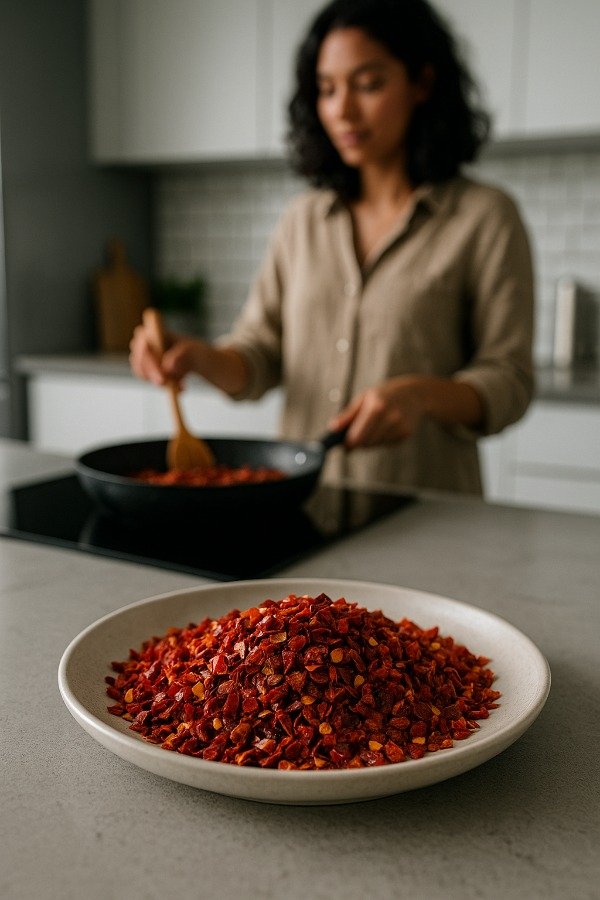
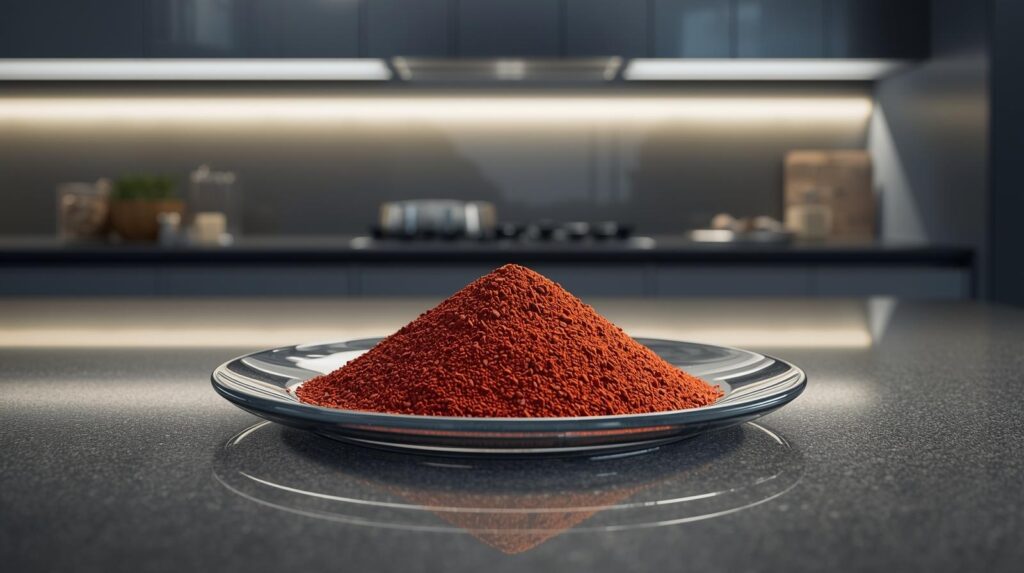
Gochugaru (고춧가루), is commonly known as Korean chili red pepper flakes often called taeyangcho. It is made of vibrant, coarsely ground Korean chili powder that plays a foundational role in Korean cuisine. Renowned for its deep red hue and well-balanced flavor profile, gochugaru offers a harmonious blend of mild heat, subtle sweetness, and a hint of smokiness for cooking.
What sets gochugaru apart from standard chili powders is its origin and preparation. It is crafted from specific varieties of sun-dried red peppers grown in Korea, carefully selected for their flavor and color. This regional specificity imparts a uniquely complex taste that is integral to many of Korea’s most iconic dishes, including kimchi, the fermented staple, and gochujang, the richly fermented red pepper paste.

Gochugaru Korean Red Chili Pepper Flakes
Origins of Gochugaru
Gochugaru’s story begins with the introduction of chili peppers to Korea in the late 16th century. Historians believe Portuguese traders brought chili peppers from the Americas to East Asia, where they were embraced by Korean farmers.
Over time, Korean cultivators developed specific pepper varieties, such as (Capsicum annuum dried red bell pepper flakes), suited to the peninsula’s climate and culinary needs. While these chili peppers, known as gochu in Korean, became the foundation for gochugaru.
Why Is Gochugaru So Unique?
2 Unique Qualities of Authentic Gochugaru
Gochugaru (고추가루) is unlike any other chili pepper product in the world. While many chili powders focus purely on heat, Gochugaru delivers a layered flavor that combines sweetness, smokiness, fruitiness, vibrant color, and gentle spice all in one ingredient. This balance is what makes it the heart of Korean cooking and one of the most distinctive chili flakes used in global cuisine.
What truly sets Gochugaru apart from ordinary crushed red pepper flakes is its ability to add depth and complexity without overpowering a dish. Rather than delivering an intense, aggressive burn, it provides a smooth, gentle warmth that enhances and balances the surrounding ingredients. This unique flavor profile is one of the reasons Korean dishes such as kimchi, tteokbokki, kimchi jjigae, and Korean barbecue are known for their rich, layered, and deeply satisfying taste.
1. A Complex Flavor Unlike Other Chili Flakes
Because the seeds are often removed during processing, Gochugaru develops a cleaner and smoother heat profile than cayenne pepper or standard crushed chilies. Instead of a sharp sting on the tongue, the warmth builds gradually and lingers pleasantly.
2. Its Texture Changes the Way Dishes Feel
Unlike finely ground chili powder, Gochugaru is usually sold as coarse flakes. This texture is intentional and essential to Korean cooking.
When added to liquids, the flakes soften and “bloom,” absorbing moisture and blending smoothly into sauces, soups, and marinades. Coarse gochugaru creates the rich texture for kimchi paste, Korean stews, and spicy dipping sauces. Instead of remaining dry or gritty, the flakes become velvety and deeply infused with flavor.
What Does Gochugaru Taste Like?
Gochugaru does not taste like any other chili product. It has a unique delicious flavor. Instead of delivering only heat, it creates a layered taste that combines sweetness, fruitiness, and smokiness in perfect balance. Its flavor is warm, rich, and complex.
The first thing many people notice when tasting Gochugaru is its natural sweetness. It has a subtle fruity quality that is often compared to red bell peppers, sun-dried tomatoes, or even mild berry-like notes. This sweetness comes naturally from the peppers themselves, which contain higher sugar levels than many other chili varieties.
Alongside the sweetness is a soft smokiness that gives Gochugaru its signature depth. Unlike heavily smoked peppers such as chipotle, the smokiness here is delicate and earthy rather than bold or overpowering.
Gochugaru is also known for its approachable heat level. Instead of an aggressive burn that immediately overwhelms the palate, it produces a slow-building warmth that feels smooth and balanced.
When cooked in oil, broth, or sauces, Gochugaru develops an even deeper savory character. It has the umami-like richness that enhances the flavor of garlic, soy sauce, sesame oil, and fermented ingredients.
What is the Difference Between Coarse and Fine gochugaru?
Coarse Flakes vs. Fine Powder
The consistency of Gochugaru plays an important role in both its flavor and the way it behaves during cooking.
Gochugaru is available in both coarse flakes and fine powder, and each form creates a different experience.
- Coarse flakes deliver small bursts of flavor and are commonly used in kimchi. They add texture, color, and concentrated pockets of smoky-sweet heat.
- Fine powder dissolves more smoothly into soups, sauces, marinades, and spice blends, creating a velvety and evenly distributed warmth.
The Overall Flavor Experience
Flavor Characteristic | What It Tastes Like | Why It Matters in Cooking |
Sweetness | Mild natural sweetness with subtle red pepper notes | Balances spicy flavors and prevents dishes from tasting harsh |
Fruity Flavor | Slightly fruity and berry-like undertones | Adds depth and complexity beyond ordinary chili flakes |
Smokiness | Gentle earthy smokiness from sun-drying | Creates warm, rich flavor without overpowering food |
Heat Level | Mild-to-moderate slow-building heat | Enhances dishes without an aggressive burn |
Tangy Brightness | Slight fresh, tangy finish | Pairs naturally with fermented foods like kimchi |
Umami Depth | Savory richness when cooked in oil or sauces | Boosts the flavor of soups, marinades, and stews |
Texture (Coarse Flakes) | Lightly chewy flakes with bursts of flavor | Adds authentic texture to kimchi and Korean dishes |
Texture (Fine Powder) | Smooth and silky when mixed into liquids | Blends evenly into sauces, broths, and spice pastes |
Aroma | Warm, earthy, slightly toasted fragrance | Makes dishes smell richer and more appetizing |
Overall Flavor Profile | Sweet, smoky, fruity, and gently spicy | Creates the signature balanced flavor of Korean cuisine |
Is Gochugaru Spicy or Mild?
Heat Levels of Gochugaru
Gochugaru’s flavor is a delicate balance of sweet, spicy, and smoky notes. The sweetness comes from the sun-drying process, which caramelizes the peppers’ natural sugars. The smokiness, more pronounced in premium varieties, adds depth that pairs well with savory and umami-rich ingredients.
How spicy is gochugaru on the Scoville scale?
The heat level of gochugaru varies depending on the pepper variety used and whether seeds are included in the grind
- Mild Gochugaru (3,000–10,000 SHU): Best suited for soups, stews, or dishes that require a gentle warmth without overpowering heat.
- Medium Gochugaru (10,000–20,000 SHU): Ideal for marinades, sauces, and stir-fries where balanced spiciness is desired.
- Hot Gochugaru (20,000–30,000 SHU): Used sparingly in dishes that call for bold, intense heat.
Gochugaru vs. Other Chili Flakes
The table below highlights key differences:
Spice | Heat Level (SHU) | Flavor Profile | Texture | Common Uses |
Gochugaru | 1,500–10,000 | Sweet, smoky, mildly spicy | Coarse flakes | Kimchi, gochujang, marinades |
30,000–50,000 | Sharp, intense heat | Fine powder | Curries, hot sauces | |
Paprika | 100–1,000 | Sweet, smoky (varies) | Fine powder | Stews, garnishes |
Crushed Red Pepper | 15,000–45,000 | Hot, slightly fruity | Coarse flakes | Pizza, pasta |
What is the Difference Between Sun-Dried and Machine-Dried Gochugaru?
Sun-Dried Gochugaru
Sun-dried Gochugaru, traditionally known as tae-yang-cho, is considered the premium standard in authentic Korean cooking. Unlike machine-dried chili flakes, these peppers are naturally dried under the sun for several days, allowing their flavor, color, and aroma to develop slowly and fully.
Richer and More Complex Flavor
One of the biggest advantages of sun-dried Gochugaru is its deeper flavor profile. The slow natural drying process allows the peppers’ natural sugars to concentrate gradually, creating a sweeter, fruitier, and more complex taste. This method also develops the gentle smoky undertones that authentic Korean Gochugaru is known for.
Compared to machine-dried versions, sun-dried Gochugaru tastes more balanced and layered, with less bitterness and a smoother finish.
Vibrant Deep-Red Color
High-quality sun-dried varieties are often recognized by their rich “electric red” color, which is considered a sign of freshness and quality.Natural sunlight helps preserve carotenoid pigments such as capsanthin, which give Korean chili flakes their signature scarlet hue. This brilliant color is one reason dishes like kimchi, tteokbokki, and Korean stews look so visually striking.
More Aromatic and Fragrant
Traditional sun-drying also enhances the aroma of the peppers. Sun-dried Gochugaru develops a cleaner, fresher, and more layered pepper fragrance compared to industrially dried alternatives. The aroma is earthy, slightly smoky, and naturally sweet without smelling burnt or overly processed.
Preferred Texture for Korean Cooking
Sun-dried Gochugaru is often slightly coarser and more irregular in appearance. That is why many Korean cooks prefer these chili flakes, for making kimchi recipe. The flakes absorb liquid well and soften beautifully during fermentation and cooking, helping create the rich texture associated with authentic Korean dishes.
Traditional Drying Process
Authentic tae-yang-cho peppers are typically spread across mats and dried naturally under sunlight for 7 to 14 days. During this slow dehydration process, natural enzymes continue breaking down starches into sugars, enhancing the pepper’s fruity sweetness and complexity.
This traditional method requires careful attention, as the peppers must be monitored, turned regularly, and protected from excess moisture. Because of the labor-intensive process, sun-dried Gochugaru is usually more expensive than machine-dried versions.
Better Preservation of Natural Compounds
Gentle sun-drying also helps preserve many of the pepper’s natural oils, pigments, and bioactive compounds. Important nutrients such as carotenoids and vitamin A remain more stable compared to high-heat industrial drying methods, which can reduce flavor intensity and nutritional quality.
Machine-Dried Gochugaru
Machine-dried Gochugaru, also known as hot-air-dried or industrially dried Gochugaru, is produced using large commercial dehydrators that dry the peppers quickly with controlled high heat. This method is faster, cheaper, and more efficient for mass production, making it the most commonly available type in many grocery stores.
While machine-dried Gochugaru still provides heat and color, its flavor and overall quality are generally considered less complex than traditional sun-dried varieties.
Faster Drying Process
In industrial production, Korean red chili peppers are placed inside heated drying chambers or dehydrators for approximately 12 to 24 hours. This rapid drying process removes moisture efficiently and improves shelf stability, but it also changes the pepper’s natural flavor profile.
Unlike slow sun-drying, the high heat limits the natural development of sugars and aromatic compounds that give premium Gochugaru its fruity sweetness and layered taste.
Less Complex Flavor
Machine-dried Gochugaru typically has a sharper and more straightforward heat profile. The flavor is often described as flatter, less nuanced, and occasionally slightly bitter compared to sun-dried versions.
Because the peppers dry quickly under intense heat, many of the delicate volatile compounds responsible for sweetness, fruitiness, and smoky depth are reduced. The result is a chili flake that delivers spice but lacks some of the rich complexity found in traditional tae-yang-cho Gochugaru.
Darker and Less Vibrant Color
High-temperature drying can also affect the appearance of the peppers. Machine-dried Gochugaru is often darker in color, ranging from deep crimson to brownish-red tones.
The intense heat can partially degrade natural carotenoid pigments such as capsanthin, leading to a less vibrant appearance than premium sun-dried Gochugaru. This is why dishes made with industrially dried flakes may not achieve the same bright-red color associated with authentic Korean cuisine.
Milder Aroma
Compared to sun-dried varieties, machine-dried Gochugaru usually has a less fragrant aroma. Some versions may even develop slightly cooked, roasted, or faintly bitter undertones due to the rapid heating process.
While still flavorful, the aroma tends to be less fresh and layered.
More Uniform Texture
Machine-dried Gochugaru is often processed more consistently, producing flakes that are finer and more uniform in size. Some cooks prefer this consistency for blending into sauces soups, marinades and spice mixes.
Longer Shelf Life and Lower Cost
One advantage of industrial drying is improved shelf stability. Because moisture is removed more thoroughly and evenly, machine-dried Gochugaru can sometimes last longer during storage.
It is also significantly more affordable and widely available because the production process is faster, scalable, and less labor-intensive than traditional sun-drying.
Nutritional Differences
Although machine-dried Gochugaru still contains capsaicin and beneficial compounds from chili peppers, the higher drying temperatures may reduce some antioxidants, essential oils, and sensitive nutrients compared to sun-dried varieties.
Why Sun-Dried Gochugaru Is Preferred
For many chefs, Korean home cooks, and food enthusiasts, authentic sun-dried Gochugaru is considered the gold standard. Its slow natural drying process creates a richer and more balanced flavor that machine-dried versions often struggle to match.
Sun-dried Gochugaru delivers the perfect combination of natural sweetness, gentle smokiness, fruity depth, vibrant red color, smooth heat, and rich aroma. Rather than tasting harsh or one-dimensional, it adds warmth and complexity that enhances the overall character of a dish.
This is especially important in Korean recipes where Gochugaru is not just a background seasoning but a major flavor component. In dishes like kimchi, Korean stews, marinades, sauces, and spice blends, the difference in flavor is often immediately noticeable. Sun-dried varieties create a deeper, fresher, and more authentic Korean taste that many cooks prefer.
If you are making kimchi or any recipe where Gochugaru plays a starring role, premium sun-dried Gochugaru is usually worth the extra cost. The sweetness, aroma, and vibrant color can significantly improve the final dish. On the other hand, machine-dried Gochugaru still works well for everyday cooking, especially in soups, stews (jjigae), marinades, and recipes where the chili is one of several ingredients rather than the dominant flavor.
When shopping for authentic Korean chili flakes, look for the Korean label 태양초 (taeyangcho), which literally means “sun pepper.” This label is one of the easiest ways to identify traditional sun-dried Gochugaru known for its superior flavor, color, and overall quality.
Feature | Sun-Dried Gochugaru (Tae-yang-cho) | Machine-Dried Gochugaru (Industrial/Hot-Air Dried) |
Drying Method | Naturally dried under sunlight for 7–14 days | Quickly dried in industrial dehydrators using high heat |
Flavor Profile | Sweet, fruity, smoky, and highly complex | Sharper, flatter, and less nuanced |
Heat Character | Smooth, balanced warmth | More direct and slightly harsher heat |
Aroma | Fresh, earthy, fruity, and naturally smoky | Pungent, cooked, slightly sharp, or neutral |
Color | Bright, vibrant deep-red | Darker crimson or brownish-red |
Pigment Quality | Better preservation of natural capsanthin pigments | Some pigment degradation from high heat |
Texture | Slightly coarse and rustic | More uniform and often finer |
Sweetness | Naturally sweeter due to slow sugar development | Less sweetness and complexity |
Nutrient Retention | Higher retention of Vitamin A, carotenoids, and antioxidants | Lower retention due to heat exposure |
Essential Oils | Better preserved natural oils and aroma compounds | Some oils reduced during rapid drying |
Fermentation Performance | Supports kimchi fermentation and flavor development exceptionally well | Performs adequately but with less depth |
Best Uses | Kimchi, gourmet Korean cooking, premium sauces, artisanal recipes | Everyday cooking, bulk recipes, soups, marinades |
Authenticity | Traditional Korean preparation method | Modern industrial production method |
Appearance in Dishes | Produces vivid scarlet-red color | Creates a darker red appearance |
Price | More expensive due to labor-intensive production | More affordable and widely available |
Shelf Life | Slightly shorter because of gentler drying | Often longer due to lower moisture content |
Overall Quality | Considered premium and authentic | Considered practical and budget-friendly |
How to Identify High-Quality Gochugaru?
When shopping for authentic Korean Gochugaru, quality makes a noticeable difference in flavor, color, aroma, and overall cooking performance. While many products may look similar at first glance, sun-dried Gochugaru stands out once you know what to look for.
Look for “Tae-yang-cho” on the Label
One of the best indicators of premium quality is the Korean term 태양초 (tae-yang-cho), which translates to “sun pepper.” This label means the chili peppers were naturally sun-dried rather than rapidly dried in industrial ovens.
Check the Color
High-quality Gochugaru should have a vivid, bright-red appearance rather than a dull brownish-red color. Premium sun-dried flakes often look vibrant and slightly glossy because their natural oils and pigments remain better preserved.
Use the Smell Test
Aroma is another excellent indicator. Authentic sun-dried Gochugaru should smell fresh, earthy, naturally sweet, and gently smoky. It is almost like sun-ripened peppers drying outdoors.
Lower-quality or heavily machine-dried versions may smell flat, burnt, overly sharp, or slightly bitter due to exposure to intense industrial heat.
Understand the Two Main Types of Gochugaru
When buying Gochugaru, you will usually encounter two primary varieties:
Confusing Fine vs. Coarse Grinds
In authentic Korean cooking, different grinds of Gochugaru are treated as functionally different ingredients and not just different textures. Choosing the wrong grind can noticeably affect the flavor, appearance, and texture of a dish.
Korean cuisine generally uses two main styles:
- Coarse flakes (Goun or kimchi-yong) — Best for kimchi, stews, soups, and side dishes (banchan). These larger flakes coat vegetables evenly, release color gradually during fermentation, and provide visible red specks with balanced heat.
- Fine powder (Go-un) — Commonly used for gochujang, noodle sauces, marinades, and smoother soups where a vibrant red color and faster flavor release are desired without visible flakes.
Quick Tips for Buying the Best Gochugaru
- Look for the label 태양초 (tae-yang-cho)
- Choose flakes with a vibrant deep-red color
- Avoid dull or brownish-red powders
- Look for slightly glossy or oily flakes
- Check for a fresh, sweet, smoky aroma
- Buy from trusted Korean brands or specialty stores when possible
Choosing authentic, high-quality Gochugaru can make a significant difference in both traditional Korean recipes and everyday cooking, giving dishes a richer flavor, smoother heat, and more authentic Korean character.
What Is the Best Way to Store Gochugaru?
3 Best Ways to Store Gochugaru Without Losing Flavor
Pantry Storage
Gochugaru can last up to a year in a cool, dry pantry if stored in an airtight container away from direct light and heat. However, humid climates can significantly increase the risk of clumping, browning, and flavor loss.
Refrigerator Storage
Refrigeration helps preserve the natural oils and capsaicin that give gochugaru its distinctive smoky heat. Stored properly in a sealed glass jar or airtight container, it can stay fresh for up to two years.
Freezer Storage
The freezer is one of the best ways to keep gochugaru fresh for a long time. Freezing helps preserve its bright red color, smoky aroma, and spicy flavor by slowing down oxidation. For best results, divide the chili flakes into small freezer-safe bags to reduce repeated exposure to air and moisture.
| Storage Method | How Long It Lasts | Benefits | Important Tips |
| Pantry Storage | Up to 1 year | Convenient for everyday use | Store in an airtight container away from heat, sunlight, and moisture. Humid climates may increase the risk of clumping, browning, and flavor loss. |
| Refrigerator Storage | Up to 2 years | Helps preserve natural oils, color, and smoky flavor | Use a sealed glass jar or airtight container to prevent moisture absorption and odor contamination. |
| Freezer Storage | 2 years or longer | Best method for preserving bright color, aroma, and spicy flavor | Divide gochugaru into small freezer-safe bags to reduce repeated exposure to air and moisture. |
Avoid Cross-Contamination:
Always use a clean, dry spoon when handling gochugaru to prevent introducing moisture or bacteria, which can lead to clumping or mold growth.
4 Storage Tips to Keep Gochugaru Fresh and Flavorful
1. Avoid Steam Exposure
One of the most common mistakes is shaking gochugaru directly over a steaming pot. Steam introduces moisture into the container, increasing the risk of mold and spoilage. Always use a clean, dry spoon instead.
2. Store Away From Light
Light speeds up the breakdown of capsaicin and natural pigments. Keep gochugaru in an opaque container or inside a dark cupboard to protect its flavor and color.
3. Use the “Active Jar” Method
If you buy gochugaru in larger quantities, keep a small jar in your kitchen for daily cooking and store the remaining supply in the freezer. This reduces repeated temperature changes and extends freshness.
4. Use Airtight Containers
Air exposure quickly dulls the aroma and heat of chili flakes. Glass jars with tight-fitting lids or vacuum-sealed bags work best for long-term storage.
| Storage Tip | Why It Matters |
| Avoid Steam Exposure | Never shake gochugaru directly over a steaming pot. Moisture can enter the container and lead to clumping or mold growth. Always use a clean, dry spoon. |
| Store Away From Light | Light breaks down capsaicin and natural pigments, causing flavor and color to fade faster. Store in a dark cupboard or opaque container. |
| Use the “Active Jar” Method | Keep a small jar in your kitchen for daily use and store the remaining bulk supply in the freezer to reduce temperature changes and moisture exposure. |
| Use Airtight Containers | Air exposure weakens aroma, heat, and freshness over time. Tight-fitting glass jars or vacuum-sealed bags work best for long-term storage. |
How Long Does Gochugaru Last?
Gochugaru does not spoil as quickly as fresh food, but it gradually loses its vibrant red color, smoky aroma, and balanced heat over time. In other words gochugaru does not always have a strict expiration date.
Proper storage makes a major difference in how long this Korean chili flakes powder stay fresh and flavorful.
Because gochugaru is traditionally sun-dried and contains more natural oils and moisture than standard crushed red pepper flakes, it is more sensitive to heat, humidity, air, and light exposure. When stored correctly, high-quality gochugaru can maintain its flavor and color for a surprisingly long time.
The shelf life of gochugaru depends largely on how it is stored after opening.
Storage Method | Estimated Freshness | What to Expect |
Unopened bag at room temperature | Around 6 months | Flavor and color slowly begin fading |
Opened bag at room temperature | Best within 2–3 months | Aroma and heat weaken faster |
Airtight container in a cool, dark place | 9–12 months | Good flavor retention |
Vacuum sealed or freezer-safe bags in freezer | 15–18 months or longer | Best preservation of color, heat, and aroma |
For long-term quality, freezing is considered the best storage method, especially if you buy gochugaru in bulk.
4 Ways to Tell If Gochugaru Has Gone Bad
Unlike many dried spices that gradually lose flavor over time, old gochugaru often shows clear visible signs that its quality is declining.
1. Color Changes
Fresh gochugaru has a vibrant deep red appearance. If the flakes turn dull brown, dusty brick-colored, or faded, oxidation has likely affected the natural oils and pigments. This usually means the flavor has become stale.
2. Weak or Musty Aroma
High-quality gochugaru should smell smoky, fruity, and slightly sweet. If it smells flat, musty, or like cardboard, it is no longer at peak quality.
3. Loss of Flavor and Heat
Old gochugaru loses both its gentle heat and natural sweetness. If your dishes suddenly taste bland despite using the same amount, the chili flakes may be past their prime.
4. Moisture, Clumping, or Mold
Small clumps can occur naturally because of the pepper oils. However, white fuzz, webbing, unusual moisture, or visible mold means the spice should be discarded immediately.
Signs Your Gochugaru Has Gone Bad
Warning Sign | What It Means |
Color Changes | Fresh gochugaru should be deep vibrant red. Dull brown, faded, or brick-colored flakes usually indicate oxidation and stale flavor. |
Weak or Musty Smell | Gochugaru should smell smoky, fruity, and slightly sweet. A flat, musty, or cardboard-like smell means it is no longer fresh. |
Loss of Flavor and Heat | If the chili flakes no longer taste spicy or flavorful, they may be past their peak quality. |
Moisture, Clumping, or Mold | Small clumps can be normal due to natural oils. However, white fuzz, webbing, excess moisture, or mold means it should be discarded immediately. |
7 Tips How to Choose High-Quality Gochugaru for Authentic Korean Flavor
1. Look for a Vibrant Deep Red Color
High-quality gochugaru should have a rich, vibrant red appearance. Bright red chili flakes usually indicate that the peppers were harvested at peak ripeness and carefully dried using traditional methods.A rich, deep red color is one of the easiest ways to identify high-quality gochugaru. It is commonly associated with:- Stronger and more vibrant flavor
- Natural sweetness from fully ripened peppers
- Fresher chili flakes with better aroma
- Traditional Korean drying and processing methods
2. Choose a Coarse, Flaky Texture
Authentic gochugaru traditionally has a slightly coarse, flaky texture instead of an ultra-fine powder consistency. This traditional grind is highly valued in Korean cooking because it delivers better texture, flavor distribution, and overall cooking performance.A coarse texture helps:- Distribute flavor more evenly throughout dishes
- Create the ideal texture for kimchi and marinades
- Reduce clumping during storage and cooking
- Produce a smoother, more balanced heat level
3. Check the Ingredient List Carefully
One of the best indicators of premium quality is the Korean term 태양초 (tae-yang-cho), which translates to “sun pepper.” This label means the chili peppers were naturally sun-dried rather than rapidly dried in industrial ovens.Pure gochugaru should contain only one ingredient:- 100% dried Korean red pepper
- Artificial coloring
- Preservatives
- Flavor enhancers
- Added salt
- Rice flour
- Paprika extract
- Low-quality imported chili powders
4. Pay Attention to the Country and Region of Origin
For the most authentic flavor and aroma, choose gochugaru sourced directly from Korea. Korean-grown chili peppers are widely valued for their balanced heat, natural sweetness, and rich color, which are difficult to replicate with lower-quality imported alternatives.Some Korean regions are especially known for producing premium gochugaru, including:- Yeongyang
- Andong
5. Look for Proper Packaging
Proper packaging plays an important role in maintaining the freshness, flavor, and vibrant color of gochugaru. Because Korean chili flakes are sensitive to air, moisture, heat, and light, good packaging helps preserve their quality for a longer period.High-quality gochugaru is commonly sold in:- Airtight bags
- Vacuum-sealed packaging
- Light-resistant containers
- Moisture exposure
- Oxidation
- Flavor deterioration
- Color fading
6. Use the Smell Test When Buying Gochugaru
Aroma is one of the best ways to identify high-quality gochugaru. Authentic sun-dried Korean chili flakes should have a fresh, earthy aroma with mild natural sweetness and a gentle smoky note. The scent is often reminiscent of sun-ripened peppers slowly drying outdoors.High-quality gochugaru typically smells:- Fresh and clean
- Naturally sweet
- Mildly smoky
- Rich and peppery without harshness
- Flat or stale
- Burnt
- Overly sharp
- Slightly bitter
7. Avoid “Gochugaru-Style” Chili Blends
One common mistake buyers make is choosing low-quality “gochugaru-style” products instead of authentic Korean gochugaru. While these products may appear similar, many are heavily diluted and do not deliver the same flavor, texture, or cooking performance as genuine Korean chili flakes.Some lower-cost brands bulk up their products with ingredients such as:- Salt
- Rice flour
- Artificial colorants
- Paprika extracts
- Lower-grade imported chili powder
- Mild smoky sweetness
- Balanced heat level
- Rich pepper flavor
- Vibrant natural color
- Clean finish without artificial aftertaste
4 Common Mistakes to Avoid When Using Gochugaru
Gochugaru is a surprisingly delicate ingredient. Because it is traditionally sun-dried and naturally rich in oils, it behaves more like a fresh aromatic than a fully dry, shelf-stable spice such as black pepper.
Here is a deeper look at the common mistakes that can ruin dishes like kimchi, gochujang-based sauces, and Sundubu-jjigae.
- Scorching the Flakes (Overheating)
One of the most common mistakes when using Gochugaru is exposing it to excessive direct heat. Because gochugaru contains natural oils and a surprisingly high amount of natural sugars, it burns much faster than many other chili flakes. When overheated, its flavor quickly turns bitter, acrid, and harsh instead of mildly smoky and slightly sweet.
High heat such as adding it to smoking-hot oil or dry-toasting it in an overheated pan rapidly destroys original qualities. The result is a muddy brown color, sharp bitterness, and a flat, burnt taste that can overpower dishes like kimchi, stews, and sauces.
The Fix
When blooming gochugaru in oil, remove the pan from direct heat first, stir in the flakes gently, then return the pan to low or medium-low heat. A gentle temperature range of about 120–140 °C works best for releasing flavor without scorching the chili.
For soups, braises, and stews, mix the gochugaru into liquid ingredients before the dish reaches a strong boil. This helps the flakes hydrate gradually while protecting their sweetness, color, and aroma.
Confusing Fine vs. Coarse Grinds
In authentic Korean cooking, different grinds of Gochugaru are treated as functionally different ingredients and not just different textures. Choosing the wrong grind can noticeably affect the flavor, appearance, and texture of a dish.
Korean cuisine generally uses two main styles:
- Coarse flakes (Goun or kimchi-yong) — Best for kimchi, stews, soups, and side dishes (banchan). These larger flakes coat vegetables evenly, release color gradually during fermentation, and provide visible red specks with balanced heat.
- Fine powder (Go-un) — Commonly used for gochujang, noodle sauces, marinades, and smoother soups where a vibrant red color and faster flavor release are desired without visible flakes.
The reverse problem also occurs in sauces and soups. Using coarse flakes in smooth sauces can leave visible chili pieces that do not fully integrate into the dish.
Always check the grind type before purchasing. Labels may describe the product as coarse flakes, fine powder, kimchi style, or gochujang style depending on its intended use.
3. The “Cayenne Substitution” Trap
A very common mistake is substituting Western chili powders for Gochugaru without adjusting for heat level and flavor structure. This is where many dishes especially kimchi, Sundubu-jjigae, and doenjang-based stews go wrong.
Why it fails
Cayenne pepper typically ranges around 30,000–50,000 SHU, while gochugaru generally sits much lower, around 1,500–10,000 SHU depending on grade.
Replacing gochugaru 1:1 with cayenne doesn’t just increase heat; it fundamentally changes the dish. The result is often:
- Overwhelming heat that masks fermentation flavors
- Loss of sweetness that supports kimchi and soybean-based stews
- A sharper, harsher chili profile instead of a rounded warmth
Even smoked paprika, while closer in color and aroma, lacks sufficient heat to stand alone as a substitute.
4. Partial workaround (still imperfect)
If a substitute is unavoidable, a blended approach works better than a single chili:
- Mild paprika for body, color, and sweetness
- A small amount of cayenne for controlled heat
- Optional smoked paprika for depth and aroma
This combination approximates the balance of heat, sweetness, and color — but it still cannot replicate the natural complexity developed in sun-dried Korean peppers.
The Fix
If you must substitute, reduce cayenne significantly and combine it with milder, sweeter chili bases. Treat it as a controlled accent, not a direct replacement, to avoid overpowering the dish.
What Are the Best Substitutes for Gochugaru?
While authentic Gochugaru has a flavor profile that is difficult to replicate perfectly, several substitutes can work surprisingly well depending on the recipe. Some substitutes are better suited for kimchi and fermented dishes, while others work best in soups, marinades, sauces, or everyday cooking. Here are the closest and most practical replacements for Gochugaru.
1. Aleppo Pepper Flakes – The Closest Overall Substitute
Aleppo pepper also known as Pul Biber is often considered the best substitute for Gochugaru because it shares many of the same qualities. Originally from Syria and Turkey, Aleppo pepper flakes have a mild-to-moderate heat level, natural fruity sweetness, slight tanginess, and a soft oily texture similar to Korean chili flakes.
Its balanced flavor works especially well in kimchi, marinades, dipping sauces, and fermented dishes where complexity matters.
Why Aleppo Pepper Flakes Work Well
- Fruity, mildly sweet flavor with subtle earthy notes
- Usually deseeded, giving it a softer heat and slightly oily texture
- Gentle warmth without the sharp harshness of hotter chili powders
- Similar flaky consistency that blends well into recipes
- Bright red color helps maintain the visual appeal of dishes
- Adds balanced heat without overpowering other ingredients
- Works especially well in marinades, soups, roasted vegetables, and spice blends
Best For
Kimchi, Korean sauces, stews, and fermented recipes. Its balanced sweet-smoky flavor and gentle heat work especially well in kimchi, marinades, dipping sauces, soups, and fermented dishes where depth and complexity are important.
Substitution Ratio
Use a 1:1 replacement for Gochugaru in most recipes. Adjust slightly to taste if you prefer milder heat or a deeper smoky flavor.
Possible Drawback
It has slightly less smokiness than Gochugaru and can sometimes be more difficult to find in regular grocery stores. Buy Aleppo Pepper From Amazon
2. Sweet Paprika and Cayenne Pepper – Best DIY Blend
A combination of sweet paprika and cayenne pepper is one of the most popular homemade substitutes for Gochugaru. Sweet paprika provides the signature red color and natural sweetness, while cayenne adds the missing heat.
This blend does not fully recreate the fruity depth of authentic Korean chili flakes, but it comes surprisingly close for many recipes.
Recommended blend:
- 3 parts sweet paprika
- 1 part cayenne pepper
You can also add a small amount of smoked paprika if you want a subtle smoky note.
Why it works well:
- Easy to make with common pantry spices
- Good balance of color and heat
- Works well in cooked dishes
Best for:
Kimchi, soups, sauces, marinades, and spice rubs
Substitution ratio:
Use approximately the same total amount as the Gochugaru called for in the recipe, then adjust to taste.
3. Crushed Red Pepper Flakes (Pizza Flakes) – Easy Everyday Option
Standard crushed red pepper flakes are one of the easiest substitutes because they are widely available. They provide similar texture and heat, but the flavor is noticeably sharper and less balanced than Gochugaru.
Unlike Korean chili flakes, crushed red pepper flakes tend to be hotter, seedier, and less sweet. They also lack the fruity undertones and gentle smokiness that make Gochugaru unique.
To improve the flavor, many cooks add a pinch of sugar and sweet paprika alongside the flakes.
Why it works:
- Similar coarse texture
- Readily available
- Adds heat and color
Drawbacks:
- Much sharper heat
- Less sweetness and complexity
- Can overpower delicate dishes
Best for:
Stews, soups, marinades, noodles, and general cooking
Substitution Ratio
Start with ½ to ¾ of the amount called for, then adjust gradually to taste, since crushed red pepper is usually much hotter than Gochugaru. If the blend contains many seeds, using about ½ the amount is often enough because the heat can be sharper and more intense.
Pulse them in a spice grinder or crush them with a mortar and pestle to get a finer, flaky texture.
4. Kashmiri Chili Powder – Best for Color and Mild Heat
Kashmiri chili powder is another excellent substitute, especially if you want the vibrant red color and mild heat associated with Gochugaru. Popular in Indian cooking, Kashmiri chili is known for its bright color and relatively gentle spice level.
Although it lacks the smoky and fruity notes of Korean chili flakes, it creates a visually similar appearance in dishes.
Why it works well:
- Brilliant red color
- Mild heat level
- Smooth flavor without overwhelming spice
Best for:
Stews, soups, sauces, curries, and milder Korean recipes
Substitution ratio:
Use a 1:1 replacement. Add a small pinch of cayenne if additional heat is needed.
Other Good Substitutes for Gochugaru
If the more common substitutes are unavailable, there are several other chili products that can work well in certain recipes. While these alternatives may not perfectly recreate the signature sweet-smoky-fruity flavor of authentic Gochugaru, they can still provide excellent color, mild heat, and depth in cooked dishes.
Ancho or Guajillo Chile Powder
Ancho and Guajillo chile powders are excellent alternatives for recipes that need mild heat, earthy sweetness, and rich red color. Commonly used in Mexican cuisine, both peppers offer a smooth, fruity flavor that works surprisingly well in Korean-inspired cooking and fusion recipes.
Ancho chili powder, made from dried poblano peppers, has a deep, slightly sweet flavor with mild heat and subtle earthy notes. Guajillo chili powder is brighter and slightly tangier, with a clean red-chili flavor and moderate warmth.
Why they work well:
- Mild-to-moderate heat
- Rich red color
- Fruity and earthy depth
- Smooth flavor without excessive sharpness
Best for:
Korean-Mexican fusion recipes, stews, soups, marinades, braised dishes, and sauces
Possible drawback:
They lack the signature Korean fruity-smoky balance and coarse texture of Gochugaru. Our Best Recommendation
Gochujang (Korean Chili Paste)
Gochujang is one of the most flavor-compatible substitutes because it is traditionally made using Gochugaru itself. This fermented Korean chili paste delivers a similar chili flavor along with added sweetness, saltiness, and deep umami richness.
However, Gochujang is not a direct replacement because it is a thick paste rather than dry chili flakes. It also contains ingredients such as fermented soybeans, rice, and sweeteners, which significantly affect the flavor, texture, and salt content of a recipe.
Because of its rich fermented flavor, Gochujang works best as a complementary substitute rather than an exact replacement.
Why it works well:
- Similar Korean chili flavor
- Adds sweetness and umami
- Deep fermented complexity
Best for:
Stews, marinades, sauces, dipping sauces, noodle dishes, and braised recipes
Not ideal for:
Kimchi, dry rubs, spice blends, or recipes that require coarse chili flakes
Important tip:
When using Gochujang, reduce other salty or sweet ingredients in the recipe since the paste already contains both.
Poor Gochugaru Substitutes to Avoid
Not all chili products make good substitutes for Gochugaru. Some may provide heat, but they often lack the sweetness, fruitiness, texture, and balanced flavor that make Korean chili flakes unique. Others can completely change the taste of a dish and overpower authentic Korean flavors.
Here are some substitutes that are generally less suitable for replacing Gochugaru.
Cayenne Pepper
Cayenne pepper is one of the most common but least balanced substitutes for Gochugaru. While it adds plenty of heat, it lacks the natural sweetness, smokiness, and fruity complexity found in Korean chili flakes.
Its spice level is also significantly stronger and sharper. Instead of the smooth, gradual warmth associated with Gochugaru, cayenne delivers an aggressive heat that can easily dominate a dish.
Why it is not ideal:
- Too hot and sharp
- Lacks sweetness and smoky depth
- Creates a more one-dimensional flavor
If using Cayenne anyway:
Use no more than half the amount called for and consider mixing it with sweet paprika to soften the heat and improve color.
Chipotle Powder
Chipotle powder provides smokiness and moderate heat, but its flavor profile is much heavier and more intense than Gochugaru. Because chipotle peppers are heavily smoke-dried, the smoky taste can quickly overpower Korean dishes.
While it can work in fusion recipes or grilled meat marinades, it usually does not produce an authentic Korean flavor.
Why it is not ideal:
- Much smokier than Gochugaru
- Can overpower delicate dishes
- Lacks fruity sweetness and bright flavor
Best used for:
Fusion cooking, barbecue marinades, grilled meats, and smoky sauces
Substitution tip:
Start with ½ the amount or less and adjust carefully.
American-Style Chili Powder
Standard American chili powder is generally a poor substitute because it is not pure chili. Most blends contain additional spices such as cumin, garlic powder, oregano, onion powder, and paprika.
These extra seasonings dramatically change the flavor profile of Korean recipes and can make dishes taste more Tex-Mex than Korean.
Why it is not ideal:
- Contains mixed spices and seasonings
- Alters authentic Korean flavor
- Lacks the clean chili taste of Gochugaru
Avoid using in:
Kimchi, Korean stews, gochujang recipes, and traditional marinades
Sriracha
Sriracha is also not a suitable replacement for Gochugaru because it is a prepared sauce rather than a dry chili product. It contains vinegar, garlic, sugar, and other ingredients that significantly affect both flavor and texture.
Its tangy and vinegary taste can completely change Korean dishes that rely on the clean, balanced flavor of chili flakes.
Why it is not ideal:
- Too acidic and vinegary
- Changes texture and consistency
- Adds sweetness and garlic flavor not present in Gochugaru
Best avoided in:
Kimchi, spice blends, dry rubs, and traditional Korean recipes
Quick Comparison Table - Best Substitutes for Gochugaru
Substitute | Heat Match | Flavor Match (Fruity/Smoky) | Texture/Color | Best Use Case | Adjustment Needed |
Crushed Red Flakes | Higher | Fair | Good | Everyday | Use lesser quantity |
Aleppo Flakes | Good | Very Good | Excellent | Kimchi | 1:1 |
Paprika + Cayenne | Adjustable | Good | Excellent | Kimchi/Color | Blend & taste |
Chipotle | Good | Smoky (strong) | Good | Grilled/Marinades | Use lesser quantity |
Kashmiri Chili | Milder | Good | Excellent | Mild dishes | 1:1 + heat if needed |
Substitute | Heat Level | Flavor Profile | Best Uses | Drawbacks | Suggested Ratio |
Aleppo Pepper Flakes | Mild to Medium | Fruity, slightly tangy, mildly sweet | Kimchi, fermented dishes, sauces, marinades | Less smoky than Gochugaru, harder to find | 1:1 |
Sweet Paprika + Cayenne | Mild to Medium | Sweet, mildly smoky, balanced heat | Kimchi, soups, sauces, spice blends | Lacks full depth and fruity complexity | 3 parts paprika + 1 part cayenne |
Crushed Red Pepper Flakes | Medium to Hot | Sharp, spicy, less sweet | Stews, noodles, marinades, general cooking | Hotter, harsher, less balanced | Start with ½–¾ amount |
Kashmiri Chili Powder | Mild | Bright, earthy, vibrant color | Curries, soups, mild Korean dishes | Minimal smokiness and texture | 1:1 |
Ancho Chile Powder | Mild | Earthy, fruity, slightly sweet | Fusion recipes, stews, braises | Less bright and less smoky | 1:1 |
Guajillo Chile Powder | Mild to Medium | Tangy, smooth, mildly fruity | Sauces, soups, marinades | Different flavor profile from Korean chilies | 1:1 |
Gochujang | Mild to Medium | Sweet, savory, fermented umami | Stews, marinades, dipping sauces | Changes texture and adds salt/sweetness | Use sparingly and adjust seasonings |
Chipotle Powder | Medium | Very smoky, earthy | Grilled meats, barbecue, fusion dishes | Smoke flavor can overpower recipes | Start with ½ amount |
Cayenne Pepper | Hot | Sharp, aggressive heat | Emergency heat substitute only | Too spicy, lacks sweetness and depth | Use ½ amount or less |
American Chili Powder | Mild to Medium | Spiced with cumin, garlic, oregano | Tex-Mex dishes only | Changes authentic Korean flavor completely | Not recommended |
Sriracha | Medium | Sweet, garlicky, vinegary | Sauces or fusion dishes | Alters texture and flavor significantly | Not recommended as direct substitute |
Is Gochugaru available in New Zealand? If yes where can I buy?
Yes, Gochugaru is definitely available in New Zealand, especially in larger cities like Auckland. You can buy it from Korean grocery stores, Asian supermarkets, and several NZ-based online stores. Authentic Korean brands are becoming much easier to find now because Korean cooking and kimchi have become very popular.
If you are buying Gochugaru for kimchi, look for:
- “Coarse” or “Kimchi Cut”
- Bright red color
- Product of Korea
- Minimal seeds
Finer powder works better for soups, marinades, and sauces.
Can I Buy Pure and Authentic Gochugaru Pepper Flakes From Amazon?
Yes you can buy pure and authentic Gochugaru from Amazon. We recommend:
Taekyung Chili Powder For Kimchi
What to Look for When Buying a Pure and Authentic Gochugaru Pepper on Amazon
When choosing Gochugaru online, especially on Amazon, the most important factor is ingredient purity and freshness. A high-quality pepper should be ideal for homemade recipes and contain only warm, aromatic powder or flakes without unnecessary additives.
1. Check the Ingredient List Carefully
2. Avoid products that include:
- Sugar or sweeteners
- Artificial or “natural” flavouring
- Anti-caking agents or fillers
3. Look for Clean, Simple Branding
4. Packaging and Freshness Matter
- Prefer glass jars or metal tins over plastic packaging
- Airtight and resealable containers help preserve aroma
- Look for recent packaging or “freshly made” indications
- Avoid products stored in clear packaging exposed to light, which degrades spice oils
5. Certifications and Quality Claims
Reliable quality indicators include:
- USDA Organic certification
- Non-GMO Project Verified label
- Clear sourcing and brand transparency
These suggest fewer chemicals, better processing standards, and higher-quality raw spices.
6. Read Customer Reviews Carefully
- Look for mentions of strong aroma and fresh flavour
- Be cautious if multiple reviews mention weak smell or dusty taste
- Prioritise recent reviews for the most accurate quality feedback
7. Watch for Red Flags
- Very low price per ounce (often indicates fillers or old stock)
- No brand name or unclear seller information
- Overseas listings with limited quality control details
Nutrient | Amount | % Daily Value (DV) |
Calories | 22–25 kcal | 1% |
Vitamin A | 423 µg | 47% |
Vitamin B6 | 0.2 mg | 10% |
Vitamin C | 8 mg | 9% |
Iron | 1.2 mg | 7% |
Dietary Fiber | 3 g | 10% |
Capsaicin | ~3–5 mg | Not established (bioactive compound) |
Notes for readers:
- Values may vary depending on brand, drying method, and chili variety.
- Capsaicin is a bioactive compound, not a traditional nutrient, so it does not have a standard % Daily Value.
- Gochugaru is typically used in small amounts, but it contributes meaningful plant-based antioxidants and micronutrients to meals.
3 Pro Tips for Better Nutrient Absorption with Gochugaru
Element | Why It Matters | Best Way to Use |
Capsaicin (active compound in gochugaru) | Capsaicin is fat-soluble, meaning it is absorbed better when eaten with dietary fat. | Pair gochugaru with sesame oil, avocado, olive oil, or fatty foods. |
Vitamin A precursors (carotenoids) | These compounds are also fat-soluble and need fat for optimal absorption in the body. | Add gochugaru to dishes that contain healthy fats (e.g., stir-fries, marinades, dressings). |
Overall nutrient uptake | Eating gochugaru with fat helps your body absorb more of its beneficial compounds. | Use it in balanced meals rather than dry seasoning alone for better nutritional benefit. |
What Are Health Benefits of Gochugaru?
Many people ask whether gochugaru is healthy or good for you. While it is primarily used as a flavorful spice, it also offers a range of health benefits that make it a nourishing addition to any diet. It contains natural compounds like capsaicin and antioxidants that are commonly associated with overall wellness when used as part of a balanced diet.
Capsaicin, is not only responsible for its characteristic heat but is also known for its anti-inflammatory and metabolism-boosting properties.
Gochugaru is naturally rich in essential vitamins, minerals, and antioxidants, particularly because it is made from whole, minimally processed peppers. Key nutritional components include:
- Vitamin C: Strengthens the immune system and supports skin health by promoting collagen production.
- Vitamin A: Vital for eye health, immune defense, and cellular regeneration.
- Antioxidants: Compounds such as capsaicinoids and flavonoids help combat oxidative stress and reduce inflammation.
- Minerals: Contains small but beneficial amounts of potassium and magnesium, which support cardiovascular and muscular function.
Due to its traditional sun-drying and grinding methods, gochugaru retains more of these beneficial nutrients than many commercial chili powders.
Health Effects of Capsaicin in Gochugaru
1. Metabolic and Thermogenic Support
The key active compound in gochugaru is capsaicin, which is known for its natural thermogenic properties. This means it can slightly increase heat production in the body.
- Supports energy use: Research suggests that capsaicin may encourage the body to use stored fat as an energy source through a process called fat oxidation.
- Helps manage appetite: Some studies indicate that capsaicin may help reduce levels of ghrelin, the hormone linked to hunger, which can naturally support lower calorie intake during the day.
2. Rich in Natural Antioxidants
Unlike many standard chili powders, high-quality sun-dried gochugaru often retains a strong level of natural plant compounds.
- Carotenoids: Gochugaru contains carotenoids such as capsanthin and zeaxanthin, which are known for supporting eye health and helping protect the skin from environmental stress, including UV exposure.
- Flavonoids: These natural compounds help the body manage oxidative stress and may support the reduction of long-term inflammation at a cellular level.
3. Gut Health and Digestion Support
Gochugaru is not just valued for its flavor, but it has also been traditionally used in Korean cooking to support digestion and improve circulation.
Recent research suggests that the natural compounds found in Korean chili peppers, including capsaicinoids, may help influence the gut environment. This may support a healthier balance of gut bacteria by encouraging beneficial microbes while limiting the growth of less desirable ones.
As with all spicy foods, tolerance can vary from person to person, so it’s best to use gochugaru in moderation as part of a balanced diet.
4. Natural Anti-Inflammatory Support
Capsaicin, the active compound in gochugaru, is known to interact with a neurotransmitter called Substance P, which plays a role in the body’s inflammatory response and pain signaling.
Because of this effect, capsaicin is often studied for its potential role in supporting comfort and recovery. It is commonly included in diets of people who are active or looking to support general joint and muscle wellness as part of a balanced lifestyle.
While these benefits are promising, moderation is essential. Consuming excessive amounts of gochugaru can cause gastrointestinal discomfort, especially for individuals with sensitive stomachs. As with any dietary change, it’s advisable to consult a healthcare provider if you have existing health concerns or are new to spicy foods.
Can Gochugaru Really Help Support an Active Metabolism?
Gochugaru, the vibrant Korean red pepper flake used in many traditional dishes, may help support an active metabolism, due to its naturally occurring capsaicin content.
Gochugaru typically falls within a moderate heat range of about 1,500 to 10,000 Scoville Heat Units (SHU). While this is generally milder compared to many hotter chili powders, it can still feel quite intense for individuals who are sensitive to spicy foods.
Because it contains capsaicin, some people may experience digestive discomfort after its consumption. This can include symptoms such as stomach irritation, heartburn, acid reflux, or general gastrointestinal sensitivity, particularly when gochugaru is used in larger quantities or on an empty stomach.
For individuals who enjoy the rich, naturally sweet flavor of red peppers but prefer minimal heat, milder varieties, Andalusian Red Peppers offer a practical and flavorful alternative.
What are Andalusian red peppers?
Andalusian Red Peppers, often called pimientos, are a type of mild pepper traditionally grown in the warm, sunny regions of southern Spain.They are cultivated in the region where the warm climate and rich soil help develop their naturally sweet and earthy flavor. Unlike hot chili peppers, they do not produce strong spiciness or a burning sensation. Because these peppers are milder than many chili varieties, they are easier to add to everyday meals like soups, roasted vegetables, sauces, and spice blends. Their gentle flavor makes them a good choice for people who want metabolism-supporting ingredients without too much heat or digestive discomfort.
Andalusian red peppers may contain capsiates, plant compounds similar to capsaicin (the heat-producing compound in chili peppers). Capsiates may offer potential metabolic-supporting benefits without the heat or discomfort associated with spicy peppers.
Gochugaru vs Andalusian Red Peppers: Metabolism, Fat Oxidation & Nutrition
Feature | Gochugaru | Andalusian Red Peppers |
Plant Family | Capsicum annuum | Capsicum annuum |
Heat Level | Moderate (spicy warmth) | Mild to sweet (low heat) |
Key Active Compounds | Capsaicin (higher concentration) | Capsiate (in sweet varieties), antioxidants |
Thermogenic Effect | Short-term boost in resting metabolic rate (RMR) | Mild, gradual metabolic support |
Fat Oxidation Support | May support short-term fat burning via thermogenesis | May support gentle, sustained fat metabolism |
Energy Use Impact | Quick, noticeable but temporary increase in energy expenditure | Subtle, long-term supportive effect when consumed regularly |
Flavor Profile | Smoky, slightly sweet, spicy | Sweet, earthy, fruity |
Nutritional Profile | Capsaicinoids, antioxidants | High in vitamin C, carotenoids, antioxidants |
Digestive Impact | Can cause heat, irritation in sensitive individuals | Gentle and easy on digestion |
Palatability (Ease of Consumption) | May be difficult to consume in large amounts | Can be eaten in higher amounts comfortably |
Culinary Uses | Kimchi, marinades, spicy soups, seasoning blends | Roasted vegetables, sauces, mild soups, everyday cooking |
Best Use Strategy | Best for metabolic “kick” and flavor intensity | Best for balance, volume intake, and antioxidant support |
Overall Role in Diet | Functional spice for thermogenic support | Functional mild pepper for nutritional balance |
How Combining Gochugaru and Andalusian Red Peppers May Support Thermogenesis
While Gochugaru can be a flavorful way to help support thermogenesis through everyday meals, some people may eventually feel that dietary changes alone are not enough to maintain their wellness or weight-management goals.
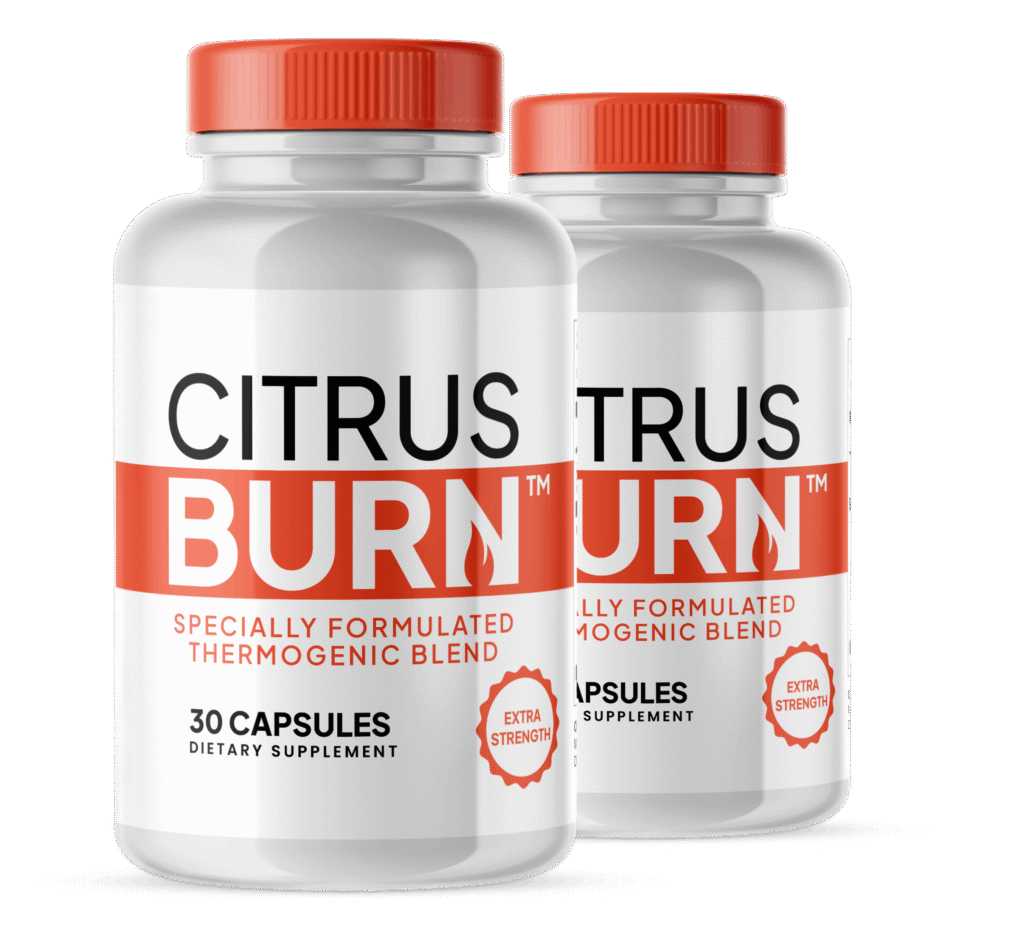
Certain metabolism-focused supplements, such as CitrusBurn, combine ingredients like Andalusian red pepper and Seville orange peel extracts that are commonly associated with thermogenic and metabolic support. These ingredients are often included in formulations designed to complement healthy eating habits and active lifestyles throughout the day.
However, it is important to remember that supplements work best when combined with balanced nutrition, regular physical activity, proper sleep, and long-term healthy lifestyle habits rather than being viewed as a standalone solution.
What Is CitrusBurn?
CitrusBurn® is a plant-based daily metabolism support supplement formulated with citrus extracts, ginger, and thermogenic botanical ingredients. It is designed to complement balanced nutrition, regular movement, and healthy lifestyle habits rather than rely on heavy stimulants or extreme energy boosters.
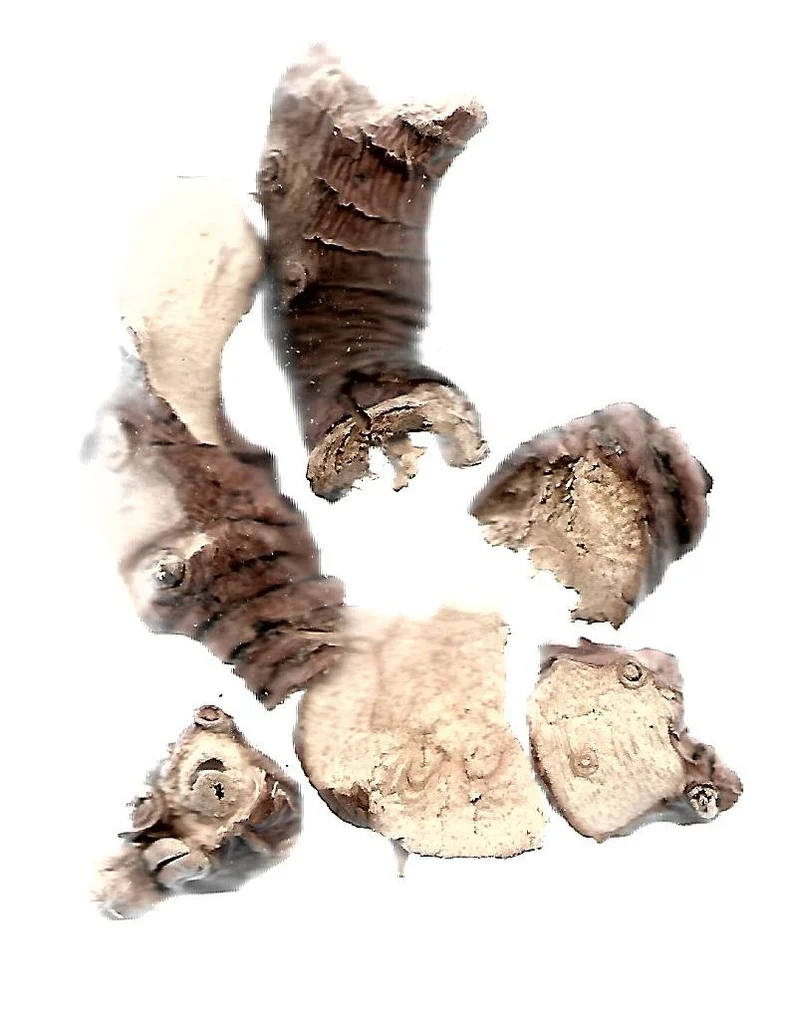
CitrusBurn formula combines ingredients and benefits such as Andalusian red pepper, Seville orange peel, Himalayan ginger, and Korean red ginseng. These botanicals are commonly associated with thermogenesis, energy support, and appetite management.
Unlike many stimulant-focused weight-management products, CitrusBurn is positioned as a more balanced, spice-inspired wellness supplement for individuals interested in natural metabolism-supporting ingredients. Its use of Andalusian red pepper, a mild relative within the pepper family, provides a gentler approach compared to highly pungent chili-based products.
The supplement is especially appealing to people who enjoy spice-based wellness routines and want a convenient way to incorporate metabolism-supporting botanicals into their daily regimen. However, like all supplements, CitrusBurn is most effective when paired with healthy eating patterns, regular exercise, hydration, and consistent lifestyle habits.
Read our blog post for a complete and honest CitrusBurn supplement review

FAQs About Gochugaru
Can I use Gochugaru instead of Gochujang (and vice versa)?
Not exactly. Although both are Korean chili ingredients, they serve very different purposes in cooking.
Gochugaru is a dry chili flake or powder. It adds clean chili heat, bright color, and texture to dishes like kimchi, soups, marinades, and stir-fries.
Gochujang is a thick fermented chili paste made with chili peppers, rice, soybeans, and salt. It has a rich, savory, slightly sweet flavor with deep umami notes.
If a recipe calls for Gochujang, simply adding Gochugaru will not provide the same fermented depth or sweetness. Likewise, replacing Gochugaru with Gochujang can change the texture and make a dish wetter and sweeter.
How spicy is gochugaru compared to cayenne?
Gochugaru is generally milder than cayenne pepper. It ranges from 3,000 to 30,000 Scoville Heat Units (SHU) depending on the variety, while cayenne typically falls between 30,000 and 50,000 SHU. In addition to its lower heat, gochugaru has a sweeter, fruitier, and slightly smoky flavor, making it less aggressive and more nuanced in culinary applications.
Can I substitute gochugaru with other chili flakes?
While substitutions like crushed red pepper or cayenne can work in a pinch, they lack gochugaru’s unique sweetness and texture. For the best results, seek out gochugaru for authentic Korean flavors.
Where can I buy authentic gochugaru?
Authentic gochugaru can be found at Korean grocery stores, specialty Asian markets, and reputable online retailers such as Amazon. When purchasing, look for products that are sourced from Korea, contain minimal or no additives, and are labeled as 100% red pepper flakes for the most authentic flavor and quality.
Does gochugaru have health benefits?
Yes. Gochugaru contains capsaicin, a natural compound known for its potential to boost metabolism, reduce inflammation, and support digestive health. It is also rich in vitamins A and C, which contribute to immune support and skin health.
How long does gochugaru last?
When stored properly in an airtight container away from heat, light, and moisture, gochugaru can retain its quality for up to 12 months. For extended shelf life—up to two years—store it in the refrigerator or freezer, especially if you live in a warm or humid climate.
Is gochugaru gluten-free?
Yes, pure gochugaru made from 100% dried red peppers is naturally gluten-free. However, always check the packaging, especially with imported or flavored blends, to ensure no additives or cross-contamination with gluten-containing ingredients.
Is Gochugaru the same as standard red pepper flakes?
No, Gochugaru is quite different from the standard crushed red pepper flakes commonly sprinkled on pizza.
Traditional Gochugaru is usually made from sun-dried Korean red chili peppers with most of the seeds removed. This gives it a vibrant red color, a slightly smoky aroma, mild sweetness, and a smoother heat. The texture is also softer and more flaky. Gochugaru adds warmth, color, and depth rather than aggressive heat.
Standard red pepper flakes, on the other hand, usually contain the seeds and inner membranes of different chili varieties. This makes them much sharper, harsher, and often noticeably hotter.
Why is my Gochugaru turning brown?
Gochugaru naturally loses its bright red color over time when exposed to air, light, heat, or moisture. This browning happens because the chili pigments and natural oils slowly oxidize. As the color fades, the flavor also becomes duller and less fresh.
Common causes include:
- Storing it near the stove or sunlight
- Leaving the bag loosely sealed
- Exposure to humidity or warm temperatures
- Keeping it too long at room temperature
To keep Gochugaru fresh and vibrant for longer, store it in an airtight container away from light and heat.
Conclusion
Gochugaru is far more than just a chili flake. It is one of the signature ingredients that gives Korean cooking its rich color, gentle warmth, and unmistakable depth of flavor. Whether you are preparing authentic kimchi, spicy soups, marinades, stir-fries, or simply exploring Korean cuisine for the first time, learning how to choose, store, and use gochugaru properly can completely transform your cooking. From selecting high-quality sun-dried Korean peppers for their naturally sweet and smoky flavor to understanding the difference between coarse and fine grinds, every small detail helps create better results in the kitchen. By following these seven practical tips, you can avoid common mistakes, preserve freshness longer, and confidently bring authentic Korean flavor into everyday meals. Keep your gochugaru stored correctly, use it thoughtfully, and enjoy how this vibrant red spice adds warmth, balance, and bold character to countless dishes.
Medical Disclaimer:
The information provided in this article is for educational and informational purposes only and is not intended as medical advice. Always consult a qualified healthcare provider before starting any new dietary supplement, herbal remedy, or wellness routine, especially if you have underlying health conditions, are pregnant or breastfeeding, or are taking prescription medications.
Impu Irani is a cookbook author behind Leena Spices, where he shares practical, easy-to-follow guides on homemade spice blends, herbs, and natural cooking. His work helps home cooks create fresh, flavorful meals using simple ingredients and traditional methods. Download his free Spice Blending eBook and start your journey to cleaner cooking today!
Disclosure Note
We are committed to creating high-quality, helpful content for our readers. We do not accept payment in exchange for writing our articles, and we personally cover the costs of running this website, including hosting, tools, and maintenance.
To support the site, we display ads and may earn a small commission from affiliate links if you choose to make a purchase—at no extra cost to you.
Your support helps us continue sharing valuable content with the community.
If you’d like to support us, here are a few simple and free ways:
- Share our content with your friends and family
- Engage with us on social media
- Follow us on Facebook
You can also learn more by visiting our disclaimer page:
https://leenaspices.co.nz/disclaimer/
As a thank you, feel free to download our Free Spice Recipe eBook.
Download a Free Leena Spices Recipes Cookbook