Table of Contents
ToggleKey Takeaways: Horopito (New Zealand Pepper Tree)
What is horopito NZ?
Horopito (Pseudowintera colorata) is a native New Zealand evergreen shrub commonly known as the New Zealand pepper tree, valued for its strong peppery flavour and medicinal properties.
What makes horopito different from black pepper?
Horopito has a hotter, numbing heat caused by the compound polygodial, while black pepper’s heat comes from piperine. Horopito also offers antifungal and antimicrobial benefits, which black pepper does not.
What are the main health benefits of horopito?
Horopito is best known for its antifungal action, especially against candida. It also supports gut health, skin healing, pain relief, immune balance, and circulation.
Why is horopito effective against candida and fungal infections?
Horopito contains polygodial, which disrupts fungal cell membranes. This direct mechanism makes it effective against candida, thrush, athlete’s foot, and ringworm, with a lower risk of resistance.
Is horopito supported by traditional Māori medicine?
Yes. Horopito has been used in Rongoā Māori (traditional Māori healing)for centuries to treat toothache, stomach pain, fungal infections, skin conditions, and respiratory issues.
How is horopito used in cooking?
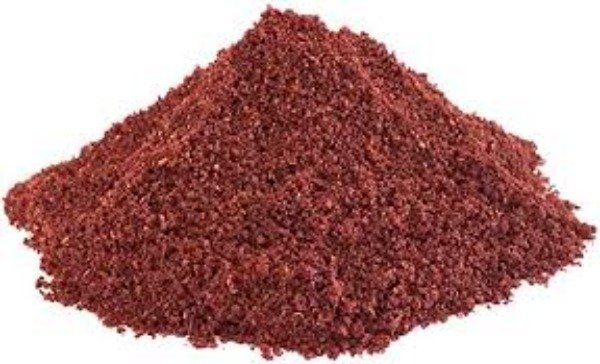
Dried and ground horopito leaves are used as a gourmet bush pepper, especially for seasoning meat, seafood, soups, sauces, and vegetables. Its strong flavour means only small amounts are needed.
Does horopito support gut health?
Yes. Horopito helps rebalance gut flora by targeting harmful yeast while preserving beneficial bacteria, making it useful for bloating, dysbiosis, and yeast-related digestive discomfort.
Can horopito be used for skin conditions?
Horopito is traditionally used both topically and internally for fungal skin infections, cuts, wounds, eczema flare-ups, and slow-healing skin, thanks to its antiseptic and circulation-boosting properties.
How is horopito different from kawakawa?
Horopito is potent and antifungal, while kawakawa is gentle and anti-inflammatory. Horopito targets infections; kawakawa soothes digestion, skin, and inflammation.
Is horopito safe to use?
Horopito is generally used in small culinary amounts or formulated supplements. Due to its potency, it should be used mindfully and in moderation, especially for sensitive individuals.
Why is horopito gaining global attention?
Horopito combines ancient Māori knowledge, modern scientific research, and culinary versatility, making it increasingly popular in natural health, functional foods, and gourmet cooking worldwide.


Impu Irani is the cookbook author behind Leena Spices , where he shares easy homemade spice blend recipes and practical cooking tips. Read more about him at the end of this post.
What Is Horopito? (New Zealand Pepper Tree)
Horopito (Pseudowintera colorata), commonly known as the New Zealand pepper tree, is an evergreen shrub or small tree native to New Zealand’s forests. Revered for both its intense peppery flavour and powerful medicinal properties, horopito holds a unique place in Māori rongoā (traditional medicine) and modern culinary and wellness applications.
Belonging to the ancient Winteraceae family, horopito is considered one of the world’s most primitive flowering plants.
Horopito is often described as a horopito 65 million year old medicinal plant because its ancient lineage dates back more than 65 million years. This remarkable native New Zealand plant has survived dramatic climate changes and evolving ecosystems, making it one of the oldest and most resilient plants still growing today.
Its long evolutionary history, combined with its natural potency and unique peppery compounds, has made horopito one of New Zealand’s most valued native botanicals.
Horopito has a long history of traditional healing, and many people explore horopito medicinal uses for digestive support, fungal balance, skin health, and overall wellness. Known for its strength, resilience, and traditional medicinal value, horopito continues to be appreciated for both its cultural importance and distinctive character.
Botanical Characteristics of Horopito
Horopito grows naturally in forest understorey environments, from lowland to montane regions across New Zealand.
- Plant type: Evergreen shrub or small tree
- Height: Typically 1–2.5 metres, occasionally reaching up to 5 metres
- Leaves: Leathery, yellow-green leaves with distinctive red or purple blotches and darker undersides
- Growth habit: Slow-growing and hardy, adapted to damp forest conditions
The red mottling on the leaves signals the presence of powerful bioactive compounds that protect the plant from insects and grazing animals.
Why is Horopito called "Pepper Tree"?
Horopito is often called the “Pepper Tree” because its leaves have a hot, sharp, peppery taste that can leave a warm burning sensation in the mouth.
This spicy flavor comes from a natural compound called polygodial, which gives horopito its distinctive fiery bite. The plant produces this compound as a natural defense against insects and fungi.
Despite its nickname, horopito is not a true pepper plant. The name “Pepper Tree” is simply a common description based on its spicy taste, not its botanical family. It is different from the true pepper family that includes plants such as Kawakawa and black pepper.
The Key Active Compound: Polygodial
The power behind horopito lies in polygodial, a naturally occurring bioactive compound concentrated in the leaves.
Polygodial is scientifically recognised for its:
- Strong antifungal activity
- Antibacterial and antimicrobial effects
- Anti-inflammatory properties
Research shows polygodial is particularly effective at disrupting the cell membranes of Candida species, including Candida albicans. This explains horopito’s long-standing use for fungal infections and its growing popularity in modern natural health products.
Horopito Traditional Māori Uses (Rongoā Māori) Plant Medicine
Horopito is widely recognized as a horopito New Zealand native herb healing plant. This is because of its deep roots in traditional Māori herbal practices and its remarkable evolutionary history. For centuries, ancient Maori healing plant medicine, horopito has been a cornerstone of Māori traditional medicine, valued for its warming and cleansing properties.
Horopito leaves were used to:
- Relieve toothache and pain (often called the “Māori painkiller”)
- Support digestive health and ease stomach discomfort
- Treat respiratory issues, including colds and chest congestion
- Address skin conditions, such as ringworm, fungal infections, and wounds
Modern Wellness and Medicinal Use
Many people explore Horopito as a natural option for horopito candida treatment because its active compound polygodial has strong antifungal properties that may help support healthy yeast balance and gut wellness. Today, horopito is widely studied and used in natural antifungal supplements, creams, and digestive health formulas.
Horopito is widely known as a natural antifungal for candida overgrowth, because its active compound polygodial may help support healthy yeast balance and discourage excessive Candida growth in the body
- Thrush and fungal skin conditions
- Gut health and microbial balance
Its effectiveness, combined with its natural origin, has made horopito especially popular across New Zealand, Australia, and the wider Asia-Pacific wellness market.
Culinary Uses of Horopito
Beyond medicine, horopito has earned respect as a distinctive gourmet spice.
Dried and ground horopito leaves are used to season:
- Red meats and game
- Seafood
- Soups, stews, and sauces
- Vegetable dishes and marinades
- Horopito tea
Often described as New Zealand bush pepper, horopito adds depth, heat, and character without overpowering a dish when used correctly. It pairs especially well with native and modern fusion cuisine.
What Does Horopito Taste Like?
Horopito is not a typical herb. Often called the New Zealand Pepper Tree, it has a bold and unusual flavor that changes as you taste it.
When you chew a fresh horopito leaf, the flavor develops in stages:
- At first, the taste is mild, fresh, and slightly herbal with gentle earthy and citrus notes.
- A few seconds later, deeper woody and slightly sweet flavors begin to appear.
- Then the heat arrives. Horopito creates a strong peppery bite that spreads across the mouth, followed by a warm tingling sensation on the tongue and lips.
The heat is different from chilli. Instead of a fiery burn, horopito produces a warming, numbing feeling that many people compare to Sichuan peppercorn or a mild clove-like sensation. This unique effect comes from a natural compound called polygodial, which is also known for its antifungal properties.
Underneath the spicy kick, horopito has earthy and slightly resinous flavors with hints of pine and citrus, reflecting its New Zealand rainforest origins. Some people also notice a faint bitterness at the end.
Because it packs a intense, delayed fiery bite, precise measuring is key. Use our free Kawakawa and Horopito Cooking Ratio Calculator to safely find the exact teaspoon or leaf measurements for your dinner tonight.
What are the Health Benefits of Horopito?
Horopito (Pseudowintera colorata) is best known for its powerful antifungal and antimicrobial properties, driven primarily by a unique bioactive compound called polygodial. This compound has helped the plant survive for over 65 million years and is the reason horopito is now widely studied and used in both traditional Māori medicine (rongoā) and modern natural health formulations.
1. Powerful Antifungal Support
Horopito is internationally recognised for its effectiveness against fungal and yeast infections, particularly Candida albicans.
- Horopito for Candida & Thrush: It helps manage yeast overgrowth linked to oral thrush, vaginal thrush, and gut candida. It is known as a natural candida treatment without antibiotics. Many people look into horopito for vaginal thrush natural relief
- Skin Fungal Infections: Effective against ringworm, athlete’s foot, jock itch, and fungal nail infections.
- Unique Mechanism: Polygodial disrupts fungal cell membranes, causing the yeast to break down rather than adapt—reducing the risk of resistance.
- Clinical Interest: Research has shown horopito extracts to perform comparably to some pharmaceutical antifungals, with lower relapse rates in certain applications.
This makes horopito particularly valuable where fungal resistance to conventional treatments is a concern.
2. Digestive and Gut Health Benefits
It is often associated with horopito gut health support due to its long history of use in traditional medicine for digestive discomfort and gut imbalance. It has been used to help support a balanced gut environment and promote overall digestive wellbeing.
- Helps restore microbiome balance by targeting pathogenic yeast without harming beneficial bacteria
It is often used in traditional herbal practices for horopito for bloating and digestive issues because its warming, peppery compounds may help support digestion, ease gas buildup, and promote overall gut comfort. It has been known for stomach pain, bloating, diarrhoea, and gut inflammation.
- May support symptoms associated with IBS, dysbiosis, and yeast-related digestive issues
- Its mild astringent action helps reduce excess mucus and soothe the digestive lining
3. Anti-Inflammatory and Natural Pain Relief
Known traditionally as the “Māori painkiller,” horopito offers both internal and external pain relief.
- Helps reduce joint and muscle pain, stiffness, and inflammation
Horopito being natural painkiller toothache provides a mild numbing effect
- Contains compounds that help regulate inflammatory pathways (including COX-related enzymes)
- Useful for inflammatory conditions such as arthritis, gut inflammation, and skin irritation
To take horopito for joint pain and inflammation is discussed in tradional herbal use. Its natural compounds may help support the body’s inflammatory response and promote general comfort in sore or achy joints.Its warming nature also supports circulation, enhancing its pain-relieving effects.
4. Skin Healing and Topical Support
Horopito is traditionally used for horopito for skin conditions because of its natural antifungal and antibacterial properties. It has been applied in topical preparations to help support the management of issues such as athlete’s foot, ringworm, and minor skin irritations, while also promoting overall skin balance and comfort.
- Natural antiseptic for cuts, wounds, burns, and abrasions
- Helps manage fungal-related skin issues such as eczema flare-ups, acne, and psoriasis
- Improves blood flow to affected areas, aiding tissue repair
- Traditionally used for chilblains, bruises, and slow-healing skin
Horopito is used in traditional herbal care as a natural remedy for eczema and fungal skin issues. It may help support skin balance and comfort, especially in cases where irritation is linked to microbial or fungal overgrowth, though it is typically used as a supportive topical option rather than a standalone treatment. Both internal and topical applications have been used historically, depending on the condition.
5. Antibacterial and Antimicrobial Properties
In addition to its antifungal strength, horopito shows activity against a range of harmful microbes.
- Demonstrates antibacterial effects against organisms such as Staphylococcus aureus and coli
- Helps disrupt microbial biofilms, making pathogens easier for the immune system to manage
- Supports overall immune defence, particularly during times of stress or seasonal illness
Emerging research has also explored its role in viral defence, including interest in cold sore management.
6. Respiratory and Immune Support
Horopito has traditionally been used as a warming, cleansing herb for respiratory health.
- Acts as a mild expectorant, helping clear excess mucus
- Supports the body during coughs, colds, and winter wellness
- Traditionally used to ease chest congestion and support breathing
- Helps modulate immune response rather than overstimulating it
7. Promotes Circulatory Warmth
Horopito has a natural “peppery” heat that creates a gentle warming sensation in the body. This may help support healthy circulation by encouraging blood flow and stimulating digestive activity. Many people find this warming effect comforting, especially after meals.
Important Note: While Horopito has a long history of use, it should be taken in moderation, as it may have mild laxative or sedative effects. Always consult a qualified healthcare professional before using Horopito for medicinal purposes, especially if you are pregnant, breastfeeding, or taking other medications.
Can I Drink Horopito Tea Daily for Systemic Inflammation?
In small amounts, horopito tea is generally used as an occasional wellness drink. Some people do drink it regularly, but daily long-term use should be approached carefully because:
- It is a highly potent, spicy herb that can irritate sensitive stomach or gut lining
- The active compound polygodial is strong and may cause digestive discomfort in higher or frequent doses
- Evidence for treating systemic inflammation long-term in humans is still limited
How to use it more safely
If someone chooses to drink Horopito tea, it’s best to use it carefully and in moderation:
- Start with a weak infusion by using only a small amount of dried leaf
- Drink it with or after food, not on an empty stomach
- Avoid over-steeping, as this increases its strength and pungency
- Prefer occasional use rather than continuous daily consumption
This helps reduce the chance of stomach irritation while still allowing you to experience its traditional herbal benefits.
Important Cautions
Horopito tea is not suitable for everyone and should be used carefully or avoided in certain situations.
It is best to avoid or only use it under professional guidance if you have:
- Pregnancy or breastfeeding
- Gastritis, stomach ulcers, or severe acid reflux
- A very sensitive digestive system
Because horopito is a strong, active herb, it may irritate the stomach or digestive tract in sensitive individuals.
Horopito tea can be seen as a supportive traditional herbal infusion, but it should not be relied on as the primary daily solution for systemic inflammation.
- While it contains natural compounds like polygodial that show anti-inflammatory activity, its strongest traditional and scientific associations are with digestive support and antimicrobial effects rather than long-term management of chronic inflammation throughout the body. For ongoing systemic inflammation, it is generally better to use a broader, balanced approach rather than depending on a single potent herb.

Stop Buying Stale, Store-Bought Spice Packets.
Create your own fresh, spice blends using authentic recipes from India, Asia, the Middle East, and the West. Get “Homemade Spice Secrets” and learn how to craft 200+ global herbs and spices. Unlock deeper, richer flavors, and replace store-bought mixes with pure, homemade natural ingredients—free from preservatives and fillers.
What is the Difference Between Horopito and Kawakawa?
Difference Between Horopito and Kawakawa (New Zealand Native Plants)
| Feature | Horopito | Kawakawa |
| Botanical Name | Pseudowintera colorata | Macropiper excelsum |
| Common Name | New Zealand Pepper Tree | Kawakawa |
| Plant Family | Winteraceae (ancient, primitive flowering plants) | Piperaceae (true pepper family) |
| Plant Type | Evergreen shrub or small tree | Evergreen shrub or small tree |
| Natural Habitat | Forest understory across most of New Zealand | Coastal and lowland forests, mainly North Island |
| Leaf Appearance | Leathery green leaves with red or purple blotches and blue-grey undersides | Large, bright green, heart-shaped leaves, often with insect holes |
| Flavour Profile | Very hot, sharp, peppery, numbing | Mildly peppery, aromatic, slightly sweet |
| Primary Active Compounds | Polygodial | Myristicin, elemicin, kavain-like compounds |
| Primary Medicinal Strength | Strong antifungal and antimicrobial | Anti-inflammatory and soothing |
| Main Traditional Use | Treating fungal infections, toothache, gut infections | General healing, digestion, skin care |
| Key Health Benefits | Candida control, thrush, athlete’s foot, circulation, acute pain relief | Digestive support, skin healing, inflammation relief |
| Digestive Action | Corrective and warming; targets infections | Gentle tonic; calms and restores digestion |
| Skin Use | Fungal skin conditions, circulation stimulation | Cuts, rashes, boils, bruises, eczema |
| Pain Relief Role | Known as the “Māori painkiller” for sharp pain | Used for aching joints and inflammation |
| Culinary Use | Dried and ground as a strong bush pepper spice | Commonly used as herbal tea |
| Overall Nature | Potent, targeted, corrective | Gentle, nourishing, restorative |
Botanical Differences
Horopito (Pseudowintera colorata)
Horopito belongs to the Winteraceae family, one of the world’s most ancient flowering plant families. It is a slow-growing evergreen shrub or small tree found throughout much of New Zealand’s forests.
- Leaves are leathery, green with distinct red or purple mottling and blue-grey undersides
- Grows as a shrub or small tree, typically 1–2.5 m, sometimes taller
- Extremely peppery and hot due to the compound polygodial
Kawakawa (Macropiper excelsum)
Kawakawa belongs to the Piperaceae family, the true pepper family, and is closely related to kava and black pepper.
- Leaves are large, bright green, and heart-shaped, often with insect holes
- Grows mainly in coastal and lowland forests, especially in the North Island and upper South Island
- Flavour is mildly peppery, aromatic, and slightly sweet
Active Compounds: Why They Work Differently
The biggest difference between horopito and kawakawa lies in their chemistry.
- Horopito’s key compound: Polygodial
A potent sesquiterpene responsible for horopito’s intense heat and strong antifungal and antimicrobial activity. - Kawakawa’s key compounds: Myristicin, elemicin, and kavain-like compounds
These provide anti-inflammatory, antiseptic, calming, and circulatory-supporting effects.
Because the compounds act differently in the body, each plant has a distinct therapeutic role.
Health and Medicinal Differences
Horopito: Targeted and Potent
Horopito is best described as strong and corrective.
- Renowned for antifungal action, especially against candida, thrush, athlete’s foot, and ringworm
- Traditionally used for toothache, sharp pain, gut infections, and circulation issues
- Acts aggressively against pathogens by disrupting microbial cell membranes
- Often referred to as the “Māori painkiller” for acute, intense discomfort
Kawakawa: Gentle and Restorative
Kawakawa works more as a soothing tonic.
- Primarily anti-inflammatory and antiseptic
- Traditionally used for stomach pain, indigestion, rheumatism, urinary support, and skin healing
- Commonly applied to cuts, boils, rashes, stings, and inflamed skin
- Considered the “heart of Māori medicine” for general healing and daily wellness
Digestive and Internal Use Comparison
Horopito is typically used when there is an active infection or imbalance, particularly fungal or microbial in nature. It provides a warming, stimulating effect on digestion.
Kawakawa, by contrast, is used as a digestive calmer, helping with bloating, IBS-type symptoms, and mild digestive discomfort without being harsh.
Culinary and Taste Differences
- Horopito: Intensely hot, sharp, and numbing. Used sparingly as a dried spice or “New Zealand bush pepper” in meats, sauces, and modern cuisine.
- Kawakawa: Earthy, aromatic, and mildly peppery. Most commonly used as a herbal tea or gentle flavouring.
Horopito vs Kawakawa Which is Better?
Horopito and Kawakawa simply do different jobs, and which one is “better” depends on what you need.
- Choose horopito if you are addressing fungal infections, candida overgrowth, acute pain, or microbial imbalance and need a strong, targeted effect.
- Choose kawakawa if you are looking to soothe inflammation, calm digestion, heal skin, or support general wellness in a gentle way.
While both plants are treasured taonga in New Zealand’s natural medicine tradition, horopito is corrective and powerful, while kawakawa is nourishing and restorative. In simple terms: horopito is more like a “targeted, potent support herb,” while kawakawa is a “soothing, calming everyday tonic.” Knowing the difference ensures each is used safely, respectfully, and effectively.
What are the benefits of combining Horopito and Kawakawa for digestive health?
Benefits of Combining Horopito and Kawakawa for Digestive Health
Combining Horopito and Kawakawa is a traditional approach in Rongoā Māori that brings together two plants with different but complementary effects on the digestive system.
Rather than working in the same way, they support digestion from two different angles, which is why the combination is often valued for gut balance, comfort, and overall digestive wellbeing.
How they work together
- Horopito helps support a healthy gut environment by acting against unwanted microbes and yeast, while also stimulating digestive activity with its warm, peppery compounds.
- Kawakawa works more gently on the digestive system, helping to relax the gut, ease cramping, and soothe irritation.
In simple terms:
Horopito mainly supports gut cleansing and microbial balance
Kawakawa mainly helps with soothing and calming the digestive tract
Together, they offer a balanced approach — one supports gut environment, while the other helps ease digestive discomfort.
Key digestive benefits of the combination
- Supports gut balance – Horopito helps maintain microbial balance, while Kawakawa supports a calmer digestive environment
- Reduces bloating and discomfort – Kawakawa helps relax the gut, while Horopito may reduce fermentation-related gas and heaviness
- Soothes and supports digestion – Kawakawa eases irritation and cramping, while Horopito gently stimulates digestive function
- Anti-inflammatory + antimicrobial support – Together they offer broad traditional support for overall digestive wellbeing
Why the pairing works well
This combination is valued because the two plants work in a complementary way:
Horopito supports the underlying gut environment and microbial balance
Kawakawa supports the physical comfort of the digestive system
Together, they create a more balanced approach to digestive wellbeing—one focuses on the internal gut environment, while the other helps soothe and calm digestive discomfort.
Together, they provide a more balanced herbal approach than using either plant alone, especially for people looking for gentle, food-based digestive support.
Is Horopito Safe to Take Every Day?
Yes, horopito can be taken daily, but only within careful limits depending on its form, dosage, and how long it is used.
It is a potent herbal plant, so while small culinary amounts are generally fine for regular use, stronger forms like tea or extracts should be used more cautiously and often in cycles rather than continuously long-term.
1. Daily use as herbal tea
Drinking horopito tea daily can be done by some people, but it is best treated as a short-cycle herb rather than a constant daily drink.
- Many herbal traditions suggest a “3 weeks on, 1 week off” cycle
- This helps prevent irritation to the digestive lining
- Strong or over-steeped tea increases the chance of stomach discomfort
In simple terms: daily use is possible, but not meant to be continuous long-term for everyone.
2. Daily use as a culinary spice
When used in very small amounts as a food seasoning, Horopito is generally considered much safer for regular use.
- The amount of active compound is very low in culinary use
- It is similar to using black pepper or chilli flakes in everyday cooking
- It can be used more freely as a flavouring in daily meals
In this form, horopito adds a gentle peppery heat without the intensity of a strong herbal preparation.
Who should avoid or be cautious with daily use
Even in small or herbal amounts, daily horopito is not suitable for everyone.
Avoid or seek professional advice before using Horopito if you are in any of the following situations:
- Pregnant or breastfeeding (safety has not been well established)
- Experiencing gastric issues such as ulcers, gastritis, or severe acid reflux
- Living with epilepsy or seizure disorders (theoretical neurological concerns)
- Highly sensitive to spicy or pungent herbs
- Considering use for young children (no standard dosing has been established)
Because horopito is a strong, active herb, these precautions help reduce the risk of irritation or unwanted effects.
What Are the Side Effects of Horopito?
Horopito is generally considered a well-tolerated medicinal herb when used in appropriate doses. Most side effects are mild, temporary, and related to its natural “peppery heat” compound called polygodial. However, because it is a biologically active plant, some people may still experience reactions. It normally happens especially at higher doses or when first starting.
1. Most Common Side Effects (Digestive Reactions)
The most frequently reported effects involve the digestive system. These are usually mild and dose-dependent:
- Nausea, especially when taken on an empty stomach
- Warm, burning, or tingling sensation in the stomach or throat
- Mild stomach cramping or discomfort during the first few days
- Loose stools in some people, especially with stronger doses
- Temporary heartburn or “peppery burps”
These effects usually improve quickly as the body adapts, and they are often reduced or avoided by taking horopito with food.
2. Herxheimer (“Die-Off”) Reaction
In some people, Horopito may trigger a short-term detox-like response when it begins reducing unwanted microbes such as yeast in the gut.
As these organisms break down, they can release byproducts that temporarily stress the body. Possible symptoms include:
- Fatigue or brain fog
- Headaches
- Flu-like feelings (aches, chills, low energy)
- Skin flare-ups such as rashes or acne
- Temporary bloating or digestive upset
- Mood changes or irritability
This reaction is usually short-lived and tends to improve as the body adjusts. Starting with a lower dose often helps reduce its intensity.
3. Less Common Side Effects
Some users may experience additional, less frequent effects:
- Reduced appetite in some cases
- Increased sensitivity to spicy foods
- Mild skin flushing or itching
- Temporary digestive imbalance during adjustment
These are generally mild and not long-lasting.
4. Topical Use Side Effects
When used on the skin (for example in creams or antifungal applications), horopito may cause:
- Mild warming or tingling sensation (normal and expected)
- Redness or irritation on sensitive skin
- Contact dermatitis in rare cases
A patch test is recommended before using it on sensitive areas.
Who Should Be Extra Cautious
Horopito may not be suitable for everyone. Extra caution or professional advice is recommended if you are:
- Pregnant or breastfeeding (safety not well established)
- Living with epilepsy or seizure disorders (theoretical neurological concern)
- Having gastritis, ulcers, or severe acid reflux
- Highly sensitive to spicy or pungent herbs
- Considering use for young children (no standard dosing established)
Most side effects from Horopito are mild, temporary, and dose-related, especially digestive warmth or irritation. More noticeable effects can occur during the early “adjustment phase” or when using strong doses.
Overall, it has a good safety profile when used appropriately, but it is a potent herb that should be respected and used in moderation.
Is Horopito Safe During Pregnancy or Breastfeeding?
Horopito is not considered safe for use during pregnancy or breastfeeding, and most herbal practitioners, supplement brands, and traditional guidelines recommend avoiding it during these stages.
This is mainly due to its strong, biologically active compound (polygodial) and the lack of clinical safety studies in pregnant or breastfeeding women.
Why it is avoided during pregnancy
During pregnancy, extra caution is needed with all potent herbs. Horopito is considered unsuitable because:
- It contains active compounds that may influence smooth muscle activity
- There is a theoretical risk of stimulating uterine contractions
- It acts as a strong warming and stimulating herb, which is traditionally avoided in pregnancy
- There are no human safety studies confirming it is safe for fetal development
Because of this, most experts take a precautionary approach and recommend complete avoidance.
Why it is avoided during breastfeeding
Horopito is also not recommended while breastfeeding because:
- Active plant compounds may pass into breast milk in small amounts
- These compounds could potentially affect a baby’s sensitive digestive system
- Strong herbs may change the taste of breast milk, which can lead to feeding refusal or digestive discomfort in infants
- Infant systems are still developing and are more sensitive to bioactive plant compounds
Related Posts You May Want to Read
7 Essential Dried Kawakawa Tips: Benefits, Storage & Recipes from New Zealand’s Native Herb
What Are Dried Chives? 7 Nutrition and Health Benefits | Leena Spices
What Is Moringa? 7 Health Benefits & Nutrition of Leaves and Powder | Leena Spices
Top 8 Herbs for Postpartum Recovery: Natural Lactation & Healing Support for New Moms
Frequently Asked Questions (FAQs) About Horopito
How does horopito taste and how is it used in cooking?
Horopito leaves are hot, spicy, and slightly numbing, with a bold “bush pepper” flavour. Dried and ground leaves are used to season meats, seafood, soups, sauces, and vegetable dishes, providing a unique New Zealand culinary experience.
Can horopito replace black pepper in recipes?
Yes, horopito can be used as a bush pepper substitute, but it is stronger and more pungent than black pepper. Start with small amounts to avoid overpowering dishes and experiment in marinades, sauces, and roasted meats.
How should horopito be stored?
Store dried horopito leaves or powder in an airtight container, away from heat, light, and moisture. Proper storage keeps the peppery flavour and bioactive compounds intact for up to 12 months.
How can horopito be used for gut health?
Horopito targets harmful yeast in the gut without harming beneficial bacteria, helping to balance intestinal flora. It may relieve bloating, digestive discomfort, dysbiosis, and mild IBS symptoms when used in culinary or supplemental forms.
Can horopito be used topically for skin?
Yes, horopito has antiseptic and antifungal properties. It can be applied (in creams or infused oils) to treat fungal infections, cuts, bruises, eczema, or slow-healing skin, but always test for sensitivity first.
What is the best way to use horopito in daily cooking?
Add a pinch of dried, ground horopito to soups, sauces, roasted vegetables, or marinades. Its strong, peppery flavour enhances dishes and introduces the unique taste of New Zealand bush pepper.
Are there any safety precautions when using horopito?
Horopito is safe in small culinary amounts. Because of its potent antifungal compounds, avoid large doses without guidance. Pregnant or breastfeeding individuals and people with sensitive stomachs should consult a health professional before use.
Disclaimer:
The content on this blog is intended for educational, informational, and culinary purposes only. While we provide detailed information on horopito (Pseudowintera colorata), its traditional uses, health benefits, and culinary applications, this content is not a substitute for professional medical, nutritional, or health advice.
Always consult a qualified healthcare professional before using horopito or any herbal supplement, especially if you are pregnant, breastfeeding, have existing medical conditions, or are taking prescription medications. Individual results may vary, and the information provided may not be suitable for everyone.
By reading and using this blog, you acknowledge that the authors and publishers are not responsible for any adverse effects or outcomes resulting from the use of horopito or any related content.
All efforts are made to ensure the accuracy and reliability of the information, but we make no guarantees regarding completeness, currentness, or suitability for individual

Impu Irani is a cookbook author behind Leena Spices, where he shares practical, easy-to-follow guides on homemade spice blends, herbs, and natural cooking. His work helps home cooks create fresh, flavorful meals using simple ingredients and traditional methods. Download his free Spice Blending eBook and start your journey to cleaner cooking today!
Disclosure Note
We are committed to creating high-quality, helpful content for our readers. We do not accept payment in exchange for writing our articles, and we personally cover the costs of running this website, including hosting, tools, and maintenance.
To support the site, we display ads and may earn a small commission from affiliate links if you choose to make a purchase—at no extra cost to you.
Your support helps us continue sharing valuable content with the community.
If you’d like to support us, here are a few simple and free ways:
- Share our content with your friends and family
- Engage with us on social media
- Follow us on Facebook
You can also learn more by visiting our disclaimer page:
https://leenaspices.co.nz/disclaimer/
As a thank you, feel free to download our Free Spice Recipe eBook.
Download a Free Leena Spices Recipes Cookbook