New Zealand’s native bush is packed with spectacular, vibrant flavors that you simply cannot find anywhere else in the world. Among these, Kawakawa and Horopito stand out as the absolute royalty of native Kiwi botanicals.
However, because these plants evolved to protect themselves in the wild, their flavor profiles are incredibly potent. Horopito (known as the “Māori Pepper Tree”) packs a sharp, delayed fiery punch, while Kawakawa features a deep, earthy, camphor-like warmth that can easily turn bitter or leave a numbing sensation if overused.
If you have fresh leaves growing in your garden or a packet of dried ground spice in your pantry, you might be terrified of ruining your dinner. You are not alone! The secret to mastering these incredible ingredients lies entirely in the ratios.
In this complete culinary masterclass, we are breaking down the exact golden rules, flavor pairings, and foolproof measurements so you can confidently bring the authentic taste of the New Zealand bush into your everyday home cooking.

Impu Irani is the cookbook author behind Leena Spices , where he shares easy homemade spice blend recipes and practical cooking tips. Read more about him at the end of this post.
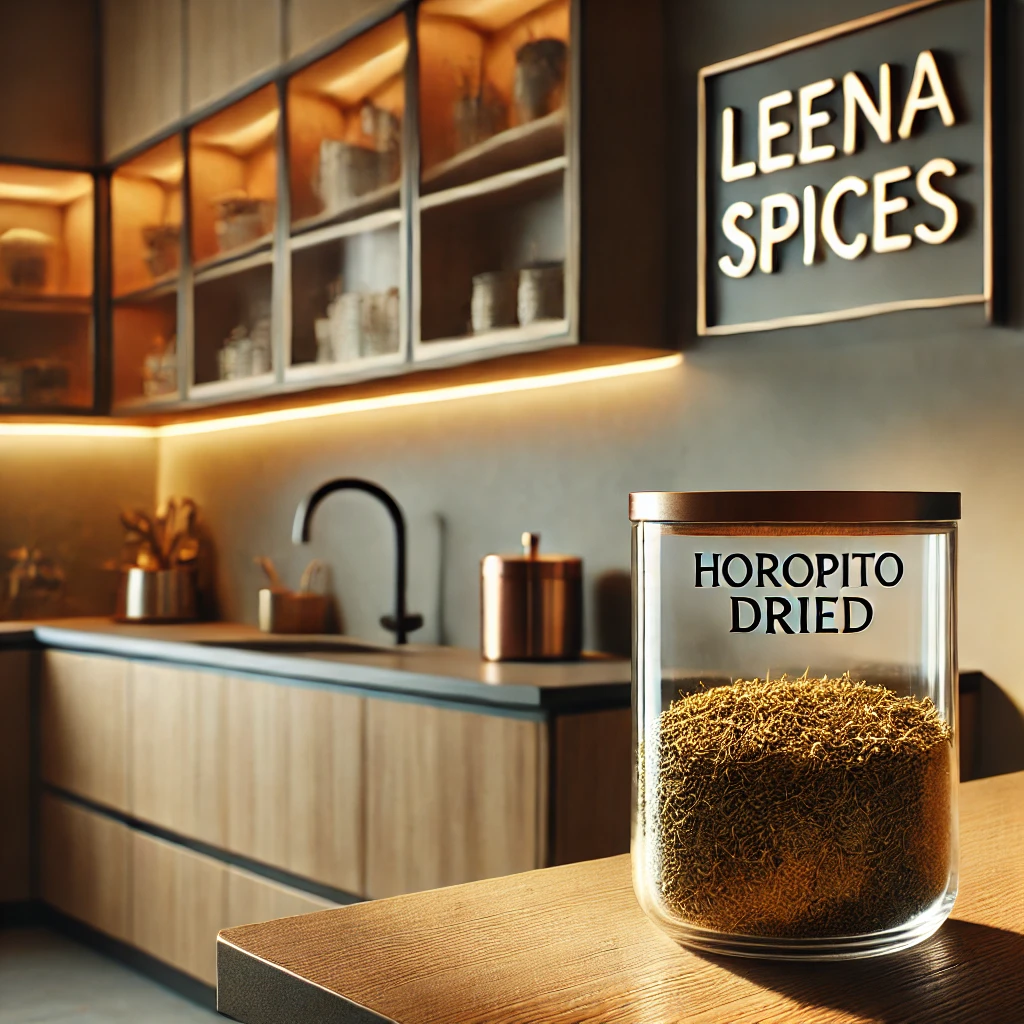
Table of Contents
ToggleThe Horopito Blueprint: Mastering the "Māori Pepper"
Horopito is one of the world’s most unique ancient flowering plants. When you first taste a leaf, it starts with a fresh, slightly citrusy, and herbaceous baseline. But give it a few seconds—a slow-building, intensely peppery heat will bloom right at the back of your throat.
Because Horopito heat behaves differently than traditional black pepper or chili flakes, a little bit goes an incredibly long way.
⚖️ The Horopito Golden Ratio
To keep the heat pleasant and aromatic rather than overwhelming, stick to this foundational rule of thumb for your main dishes:
The Golden Ratio: Use 1/4 teaspoon of dried ground Horopito (or 2 small, finely minced fresh leaves) per 500g (1 lb) of meat or vegetables.
🥩 Best Culinary Pairings for Horopito
Horopito thrives when paired with rich, robust flavors that can stand up to its fiery profile. It acts as a natural flavor enhancer for:
- Red Meats: It is absolutely spectacular on New Zealand lamb, beef ribeye, and venison.
- Earthy Root Vegetables: Toss roasted kūmara (sweet potato), carrots, and pumpkins in a light dusting of Horopito before baking.
- Acidic Bases: It pairs beautifully with lemon zest, red wine reductions, and wild berries like blackberries or blueberries.
🧂 Recipe Hack: The Ultimate Everyday Horopito Rub
Want an easy way to use Horopito safely every single day without measuring from scratch? Mix up a batch of this simple pantry rub:
- 3 Tablespoons coarse sea salt
- 1 Tablespoon dried rosemary
- 1 Teaspoon ground Horopito
Mix thoroughly and store it in a small spice jar. Use it as a premium seasoning salt on your grilled steaks, roasted chicken, or evening wedge chips!
The Kawakawa Blueprint: The Earthy Refreshment
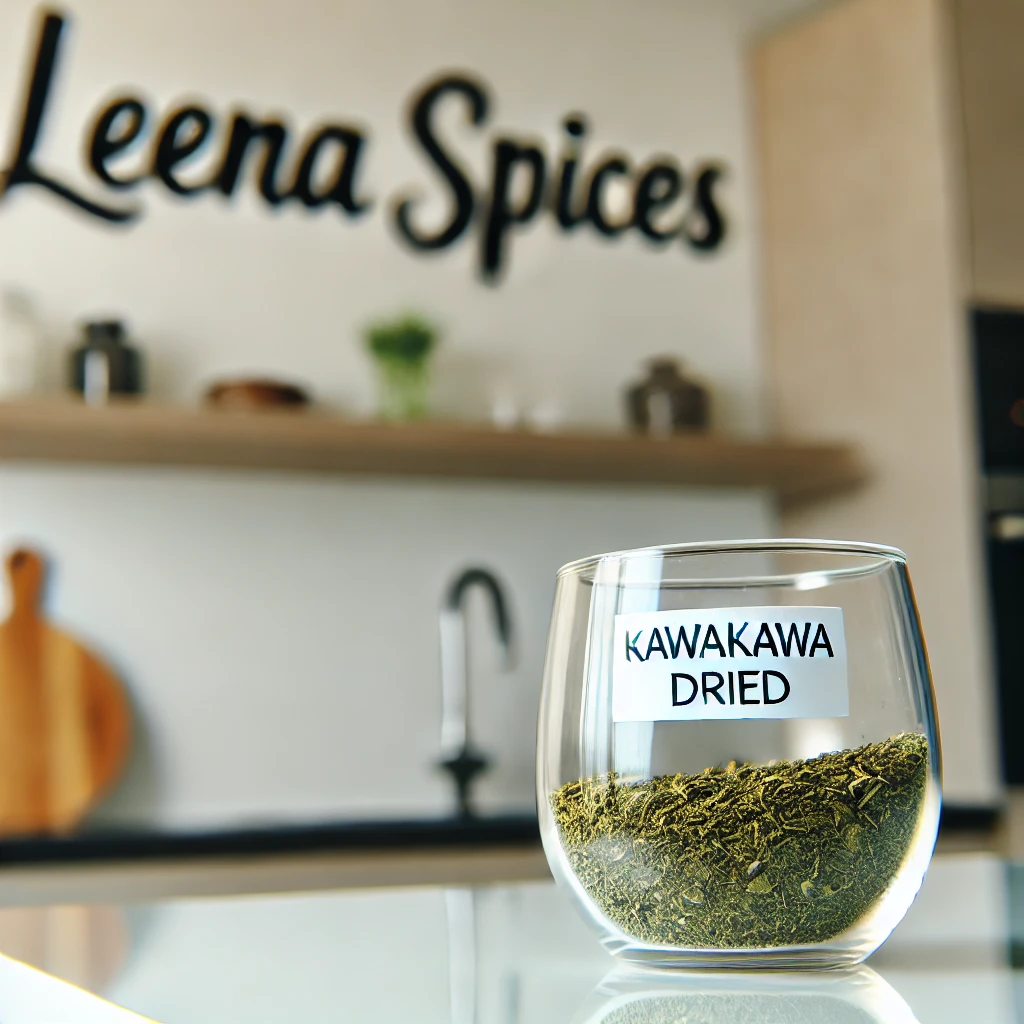
If Horopito is the fire of the New Zealand bush, Kawakawa is its refreshing, grounding soul. Belonging to the pepper tree family, Kawakawa leaves are instantly recognizable by their heart shape and the characteristic holes chewed into them by the native looper caterpillar (fun fact: the leaves with the most holes are often the sweetest and most potent!).
Kawakawa features a stunningly complex flavor profile: it is deeply peppery and sweet, with refreshing undertones of mint, anise (licorice), and basil, followed by a clean, slightly numbing camphor finish.
Because it carries so many distinct flavor notes, using the wrong amount can make a dish taste medicinal. But when balanced correctly, it adds an incredible gourmet depth to your cooking.
⚖️ The Kawakawa Golden Ratio
Kawakawa responds beautifully to heat, but you must respect its strength:
The Golden Ratio: Use 3 to 4 fresh leaves (or 1/2 teaspoon of dried ground Kawakawa) for every 4 cups (1 Liter) of liquid, soup base, or stew sauce.
If you are using whole fresh leaves in a simmering dish, tear them gently across the veins before throwing them in to release the essential volatile oils, and remove them before serving—just like you would with a traditional bay leaf.
🍲 Best Culinary Pairings for Kawakawa
Kawakawa’s anise and mint undertones make it incredibly versatile across both savory and sweet dishes:
- Poultry and Seafood: It pairs miraculously well with chicken marinades, grilled fish, and creamy seafood chowders.
- Stocks, Soups, and Stews: Use it as a aromatic baseline for slow-cooked venison stews or comforting root vegetable soups.
- Citrus and Ginger: It loves sharp, bright flavors. Combine it with lemon, lime, or fresh ginger to create vibrant glazes.
Mastering Native Oil & Butter Infusions
One of the absolute safest and most elegant ways to introduce both Horopito and Kawakawa into your kitchen is through a fat infusion. Essential oils from native botanicals are fat-soluble, meaning their flavors bind beautifully to oils and butter, mellowing out their harsh edges while preserving their fragrant aromas.
🧼 How to Make a Simple Native Finishing Oil
This infused oil is perfect for drizzling over warm bread, tossing with roasted potatoes, or using as a base for salad dressings.
- The Base: Take 1 cup of premium cold-pressed olive oil or avocado oil.
- The Native Blend: Add 4 dried Kawakawa leaves and 1/4 teaspoon of ground Horopito to a clean, dry glass jar.
- The Gentle Heat: Gently warm the oil in a saucepan until it is just warm to the touch (do not let it boil or smoke!), then pour it over the spices in the jar.
- The Steep: Seal the jar and let it steep in a cool, dark cupboard for 3 to 5 days. Strain out the botanicals, and you are left with a spectacular, emerald-tinted Kiwi finishing oil.
🎛️ Native Spice Strength Calculator
Select your dish type and enter the food weight or liquid volume to get safe, foolproof Kawakawa and Horopito ratios.
Your Safe Native Herb Ratios:
Frequently Asked Questions About Cooking with Kawakawa and Horopito
Can I use dried Kawakawa and Horopito instead of fresh leaves?
Yes! Dried ground native spices are highly concentrated and perfect for everyday cooking. As a general rule, 1/2 teaspoon of dried ground Kawakawa or Horopito is equal to roughly 3 to 4 fresh leaves. When using dried versions in rubs or marinades, give the dish a few minutes for the flavors to fully hydrate and bloom.
Can you eat whole Kawakawa leaves?
While you can technically eat them if they are finely minced, whole fresh Kawakawa leaves have a very tough, fibrous texture. It is highly recommended to use them like bay leaves—tear them slightly to release their aromatic oils, let them simmer in your sauce or tea, and remove them before serving your guests.
Why does my Horopito taste bitter instead of peppery?
If Horopito is exposed to intense, direct dry heat for too long, its delicate citrus notes burn off, leaving behind a bitter taste. To prevent this, always mix ground Horopito with a little bit of oil or fat first, or add it toward the final third of your cooking process rather than searing it in a dry pan.
Where can I buy authentic Kawakawa and Horopito if I don't live near the bush?
If you don’t have access to wild-growing native plants, you can purchase premium, sustainably sourced dried Kawakawa and Horopito through specialty online stores, allowing you to bring authentic New Zealand flavors straight to your kitchen table regardless of where you live.
Bring the Taste of the NZ Bush to Your Kitchen Today
Mastering native New Zealand botanicals doesn’t require a culinary degree—it just requires respecting their natural intensity. By starting with small, measured amounts and tracking your ratios using our calculator, you can confidently turn basic home dinners into spectacular, gourmet Kiwi showcases.
If you are eager to keep exploring the deep heritage of specialty ingredients, make sure to read up on the 7 Remarkable Facts and Proven Benefits of Horopito or try out these 7 Creative Ways to Use Dried Kawakawa in Your Kitchen to confidently elevate your cooking
Happy cooking, and let the flavors of the bush inspire your next meal!
Impu Irani is a cookbook author behind Leena Spices, where he shares practical, easy-to-follow guides on homemade spice blends, herbs, and natural cooking. His work helps home cooks create fresh, flavorful meals using simple ingredients and traditional methods. Download his free Spice Blending eBook and start your journey to cleaner cooking today!
Disclosure Note
We are committed to creating high-quality, helpful content for our readers. We do not accept payment in exchange for writing our articles, and we personally cover the costs of running this website, including hosting, tools, and maintenance.
To support the site, we display ads and may earn a small commission from affiliate links if you choose to make a purchase—at no extra cost to you.
Your support helps us continue sharing valuable content with the community.
If you’d like to support us, here are a few simple and free ways:
- Share our content with your friends and family
- Engage with us on social media
- Follow us on Facebook
You can also learn more by visiting our disclaimer page:
https://leenaspices.co.nz/disclaimer/
As a thank you, feel free to download our Free Spice Recipe eBook.
Download a Free Leena Spices Recipes Cookbook