Table of Contents
ToggleThe Mediterranean Spice Mistakes Every Experienced Home Cooks Make
My journey with homemade spice blends has always been about discovering the small details that transform an ordinary meal into something unforgettable. A few years ago, while exploring the world of Mediterranean flavors, I had the opportunity to sit down with a talented Mediterranean chef at one of Auckland, New Zealand’s finest restaurants. During our conversation, we discussed the art of balancing herbs, spices, and traditional techniques. Then he shared something that surprised me.
Many home cooks make simple mistakes when using Mediterranean spice blends. Sometimes it is the way spices are toasted, the timing of when they are added, or even choosing the wrong blend for a particular dish. These small details can completely change the final flavor.
After years of creating and testing homemade spice recipes, I’m sharing the valuable lessons I learned from that conversation. In this guide, we’ll uncover the most common Mediterranean spice mistakes and show you how to get the maximum flavor, aroma, and authenticity from every blend in your kitchen.
A Mediterranean spice mix is a fragrant blend inspired by the diverse cuisines of Greece, Italy, the Levant, and other countries bordering the Mediterranean Sea. It typically combines classic herbs such as oregano, rosemary, thyme, and basil with warm spices like cumin, coriander, paprika, and cinnamon to create a balanced, savory flavor. Many regional variations also draw inspiration from North African and Middle Eastern spice traditions, adding extra depth and complexity while remaining true to the vibrant character of Mediterranean cooking.

Impu Irani is a cookbook author behind Leena Spices, where he shares practical, easy-to-follow guides on homemade spice blends, herbs, and natural cooking. His work helps home cooks create fresh, flavorful meals using simple ingredients and traditional methods. Download his free Spice Blending eBook and start your journey to cleaner cooking today!
Disclosure Note
We are committed to creating high-quality, helpful content for our readers. We do not accept payment in exchange for writing our articles, and we personally cover the costs of running this website, including hosting, tools, and maintenance.
Your support helps us continue sharing valuable content with the community.
If you would like to support us, here are a few simple and free ways:
- Share our content with your friends and family
- Engage with us on social media
- Follow us on Facebook
As a thank you, we would love for you to enjoy our FREE Homemade Spice Recipe eBook. Download your complimentary copy and start creating fresh, flavorful spice blends in your own kitchen!
Ingredients and Flavor Profile - Mediterranean Spice Blend Made Of?
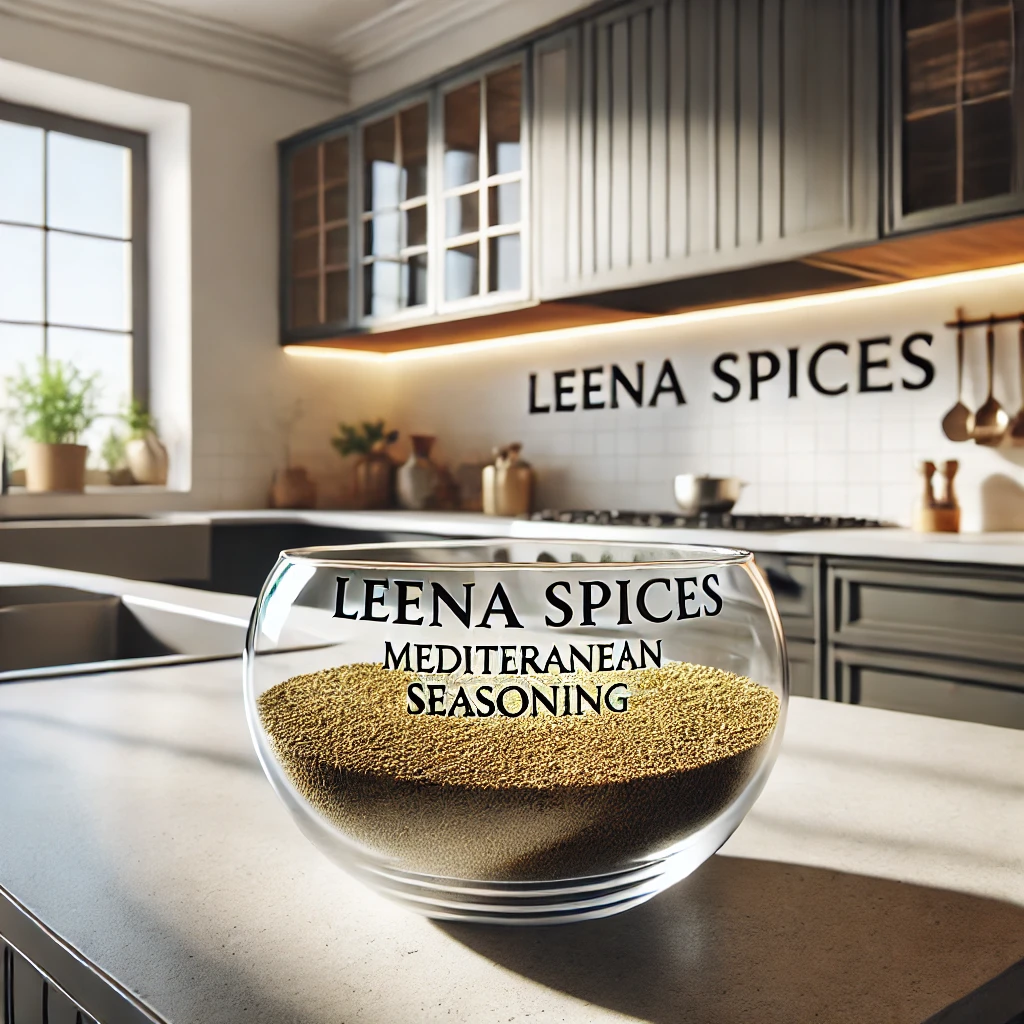
A Mediterranean spice blend is a fragrant mix of herbs and spices inspired by the sun-drenched cuisines of Southern Europe and the Middle East. This blend brings together warmth, depth, and a hint of sweetness perfectly capturing the essence of Mediterranean cooking.
A typical Mediterranean spice mix includes the following ingredients:
- Aniseed – Adds a delicate licorice-like sweetness that enhances both savory and roasted dishes.
- Cardamom (Green) – Offers a fresh, slightly citrusy aroma that brightens the blend and balances earthy spices.
- Cinnamon – Introduces gentle warmth and sweetness, common in both Mediterranean meat and vegetable recipes.
- Coriander – Brings a mild, nutty, and lemony undertone that complements cumin and garlic beautifully.
- Cumin – Provides an earthy depth and richness that forms the backbone of many Mediterranean spice blends.
- Garlic Powder – Adds savory intensity and enhances flavor without overpowering other herbs.
- Oregano – A signature Mediterranean herb with a bold, aromatic, and slightly bitter note, perfect for grilled meats and vegetables.
- Rosemary – Lends a pine-like fragrance that ties the blend to the classic flavors of coastal Mediterranean cuisine.
- Star Anise – Offers subtle sweetness and a hint of spice, rounding out the blend with a sophisticated finish.
Together, these ingredients create a balanced, aromatic mix ideal for seasoning lamb, chicken, seafood, roasted vegetables, or even Mediterranean-style stews.
The Balanced Mediterranean Blend
Prep time: 5 mins | Yield: Approx. ½ cup of seasoning
Dynamic Batch Scaler
Adjust the slider below to scale the ingredients based on your target batch size.
💡 Tap ingredients to check them off as you go!
💡 Why make bulk batches? Ground spices stay beautifully flavorful for up to 6 months when kept in dark, airtight storage jars away from steam.
Method
How to Blend It Perfectly
Follow these four simple phases to lock in maximum aroma and longevity.
Measure & Combine
Measure all the ingredients into a clean, completely dry mixing bowl.
💡 Pro Tip: Even a single drop of moisture can ruin the shelf life of dry herbs.Grind & Texture
Grind or crush the mixture using a spice grinder or mortar and pestle until it reaches a medium-fine, slightly textured consistency.
Even Distribution
Stir well to ensure the herbs and spices are evenly distributed throughout the blend.
Seal & Store
Transfer the seasoning to an airtight glass jar and store it in a cool, dry place away from direct heat and sunlight.
If you love getting the most flavor and value from premium ingredients like vanilla, cinnamon, and exotic cardamoms, we’ve gathered our best kitchen secrets into our collection of eBooks. From foolproof weeknight curries to artisan baking foundations, explore our digital shelf and discover recipes, techniques, and tips designed to help you cook with confidence.
Explore Our eBooks Collection →The Chef's Execution Guide: Golden Rules & Common Pitfalls for Mediterranean Rubs
Homemade Mediterranean rubs bring out the best in meats, seafood, and vegetables but a few small mistakes can make the difference between a perfectly balanced seasoning and a disappointing dish.
Phase 1: Creating the Blend
1. The “Dead Spice” Trap: Using Stale Herbs
One of the most common mistakes with Mediterranean spice blends is using old, lifeless herbs. Before adding dried rosemary, oregano, or other herbs to your blend, try this simple test: crush a small amount between your palms and check the aroma. If you can’t smell a fresh, fragrant burst of herbal oils, the herbs have likely lost their potency.
2. Skipping the Toasting Step
Toasting or gently warming whole spices like cumin or coriander before grinding helps release essential oils and deepen flavor. Skipping this step often results in a less aromatic blend.
3. Respect the Delicate Ingredients
Mediterranean herbs are delicate, and how you process them can make a big difference in the final flavor. A common mistake is grinding rosemary or other woody herbs for too long in a high-speed electric spice grinder. Instead of creating a flavorful seasoning, the herbs become a fine powder that loses aroma quickly and can burn easily when added to a hot pan.
4. Chef’s Insight: Keep Salt Separate
A professional spice blender knows that flexibility is just as important as flavor. By leaving salt out of the mix, you have complete control over the sodium level of every dish you create. Instead of relying on a pre-salted seasoning, add your preferred amount of sea salt directly to your meal before applying the spice rub. This allows you to adjust seasoning based on the ingredient, cooking method, and dietary preferences while keeping the aromatic herbs and spices balanced and vibrant.
Phase 2: Cooking with the Blend
1. The Wet Surface Failure: Always Dry Before Seasoning
One of the biggest mistakes when using a Mediterranean dry rub is applying it directly onto wet ingredients. Moisture from damp chicken, vegetables, or seafood creates steam during cooking, preventing the spices from properly adhering and developing those rich, roasted flavors.
For the best results, always pat your ingredients completely dry with a paper towel before seasoning. Apply a light coating of olive oil to help the spice blend stick, then generously coat the surface with your Mediterranean rub. This simple step encourages better browning, deeper flavor, and a beautifully aromatic crust.
2. Respect the Delicate Ingredients
Not every spice blend suits every ingredient. Mediterranean seasonings with warm, intense notes such as star anise, cinnamon, and other bold spices can easily overpower delicate foods when used too heavily.
For light, flaky white fish or mild seafood, apply the blend with a gentle hand to allow the natural flavors of the ingredient to shine. Save heavier coatings and stronger spice applications for robust ingredients like lamb chops, beef skewers, roasted meats, or hearty root vegetables, which can better balance the deeper aromatic notes.
3. Adding the Rub Too Late
For deeper flavor, apply the rub at least 30 minutes before cooking. This gives the herbs and spices time to penetrate the surface and infuse the dish.
4. Cooking at the Wrong Temperature
Cooking over very high heat can burn dried herbs and spices, especially those containing sugar or garlic powder. Opt for moderate heat to preserve aroma and avoid bitterness.
5. Forgetting to Bloom Spices
Before using your rub in marinades or sauces, “bloom” it briefly in warm olive oil. This technique releases essential oils, intensifying both aroma and taste.
The Ultimate Guide to Pairing Mediterranean Spices with Vegetables
Mediterranean Veggie Pairing Matrix
How to match your homemade spice blend with different vegetable groups for maximum flavor depth.
Summer & Nightshade Veggies
Zucchini, Eggplant, Bell Peppers, Tomatoes
Earthy & Root Vegetables
Potatoes, Carrots, Onions, Sweet Potatoes
Cruciferous & Green Veggies
Cauliflower, Green Beans, Broccoli
What Are the Best Cooking Oils to Pair with Mediterranean Spices?
The best oil depends on how you’re cooking. For salad dressings, marinades, dips, and finishing dishes, extra virgin olive oil (EVOO) is the top choice. Its rich, fruity, and slightly peppery flavor pairs beautifully with Mediterranean herbs like oregano, rosemary, thyme, and basil.
For grilling, pan-searing, or roasting at higher temperatures, choose an oil with a higher smoke point, such as avocado oil or grapeseed oil. These oils help the herbs and spices toast evenly without burning, preserving their natural aroma and preventing bitter flavors from developing.
Cooking Method | Best Oil | Why It Works |
Dressings & Dips | Extra Virgin Olive Oil | Rich flavor that complements Mediterranean herbs |
Marinades | Extra Virgin Olive Oil | Carries herbs and spices into the food |
Pan-Searing | Avocado Oil | High smoke point for even cooking |
Roasting | Avocado Oil or Grapeseed Oil | Helps spices brown without burning |
Grilling | Avocado Oil | Stays stable over high heat |
Frequently Asked Questions
What’s the difference between Mediterranean seasoning and Middle Eastern spice blends like Za’atar or Baharat?
Mediterranean seasoning shares some herbs with Middle Eastern blends but differs in balance and purpose. Za’atar often includes sesame seeds and sumac, offering a nutty-citrus flavor, while Baharat spice mix leans warmer with cinnamon, nutmeg, and cloves. Mediterranean blends emphasize herbaceous freshness, perfect for lighter, olive oil–based dishes.
Can I use Mediterranean seasoning in Asian or Pacific-style dishes?
Absolutely. Mediterranean seasoning enhances seafood, grilled meats, and vegetable dishes commonly found in Asia-Pacific cuisines. Try sprinkling it over stir-fried vegetables, grilled prawns, or even noodle salads for a unique fusion of bright herbal and earthy notes.
Can I substitute Mediterranean spice blend for other herb mixes?
Yes. It’s an excellent substitute for Italian seasoning, Greek herb blends, or even Herbes de Provence in many recipes. Just note that Mediterranean seasoning adds a slightly more complex, earthy, and citrusy flavor profile.
What’s the best way to use Mediterranean spices in vegetarian or vegan meals?
Mediterranean spices elevate plant-based cooking beautifully. Use them to season roasted vegetables, chickpea salads, lentil stews, tofu marinades, or grain bowls. The blend’s balance of herbs and spices adds depth without relying on salt or meat-based flavors.
Impu Irani is a cookbook author behind Leena Spices, where he shares practical, easy-to-follow guides on homemade spice blends, herbs, and natural cooking. His work helps home cooks create fresh, flavorful meals using simple ingredients and traditional methods. Download his free Spice Blending eBook and start your journey to cleaner cooking today!
Disclosure Note
We are committed to creating high-quality, helpful content for our readers. We do not accept payment in exchange for writing our articles, and we personally cover the costs of running this website, including hosting, tools, and maintenance.
To support the site, we display ads and may earn a small commission from affiliate links if you choose to make a purchase—at no extra cost to you.
Your support helps us continue sharing valuable content with the community.
If you’d like to support us, here are a few simple and free ways:
- Share our content with your friends and family
- Engage with us on social media
- Follow us on Facebook
You can also learn more by visiting our disclaimer page:
https://leenaspices.co.nz/disclaimer/
As a thank you, feel free to download our Free Spice Recipe eBook.
Download a Free Leena Spices Recipes Cookbook