
Get our eBook "Homemade Spice Secrets" and learn how to craft 200+ global herbs and spices.

Authentic Bami Goreng Recipe (Indonesian Fried Noodles)

Impu Irani, cookbook author and master spice blender at Leena Spices.

Impu Irani is a cookbook author behind Leena Spices, where he shares practical, easy-to-follow guides on homemade spice blends, herbs, and natural cooking. His work helps home cooks create fresh, flavorful meals using simple ingredients and traditional methods. Download his free Spice Blending eBook and start your journey to cleaner cooking today!
 

Disclosure Note

We are committed to creating high-quality, helpful content for our readers. We do not accept payment in exchange for writing our articles, and we personally cover the costs of running our test kitchen, and this website, including hosting, tools, and maintenance.

Your support helps us continue sharing valuable content with the community.

If you would like to support us, here are a few simple and free ways:

As a thank you, we would love for you to enjoy our FREE Homemade Spice Recipe eBook. Download your complimentary copy and start creating fresh, flavorful spice blends in your own kitchen!

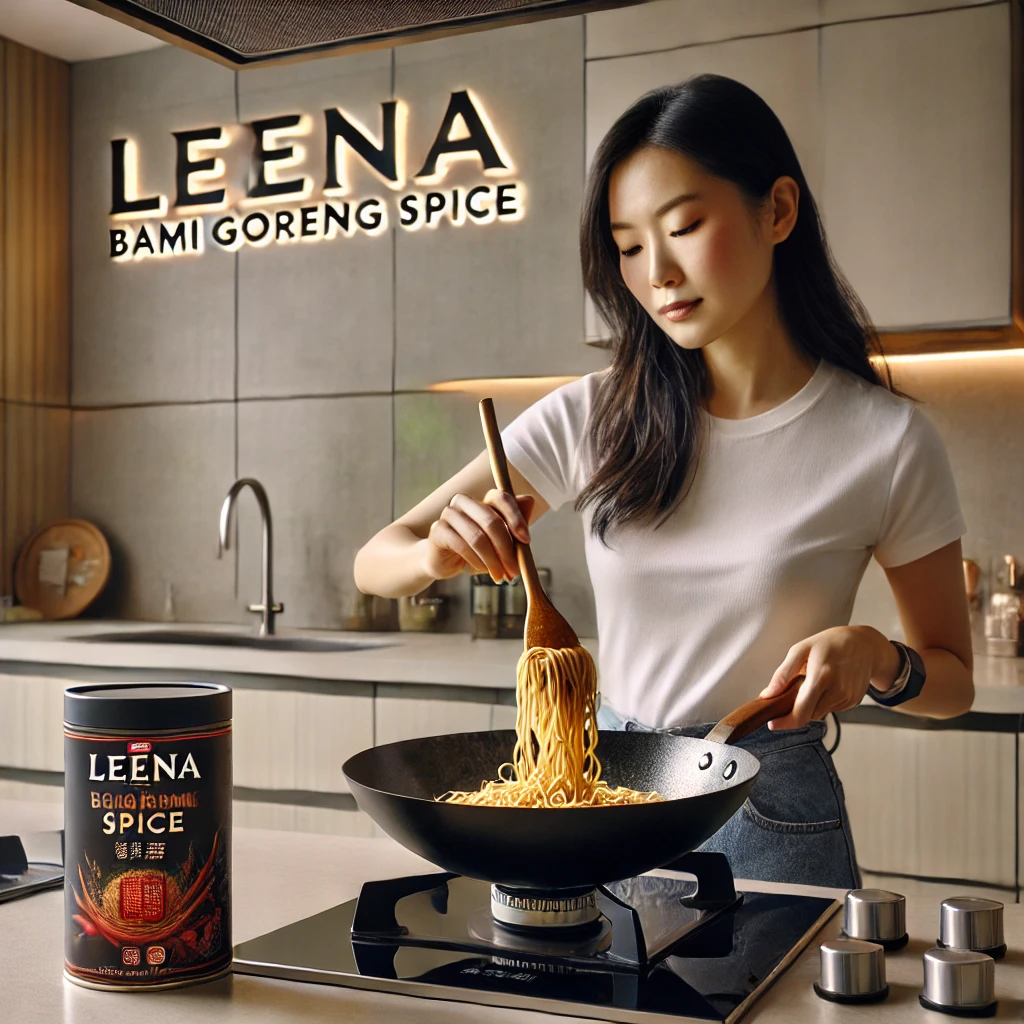
A lady tossing yellow egg noodles in a hot wok to make an authentic Indonesian Bami Goreng recipe.

Why This Authentic Indonesian Blend Beats Store-Bought Packets

Imagine wandering through the lively streets of Jakarta, where the aroma of sizzling woks, sweet soy sauce, and fragrant spices fills the air. A street vendor expertly tosses golden egg noodles over a blazing flame, creating a smoky, savoury dish in just a couple of minutes. That’s the magic of authentic Bami Goreng. With the right ingredients and techniques, you can bring that same Indonesian street-food experience to your own kitchen.

Because we are using a prepared Bami Goreng spice blend as the flavour foundation, this comforting Indonesian noodle dish comes together quickly in a single wok to be ready in just 15 minutes.

If your homemade stir-fried noodles often turn out soggy, overly soft, or missing that deep restaurant-style flavour, the problem is usually not the ingredients but the cooking method. Many home cooks approach stir-frying like a slow sauté, adding ingredients gradually to a crowded pan over moderate heat. Traditional Indonesian wok cooking works very differently.

Authentic stir-frying relies on high heat, quick movements, and good preparation to create “Wok Hei” often described as the “breath of the wok.” This intense heat allows the sweet soy sauce and aromatics to quickly caramelize, creating the smoky, slightly charred flavour that makes street-style Bami Goreng so special.

Leena Spices Tip:

Because everything happens so quickly, preparation is the key to success. Having all your ingredients measured, chopped, and ready before you start cooking will help you work with the speed of a true Indonesian warung (street food stall) and achieve perfectly flavoured noodles every time.

The Mise en Place: Authentic Bami Goreng Ingredients

  • If you prefer building your dishes with a wet paste foundation rather than a dry spice mix, explore our companion guide on how to make Indonesian spice paste from powder. This technique will help you transform your spice blend into a richer, more aromatic wok base with deeper layers of flavor.

Before you turn on the heat, arrange all your ingredients on the kitchen counter in separate bowls. Once the oil hits a hot wok, the cooking process moves quickly. There is no time to stop and chop, measure, or search for ingredients.

Having everything ready allows you to cook with the speed and confidence of a traditional warung street-food vendor.

Ingredient

Role in the Wok

Pro Tips & Substitutions

200g Egg Noodles

The foundation of the dish. Thick, chewy noodles absorb the seasoning while holding their texture during stir-frying.

Use wide rice noodles for a gluten-free variation. Avoid very thin noodles, which can become soft and break apart.

2 tbsp Bami Goreng Spice Mix

The main flavour foundation that brings together the herbs, spices, and aromatics.

Add directly to the protein or briefly fry in oil to release the aromatic oils before tossing with the noodles.

2 tbsp Kecap Manis

The signature Indonesian sweet soy sauce that creates the glossy coating and sweet-savoury balance.

If unavailable, use the homemade soy sauce and brown sugar substitute hack.

150g Protein

Adds richness and texture to the noodles. Popular choices include sliced chicken breast, prawns, or firm tofu.

Cut into thin, even pieces so everything cooks quickly and evenly in under 3 minutes.

1 cup Mixed Vegetables

Adds colour, freshness, and the classic street-food crunch.

A combination of shredded cabbage, julienned carrots, and bean sprouts works beautifully. Cabbage provides the traditional crisp texture.

1 Large Egg

Creates the soft, savoury egg ribbons commonly found in Indonesian fried noodles.

Push the noodles and vegetables to one side of the wok, then scramble the egg directly in the centre.

Flavor Boosters: Trassi, Sambal Oelek & Fried Shallots

These finishing ingredients add depth, heat, and texture.

Trassi (shrimp paste) adds traditional umami depth, sambal brings chilli warmth, and fried shallots provide a crispy aromatic topping.

Leena Spices Tip: Prepare your sauces, spices, and toppings before cooking begins. With a hot wok, the difference between a perfectly smoky Bami Goreng and an average stir-fry often comes down to preparation speed.

Take Your Spice Knowledge to the Next Level

Don’t stop at here. Elevate your entire cooking repertoire with my comprehensive book, “Homemade Spice Secrets”. Learn the foundational chemistry of raw vs. bloomed spices for dozens of traditional dishes.

👉 Click here to claim your copy of Homemade Spice Secrets.

Step-by-Step: Mastering the Ultimate Wok Sequence

A lady tossing yellow egg noodles in a hot wok to make an authentic Indonesian Bami Goreng recipe.

How to Use Bami Goreng Spice Blend for the Ultimate Authentic Fried Noodles at Home

If you are doubling this Bami Goreng recipe to feed a family of four,prepare it in two separate batches. This keeps the wok hot,allows the noodles to caramelize properly, and ensures every ingredientdevelops the deep, wok-kissed flavor that makes this dish exceptional.
Prep Time 10 minutes
Cook Time 7 minutes
Total Time 14 minutes
Servings: 2

Notes

Step-by-Step Cooking Instructions


1. Prep and Parboil the Noodles (3–5 Minutes)

Cook your dried egg noodles according to the package instructions until they are just al dente, meaning soft enough to eat but still slightly firm in the centre.
Avoid overcooking the noodles at this stage. They will continue cooking when they hit the hot wok, and starting with noodles that are too soft can result in a mushy final dish.
Once cooked, drain the noodles thoroughly and toss them with a few drops of neutral cooking oil. This prevents them from clumping together while you prepare the rest of your ingredients and ensures they separate easily during stir-frying.

2. Fry the Fresh Aromatics: 1 minute.

Place your wok over high heat until it just begins to smoke. Pour in one tablespoon of high-smoke-point oil. Add your thinly sliced fresh shallots and minced garlic (along with the optional trassi shrimp paste). Stir-fry continuously for about thirty seconds until they are intensely fragrant and golden brown, being careful not to let the garlic burn.

3. Sear the Proteins and Aromatics (2–3 minutes)

Heat your wok over high heat until it begins to lightly smoke. Add one tablespoon of a high-smoke-point oil, then immediately add your sliced chicken, shrimp, or tofu. Sprinkle in the Bami Goreng spice blend along with the optional trassi (shrimp paste) for an authentic Indonesian depth of flavor.
Keep everything moving with constant stirring and tossing. The goal is to create a quick, intense sear that locks in the savory flavors while allowing the spices to bloom in the hot oil. Continue stir-frying until the protein is lightly caramelized and cooked through, creating the rich, smoky foundation that makes Bami Goreng so irresistible.

4. Flash-Fry the Hardy Vegetables (1 minute)

Add the shredded cabbage and julienned carrots directly into the hot wok with the seared proteins. Stir-fry vigorously for about 60 seconds, allowing the vegetables to briefly kiss the intense heat.
The goal is not to fully cook them, but to soften them just enough while preserving their natural sweetness, vibrant color, and satisfying crunch. This quick flash-fry keeps the vegetables fresh and crisp, adding the essential texture contrast that makes a great Bami Goreng.

5. Create the Egg Ribbons (1 minute)

Push the cooked proteins and vegetables up the sides of the wok, creating a clear space in the center. Crack the egg directly into this hot wok well and allow it to sit undisturbed for about 10 seconds. This brief pause lets the bottom set and creates a richer texture.
Using your spatula, quickly scramble the egg into soft, silky curds. Once the egg forms delicate ribbons, toss everything back together, allowing the golden egg pieces to coat the noodles and ingredients with their subtle richness.

6. Glaze and Caramelize the Noodles (1–2 minutes)

Add the cooked noodles and fresh bean sprouts to the wok, tossing them together with the seared ingredients. Pour the kecap manis around the hot outer edge of the wok rather than directly over the noodles. This technique allows the sweet soy sauce to hit the hottest surface first, creating a quick flash-caramelization that develops a deeper, smoky sweetness.
Stir-fry vigorously for another 1–2 minutes, ensuring every strand of noodle is evenly coated in the glossy, savory glaze. The noodles should become beautifully caramelized while the bean sprouts remain fresh and lightly crunchy, giving the finished Bami Goreng its signature balance of flavor and texture.
Never overcrowd your wok. High-heat cooking depends on maintaining intense, consistent heat, and adding too many ingredients at once can cause the temperature to drop rapidly. Instead of achieving that signature smoky sear, the ingredients will begin releasing moisture and slowly steam, turning a vibrant stir-fry into a soft, soggy braise.

3 Wok Mastery Tips: How to Avoid Mushy or Soggy Noodles

Even when you have the perfect ingredients and spice balance, a few simple cooking mistakes can turn a vibrant Bami Goreng into a soft, watery stir-fry. The secret lies in controlling moisture and maintaining intense heat from start to finish.

If you love the sweet, savory, and smoky flavors of Indonesian street food, explore our complete collection of Asian spice recipes and regional blends. Discover new flavor combinations and plan your next home-cooked feast with authentic-inspired seasonings from across Asia.

1. Dry the Noodles Thoroughly

Moisture is the enemy of a great stir-fry. Wet noodles will release steam instead of developing those delicious toasted, slightly chewy edges. After draining your parboiled noodles, allow them to rest in a colander for a few minutes, or spread them out on a plate to let excess surface water evaporate before adding them to the wok.

2. Respect the Bean Sprouts

Fresh bean sprouts contain a high percentage of water, which can quickly dilute your sauce and lower the wok temperature. Add them only during the final 60 seconds of cooking so they retain their fresh crunch, juicy bite, and delicate texture without releasing too much moisture into the dish.

3. Master the Smoking Pan Test

A properly heated wok is the foundation of a successful stir-fry. Before adding any ingredients, the oil should shimmer and the wok should be lightly smoking. This intense heat creates the quick sear needed to lock in the juices of the protein, caramelize the sauces, and keep the vegetables crisp rather than steamed.

Bami Goreng Cooking Tips & Frequently Asked Questions

Can I make this recipe completely vegetarian or vegan?

Absolutely. For a vegetarian version, replace the chicken or shrimp with 150 grams of cubed firm tofu or crispy puffed tofu puffs. Skip the optional trassi (shrimp paste), and check that your Bami Goreng spice blend is free from any dried shrimp powder or seafood-based ingredients.

To make it fully vegan, simply leave out the egg and add extra plant-based ingredients for texture and flavor. Sliced mushrooms, broccoli florets, bell peppers, snow peas, or extra bean sprouts all work beautifully. A well-seasoned tofu stir-fry combined with the sweet caramel notes of kecap manis can create a rich, satisfying Bami Goreng that everyone can enjoy.

Traditional Indonesian Bami uses fresh, thick yellow wheat noodles (often labeled as Hokkien or stir-fry noodles). If you cannot find them at your local Asian grocery store, dry ramen noodles, instant noodles (discard the flavor packet), or even standard Italian spaghetti work surprisingly well as a substitute. Just ensure they are boiled slightly under al dente before hitting the wok.

Store any leftovers in an airtight container in the refrigerator for up to three days. To reheat, avoid the microwave if you want to preserve the texture, as it can make the noodles mushy. Instead, toss the leftovers back into a hot skillet or wok with one teaspoon of water and a splash of soy sauce, stir-frying over medium heat for two to three minutes until piping hot.

If your noodles are sitting in a pool of wet sauce, it usually means your wok temperature dropped too low, or your vegetables shed too much water. Ensure your pan is screaming hot before adding ingredients, and never overcrowd the pan. If you are using a standard residential stove, cooking in smaller batches is the best way to prevent liquid from pooling.

Impu Irani, cookbook author and master spice blender at Leena Spices.

Impu Irani is a cookbook author behind Leena Spices, where he shares practical, easy-to-follow guides on homemade spice blends, herbs, and natural cooking. His work helps home cooks create fresh, flavorful meals using simple ingredients and traditional methods. Download his free Spice Blending eBook and start your journey to cleaner cooking today!
 

Disclosure Note

We are committed to creating high-quality, helpful content for our readers. We do not accept payment in exchange for writing our articles, and we personally cover the costs of running this website, including hosting, tools, and maintenance.

To support the site, we display ads and may earn a small commission from affiliate links if you choose to make a purchase—at no extra cost to you.

Your support helps us continue sharing valuable content with the community.

If you’d like to support us, here are a few simple and free ways:

You can also learn more by visiting our disclaimer page:
https://leenaspices.co.nz/disclaimer/

As a thank you, feel free to download our Free Spice Recipe eBook.

Download a Free Leena Spices Recipes Cookbook 

Scroll to Top