Written by Impu Irani. He is the cookbook author and spice specialist behind Leena Spices. With more than 20 years of experience developing custom spice blends inspired by cuisines from around the world, he is passionate about helping home cooks create delicious meals from scratch using quality herbs, spices, and time-tested techniques. Through easy-to-follow recipes, practical cooking guides, and expert spice knowledge, Impu makes it simple for anyone to master homemade seasonings and enjoy fresher, more flavourful cooking with everyday ingredients. Download his free Leena Spices recipes eBook and discover how easy it is to create your own dishes with confidence at home.
Disclosure Note
We are committed to creating high-quality, helpful content for our readers. We do not accept payment in exchange for writing our articles, and we personally cover the costs of running our test kitchen, and this website, including hosting, tools, and maintenance.
Your support helps us continue sharing valuable content with the community.
If you would like to support us, here are a few simple and free ways:
- Share our content with your friends and family
- Engage with us on social media
- Follow us on Facebook
As a thank you, we would love for you to enjoy our FREE Homemade Spice Recipe eBook. Download your complimentary copy now.
Table of Contents
ToggleMy First Encounter with Advieh (And Why I Never Went Back to Store-Bought Blends)
The first time I tasted authentic Advieh-e Polo wasn’t from a spice jar or a cookbook. It was in a Persian friend’s kitchen as she lifted the lid from a pot of saffron rice that had been gently steaming on the stove.
A cloud of fragrant steam filled the room. I could smell sweet cinnamon, delicate rose petals, warm cardamom, and earthy cumin all at once. It wasn’t an overpowering aroma. It was soft, elegant, and incredibly comforting. Before I even took my first bite, I understood why this spice blend has been treasured in Persian cooking for generations.
That experience stayed with me.
When I later began developing my own Advieh blend in the Leena Spices test kitchen, I bought and compared several commercial versions. Most were disappointing. The floral fragrance of the rose petals had almost disappeared, leaving the blend tasting flat, while the cloves often dominated every other spice. Instead of a balanced, aromatic seasoning, many blends tasted one-dimensional.
So I started experimenting.
Over several test batches, I adjusted each ingredient a gram at a time, making small changes before cooking another pot of Persian rice. Sometimes I reduced the cloves by just a fraction. Other times I increased the cardamom or added a little more cinnamon to bring back the warmth I remembered. Each batch taught me something new about how these spices work together.
Eventually, I recreated the flavour that had inspired me.
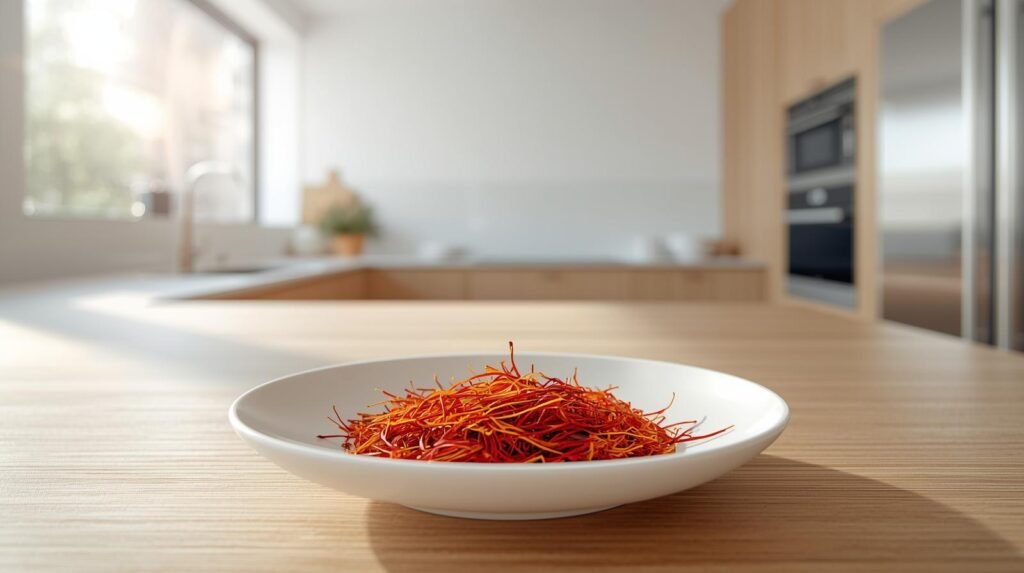
Saffron in a Plate
Leena Spices Kitchen Notes
3 Things I Learned While Perfecting This Advieh Blend
After making batch after batch of Advieh in the Leena Spices test kitchen, I discovered that the little details make all the difference. These are the lessons that had the biggest impact on the final flavour.
1. Saffron Is Surprisingly Tricky to Grind
One of the first mistakes I made was throwing whole saffron threads straight into the grinder with the cumin and other spices. Instead of turning into a fine powder, the threads clumped together and wrapped around the seeds.
What worked much better was hand grinding the saffron separately with a small pinch of coarse sugar. The sugar acts as a gentle abrasive, breaking the delicate threads into a beautiful fine powder that blends evenly throughout the spice mix. You only need a tiny amount of sugar, and it won’t noticeably affect the flavour of the finished blend.
2. Culinary Rose Petals Make a Huge Difference
Not all dried rose petals belong in the kitchen.
During one test batch, I used dried red rose buds from a local craft market because they looked beautiful and were easy to find. That turned out to be a mistake. The finished blend had an unpleasant bitter, almost soapy taste that completely overwhelmed the warm spices.
Since then, I only use food-grade Rosa damascena (Damask rose) petals. Their floral aroma is delicate, naturally sweet, and exactly what gives authentic Advieh its distinctive character.
3. Heat Is the Enemy of Freshly Ground Spices
I also learned that it is surprisingly easy to overheat your spices while grinding them.
If an electric spice grinder runs continuously, the blades warm up quickly. That heat starts driving off the delicate aromatic oils that give cardamom, cloves, and cinnamon their wonderful fragrance. The blend may still taste good, but it will never have the same vibrant aroma.
Now I always pulse the grinder for about three seconds at a time, letting it rest briefly between bursts. It takes only a few extra seconds, but the finished Advieh smells noticeably fresher and more vibrant.
Leena Spices Tip
Through years of testing homemade Advieh, I have found that starting with whole spices consistently produces the freshest, most aromatic results. When dry-roasting cumin and coriander seeds, use a dry skillet over medium heat and keep the seeds moving constantly. Never leave the pan unattended, as spices can go from perfectly toasted to burnt in just a few seconds. As soon as they release a rich, warm, nutty aroma, usually after about 90 seconds, transfer them immediately to a cold plate or tray to stop the cooking process. Leaving them in the hot pan, even off the heat, allows the residual heat to continue roasting the seeds, which can quickly lead to bitterness and overpower the delicate floral notes that make Advieh so distinctive.
Advieh Culinary Blend Scaler
Scale, convert, and customize your Persian spice quantities instantly.
Required Ingredients
Persian Advieh Spice Blend Recipe
Materials
- 1 g Black Pepper
- 5 g Caraway Seeds
- 9 g Green Cardamom
- 18 g Cinnamon Quill
- 5 g Cloves
- 5 g Coriander Seeds
- 19 g Cumin Seeds
- 4 g Ginger Powde
- 5 g Dried Lemon (Loomi)
- 5 g Nutmeg
- 5 g Paprika
- 9 g Rose Petals
- 1 g Saffron Threads
- 9 g Turmeric Powder
Instructions
- 1. Measure and Dry-Roast Whole Seeds: 3 minutes.In a wide, dry skillet over medium-low heat, gentlytoast the caraway, coriander, and cumin for 1 – 2 minutes. Shake the pan constantly. Removethem the moment they turn aromatic.
- 2. Cool Completely: 5 minutes.Spread the toasted spices onto a flat plate. Do not grind them while warm, as the heat will trapmoisture in your grinder, turning the mix into a paste.
- 3. The First Grind: 5 minutes.Break the cinnamon quill intosmall shards. Add them, along with your cooled seeds, the cloves, and cardamom, into ahigh-speed spice grinder. Pulse until it becomes a fine, uniform powder.
- 4. The Delicate Fold-In: 2 minute.Transfer the ground powder to a bowl. Hand-whisk inthe pre-ground powders: turmeric, paprika, ginger, nutmeg, loomi, black pepper and the delicate saffron and crumbled rose petals. Hand-mixing preserves the delicate oils of the saffron and rose.
Notes
The Rose Petal Dilemma: Can You Make Advieh Without Rose?
Rose petals are one of the most distinctive ingredients in traditional Advieh, but don’t worry if you can’t find them. You can still make a beautiful and flavourful blend without them.
When rose petals are removed, the character of the Advieh changes. You lose the soft floral notes that create the blend’s elegant aroma, and the warmer spices especially cinnamon, cardamom, and cumin become more noticeable. The result is a slightly deeper, more savoury spice profile that works wonderfully in meat dishes, hearty stews, and recipes like Advieh-e Khoresh.
If you bought a bag of dried rose petals just for this recipe, don’t let the rest sit in the pantry. They are also a key ingredient in our authentic Rose Harissa recipe, where their delicate floral notes balance the bold, smoky heat of traditional North African spices beautifully.
Through testing different options in the Leena Spices kitchen, I found that some substitutes come much closer than others. The key is choosing ingredients that add fragrance without overpowering the balance of the blend.
Before experimenting, there is one important safety note:
Always use ingredients that are specifically labelled for culinary use. Decorative flowers, essential oils, and craft-grade dried petals are not suitable substitutes for food.
1. Safe Dry Substitutes (Best for Stored Spice Blends)
Here are the substitutes I have tested and found most useful:
Increase the Green Cardamom (Easiest Option)
Add a small amount of extra cardamom (about ¼ teaspoon).
Green cardamom naturally has a bright, citrusy, and floral aroma, making it the closest match for the uplifting fragrance that rose petals bring to Advieh.
Culinary Lavender (Use Very Sparingly)
Lavender can provide a similar floral character, but it is much stronger and more intense than rose.
If your recipe uses around 9g of rose petals, start with only 1g of culinary-grade lavender, and do not exceed 2g. Too much lavender can quickly make the blend taste medicinal, bitter, or even slightly soapy.
Always choose food-grade culinary lavender. Never use lavender sold for crafts, decoration, or essential oil use.
Dried Hibiscus Petals (For Colour and Depth)
Ground dried hibiscus petals are another interesting option, especially for richer dishes.
Hibiscus adds:
- A beautiful deep red colour
- A gentle floral aroma
- A subtle tart, fruity note
Because hibiscus has a more tangy character than rose, it works particularly well in robust dishes such as slow-cooked stews, where its acidity can complement rich flavours.
My Recommendation
If your goal is to recreate a classic Advieh aroma, start with extra green cardamom. It is the safest and most natural adjustment.
2. The Rose Water Warning: Why It Does Not Belong in Your Spice Jar
As a spice blender, I strongly recommend keeping rose water away from your Advieh jar.
A dry spice mix is carefully balanced for long-term storage. Adding even a small amount of liquid can change the entire environment inside the jar.
Why Liquid Rose Water Can Ruin a Dry Blend
Clumping and Loss of Freshness
Moisture causes powdered ingredients such as turmeric, ginger, and other fine spices to absorb water and stick together. Once clumped, the blend becomes harder to measure and the exposed moisture can speed up flavour loss and oxidation
Increased Risk of Spoilage
A dry spice blend stays stable because it contains very little available moisture. Introducing liquid into a sealed jar creates a damp environment where unwanted microbial growth can become a concern.
The Better Way to Use Rose Water
If you love the delicate floral aroma of rose, use it during cooking rather than inside your spice jar.
Keep your Advieh blend completely dry, then add 1–2 drops of culinary rose water directly into your rice, sauce, or stew during the final few minutes of cooking.
Ingredient Safety & Allergen Information
When making your own Advieh at home, choosing high-quality ingredients is just as important as getting the spice balance right. A beautiful blend starts with pure, food-safe spices that you can feel confident serving to your family and guests.
Dietary Information
This homemade Advieh recipe is naturally:
- Gluten-free – made without wheat-based fillers or additives commonly found in some commercial spice blends.
- Salt-free – allowing you to control the sodium level in your own cooking.
- Vegan – contains only plant-based ingredients.
- Preservative-free – made with whole spices and no artificial additives.
Understanding Nutmeg, Cardamom & Allergies
Nutmeg is technically a seed rather than a tree nut, and most people with tree nut allergies can safely consume it. However, people with severe sensitivities to seeds or cross-contamination concerns should always check the source of their spices.
If you are preparing Advieh for someone with a serious allergy, choose spices from suppliers that provide clear allergen information and follow appropriate processing standards.
Always Use Culinary-Grade Rose Petals
Rose petals are one of the most special ingredients in Advieh, but not all dried roses are suitable for cooking.
Always look for rose petals clearly labelled:
- Food Grade
- Culinary Grade
- Organic (when available)
Using the correct ingredients ensures your Advieh is not only fragrant and authentic but also safe to enjoy.
Looking to Master the Art of Spice Blending?

Stop Buying Stale, Store-Bought Spice Packets.
Creating exceptional spice blends is both a science and an art. Powerful ingredients like raw hing resin (asafoetida) require careful handling because even the smallest amount can dramatically transform a dish. Just a pinch too much can overpower delicate flavors, while the right balance can add incredible depth, aroma, and restaurant-quality complexity.
Mastering these combinations takes knowledge of ingredient ratios, regional traditions, and the techniques used by experienced cooks.
If you want to move beyond guesswork and confidently create authentic flavors at home, our premium digital cookbooks are made for you. Inside, you’ll discover carefully tested spice ratios, traditional regional pairings, and step-by-step recipes that help you recreate hundreds of delicious global dishes with confidence.
Whether you are a beginner exploring spices or an experienced home cook looking to refine your skills, these guides will help you unlock the true potential of your spice cabinet.
How Does Advieh Differ from Other Persian Spice Blends?
Quick Comparison
Region | Signature Spices | Overall Style |
🌊 Southern Iran | Black pepper, ginger, cloves, loomi | Bold • Spicy • Tangy |
🌹 Tabriz & Northwest | Rose petals, cinnamon, cardamom | Floral • Sweet • Delicate |
🌿 Caspian Region | Nutmeg, cardamom, herbs | Warm • Aromatic • Balanced |
Regional Variations of Advieh: One Spice Blend, Many Traditions
One of the things I love most about Persian cooking is that there isn’t a single “correct” recipe for Advieh. Ask three Persian cooks how they make it, and you will probably hear three different answers. Each one shaped by family traditions, local ingredients, and the dishes they grew up eating.
As I explored different versions while developing this blend, I noticed several regional trends that helped me appreciate just how versatile Advieh can be.
Southern Iran: Bold and Warming
Along Iran’s southern coast, centuries of trade across the Persian Gulf introduced a wide variety of spices from India, Arabia, and East Africa. As a result, many southern spice blends tend to be bolder and more robust.
You will often find generous amounts of black pepper, ginger, cloves, and sometimes ground dried lime (loomi), creating a warm, lively seasoning that pairs beautifully with seafood, hearty stews, and slow-cooked meat dishes.
Northwestern Iran: Delicate and Floral
In the northwest, where Persian cuisine shares culinary influences with neighbouring Azeri and Turkish traditions, Advieh often takes on a softer, more aromatic character.
Many cooks emphasise fragrant spices such as cinnamon and green cardamom, along with plenty of food-grade rose petals. These blends are typically lighter and more floral, making them especially lovely in rice dishes where the aroma can really shine.
Northern Iran: Warm Spices for Rich Local Cuisine
The lush Caspian region is known for its fertile farmland, forests, and rich local cuisine. Here, some Advieh blends place greater emphasis on warming spices like cardamom and nutmeg, which complement richer ingredients such as duck, game, and fresh fish without overwhelming their natural flavour.
Every Family Has Its Own Signature
The more Persian recipes I cooked, the more I realised that regional traditions are only part of the story. Many of the biggest differences happen from one household to the next.
Some families include coriander, while others leave it out entirely. Some prefer extra cinnamon for sweetness, while others add more cumin for earthy depth. Rose petals may be used generously in one kitchen and only sparingly in another.
That is one of the joys of making Advieh yourself. Once you understand the role each spice plays, you can adjust the blend to suit your own cooking while still respecting the balance that makes this classic Persian seasoning so distinctive.
Unlike bold, savory blends such as Egyptian Dukkah, Advieh is defined by its gentle sweetness, warm spices, and delicate floral notes. If you enjoy this elegant flavor profile, you will also love exploring the rich, sweet warmth of a traditional Arabic Baharat spice blend
The Origins of Advieh: More Than Just a Spice Blend
The word Advieh (ادویه) is widely used in Persian to mean spices or seasonings. It shares linguistic roots with the Arabic word associated with remedies or medicinal substances, reflecting a time when herbs and spices played important roles in both the kitchen and traditional healing practices.
The Traditional “Hot” and “Cold” Philosophy
One of the guiding principles of traditional Persian cuisine is the concept of garm (warming) and sard (cooling). These terms don’t describe the actual temperature of food. Instead, they refer to qualities assigned to ingredients within traditional Persian medicine.
Foods such as rice, lentils, yogurt, and some meats have traditionally been considered more “cooling,” while spices like cinnamon, cumin, green cardamom, black pepper, and saffron are regarded as “warming.”
Historically, cooks combined these ingredients to create meals that were thought to be more balanced according to these traditional principles.
Rather than relying on a single dominant spice, Advieh brings together several warming aromatics into one carefully balanced blend.
What Dishes Can You Use Advieh In?
Advieh is not a one-size-fits-all spice blend. In Persian cooking, the ingredients and proportions are often adjusted to complement a particular dish. A blend that works beautifully in fragrant saffron rice may overpower a delicate herb dish or lack the depth needed for a rich stew.
The table below shows some of the most common Advieh variations, the dishes that are traditionally paired with, and why each blend works so well.
Persian Dish | Main Ingredients | Best Advieh Blend | Why It Works |
Loobia Polo | Green beans, beef, tomato rice | Advieh-e Polo | Cinnamon and cumin balance the acidity of the tomato paste while adding warmth to the beef. |
Khoresh-e Gheimeh | Lamb, split peas, dried lime (loomi) | Advieh-e Khoresh | Saffron and black pepper complement the rich meat and the distinctive tang of dried lime. |
Sabzi Polo | Rice with dill, parsley, cilantro, and herbs | Light Advieh-e Polo | Cardamom and rose petals enhance the fresh herbal aroma without overpowering the delicate flavours. |
Ash Reshteh | Thick noodle soup with beans, greens, and herbs | Advieh-e Ash | Dried mint and turmeric add earthy depth and balance the hearty legumes and noodles. |
Quick Reference Guide
Dish | Signature Flavours | Perfect For |
Loobia Polo | Cinnamon • Cumin | Tomato-based rice dishes |
Khoresh-e Gheimeh | Saffron • Black Pepper | Rich meat stews with dried lime |
Sabzi Polo | Cardamom • Rose Petals | Herb-forward rice dishes |
Ash Reshteh | Dried Mint • Turmeric | Hearty soups and bean dishes |
How to Tell If Your Advieh Has Lost Its Freshness
Advieh Freshness Test: Is Your Spice Blend Still Good?
| ✅ FRESH & HEALTHY ADVIEH | ⚠️ OLD OR EXPIRED ADVIEH |
|---|---|
| 🟢 Colour: Vibrant orange-gold appearance | 🔴 Colour: Faded, dull, or dusty brown appearance |
| 🟢 Aroma: Strong fragrance of rose petals, cinnamon, cardamom, and saffron | 🔴 Aroma: Weak, flat, stale, or musty smell |
| 🟢 Texture: Loose, fine powder that flows easily | 🔴 Texture: Clumping, caking, or signs of moisture |
| 🟢 Flavour: Warm, floral, and aromatic | 🔴 Flavour: Flat, muted, and lacking depth |
| 🟢 Storage: Dry, airtight jar with no moisture exposure | 🔴 Storage: Damp container or poorly sealed jar |
Quick Decision Guide
        🌸 ADVIEH FRESHNESS CHECK 🌸

                 Open Your Jar
                      │
                      ▼

          ┌───────────────────────┐
          │ Does it smell fragrant │
          │ when rubbed between    │
          │ your fingers?          │
          └───────────┬───────────┘
                      │
          ┌───────────┴───────────┐
          ▼                       ▼

     ✅ YES — FRESH             ⚠️ NO — CHECK AGAIN

     Bright aroma               Faded aroma
     Loose powder               Weak fragrance
     Vibrant colour             Dull colour

          │                       │
          ▼                       ▼

   Ready to use!          Consider replacing
                          with a fresh batch
Simple Colour Legend
🟢 Green = Fresh and Aromatic
🟡 Yellow = Losing Potency (Use Soon)
🔴 Red = Discard and Replace
Unlike fresh foods, dried spices usually do not spoil quickly, but they gradually lose the aromas, colours, and flavours that make them special. With a homemade Advieh blend made without preservatives, freshness depends almost entirely on the quality of your ingredients and how well you store it.
The good news is that you can easily check your blend at home using your senses.
The Pinch-and-Sniff Test
This is the simplest and most reliable freshness check.
Take a small pinch of Advieh and gently rub it between your fingers. Bring it close to your nose and notice the aroma.
Fresh Advieh should release a warm, fragrant combination of cardamom, cinnamon, saffron, and floral notes from the rose petals. If the smell seems weak, dusty, or almost absent, the delicate aromatic oils have likely faded, and the blend will no longer have the same impact in your cooking.
Check for Colour Changes
Advieh naturally contains colourful ingredients such as saffron and turmeric, which can gradually fade when exposed to light.
If your once vibrant golden-orange blend has become noticeably dull or greyish, it may have spent too much time near sunlight or heat. While it may still be safe to use if stored properly, the flavour and aroma will likely be less vibrant.
Watch for Moisture and Clumping
A good Advieh blend should remain loose and powdery inside the jar.
If you notice the spices becoming damp, sticky, or forming hard clumps, moisture has likely entered the container. This can affect the quality of the spices and, in humid environments, may increase the risk of spoilage.
If the blend develops a musty smell, visible mould, or unusual moisture, it is safest to discard it and prepare a fresh batch.
How to Keep Advieh Fresh Longer
To preserve the delicate aroma of your blend:
- Store it in an airtight glass jar with a secure lid.
- Keep it away from sunlight, steam, and heat from the stove.
- Use a clean, completely dry spoon each time.
- Make smaller batches that you can enjoy while the spices are at their most fragrant.
A freshly made Advieh should smell beautiful the moment you open the jar. That first burst of floral, warm spice is part of what makes this Persian blend so memorable.
Frequently Asked Questions About Advieh Spice Blend
Can Advieh be used in non-Persian recipes?
Yes. Advieh’s warm, aromatic, and slightly floral flavor works well in Asian rice dishes, Middle Eastern-inspired stews, roasted vegetables, or even fusion cuisine. It adds depth without overpowering the main ingredients.
How long does homemade Advieh last compared to store-bought?
Homemade Advieh is most aromatic and flavorful within 3–6 months if stored correctly. Store-bought blends may last longer but often have reduced potency due to pre-ground spices losing essential oils.
Can I adjust Advieh for sweeter dishes?
Yes. For desserts like rice pudding or cookies, you can slightly increase the amount of cinnamon, cardamom, and rose petals while reducing earthy spices like cumin. This enhances the sweet and floral notes.
Can Advieh be used in soups or broths?
Yes. A pinch of Advieh added toward the end of cooking soups or bean stews infuses a fragrant aroma and subtle complexity. It pairs especially well with lentil, vegetable, or herb-based soups.
Medical Disclaimer:
The information provided in this article is for educational and informational purposes only and is not intended as medical advice. Always consult a qualified healthcare provider before starting any new dietary supplement, herbal remedy, or wellness routine, especially if you have underlying health conditions, are pregnant or breastfeeding, or are taking prescription medications.
Impu Irani is a cookbook author behind Leena Spices, where he shares practical, easy-to-follow guides on homemade spice blends, herbs, and natural cooking. His work helps home cooks create fresh, flavorful meals using simple ingredients and traditional methods. Download his free Spice Blending eBook and start your journey to cleaner cooking today!
Disclosure Note
We are committed to creating high-quality, helpful content for our readers. We do not accept payment in exchange for writing our articles, and we personally cover the costs of running this website, including hosting, tools, and maintenance.
To support the site, we display ads and may earn a small commission from affiliate links if you choose to make a purchase—at no extra cost to you.
Your support helps us continue sharing valuable content with the community.
If you’d like to support us, here are a few simple and free ways:
- Share our content with your friends and family
- Engage with us on social media
- Follow us on Facebook
You can also learn more by visiting our disclaimer page:
https://leenaspices.co.nz/disclaimer/
As a thank you, feel free to download our Free Spice Recipe eBook.
Download a Free Leena Spices Recipes Cookbook