Impu Irani is the cookbook author behind Leena Spices where he shares easy homemade spice blend recipes and practical cooking tips. Read more about him at the end of this post.
Table of Contents
ToggleIntroduction
What is Birth Masala?
Birth masala after delivery is a time-honored spice blend valued in many Indian and South African Indian households, especially during the delicate period after childbirth. Unlike everyday spice mixes, this blend is carefully crafted with ingredients chosen for their healing and restorative benefits.
Key spices often include carom seeds (ajwain), cardamom, cinnamon, coriander, cumin, fennel, ginger powder, and turmeric. Each of these has a distinct purpose: cumin and carom seeds help ease digestion, turmeric supports the body’s natural healing process, and ginger provides gentle warmth and energy. Together, they create a blend that not only flavors food but also nourishes and strengthens the body.
For generations, families have prepared comforting dishes with birth masala for new mothers. These meals are believed to aid digestion, improve immunity, and encourage faster recovery, reflecting the deep cultural understanding that food can be medicine. Beyond its health benefits, birth masala also symbolizes care, tradition, and the passing down of family wisdom from one generation to the next.

💡 New Mother Resource: Looking for comforting ways to use your freshly ground spice blend? Check out our guide on 12 Healing Birth Masala Warm Milk Recipes for Postpartum Recovery or explore our traditional 12 Healing Zuo Yuezi Soups with Medicine Curry to support your wellness journey.
How do I make Birth Masala?
Equipment and Preparation Tips
Making birth masala at home requires just a few essential tools, but using them properly can make all the difference in the flavor and quality of your blend. A heavy pan or skillet is needed for roasting the whole spices, a spice or coffee grinder ensures a fine and even powder, a fine sieve or strainer helps remove coarse particles, and an airtight jar preserves freshness once the blend is complete.
Roasting the spices in a dry pan is a key step. This process draws out natural oils, deepens aroma, and removes excess moisture, which not only enhances flavor but also extends shelf life. After roasting, allow the spices to cool completely before grinding them into a fine powder. A uniform grind ensures a smooth, balanced masala without overpowering notes from any single spice.
When sourcing ingredients, always opt for high-quality, whole spices from trusted markets or specialty spice shops. Whole spices retain their strength and aroma far longer than pre-ground versions, ensuring the final masala is both potent and therapeutic. Once prepared, store the blend in airtight containers kept in a cool, dark place away from heat and humidity. Label each jar with the date of roasting or grinding to easily track freshness—ground spices are at their best within a few weeks to a few months.
Finally, pay attention to equipment care. A clean grinder prevents cross-contamination of flavors, while careful roasting and cooling avoid bitterness in the final mix. By following these steps, you set the foundation for creating an authentic, aromatic, and effective birth masala that delivers both taste and health benefits.
Step-by-Step Recipe to Make Birth Masala
Prep Time: 10 minutes
Cook Time: 10 minutes
Total Time: 20 minutes
Storage: Keep in an airtight container in a cool, dark cupboard for up to 3–4 weeks.
Birth Masala Ingredients
Cardamom – 5g |
Carom – 20g |
Cinnamon – 5g |
Coriander – 14g |
Cumin – 14g |
Fennel – 10g |
Ginger powder – 16g |
Turmeric – 16g |
⚖️ Birth Masala Batch & Yield Scaler
Enter your desired total weight and select your measurement unit to instantly scale your custom postpartum spice recipe.
Your Exact Ingredient Breakdown:
Equipment
- Heavy pan or skillet (for dry roasting)
- Spice or coffee grinder
- Fine sieve or strainer
- Airtight jar for storage
Method
Step 1: Roasting the Spices
Begin by heating a heavy pan over medium heat. Add the coriander seeds, fennel seeds cumin seeds, and carom seeds one at a time, roasting each individually for about 2–3 minutes. Keep the seeds moving in the pan with a wooden spoon or spatula to ensure even roasting and to prevent burning.
You’ll know they are ready when you notice a warm, fragrant aroma and the seeds take on a slightly deeper color, which is a clear sign that their natural oils have been released and the flavors have intensified. Be careful not to over-roast; spices that turn too dark can quickly become bitter and overpower the final blend.
Step 2: Cooling
Once the spices are roasted, transfer them to a clean plate or tray and spread them out evenly. Allow them to cool completely at room temperature. This step is important if you grind the spices while they’re still warm, the heat can create condensation inside the grinder, leading to clumping, loss of aroma, and a shorter shelf life. Cooling ensures the spices stay dry, crisp, and full of flavor for your final masala.
Step 3: Grinding
Once the roasted spices have cooled completely, transfer them to a spice or coffee grinder. Grind the seeds (including cardamom) into a fine, even powder to ensure a smooth, balanced masala. Pulse the grinder briefly to blend the powders evenly without over-grinding, preserving the aromatic qualities of the spices.
Step 4: Sifting
After grinding, pass the spice mixture through a fine sieve to remove any larger or uneven particles. This ensures your birth masala has a smooth, consistent texture. If you notice any leftover bits that didn’t pass through, simply return them to the grinder and process again until the entire blend reaches the desired fineness.
Step 5: Blending in Powders
Gently stir into the ground mix the cinnamon, turmeric and ginger powders. Mix thoroughly until the powders are fully incorporated and the spice blend is uniform in color and aroma. This ensures that every pinch of your birth masala delivers a balanced flavor and the full range of its therapeutic benefits.
Storing
Once your birth masala is fully prepared, transfer it to a clean, airtight container. Store the jar in a cool, dark place, away from heat, sunlight, and moisture. For the best flavor and maximum potency, use the masala within 3 to 4 weeks. Proper storage ensures that each use delivers the rich aroma, balanced taste, and therapeutic benefits intended in this traditional postpartum blend.

Stop Buying Stale, Store-Bought Spice Packets.
Create your own fresh, spice blends using authentic recipes from India, Asia, the Middle East, and the West. Get “Homemade Spice Secrets” and learn how to craft 200+ global herbs and spices. Unlock deeper, richer flavors, and replace store-bought mixes with pure, homemade natural ingredients—free from preservatives and fillers.
Technique Tips
Roast spices individually
This gives you better control over each spice’s flavor development and prevents any one spice from dominating the blend. For example, carom seeds (ajwain) have a strong aroma that can easily overpower others if roasted together.
Cool before grinding
Always allow roasted spices to cool completely. Grinding while hot can create moisture, leading to clumping, reduced aroma, and shorter shelf life.
Use a dedicated spice grinder
To avoid flavor contamination, keep a separate grinder for spices. For instance, grinding cumin in a coffee grinder can leave lingering flavors that affect future batches.
Grind fresh whenever possible
Freshly ground spices deliver the best aroma, flavor, and health benefits, making your birth masala more effective and fragrant.
Following these techniques ensures a balanced, aromatic, and potent birth masala, perfect for nourishing new mothers during the postpartum period.
How to Use Birth Masala Daily for Postpartum Recovery
While Birth Masala can be added to savory dishes, the most traditional and widely used way to consume it is in warm, nourishing liquids. Warm beverages help deliver the spices gently and may support comfort, digestion, and overall postpartum nourishment.
• Warming Spice Milk
Stir 1 teaspoon of homemade Birth Masala into a warm cup of whole milk, almond milk, or oat milk. For additional sweetness, add a small amount of jaggery or honey. This comforting drink is traditionally enjoyed in many households during the postpartum period and can be especially soothing in the evening.
• Nourishing Recovery Broths
Mix ½ teaspoon of the spice blend into warm chicken bone broth, vegetable broth, or lentil soup. The savory base complements the warming spices and creates a nutrient-rich meal that is easy to consume during the early weeks after childbirth.
• Postpartum Porridge
Add ½–1 teaspoon of Birth Masala to warm oatmeal, millet porridge, or rice porridge. The spices blend naturally with the grains, creating a satisfying breakfast that provides sustained energy throughout the day.
• Herbal Recovery Tea
Whisk a small pinch of the blend into warm herbal teas such as ginger, fennel, or chamomile tea. This lighter option can be enjoyed between meals for a gentle spice infusion.
• Smoothie Enhancement
For a modern approach, blend ¼–½ teaspoon into banana, date, or oat-based smoothies. The warming spices pair particularly well with naturally sweet ingredients while adding extra flavor complexity.
Suggested Serving Amount:
Most traditional recipes use about ½–1 teaspoon per serving. If you are new to the blend, start with a smaller amount and adjust according to your taste and tolerance.
Important Note:
Postpartum nutritional needs vary between individuals. If you have specific medical conditions, dietary restrictions, or concerns related to pregnancy or breastfeeding, consult a qualified healthcare professional before making significant dietary changes.
Why is carom seed (ajwain) included in this recipe?
Carom Seed (Ajwain): The Traditional Postpartum Powerhouse
Carom seed, also known as ajwain, is often considered one of the most valued ingredients in traditional postpartum spice blends. For generations, it has been used in Ayurvedic recovery practices to support digestive comfort during the weeks following childbirth. New mothers have traditionally consumed ajwain to help ease bloating, gas, and abdominal discomfort that can occur as the body recovers after delivery.
Ajwain is also widely regarded as a natural galactagogue—a food traditionally believed to support healthy breast milk production. In many South Asian cultures, warming ajwain-based drinks, broths, and spice mixtures are routinely included in postpartum diets to nourish the mother while supporting breastfeeding.
Beyond its traditional uses, ajwain contains aromatic compounds that may help promote healthy digestion and contribute to overall postpartum comfort. Its warm, slightly peppery flavor blends exceptionally well with other recovery-focused spices such as ginger, turmeric, fennel, and cumin, making it a cornerstone ingredient in many homemade Birth Masala recipes.
While ajwain has a long history of traditional use, scientific evidence regarding its effects on milk supply remains limited. Mothers who are breastfeeding or have specific health concerns should consult a qualified healthcare professional before relying on any herb or spice blend for therapeutic purposes.
Can I use pre-ground spices instead of whole seeds?
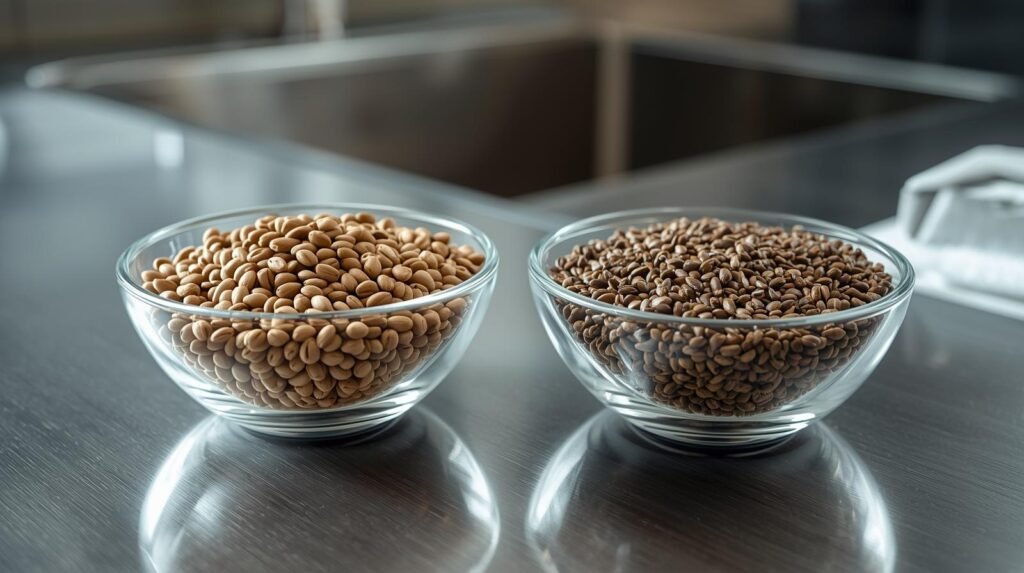
Yes, you can use pre-ground spices if whole spices are unavailable. However, whole coriander, cumin, and carom (ajwain) seeds are generally preferred when making homemade Birth Masala. Whole spices retain their aromatic compounds and essential oils more effectively because they remain protected inside the seed until they are roasted and ground.
Lightly dry-roasting whole seeds before grinding helps release their natural aromas and creates a fresher, more complex flavor profile. Whole spices also tend to maintain their quality and potency longer during storage than pre-ground powders, which can lose flavor and aroma more quickly after exposure to air, light, and moisture.
If you choose to use pre-ground spices, purchase them from a reputable supplier and use them as fresh as possible for the best flavor. You may also want to reduce the roasting time or skip roasting altogether, as ground spices can scorch more easily than whole seeds.
While freshly ground spices often provide the most vibrant flavor and aroma, a Birth Masala made with quality pre-ground spices can still be a convenient and enjoyable option.
Related Posts You May Like
15 Magnesium-Rich Herbs and Spices: Are You Getting Enough?
Postpartum Birth Masala: 23 Healing Qualities for Energy Recovery and Wellness
Birth Masala Secrets: Traditional Postpartum Spice Blend for Recovery, Lactation & Immunity
How do I make Homemade Birth Masala? 1 Easy Step
The Ultimate Guide to Birth Masala 7 Essential Benefits for New Mothers
what is postpartum spice? Traditional Herbs and Healing Practices After Childbirth
Birth Masala Secrets: Traditional Postpartum Spice Blend for Recovery, Lactation & Immunity
Medical Disclaimer:
The information provided in this article is for educational and informational purposes only and is not intended as medical advice. Always consult a qualified healthcare provider before starting any new dietary supplement, herbal remedy, or wellness routine, especially if you have underlying health conditions, are pregnant or breastfeeding, or are taking prescription medications.
FAQs
When should I start using Birth Masala?
It is generally recommended to begin consuming meals with Birth Masala from the second or third day postpartum, after the initial transition period. It is traditionally used for the first 40 days, a time period considered crucial for a new mother’s healing. However, it can be safely used for a longer period if desired.
Can I use pre-ground spices instead of whole ones?
For the best results, it is highly recommended to use whole spices and grind them yourself. Whole spices retain their essential oils and potency much longer than pre-ground ones. Grinding the spices fresh ensures that you get the maximum therapeutic benefit and flavor from your blend.
How should I store the homemade Birth Masala?
Store your masala in a clean, dry, airtight container, such as a glass jar with a tight-fitting lid. Keep it in a cool, dark place away from direct sunlight and heat, like a kitchen cabinet. Proper storage will help it retain its freshness and potency for up to three months.
Can I use Birth Masala if I had a C-section delivery?
Many of the spices traditionally included in Birth Masala are valued for their warming and digestive-supportive properties during postpartum recovery. Turmeric contains compounds that have been studied for their anti-inflammatory effects, while ginger may help support normal circulation and digestive comfort. Because spices such as cumin and ajwain can be quite potent digestive stimulants, it is often best to begin with a small amount—about ¼ teaspoon—and gradually increase the serving size as tolerated.
Every recovery is different, especially following a Caesarean delivery. If you have any concerns about your diet, medications, or healing process, consult your healthcare provider before regularly consuming herbal or spice-based recovery blends.
Conclusion
By preparing, storing, and using birth masala mindfully, families can enjoy aromatic, flavorful, and health-supportive meals that honor both cultural heritage and modern nutritional insights. Whether used in curries, soups, teas, or porridges, birth masala remains a cherished tool for nurturing mothers during the vital postpartum phase.
Impu Irani is a cookbook author behind Leena Spices, where he shares practical, easy-to-follow guides on homemade spice blends, herbs, and natural cooking. His work helps home cooks create fresh, flavorful meals using simple ingredients and traditional methods. Download his free Spice Blending eBook and start your journey to cleaner cooking today!
Disclosure Note
We are committed to creating high-quality, helpful content for our readers. We do not accept payment in exchange for writing our articles, and we personally cover the costs of running this website, including hosting, tools, and maintenance.
To support the site, we display ads and may earn a small commission from affiliate links if you choose to make a purchase—at no extra cost to you.
Your support helps us continue sharing valuable content with the community.
If you’d like to support us, here are a few simple and free ways:
- Share our content with your friends and family
- Engage with us on social media
- Follow us on Facebook
You can also learn more by visiting our disclaimer page:
https://leenaspices.co.nz/disclaimer/
As a thank you, feel free to download our Free Spice Recipe eBook.
Download a Free Leena Spices Recipes Cookbook