Asario Seeds vs Chia Seeds: Which Is Better for Your Health?
Table of Contents
- Key Takeaways: Asario Seeds vs Chia Seeds
- What Are Asario (Halim) Seeds and What Do They Taste Like?
- Halim Seeds vs. Chia Seeds — Which Is Healthier?
- Can I Buy Authentic garden cress and chia seeds from Amazon?
- Can Seeds Alone Support Weight Loss and Metabolism?
- How to Boost Metabolism With Food and Supplements?
- Why Thermogenesis Matters for Your Fat Burning Progress?
- Natural Weight Loss Foods vs Fat-Burning Supplements
- Can You Take a Weight Loss Supplement with Chia Seeds?
- Frequently Asked Questions (FAQs)
Key Takeaways: Asario Seeds vs Chia Seeds
What is the main difference between Asario and Chia seeds?
Asario seeds are rich in iron, folate, and protein, making them ideal for anemia and women’s health. Chia seeds are packed with omega-3 fatty acids and fiber, supporting heart health and digestion.
Which seed is better for boosting iron and energy?
Asario seeds are the winner for iron and energy. They contain almost 8 times more iron than Chia seeds and also help improve hemoglobin naturally.
Which seed is best for heart, brain, and digestion?
Chia seeds are superior for heart and brain health due to high omega-3 content, and their fiber promotes better digestion and satiety.
Can I use both seeds in my daily diet?
Yes! Combine them for complete nutrition—chia in the morning for fiber and omega-3s, and Asario in the evening for iron, folate, and protein.
How should I prepare Asario seeds for best results?
Soak 1 teaspoon in water or milk for 4–8 hours until a gel forms. Mix with milk, smoothies, or laddoos to enhance taste and absorption of nutrients.
Can Seeds Alone Support Weight Loss and Metabolism?
Seeds like chia and garden cress are highly nutritious and can support weight management by improving satiety, digestion, and overall diet quality. However, they do not directly boost metabolism or burn fat on their own.
For real, sustainable results, seeds work best as part of a balanced, calorie-controlled diet sometimes alongside lifestyle strategies or targeted support that helps improve metabolic efficiency.
How to Boost Metabolism With Food and Supplements
Boosting metabolism is less about a single “magic food” and more about consistent daily habits. A nutrient-rich diet that includes high-fiber foods like chia seeds, whole grains, lean proteins, and healthy fats can help support steady energy use and better appetite control.
At the same time, certain plant-based compounds found in foods and supplements such as green tea extract, ginger, and citrus bioactives are often used to support thermogenesis, the body’s natural calorie-burning process.
Why Thermogenesis Matters for Your Fat Burning Progress
Thermogenesis is the body’s natural process of producing heat. This means your body can continue using energy even when you’re not actively exercising.
When thermogenesis is more active, it may help improve overall calorie expenditure and support the use of stored fat as fuel. That’s why it’s often discussed in weight management strategies, especially when the progress is slow.
Supporting thermogenesis through a balanced diet, regular movement, and certain plant-based compounds can help improve metabolic efficiency and contribute to more consistent fat-burning results over time.
Can You Take a Weight Loss Supplement with Chia Seeds?
Yes, chia seeds can generally be included alongside a weight management supplement as part of a balanced diet. Chia seeds are a whole food rich in fiber, which helps support fullness, digestion, and more stable energy levels throughout the day.
Weight loss supplements, on the other hand, are typically designed to support areas like metabolism, appetite control, or thermogenesis. When used together, they work in different ways—chia seeds focusing on nutrition and satiety, and supplements targeting metabolic support.
What Are Asario (Halim) Seeds and What Do They Taste Like?
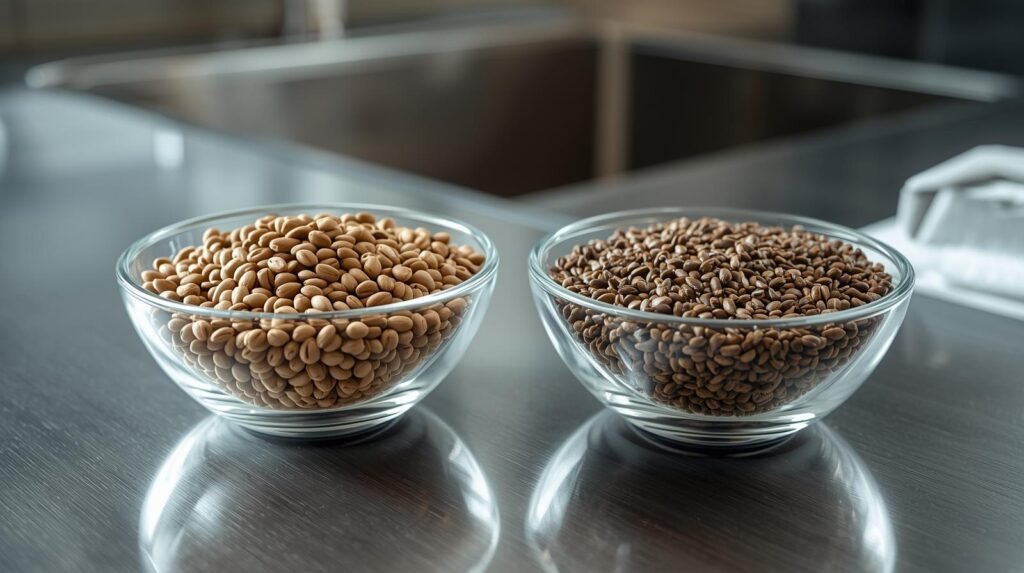
Asario seeds also known as chamsur seeds in english, pepper cres seeds, Halim seeds, Aliv seeds, or Garden Cress seeds (Lepidium sativum)—are tiny, reddish-brown seeds prized across India, the Middle East, and Asia for their nutritional value and medicinal uses.
Belonging to the mustard family (Brassicaceae), these seeds share a peppery character with mustard and watercress, giving them a distinctive flavor that sets them apart in both sweet and savory dishes.
Originating in Southwest Asia and Egypt, Asario or Halim seeds have been cultivated for centuries and are now common in Indian households, where they are regarded as an Ayurvedic superfood. In traditional medicine, they are used to boost iron levels, improve digestion, strengthen immunity, and support women’s reproductive health particularly during postpartum recovery.
Nutritionally, the benefits of garden cress seeds truly pack an incredible punch for such tiny seeds:
Nutrient (per 10g) | Amount | % Daily Value* |
Iron | 12 mg | 67% |
Protein | 2.5 g | 5% |
Fiber | 1.1 g | 4% |
Calcium | 80 mg | 8% |
Folic Acid | 50 µg | 12% |
Aserio Halim seeds or garden cress seeds are gluten-free, vegan, and keto-friendly, making them ideal for a wide range of dietary needs. Asario seeds are often considered one of the best seeds for weight loss and metabolism, thanks to their digestive and nutritional benefits.
What if you want extra support?
That’s where a more structured approach can make a difference. While whole foods like seeds build a strong foundation, some people look for additional support to stay consistent with their goals.
Keep reading and we will walk you through how to combine smart food choices with simple daily habits (and, if you choose, supportive supplements) to create a routine that’s practical, balanced, and easier to stick to.
Flavor Profile: What Do Asario (Halim) Seeds Taste Like?
Asario seeds have a sharp, peppery, and mildly tangy taste, often compared to mustard, arugula, or watercress. The flavor changes noticeably depending on how the seeds are prepared:
Form | Flavor Profile | Texture |
Raw (dry) | Nutty, slightly bitter, and peppery; leaves a gentle tingle on the tongue | Hard, crunchy |
Roasted | Toasty, earthy, and milder in spice | Crisp |
Soaked (in water or milk) | Nutty and mildly sweet, with reduced bitterness | Gel-like coating with a crunchy core |
Sprouted | Fresh, peppery, slightly grassy | Tender, crisp |
When soaked for 4–8 hours, the seeds form a mucilaginous (gel-like) layer—similar to chia or basil seeds—making them easier to digest and mildly sweet when mixed with jaggery, honey, or milk.
Traditional and Modern Uses
Asario seeds are extremely versatile. In Indian cuisine, they’re commonly added to milk-based drinks, desserts, and health tonics, while in modern cooking, they’re finding their way into smoothies, salads, and energy bars.
Preparation | Taste Experience |
Soaked in warm milk + jaggery | Creamy, nutty, and mildly sweet |
Mixed in Halim laddoos with ghee & nuts | Rich, toasty, dessert-like |
Sprinkled on salads or soups | Adds a peppery crunch |
Stirred into kheer or porridge | Smooth, earthy flavor |
Blended in smoothies | Subtle, nutty enhancement |
In Maharashtra, they’re known as Aliv seeds and used in sweet laddoos traditionally made for new mothers. In North India, roasted Halim seeds are stirred into warm drinks to increase stamina and vitality. Read our post: How to Use Asario Seeds in Recipes
Common Names Across Regions
Language / Region | Name |
Hindi | Halim |
Gujarati | Asario |
Marathi | Aliv / Aaliv |
Malayalam / Kannada | Asaliya |
English | Garden Cress Seeds |
Arabic | Hab al Rashad |
Halim Seeds vs. Chia Seeds — Which Is Healthier?
Both Halim seeds (also known as Asario, Aliv, or Garden Cress seeds) and Chia seeds have earned their place as modern superfoods. While they share some similarities, their nutritional strengths, traditional uses, and flavor profiles differ significantly. The better choice ultimately depends on your health goals, taste preference, and dietary needs.
Chia seeds vs Asario Seeds Benefits Comparison
Aspect | Halim Seeds (Asario / Garden Cress) | Chia Seeds (Salvia hispanica) |
Primary Nutrients | High in iron, calcium, folate, vitamins A & C, protein | Rich in omega-3 fatty acids, fiber, calcium, magnesium, antioxidants |
Flavor | Sharp, peppery, tangy (mustard-like) | Mild, nutty, neutral |
Traditional Use | Ayurvedic tonic for anemia, postpartum recovery, respiratory health | Ancient Aztec & Mayan food for energy, hydration, heart health |
Best Known For | Iron and folate—supports blood and women’s health | |
Texture (Soaked) | Light gel coating with crunchy core | Thick, pudding-like gel |
Diet Compatibility | Gluten-free, vegan, keto-friendly | Gluten-free, vegan, keto-friendly |
Chia Seeds vs Asario Seeds Nutrition Difference
(Per 1 tbsp / 10g)
Nutrient | Winner | ||
Calories | 40 kcal | 48 kcal | Halim |
Iron | 12 mg (67% DV) | 1.5 mg (8% DV) | Halim (8× more) |
Protein | 2.5 g | 1.7 g | Halim |
Fiber | 1.1 g | 3.4 g | Chia (3× more) |
Calcium | 80 mg | 63 mg | Halim |
Omega-3 (ALA) | 0 mg | 1,700 mg | Chia |
Folic Acid | 50 µg | 5 µg | Halim (10× more) |
Antioxidants | High (phenolics) | Moderate | Halim |
Glycemic Index | ~15 (Low) | ~1 (Very Low) | Chia |
*DV = Daily Value for adult women. Sources: USDA, NIN India, PubMed (2021–2024)
“Asario Seeds vs Chia Seeds: Which Is Right for You?”
Health Goal / Scenario | Best Seed | Why It Works |
Low Hemoglobin / Anemia | Halim Seeds | 8× more iron + natural Vitamin C improves absorption. |
PCOS / Weight Management | Chia Seeds | High fiber keeps you full longer and balances blood sugar. Best seeds for weight loss and metabolism |
Pregnancy / Lactation | Folate + iron prevent anemia and support postpartum recovery. | |
Heart Health / Vegan Omega-3 | Chia Seeds | Excellent plant-based source of omega-3 ALA. |
Hair Growth / Skin Health | Halim Seeds | Iron + protein boost circulation and tissue repair. |
Diabetes / Blood Sugar Control | Chia Seeds | Gel slows glucose absorption for stable energy. |
Budget-Friendly Option | Halim Seeds | 4–5× cheaper than chia with equal protein content. |
Cost Comparison (India 2025 Estimate)
Seed | Price per kg | 1-Month Supply (1 tsp/day) |
₹150–250 | ₹15–25 | |
₹600–1,200 | ₹60–120 |
Taste and Texture Comparison
Factor | Halim Seeds | Chia Seeds |
Raw Taste | Peppery, mustard-like | Mild, nutty |
Soaked (8 hrs) | Crunchy seed + light gel | Thick, jelly-like gel |
Best In | Laddoos, milk, kheer | Smoothies, puddings, overnight oats |
Kid-Friendly? | Yes, with jaggery or milk | Sometimes rejected for “slimy” feel |
Pro Tip: Soak both before consuming. It improves digestion, nutrient absorption, and flavor.
Side Effects and Precautions
Seed | Potential Concern | Who Should Limit It |
Halim | Contains goitrogens when raw | People with thyroid issues (roast or soak before use) |
Chia | Can cause bloating if eaten dry or in excess | Those with IBS or on blood thinners |
Safe dosage: Start with 1 teaspoon daily (soaked) for either seed. Increase gradually based on tolerance.
Final Verdict: Use Both for Balanced Nutrition
Your Goal | Best Approach |
Anemia + Weight Management | Morning: Halim milk (iron) → Evening: Chia pudding (fiber) |
Pregnancy or Postpartum | Halim laddoo daily + Chia smoothie alternate days |
Vegan Athletes | Halim for protein + iron, Chia for omega-3 and hydration |
General Wellness | Rotate weekly — keeps your nutrition diverse and balanced |
Bottom Line
There’s no absolute “winner.”
Both Halim seeds and Chia seeds shine in their own way:
- Choose Halim Seeds if you want asario seeds benefits to fight anemia, boost hemoglobin, or support reproductive health.
- Choose Chia Seeds if you need omega-3s, fiber, and digestive balance.
- For complete nourishment, include both in your diet — one for iron and strength, the other for heart and gut health.
Can I Buy Authentic garden cress and chia seeds from Amazon?
Yes, you can absolutely find authentic garden cress (Asario/Halim) and chia seeds on Amazon. The key isn’t just the seller, but how pure, fresh, and properly sourced the seeds are. Since these are raw agricultural products, quality can vary.
To ensure you’re getting the real deal and avoiding fillers or “fake” look-alikes, here is what to look for:
- Garden Cress (Asario/Halim Seeds)
Garden cress seeds are tiny, reddish-brown, and have a sharp, peppery taste similar to mustard or arugula.
- What to look for: Seek out brands that specialize in Ayurvedic or traditional Indian ingredients (often labeled as “Halim” or “Aliv”).
- The “Water Test”: Authentic garden cress seeds develop a clear, mucilaginous coating almost instantly when soaked. If they don’t gel or if the water turns an artificial bright red color, they may be dyed or low-quality.
- Chia Seeds
The biggest risk with chia seeds on Amazon isn’t necessarily that they are “fake,” but that they might be old (rancid) or substituted with Basil seeds (Sabja), which look similar but have different nutritional profiles.
- Difference from Basil Seeds: Chia seeds are typically mottled (grey, white, black) and take about 15–20 minutes to form a uniform “gel.” Basil seeds are jet black and gel much faster (within seconds), looking like tiny tadpole eggs.
Tips for Safe Amazon Shopping (Seeds & Superfoods)
- Check the “Sold By” section
Always verify who you’re buying from on Amazon. The safest option is the brand’s official store, rather than unknown third-party sellers. This reduces the risk of counterfeit or poorly stored products. - Read recent reviews carefully
Focus on the latest reviews, not just overall ratings. Watch for red flags like “dust,” “stones,” “insects,” or “rancid smell.” These issues usually point to poor cleaning, storage, or outdated stock. - Look for organic certification
A USDA Organic label adds an extra layer of trust. It confirms the seeds meet strict standards for purity and are free from prohibited pesticides and chemicals.
Can Seeds Alone Support Weight Loss and Metabolism?
Seeds like chia and garden cress (asario) are nutrient-dense and beneficial, but they act as supportive additions. Not primary drivers of weight loss or metabolic change.
What Seeds Actually Do
Chia and similar seeds primarily support weight management through satiety and digestive health:
- Their soluble fiber absorbs water, expands in the stomach, and helps you feel full for longer
- This can naturally reduce calorie intake, especially when replacing more calorie-dense foods
- They supply omega-3 fatty acids and key minerals like iron and magnesium, which support overall metabolic function
- Their fiber content also helps improve blood sugar control and insulin sensitivity
These benefits are meaningful for overall health, but their impact on fat loss is supportive rather than direct.
Why Seeds Alone Are Not Enough
Weight loss does not happen from a single food. Even highly nutritious options like chia or asario seeds cannot override core metabolic factors.
- No direct fat burning: Seeds do not significantly increase thermogenesis or fat oxidation
- No meaningful boost in metabolism: They do not raise your Basal Metabolic Rate (BMR)
- Calorie balance still matters: Weight loss requires a consistent calorie deficit
- Research insight: Adding chia seeds alone has not been shown to produce reliable weight loss outcomes
The Metabolic Reality
Sustainable fat loss depends on how your body regulates and uses energy and not just food choices alone.
Common reasons progress stalls:
- Metabolic adaptation: When calorie intake stays low for a prolonged period, the body naturally reduces energy expenditure to conserve fuel.
- Limited fat oxidation: While fiber can support fullness and digestion, it does not directly trigger the breakdown or “release” of stored body fat for energy.
What Actually Supports Weight Loss and Metabolism
For meaningful and sustainable results, seeds should be included as part of a broader lifestyle and nutrition strategy:
- Calorie control: Maintaining a consistent calorie deficit is essential for fat loss
- Adequate protein intake: Supports muscle maintenance and improves satiety
- Regular physical activity: Helps increase energy expenditure and supports metabolic health
- Quality sleep and stress management: Both directly influence appetite hormones and fat storage
- Targeted metabolic support (if needed): Can complement diet and lifestyle efforts where additional support is required
Seeds like chia and asario support fullness, digestion, and overall nutrition, but they do not directly burn fat burning or significantly boost metabolism.
They can be a helpful part of a healthy diet, but they are not sufficient on their own for meaningful weight loss.
How to Boost Metabolism With Food and Supplements?
To boost metabolism with food and supplements, focus on protein, fiber, thermogenic compounds, and key micronutrients, while keeping the bulk of the strategy in diet and activity.
Foods that support metabolism
Certain foods increase calorie burn through the thermic effect of food (TEF) and improved metabolic function:
- High-protein foods: Lean meat, fish, eggs, dairy, legumes, nuts, and seeds require more energy to digest, temporarily increasing calorie burn
- Fiber-rich foods: Beans, lentils, vegetables, and whole grains support digestion, satiety, and stable blood sugar levels
- Healthy fats: Avocado, olive oil, nuts, seeds, and fatty fish support hormone balance and metabolic health
- Thermogenic foods: Chili peppers (capsaicin), ginger, cinnamon, green tea, and coffee may slightly increase energy expenditure and fat oxidation
These foods support metabolism indirectly by improving digestion, hormone balance, and energy regulation.
Focus on foods with a high Thermic Effect of Food (TEF):
Supplements that may help
Supplements can provide targeted nutritional support, especially when diet alone is not sufficient:
- Green tea extract (EGCG + caffeine): May modestly increase fat oxidation and energy expenditure
- Caffeine-based supplements: Can temporarily increase alertness and calorie burn
- Capsaicin supplements: Support thermogenesis and energy use
- Micronutrients (B vitamins, selenium, zinc): Help support normal metabolic and thyroid function
These effects are generally modest and supportive, not standalone solutions for fat loss.
Bioactive Compounds and Metabolic Support
Some advanced formulations focus on metabolic signaling pathways:
- Citrus flavonoids: Found in citrus-based blends, they are studied for their role in energy metabolism and fat utilization pathways
- Thermogenic support compounds: May slightly increase energy expenditure by raising metabolic activity
- Cellular energy support nutrients: Help enzymes and mitochondria efficiently convert food into usable energy
These approaches are designed to support metabolic efficiency, especially when combined with diet and activity.
Key Takeaway
Metabolism is best supported through a combination of:
- High-protein, nutrient-dense foods that increase the thermic effect of digestion
- Thermogenic ingredients such as caffeine and spices that may slightly raise energy expenditure
- Adequate micronutrient intake to support normal metabolic and hormonal function
- Targeted supplementation where appropriate to complement dietary gaps and metabolic needs
Why Thermogenesis Matters for Your Fat Burning Progress?
If your results have stalled, it maybe because of your metabolism and not your effort. This is where thermogenesis becomes important. It’s the process your body uses to produce heat, and in doing so, it burns calories.
When thermogenesis is more active, your body is better at using stored fat as a fuel source. That means you’re not just relying on workouts to burn calories but also supporting calorie burn throughout the day, even at rest.
Meet CitrusBurn: A Mediterranean-Inspired Formula
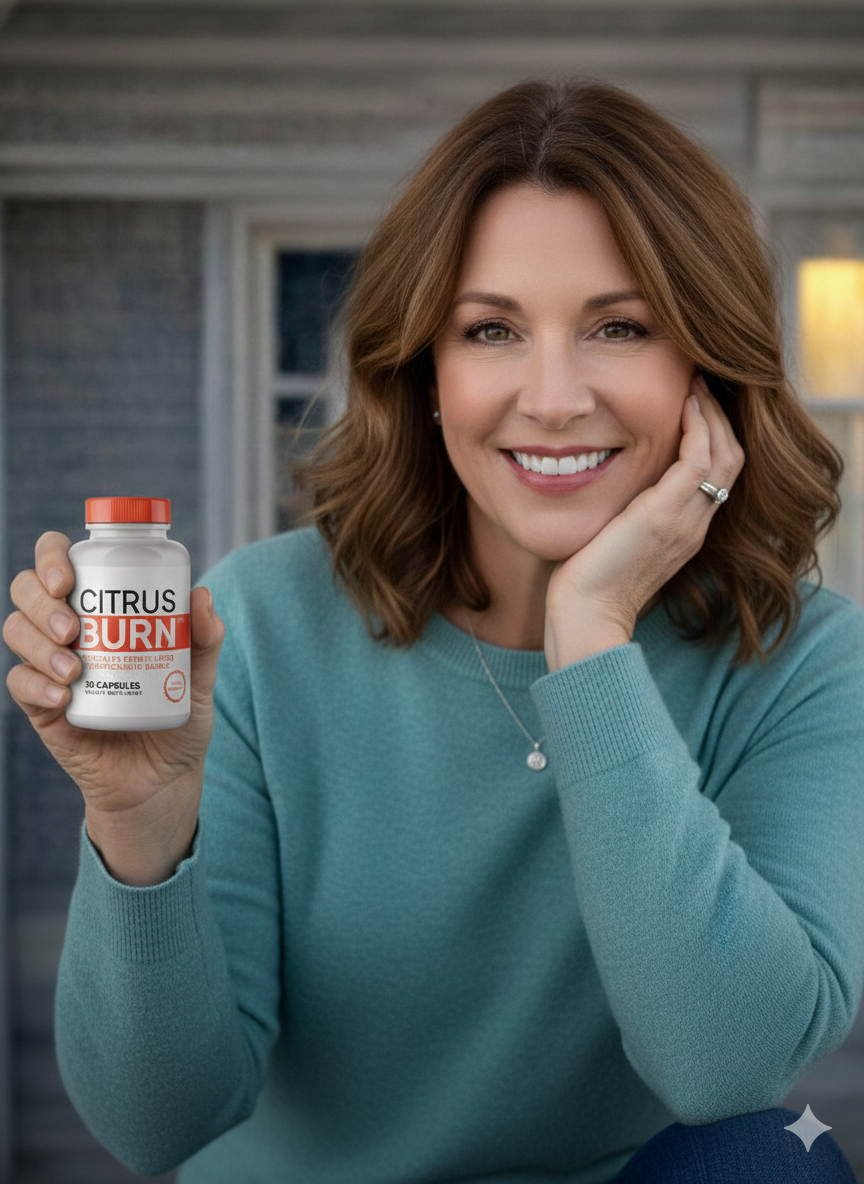
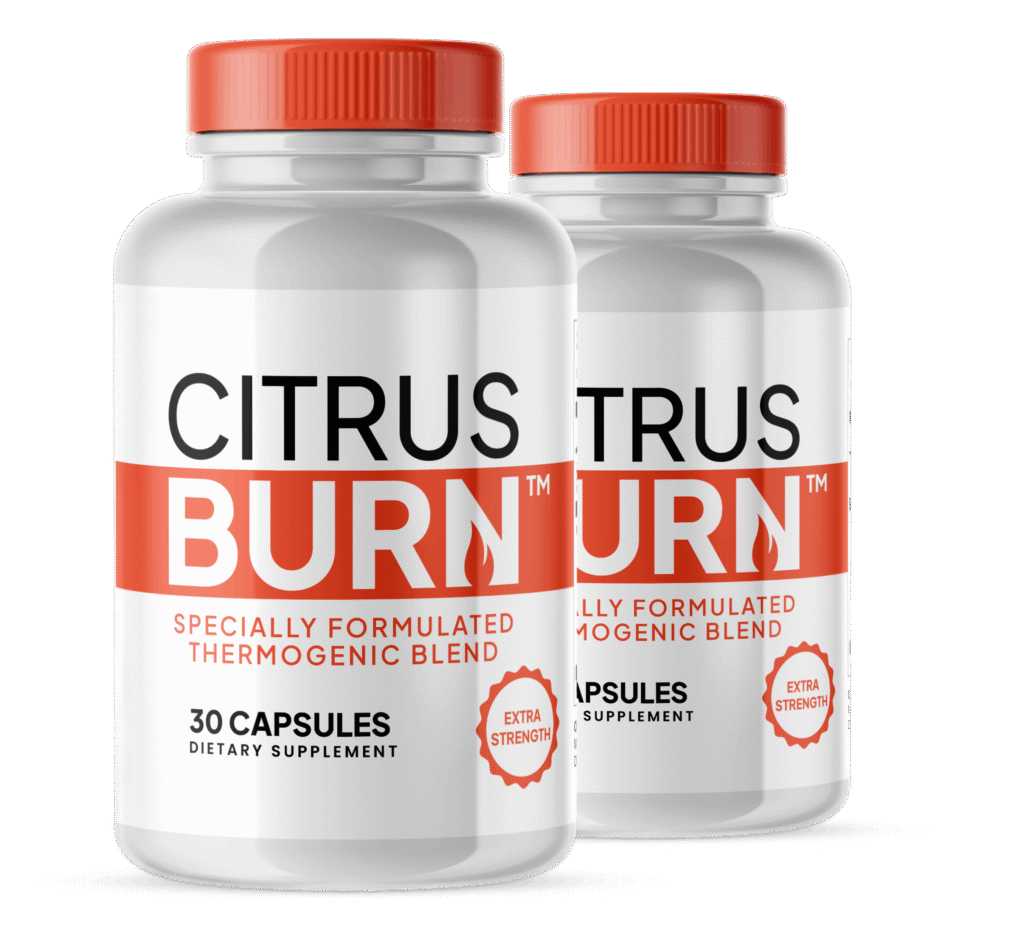
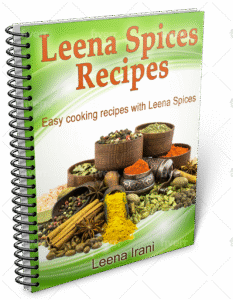
CitrusBurn is a dietary supplement designed to support thermogenesis and fat burning. The idea is simple: give your metabolism a gentle, plant-based push so your body can use energy more efficiently throughout the day.
What’s Inside the Formula
- The Core Ingredient
At the center of CitrusBurn is Seville orange peel (bitter orange), a natural source of p-synephrine. This compound is commonly used in thermogenic formulas for its role in supporting metabolic activity and fat utilization. - The Supporting Blend
To create a more balanced effect, the formula combines several well-known plant extracts. Green tea extract is often included for its antioxidant content and metabolism support, while berberine, ginseng, and apple cider vinegar are used to complement energy balance, digestion, and overall metabolic function. - The Thermogenic Boost
Capsaicin (from red pepper) and ginger round out the blend. These ingredients are known for their ability to promote heat production in the body and support digestion. Both play a role in how efficiently your body uses calories.
Quality You Can Trust
While the premium citrus elements are sourced directly from the Mediterranean, the final product is manufactured and shipped from GMP-certified facilities in the USA. This ensures that you are getting a high-quality, regulated supplement delivered straight to your door.
Natural Weight Loss Foods vs Fat-Burning Supplements
Natural weight loss foods and fat-burning supplements play different roles in body composition and metabolism. They are not substitutes for each other but work best when understood as foundation vs support.
1. Natural Weight Loss Foods (Foundation of Fat Loss)
Foods such as chia seeds, asario seeds, lean proteins, vegetables, fruits, legumes, and whole grains support weight loss through dietary control.
- Primary mechanism: Reduce calorie intake by improving satiety and fullness
- Nutritional role: Provide fiber, protein, vitamins, and minerals essential for metabolic and hormonal health
- Effect on fat loss: Helps prevent excess calorie consumption rather than actively burning fat
- Outcome: Long-term, sustainable weight management when paired with balanced eating habits
These foods are the core foundation of any effective weight loss approach.
2. Fat-Burning Supplements (Metabolic Support Layer)
Fat-burning supplements, including thermogenics and metabolic blends, are designed to support energy expenditure and appetite regulation.
- Primary mechanism: May slightly increase thermogenesis or reduce appetite
- Effect size: Generally modest according to research; not a standalone solution
- Role in weight loss: Supportive—not primary—function in a calorie-controlled diet
- Consideration: Should be used as an add-on, not a replacement for healthy eating
For example, formulations like CitrusBurn are positioned as metabolic support tools that complement diet and lifestyle habits rather than replace them.
3. Key Differences
- Natural foods: Control hunger and calorie intake (Calories In)
- Supplements: Provide mild support for energy expenditure (Calories Out)
Factor | Natural Foods | Fat-Burning Supplements |
Primary role | Satiety & nutrition | Metabolic support |
Main outcome | Reduced calorie intake | Slight increase in energy use |
Sustainability | High (daily diet) | Supportive, not essential |
Dependency | Essential foundation | Optional enhancement |
Conclusion
Natural weight loss foods form the foundation of sustainable fat loss by regulating appetite and improving nutrition quality. Fat-burning supplements may offer additional metabolic support, but their impact is generally modest and depends on an already balanced diet.
For best results, weight management should prioritize:
- Whole, nutrient-dense foods that support satiety and overall nutrition
- Calorie balance to maintain a sustainable energy deficit
- Consistent physical activity to support energy expenditure and metabolic health
To boost metabolism effectively, you may want to combine thermogenic foods (which increase calorie burn during digestion) with bioactive supplements like CitrusBurn (which activate fat-burning enzymes).
Pair Seeds with CitrusBurn for amplified fat burn
Where to buy authentic CitrusBurn in the USA
Can You Take a Weight Loss Supplement with Chia Seeds?
Some people combine a metabolism-support supplement with a high-protein, high-fiber diet, including chia seeds, and most people can do so when they tolerate both well and use them appropriately. But it should be done thoughtfully and safely.
The Synergistic Effect
Combining chia seeds with a weight loss supplement can offer complementary benefits when used correctly.
- Chia seeds (satiety support): Their soluble fiber forms a gel in the stomach, slowing digestion and helping you feel full longer. This may also slow the absorption of nutrients, supporting a more gradual energy release.
- Weight loss supplements (metabolic support): Products with ingredients like citrus flavonoids are designed to support pathways involved in energy use and fat metabolism.
How They Work Together
- Chia seeds provide fiber and omega-3 fatty acids, which help with fullness, digestion, and overall metabolic health
- Weight loss supplements like CitrusBurn may support energy expenditure or appetite control
Used together, they can complement each other and create a balanced approach:
Chia supports appetite control and digestion, satiety and nutrition
CitrucBurn support metabolic activity
Safety Guidelines
To use both effectively:
- Start gradually: High fiber from chia can cause bloating or discomfort if intake increases too quickly
- Stay hydrated: Always consume chia seeds soaked or with enough water to avoid digestive discomfort . Chia absorbs water, so adequate fluid intake is essential
- Watch for sensitivities: Combining high-fiber foods with certain supplements may increase digestive side effects like bloating, gas or diarrhea
- Use supplements only as a secondary, optional support layer
- Timing matters: Take a supplement like CitrusBurn about 20–30 minutes before meals to align with digestion and nutrient absorption. Follow their guidelines
When to Be Careful
Consult a healthcare professional before combining if you:
- Take medications for blood pressure, blood sugar, or blood thinning
- Are sensitive to high-fiber foods or supplements
- Use cholesterol-lowering treatments
- Have digestive conditions or sensitivity to high-fiber foods
Practical Advice
- Use chia seeds as a food-based support for fullness and nutrition
- Treat supplements, including CitrusBurn, as an optional addition, not a replacement for a balanced diet
- Focus on consistency with diet, hydration, and lifestyle habits
Bottom Line
Chia seeds are a nutrient-dense food that can support fullness and modest weight management when included in a calorie-controlled diet, while CitrusBurn is positioned as a daily supplement designed to support metabolism and appetite control.
Chia seeds and weight loss supplements can be used together as part of a balanced approach. However, they work best when combined with proper diet, hydration, and lifestyle habits, not as a standalone solution.
- If you prefer a food-first approach, chia seeds are a simple and effective choice to support fullness and daily nutrition.
- If convenience matters more, a daily supplement like CitrusBurn can be an easy way to support metabolism and energy levels.
- Some people choose to combine a high-fiber diet with a supplement routine to create a more well-rounded approach to weight management.
Seeds can support fullness and healthy eating habits, but they are not a standalone fat-loss solution. If you want a supplement designed for metabolism and energy support, CitrusBurn is another option worth reviewing.

Impu Irani is a cookbook author behind Leena Spices, where he shares practical, easy-to-follow guides on homemade spice blends, herbs, and natural cooking. His work helps home cooks create fresh, flavorful meals using simple ingredients and traditional methods. Download his free Spice Blending eBook and start your journey to cleaner cooking today!
Disclosure Note
We are committed to creating high-quality, helpful content for our readers. We do not accept payment in exchange for writing our articles, and we personally cover the costs of running this website, including hosting, tools, and maintenance.
To support the site, we display ads and may earn a small commission from affiliate links if you choose to make a purchase—at no extra cost to you.
Your support helps us continue sharing valuable content with the community.
If you’d like to support us, here are a few simple and free ways:
- Share our content with your friends and family
- Engage with us on social media
- Follow us on Facebook
You can also learn more by visiting our disclaimer page:
https://leenaspices.co.nz/disclaimer/
As a thank you, feel free to download our Free Spice Recipe eBook.
Medical Disclaimer
Easy, step-by-step instructions for creating your own spice blends from your kitchen.”More than 200 spices from around the world
Frequently Asked Questions (FAQs)
What are Asario (Halim) seeds?
Asario seeds, also called Halim or Garden Cress seeds, are tiny reddish-brown seeds rich in iron, calcium, folate, and protein. They have been used for centuries in Ayurvedic and Middle Eastern diets to improve digestion, boost immunity, and support women’s health during menstruation and lactation.
How are Asario seeds different from Chia seeds?
The main difference lies in their nutrients and traditional uses. Asario seeds are high in iron and folate, making them ideal for improving hemoglobin and energy levels. Chia seeds, on the other hand, are loaded with omega-3 fatty acids and fiber, which promote heart health and digestion. Asario seeds have a peppery, warming flavor, while chia seeds taste mild and neutral.
Which seed is better for weight loss?
Both can support weight management, but in different ways. Chia seeds are high in fiber, which keeps you feeling full longer and helps control cravings. Asario seeds can boost metabolism and improve iron absorption, which supports overall energy and fat metabolism. You can include both in your diet for balanced results.
How should I eat Asario seeds daily?
Soak one teaspoon of Asario seeds in water or milk for a few hours until they swell and form a gel. You can drink them directly or mix them into milk, smoothies, porridge, or homemade laddoos. Adding a little honey or jaggery enhances both the flavor and iron absorption.
Can Asario and Chia seeds be eaten together?
Yes, combining them is a great way to balance your nutrition. Soaked Asario and Chia seeds together provide a powerful mix of iron, omega-3s, calcium, and protein. Try adding this blend to your overnight oats, yogurt, or breakfast bowls.
Are there any side effects of Asario or Chia seeds?
Both seeds are safe when eaten in moderation. However, raw Asario seeds may affect thyroid function if consumed in large amounts, so it’s best to soak or lightly roast them. Chia seeds can cause bloating if eaten dry or in excess. Start with one teaspoon daily and increase slowly.
Which seed is better for anemia?
Asario seeds are much better for anemia and low hemoglobin. They contain nearly eight times more iron than chia seeds and also have folate and vitamin C, which help your body absorb iron more efficiently.
Which seed supports heart and brain health?
Chia seeds are the best choice for heart and brain health because they are rich in omega-3 fatty acids. These healthy fats help lower cholesterol, reduce inflammation, and support better brain function.
Are Asario seeds safe during pregnancy?
Yes, Asario seeds are generally safe when eaten in moderation. They are a traditional source of iron and folic acid, which support fetal growth and milk production. However, always consult your doctor before adding any new supplement or food during pregnancy.
Can CitrusBurn be used alongside a healthy diet that includes chia seeds?
Yes, many people pair a high-fiber food like chia seeds with a metabolism-focused supplement. Chia seeds support fullness and digestion, while a supplement like CitrusBurn is designed to support metabolism and appetite control. Used together within a balanced, calorie-conscious diet, they can complement each other.
Can I combine seeds with metabolism supplements?
Yes, combining nutrient-dense seeds with a metabolism-support supplement is a common approach. Seeds help you feel full and nourished, while supplements like CitrusBurn may support energy use and appetite regulation. This combination can be useful for those looking for broader, more structured weight-management support.