Table of Contents
ToggleIntroduction
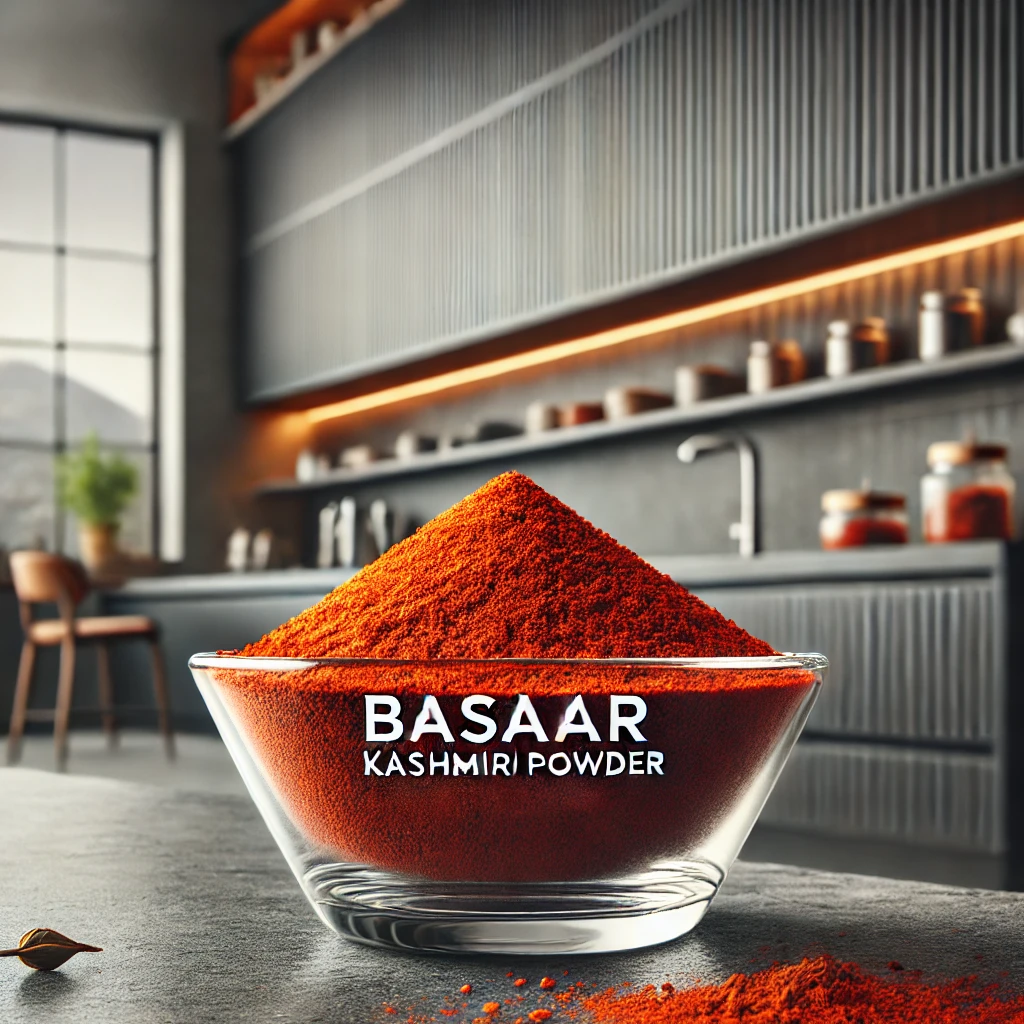
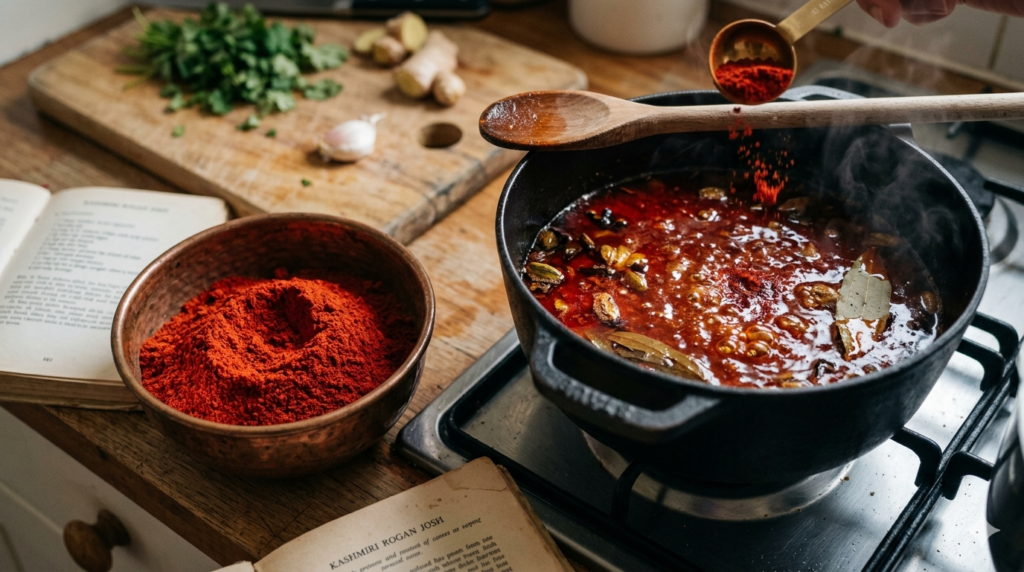
If you enjoy cooking authentic Indian and Pakistani cuisine, you have almost certainly encountered the legendary Kashmiri chili. This beloved spice is prized for its ability to give dishes a beautiful, deep crimson color while delivering a gentle warmth rather than overwhelming heat. It is the secret behind the vibrant appearance of classics such as traditional Rogan Josh, where color and aroma are just as important as flavor.
But even experienced home cooks face a common challenge: you follow a recipe exactly, yet your curry turns out either much hotter than expected or lacking that signature rich red hue. The reason lies in understanding how Kashmiri chili behaves with its color intensity, heat level, and how it interacts with other ingredients.
Once you learn how to adjust and balance Kashmiri chili during cooking, you gain much greater control over your dishes. Let’s explore what makes this unique chili special and how you can fine-tune the heat, color, and flavor of your next curry with confidence.

Impu Irani is the cookbook author behind Leena Spices , where he shares easy homemade spice blend recipes and practical cooking tips. Read more about him at the end of this post.
The Big Secret: Color Doesn’t Always Mean Heat
The first thing to understand about chili peppers is that appearance can be misleading. We often assume that a bright red curry must be intensely spicy, but Kashmiri chili powder challenges that assumption. Its stunning crimson color comes primarily from natural pigments called carotenoids, not from extremely high levels of capsaicin—the compound responsible for the burning sensation we associate with chili heat.
To put the difference into perspective, a small bird’s eye chili can measure around 50,000–100,000 Scoville Heat Units (SHU), delivering a sharp, intense heat. Authentic Kashmiri chili is much milder, typically ranging around 1,000–2,000 SHU, depending on the variety, growing conditions, and processing methods.
The takeaway: Think of Kashmiri chili as a natural color enhancer with a gentle warmth, fruity aroma, and subtle pepper flavor. It is ideal when you want your curries to have that iconic restaurant-style red glow without overwhelming the other spices. If you are looking for a strong, mouth-burning heat, you will need to pair it with a hotter chili variety or adjust the chili quantity separately.
Want to Kick It Up a Notch? How to Add Heat Without Losing Balance
If you are using a carefully balanced base blend like our Kashmiri Basaar Spice Blend—where sweet paprika is intentionally used to create a rich color and gentle flavor foundation—you may sometimes want to increase the heat for those who prefer a more fiery curry.
Rather than simply adding a large amount of chili powder, which can overpower the delicate aromas of the blend, use a more controlled approach. These chef techniques allow you to increase the spice level while preserving the depth, color, and harmony of the original recipe.
Try These Three Simple Methods to Add Heat Without Compromising Flavor
1. Build Background Heat with Peppercorns and Warming Spices
Instead of relying only on red chilies for heat, add complexity by introducing other warming spices. A pinch of freshly cracked black peppercorns or ground mustard seeds added during the oil-tempering stage creates a deeper, slow-building warmth that develops gradually on the palate. This type of heat pairs beautifully with aromatic spices such as mace and fennel, making it especially suitable for rich northern-style curries.
2. Use Fresh Green Chilies for Bright, Fresh Heat
If you want a sharper, fresher chili flavor without altering the deep red color of your curry, fresh green chilies are an excellent option. Slice them lengthwise and remove the seeds and inner membrane if you prefer a milder heat level. Add the chilies to your simmering gravy to release a clean, vibrant chili aroma while keeping the sauce’s rich color intact.
3. The 10-Minute Oil Bloom Technique
If you want to enhance both the warmth and visual appeal of your curry near the end of cooking, try a quick chili oil bloom. Heat a tablespoon of ghee or oil separately, add ½ teaspoon of pure Kashmiri chili powder, and stir for only a few seconds until the color releases. Immediately swirl this infused oil into your curry during the final 10 minutes of cooking to add a beautiful red sheen, deeper chili aroma, and a gentle boost of warmth.
Chef’s note: Keep the chili powder moving during blooming—ground chilies contain delicate pigments that release quickly but can become bitter if overheated. The goal is to awaken the color and aroma, not fry the spice.
If you are using a carefully balanced base blend like homemade Kashmiri Basaar Spice Blend recipe—where sweet paprika is intentionally used to create a rich color and gentle flavor foundation—you may sometimes want to increase the heat for those who prefer a more fiery curry.
📖 Ready to Master the Science of Spices?
Don’t stop at chili balancing. Discover how to toast, mill, and combine 16 regional spices flawlessly. Grab your masterclass copy today!
Download ‘Homemade Spice Secrets’ by Leena Irani →Too Spicy? 4 Quick Ways to Rescue Your Gravy
We have all been there—you get a little generous with the chili, and suddenly your curry delivers more heat than you intended. The first instinct might be to add plain water, but this usually weakens the flavor, thins the texture, and can disturb the carefully developed balance of the sauce.
Instead, use these kitchen-tested methods to soften the heat while keeping your gravy rich and flavorful:
1. Reach for Full-Fat Dairy
Capsaicin, the compound responsible for chili heat, is fat-soluble, meaning it binds more readily with fats than with water. Adding a few tablespoons of full-fat Greek yogurt, cream, sour cream, or coconut milk can help mellow the intensity by coating the palate and creating a smoother, richer sauce.
Tip: Add dairy gradually and stir well to prevent curdling, especially in tomato-based or high-acid gravies.
2. Add a Splash of Acid
A touch of acidity can brighten a dish and balance the perception of excessive heat. Fresh lemon juice, lime juice, or a small splash of vinegar can cut through the heaviness of a spicy gravy and bring the flavors back into harmony.
Tip: Add acid little by little—you want balance, not a sour curry.
3. Introduce a Hint of Sweetness
A small amount of sweetness can soften the sharp edges of chili heat. Try adding a teaspoon of honey, brown sugar, or sweet mango chutney to create a more rounded flavor profile. This does not remove the capsaicin, but it helps balance the overall taste experience.
4. The Potato Trick
For hearty lamb, chicken, or vegetable curries, adding peeled potato pieces while the dish simmers can help absorb some of the spicy oil and seasoning from the gravy. The potatoes will take on some of the surrounding flavors while slightly reducing the intensity of the sauce.
Chef’s note: If the curry is still too hot after these adjustments, increasing the overall volume of the dish—by adding more cooked vegetables, protein, tomato base, or unsalted sauce—can dilute the chili concentration without sacrificing flavor.
Skip the Guesswork Entirely
Balancing 16 different raw spices, color agents, and heat components can feel like a full-scale science experiment—especially when all you want is a well-flavoured meal on the table.
If you prefer a reliable, ready-to-use foundation that delivers consistent results every time—rich crimson colour, warm aroma, and a mellow, well-rounded flavour profile—starting with a carefully crafted base blend can make all the difference.
Frequently Asked Questions
Is Kashmiri chili powder spicy?
Not compared to standard chilis! True Kashmiri chili is celebrated for its vibrant crimson color and mild flavor profile, ranking low at 1,000 to 2,000 Scoville Heat Units (SHU). For comparison, a tiny bird’s eye chili can easily reach 100,000 units. It brings a gentle, comforting warmth to your dishes rather than an aggressive burn.
What is the best substitute if I can't find Kashmiri chili?
If you run out of Kashmiri chili, the best substitute is a mix of three parts sweet paprika to one part cayenne pepper. The paprika mimics the gorgeous, deep red color, while the cayenne adds just enough background warmth to balance the dish without overpowering it.
Can I fix a curry that is too spicy by adding more water?
Please avoid adding plain water! Diluting your curry with water will break down the rich emulsion of your sauce, stripping away the depth of your spices and turning your gravy thin and bland. Instead, neutralize the heat using fat-soluble rescues like full-fat yogurt, cream, a splash of lime juice, or a raw potato.
Does cooking a curry longer make it less spicy?
Actually, the opposite usually happens. As a curry simmers and reduces over time, the water evaporates, concentrating the remaining fats, oils, and capsaicin. If your curry is already pushing your heat limits, letting it reduce further will make the spice profile feel much more intense.
Why did my chili powder turn bitter when I added it to the pan?
Chili powder burns incredibly fast. If you drop it into a pan with smoking hot ghee or oil without enough moisture, the natural sugars and elements scorch in seconds, creating a bitter, acrid taste. Always bloom your spices in warm (not smoking) oil for just 5 to 10 seconds, or flash-cool the pan by tossing in your chopped tomatoes or a splash of water right away.
Impu Irani is a cookbook author behind Leena Spices, where he shares practical, easy-to-follow guides on homemade spice blends, herbs, and natural cooking. His work helps home cooks create fresh, flavorful meals using simple ingredients and traditional methods. Download his free Spice Blending eBook and start your journey to cleaner cooking today!
Disclosure Note
We are committed to creating high-quality, helpful content for our readers. We do not accept payment in exchange for writing our articles, and we personally cover the costs of running this website, including hosting, tools, and maintenance.
To support the site, we display ads and may earn a small commission from affiliate links if you choose to make a purchase—at no extra cost to you.
Your support helps us continue sharing valuable content with the community.
If you’d like to support us, here are a few simple and free ways:
- Share our content with your friends and family
- Engage with us on social media
- Follow us on Facebook
You can also learn more by visiting our disclaimer page:
https://leenaspices.co.nz/disclaimer/
As a thank you, feel free to download our Free Spice Recipe eBook.
Download a Free Leena Spices Recipes Cookbook