Table of Contents
ToggleIntroduction
Moringa oleifera, commonly known as the “miracle tree” or “drumstick tree,” has made its way from traditional kitchens and herbal practices into the spotlight as a globally recognized superfood. For generations, cultures around the world have used moringa leaves, seeds, and other parts of the plant for their nutritional and wellness benefits. Today, modern research is helping us better understand the science behind its impressive nutrient profile.
For home cooks and wellness enthusiasts in New Zealand, adding moringa to everyday meals can be simple and rewarding. The key is understanding the difference between fresh moringa leaves and dried moringa powder. Each form has its own unique qualities, flavors, and best uses in the kitchen, helping you make the most of this nutrient-rich botanical.

Impu Irani is the cookbook author behind Leena Spices , where he shares easy homemade spice blend recipes and practical cooking tips. Read more about him at the end of this post.
Key Takeaways: Moringa
What Science Says About Moringa
Before exploring the culinary uses, traditional preparations, and flavor profile of this remarkable plant, it helps to understand why Moringa oleifera has gained worldwide attention as a nutrient-rich botanical.
Unmatched Nutritional Density
Often called a “superfood,” dried moringa leaf powder is valued for its impressive concentration of essential nutrients. Gram-for-gram, it provides a rich source of plant-based calcium, non-heme iron, protein, and essential amino acids compared with many commonly consumed leafy greens.
Potent Antioxidant Activity
Moringa is rich in naturally occurring plant compounds, including polyphenols, isothiocyanates, and chlorogenic acid, which have been studied for their antioxidant properties. These bioactive compounds help neutralize free radicals which are unstable molecules that can contribute to oxidative stress in the body.
Metabolic & Cardiovascular Support
Research into Moringa oleifera suggests that its naturally occurring plant compounds may support aspects of metabolic and cardiovascular health. Some clinical studies have explored moringa’s potential role in maintaining healthier lipid profiles, including supporting balanced cholesterol and triglyceride levels.
Powder vs. Fresh Leaves: Understanding the Difference
Fresh leaves contain higher levels of delicate, water-soluble nutrients such as vitamin C, which can decrease during drying and storage due to exposure to heat, oxygen, and light.
On the other hand, moringa leaf powder provides a convenient, shelf-stable option with a more concentrated nutritional profile by weight. The drying process removes water, concentrating naturally occurring minerals, plant proteins, fiber, and other beneficial compounds, making it an easy way to add moringa to smoothies, teas, soups, and everyday recipes.
The Culinary Golden Rule: Add Moringa at the Right Time
To preserve as many of moringa’s delicate plant compounds as possible, it is best to avoid exposing the leaves or powder to high heat for extended periods. Prolonged cooking may reduce certain heat-sensitive nutrients and bioactive compounds, including some enzymes and antioxidants.
For maximum flavor and nutritional value, add moringa powder toward the end of cooking or stir it into warm dishes after removing them from direct heat.

The Nutritional Science: Why Moringa is a Powerhouse
Moringa’s reputation as a superfood goes far beyond marketing. It’s a unique plant because nearly every part of the tree has been used traditionally for its nutritional properties. That said, the real nutritional strength is found in the leaves.
Fresh moringa leaves naturally contain a range of vitamins and minerals, including vitamins A, B6, C, riboflavin, and iron. When the leaves are carefully dried and ground into a fine green powder, the water content is removed, which naturally concentrates many of these nutrients, especially minerals.
Minerals and Amino Acids in Moringa: A Bioavailable Plant Source
For those following plant-based or dairy-free diets, getting enough highly absorbable calcium can sometimes be a challenge. Moringa oleifera provides plant-based calcium in a form the body can use effectively, along with other important minerals that support overall nutrition.
It is also often described as a “complete” plant protein, meaning it contains all nine essential amino acids that the body cannot produce on its own. This makes moringa especially valuable in plant-forward diets where protein variety matters.
Traditionally, moringa has been used in systems such as Ayurveda to help support general wellbeing, including energy levels and resilience during seasonal changes. Today, it continues to be appreciated as a natural way to help fill nutritional gaps in everyday diets.
The Cook’s Guide to Moringa
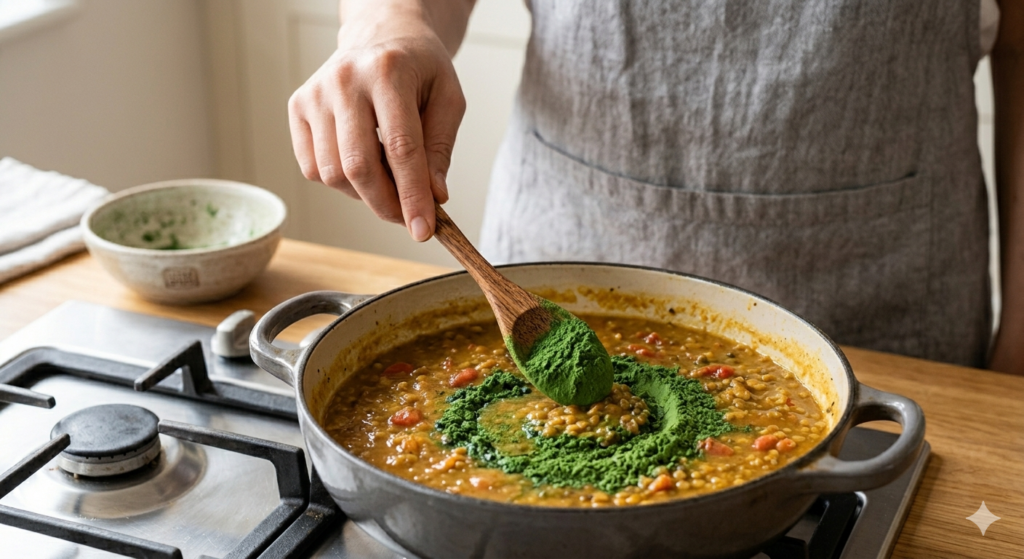
Many people approach moringa primarily as a wellness ingredient. Try to treat it as a true culinary herb. It will then opens up a world of flavor, creativity, and nutritional possibilities. Learning how to balance its bold flavor, choose the right preparation method. Add it at the correct stage of cooking. This can transform moringa from a simple supplement into a versatile everyday kitchen ingredient.
Understanding the Flavor Profile
Moringa, a nutrient-rich leafy green, has a distinctive flavor profile. Raw moringa leaves and powder offer a deep earthy taste with fresh herbal notes, similar to green tea or matcha. They also have a subtle bitterness and a mild peppery finish reminiscent of rocket (arugula) or radish greens.
Because its flavor is naturally robust, a small amount can make a noticeable difference. The goal is not to overpower its unique taste but to create balance by pairing it with ingredients that soften and complement its earthy undertones.
Creamy ingredients such as coconut milk, yogurt, and nut-based sauces can mellow moringa’s intensity, while warming spices like turmeric, cumin, ginger, and garlic help create a more rounded flavor profile. Bright ingredients such as lemon, lime, and fresh herbs add contrast and lift its green, herbal notes.
Moringa Tip:
Many home cooks make the mistake of boiling moringa powder directly into their dishes, which destroys its delicate vitamins and leaves a bitter, muddy taste. To preserve both its bright, grassy flavor and its live enzymes, treat moringa as a finishing herb.
Add moringa powder or fresh leaves at the very end of cooking, during the final sixty seconds or immediately after removing the dish from heat. The remaining warmth is enough to blend its earthy flavor into the dish without unnecessarily exposing its delicate nutrients to prolonged heat.
Three Easy Ways to Use Moringa Daily
1. The Final Stir-In (Dals & Curries)
Prepare your favorite yellow dal, vegetable curry, or stew as you normally would. Once the dish is fully cooked and removed from the heat, stir in one teaspoon of Moringa Powder. The gentle warmth of the dish helps mellow moringa’s natural astringency, creating a smoother, more balanced earthy flavor.
2. The Citrus-Packed Smoothie
Pair moringa powder with bright, refreshing fruits to balance its green, herbal notes. Blend one teaspoon of moringa powder with fresh pineapple, green apple, ginger, and a squeeze of lime juice. The vitamin C naturally found in these fruits may help improve the absorption of non-heme iron from plant-based foods like moringa.
3. The Finishing Spice Sprinkle
Create a nutrient-rich finishing blend by mixing a pinch of moringa powder with flaky sea salt, toasted cumin, and a touch of black pepper. Sprinkle this flavorful mixture over roasted vegetables, salads, or warm flatbreads just before serving for an extra boost of earthy flavor and plant-based goodness.
Looking to Master the Art of Spice Blending?
Stop Buying Stale, Store-Bought Spice Packets.
Creating exceptional spice blends is both a science and an art. Powerful ingredients like raw hing resin (asafoetida) require careful handling because even the smallest amount can dramatically transform a dish. Just a pinch too much can overpower delicate flavors, while the right balance can add incredible depth, aroma, and restaurant-quality complexity.
Mastering these combinations takes knowledge of ingredient ratios, regional traditions, and the techniques used by experienced cooks.
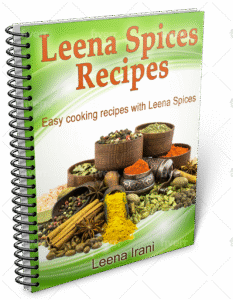
If you want to move beyond guesswork and confidently create authentic flavors at home, our premium digital cookbooks are made for you. Inside, you’ll discover carefully tested spice ratios, traditional regional pairings, and step-by-step recipes that help you recreate hundreds of delicious global dishes with confidence.
Whether you are a beginner exploring spices or an experienced home cook looking to refine your skills, these guides will help you unlock the true potential of your spice cabinet.
Find Your Daily Balance: Moringa Interactive Dosage Calculator
Because dried moringa is highly concentrated, it is important to find a daily intake that matches your specific health goals without overloading your digestive system. Use our interactive tool below to calculate your ideal serving size, track estimated nutritional values, and read customized preparation tips.
Moringa Dosage & Nutrient Calculator
Adjust your settings to see estimated real-time nutritional values.
Recommended Action Plan
1 tsp is an excellent starting point for general well-being. Mix it into smoothies, juices, or warm water.
*Disclaimer: This calculator provides structural estimates based on nutritional baselines. Not intended as medical prescription. Consult a practitioner if pregnant.
Ready to cook? Get our step-by-step Recipe Ebooks here https://leenaspices.co.nz/ebooks/
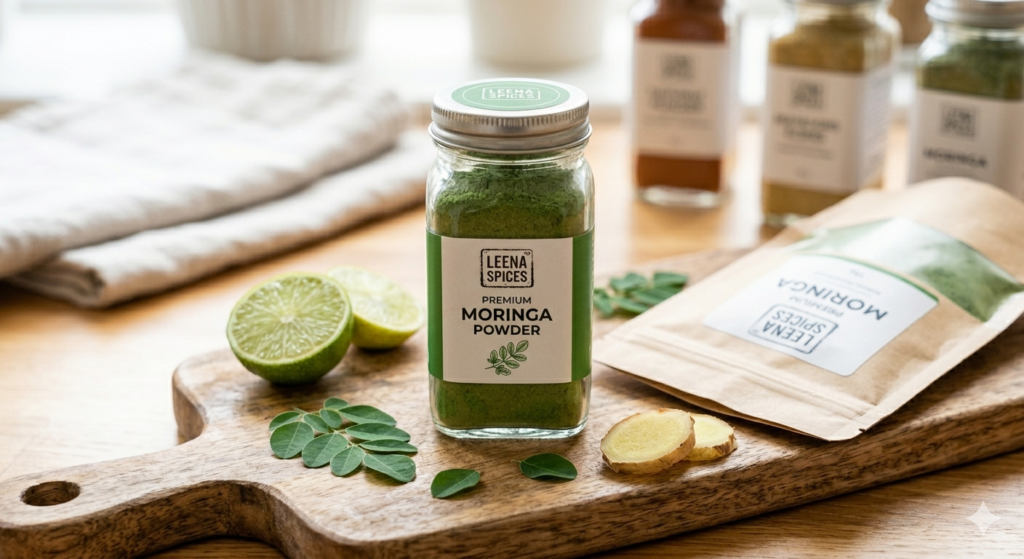
For more detail, recipes, and practical guidance, check out my full-length cookbooks.
Frequently Asked Questions (FAQs)
What is moringa oleifera used for?
Moringa oleifera is used as a nutrient-rich food ingredient and functional plant. Its leaves are consumed fresh or as powder for nutritional support, while the pods are widely used in South Asian cooking. It is valued for its vitamins, minerals, plant protein, and antioxidant compounds.
Is moringa a superfood or just hype?
Moringa is considered a legitimate superfood due to its high nutrient density and bioactive compounds. While it is not a cure for disease, research supports its role in improving nutritional intake, supporting metabolic health, and reducing oxidative stress when used consistently.
What does moringa taste like?
Fresh moringa leaves have a mild, slightly earthy and green flavour, similar to spinach. Moringa powder has a stronger herbal taste with subtle bitterness, which blends well into smoothies, curries, sauces, and seasoning mixes.
Can moringa be used in everyday cooking?
Yes. Moringa leaves can be added to dals, curries, soups, and stir-fries. Moringa powder can be mixed into smoothies, flatbreads, chutneys, spice blends, and functional foods without significantly altering flavour when used in small amounts.
Is moringa suitable for plant-based and vegan diets?
Moringa is entirely plant-based and provides complete protein, essential amino acids, and key minerals, making it especially valuable for vegetarian and vegan diets.
Can moringa be taken daily?
Moringa can be consumed daily in moderate food-based amounts. A common daily intake is 1–2 teaspoons of moringa powder or a serving of fresh leaves added to meals.
Are there side effects of moringa?
Moringa leaves and powder are generally well tolerated. Excessive intake may cause digestive discomfort. Roots and bark are not recommended for regular consumption. Pregnant women and individuals on medication should consult a healthcare professional.
Does moringa interact with medications?
Moringa may influence blood sugar and blood pressure levels. People taking diabetes, blood pressure, or thyroid medications should seek medical advice before regular use.
How should moringa powder be stored?
Moringa powder should be stored in an airtight container away from heat, light, and moisture to preserve nutrients and flavour. Proper storage helps maintain potency and shelf life.
How long does moringa powder last?
When stored correctly, high-quality moringa powder typically retains quality for 6–12 months. Always check freshness, aroma, and colour before use.
Is moringa suitable for people with thyroid conditions?
Moringa leaves are not goitrogenic like some cruciferous vegetables. However, people with thyroid disorders should consult a healthcare professional before consuming it regularly.
What is the best time of day to consume moringa?
Moringa can be consumed at any time of day. Many people prefer morning or midday use to support energy and digestion, while others incorporate it into meals.
Who should avoid moringa?
Individuals who are pregnant, breastfeeding, or taking prescription medication should seek medical advice before using moringa regularly, especially in powdered or concentrated forms.
Final takeaway
Moringa is best understood as a nutrient-dense, functional food rather than a supplement or medicine. When used consistently and sensibly, it supports everyday wellness and enhances both traditional and modern cooking.
The content on this blog, including information about, nutrition, and health benefits, is provided for educational and informational purposes only. It is not intended as medical advice, diagnosis, or treatment.
Always consult a qualified healthcare professional or your doctor before starting any new diet, supplement, or health regimen, especially if you are pregnant, breastfeeding, have a medical condition, or are taking medications.
Leena Spices and its team do not accept any liability for any adverse effects or consequences resulting from the use of the information provided on this blog.
Impu Irani is a cookbook author behind Leena Spices, where he shares digital publishing and culinary education with practical, easy-to-follow guides on homemade spice blends, herbs, and natural cooking. His work helps home cooks create fresh, flavorful meals using simple ingredients and traditional methods. Download his free Spice Blending eBook and start your journey to cleaner cooking today!
Disclosure Note
We are committed to creating high-quality, helpful content for our readers. We do not accept payment in exchange for writing our articles, and we personally cover the costs of running this website, including hosting, tools, and maintenance.
To support the site, we display ads and may earn a small commission from affiliate links if you choose to make a purchase—at no extra cost to you.
Your support helps us continue sharing valuable content with the community.
If you’d like to support us, here are a few simple and free ways:
- Share our content with your friends and family
- Engage with us on social media
- Follow us on Facebook
You can also learn more by visiting our disclaimer page:
https://leenaspices.co.nz/disclaimer/
As a thank you, feel free to download our Free Spice Recipe eBook.
Download a Free Leena Spices Recipes Cookbook