Table of Contents
ToggleWhat Is Homemade Chicken Curry Spice Blend?
Homemade chicken curry spice blend is a carefully crafted mix of ground spices designed specifically to season chicken curry dishes. Store-bought curry powders often taste flat, but making your own authentic chicken masala powder at home gives you rich, restaurant-quality depth and bright, vibrant flavor.
In this complete guide, you’ll discover the essential spices for a perfect chicken curry base, learn how to dry-toast them to perfection in just three easy steps, and find out how to use your blend to cook a truly unforgettable Indian chicken curry.
Purpose and Function
A homemade chicken curry spice masala is formulated to:
- Create a full-bodied curry base with one addition
- Balance savory depth with gentle heat and mild tang
- Deliver consistent flavor every time
- Reduce prep time without sacrificing authenticity
It is often toasted and finely ground to release essential oils, which enhances aroma and flavor absorption during cooking. When simmered with onions, tomatoes, yogurt, or coconut milk, it forms a rich curry sauce that coats the chicken beautifully.
Flavor Profile
Savory, earthy, warm, and slightly tangy
The blend is designed to support slow cooking, allowing spices to bloom in oil and build a deep, restaurant-style curry flavor. It delivers warmth rather than overpowering heat, making it suitable for a wide range of palates.
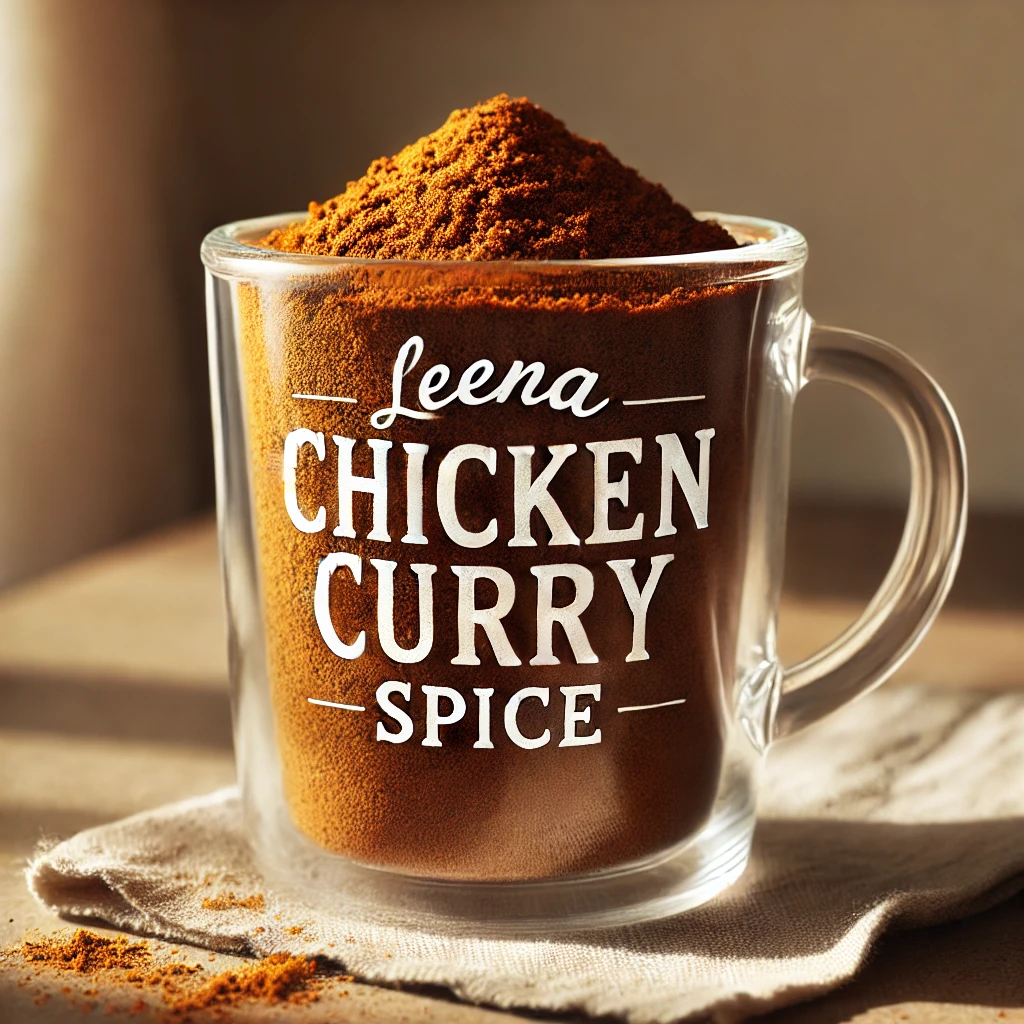

Impu Irani is the cookbook author behind Leena Spices , where he shares easy homemade spice blend recipes and practical cooking tips. Read more about him at the end of this post.
How Is a Chicken Spice Blend Different from Curry Powder and Garam Masala?
Although chicken spice blends, curry powder, and garam masala are often grouped together under the word “curry,” they serve very different culinary purposes. Each blend plays a unique role in building flavor, aroma, and depth in Indian-style cooking.
Chicken Spice Blend (Chicken Masala)
A chicken spice blend, often sold as Chicken Masala, is a purpose-built seasoning created specifically for chicken-based curry dishes. It is formulated to match the savory, slightly fatty profile of poultry and to develop a complete curry base with a single addition.
This blend is designed to be added early in cooking so the spices can bloom in oil and form the backbone of the curry sauce.
What it is:
A complete curry base engineered for chicken dishes.
Flavor profile:
Savory, earthy, gently warm, and slightly tangy.
How it is used:
Added during the cooking process to build the main curry flavor.
Why it is different:
It is optimized for chicken, not for all curries in general. The spice balance is tuned to enhance poultry rather than vegetables, seafood, or lamb.
For creamier, milder, and more aromatic poultry dishes that lean heavily on green cardamom and kasuri methi, read our deep dive on the Ultimate Guide to Butter Chicken Spice.
Curry Powder (The British Invention)
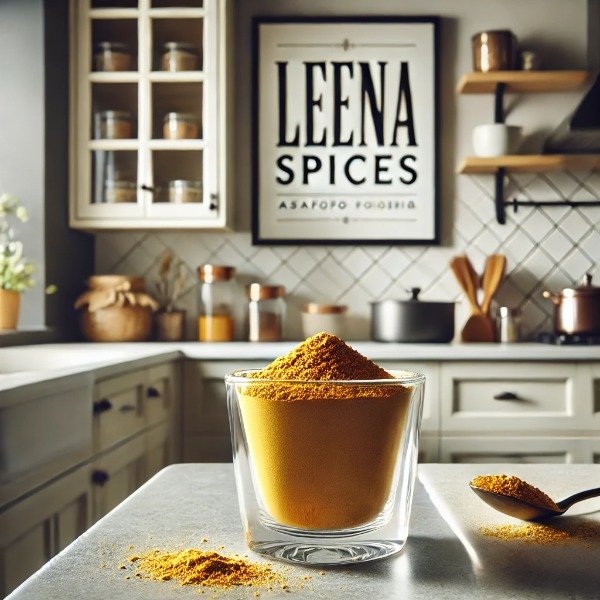
Curry powder is a Western-created spice blend developed during the British colonial era to replicate Indian curry flavors in a single, standardized jar. It is not a traditional Indian staple and is not specific to any one dish or protein.
Most curry powders are turmeric-heavy, which gives them their signature bright yellow color.
What it is:
A generic, Western-style spice blend inspired by Indian flavors.
Typical ingredients:
Turmeric, coriander, cumin, fenugreek, chili, ginger, black pepper, and sometimes cardamom.
Flavor profile:
Mild, earthy, and distinctly yellow-forward.
How it is used:
Added early in cooking to build a general curry flavor base.
Why it is different:
It is designed for broad use across many dishes and cuisines, not tailored for chicken. The flavor is more standardized and usually milder than a dedicated chicken curry blend.
Garam Masala (The Aromatic Finisher)
Garam masala is a traditional North Indian spice blend built around “warm” spices. The word garam refers to warming properties, not heat. This blend focuses on expensive, aromatic spices with delicate essential oils.
Unlike curry powder or chicken masala, garam masala is not meant to be cooked for long periods. It is added near the end of cooking to preserve its fragrance.
What it is:
A finishing spice blend made from aromatic whole spices.
Typical spices:
Cinnamon, green and black cardamom, cloves, mace, nutmeg, and black pepper.
Flavor profile:
Sweet, pungent, complex, and highly aromatic.
How it is used:
Added in the final 2 to 5 minutes of cooking or sprinkled just before serving.
Why it is different:
It contains little or no turmeric, so it is brown or greyish-brown rather than yellow. It is not a curry base and should never replace a cooking masala.
If you’re interested in a completely different flavor profile—one built on dark, deeply smoky, dry-roasted spices—check out our guide on how to make Authentic Sri Lankan Curry Powder at Home.
Difference Between Chicken Curry Spice Blend, Curry Powder, and Garam Masala
Aspect | Chicken Curry Spice Blend (Chicken Masala) | Curry Powder | Garam Masala |
Primary color | Yellow from turmeric | Bright yellow-orange from heavy turmeric | Greyish-brown with little or no turmeric |
Main spices | Turmeric, coriander, cumin, chili, plus supporting spices tailored for chicken | Turmeric, coriander, cumin, fenugreek, chili | Cinnamon, cardamom, cloves, black pepper, cumin, sometimes nutmeg and mace |
Flavor profile | Balanced, earthy, mildly spicy, and chicken-focused | Mild, earthy, aromatic, and standardized | Warm, pungent, sweet-aromatic, and complex |
Typical use | Added early in cooking to build a complete chicken curry base | Added early in cooking and bloomed in oil to create a general curry flavor | Added at the end of cooking as a finishing spice |
Purpose | Designed specifically for chicken curry dishes | General-purpose Western curry seasoning | Enhances aroma and depth at the final stage |
Heat level | Mild to medium depending on recipe | Usually mild | Warm and aromatic rather than spicy-hot |
Authenticity | Commercial or recipe-specific masala adapted for modern kitchens | British colonial invention inspired by Indian cuisine | Traditional North Indian spice blend |
Role in cooking | Forms the backbone of the curry | Creates a generic curry profile | Acts as a fragrant finishing touch |
What Spices Are Used in a Traditional Chicken Curry Spice Blend?
Traditional Indian spices for chicken curry spice blend are built from a carefully balanced selection of whole and ground spices that work together to create depth, warmth, aroma, and color. Each spice plays a specific role in enhancing the natural flavor of chicken while building a rich, layered curry profile.
Core Spices For Curry Chicken Base
These spices create the backbone of flavor and color in a chicken curry.The secret to a rich and flavorful dish lies in choosing the right chicken curry spice mix.
- Turmeric
Provides the signature golden-yellow color and earthy warmth. It forms the visual and flavor foundation of most chicken curries. - Coriander
Adds citrusy brightness and mild sweetness. It balances the heat and earthiness of deeper spices. - Cumin
Brings warm, nutty depth and savory richness that pairs beautifully with chicken. - Paprika
Contributes gentle heat and vibrant red color without overpowering the blend.
Aromatic Whole Spices for Depth and Complexity
These spices build layers of aroma and complexity when bloomed in oil.
- Bay Leaf
Adds subtle herbal and woody notes to the curry base. - Green Cardamom
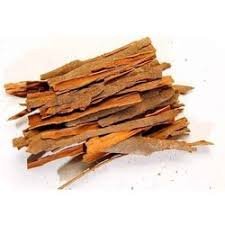
Provides a sweet, floral aroma that lifts the overall flavor. - Cinnamon
Introduces gentle sweetness and warmth. - Cloves
Deliver bold, pungent spice with deep intensity. - Star Anise
Adds licorice-like sweetness and enhances the richness of slow-cooked curries.
Warm Supporting Spices
These spices round out the blend and add subtle background warmth.
- Black Pepper
Adds gentle heat and sharpness. - Fennel
Contributes mild sweetness and soft anise notes. - Carom (Ajwain)
Adds thyme-like earthiness and digestive warmth. - Fenugreek Leaves (Kasuri Methi)
Bring a slightly bitter, nutty aroma that gives chicken curry its signature restaurant-style finish.
Root and Resin Spices
These spices deepen the savory profile of the curry.
- Garlic Powder
Adds savory umami and depth. - Ginger Powder
Provides warmth, brightness, and digestive heat. - Mace
Adds delicate floral warmth and complexity. - Nutmeg
Introduces subtle sweetness and richness.
Fresh Herb Component
- Cilantro (Coriander Leaf)
Adds freshness and green herbal notes that brighten the final dish. - Ready to start grinding? Scroll down to How to Make an Authentic Indian-Style Chicken Curry Spice Mix at Home for the exact measurements and step-by-step instructions.
How to Make an Authentic Indian-Style Chicken Curry Spice Mix at Home
Making your own chicken curry spice mix at home is one of the best ways to achieve deep, authentic Indian flavor. A freshly toasted and ground masala delivers far more aroma, richness, and complexity than store-bought blends. When prepared correctly, this spice mix becomes a complete curry base designed specifically to complement the savory, juicy character of chicken.
Why Make Your Own Chicken Curry Spice Blend?
Homemade chicken masala offers several advantages:
• Fresher aroma and stronger flavor
• No fillers, preservatives, or artificial coloring
• Full control over heat and balance
• Restaurant-style depth and authenticity
• Perfectly tuned for chicken-based curries
When spices are gently toasted and freshly ground, their essential oils are released, creating a richer and more complex curry profile.
Authentic Chicken Curry Spice Mix Ingredients
For best results, use whole spices wherever possible and grind fresh.
Whole and Dry Spices
Bay Leaf – 3g
Black Pepper – 1g
Green Cardamom – 7g
Carom (Ajwain) – 1g
Cilantro (Coriander Leaf, dried) – 1g
Cinnamon – 7g
Cloves – 7g
Coriander Seeds – 20g
Cumin Seeds – 10g
Fennel Seeds – 3g
Fenugreek Leaves (Kasuri Methi) – 1g
Mace – 4g
Nutmeg – 2g
Paprika – 5g
Star Anise – 3g
Turmeric – 3g
Powdered Spices
Garlic Powder – 11g
Ginger Powder – 11g
How to Make Chicken Curry Powder Step-by-Step Method
Step 1: Dry Toast the Whole Spices
Heat a heavy pan on low to medium heat. Add all whole spices except turmeric, paprika, ginger powder, and garlic powder.
Toast gently, stirring constantly, until the spices become aromatic and slightly darker. This usually takes 2 to 3 minutes. Do not burn the spices, as this will make the blend bitter.
You should smell strong, warm, and fragrant notes when they are ready.
Step 2: Cool Completely
Transfer the toasted spices to a plate and allow them to cool completely. Grinding hot spices traps steam and affects shelf life.
Step 3: Grind into a Fine Powder
Once cooled, grind the spices into a fine powder using a spice grinder or high-powered blender.
Add turmeric, paprika, ginger powder, and garlic powder after grinding the whole spices. Blend again until fully combined.
Step 4: Sieve for Professional Texture
For a restaurant-quality finish, sieve the powder and re-grind any coarse pieces.
Step 5: Store Properly
Store the spice mix in an airtight glass jar away from heat and light. For maximum freshness and aroma, use within 3 to 4 months.
Best Substitutes for Your Homemade Chicken Curry Spice Blend
Changing just one spice will slightly shift the final flavor of your Indian chicken seasoning mix, but these chef-approved substitutes will still keep your chicken curry recipe powder balanced, deeply aromatic, and delicious.
1. The Hard-to-Find Aromatics
- Kasuri Methi (Dried Fenugreek Leaves)
Substitute: A small pinch of celery flakes or finely chopped fresh cilantro (coriander leaves), added at the end of cooking.
Flavor difference: Celery flakes bring a slightly bitter, earthy note similar to kasuri methi, while cilantro adds a fresh, bright lift. - Mace (Javitri)
Substitute: A tiny pinch of ground nutmeg or ground allspice.
Flavor difference: Mace is the lacy outer coating of the nutmeg seed and is a bit softer and more citrusy than nutmeg. Since nutmeg is stronger, use it very sparingly. - Green or Black Cardamom
Substitute: A light dusting of ground ginger mixed with a tiny pinch of cinnamon.
Flavor difference: Cardamom contributes a distinctive herbal, citrusy heat. This combination mimics that warm, sharp complexity without using cardamom.
2. The Color & Heat Balancers
Kashmiri Chili Powder
Substitute: Mix 3 parts sweet paprika with 1 part cayenne pepper.
Flavor difference: Kashmiri chili is loved for its bright red color and mild heat. Paprika gives you that vibrant red hue, while cayenne adds a gentle kick. If you prefer a sweet, fruit-forward, and completely kid-friendly variation without chili heat, try our Homemade Mango Chicken Spice Blend
Fennel Seeds
Substitute: Anise seeds or a very small pinch of ground star anise.
Flavor difference: Both bring the sweet, licorice-like aroma that’s essential to many regional Indian chicken curries.
3. The Core Earthy Bases
Coriander Seeds
Substitute: Caraway seeds, or if you only have pre-ground spices, simply increase the amount of cumin slightly.
Flavor difference: Caraway seeds offer a similar earthy warmth, while a bit more cumin adds the depth you need.
Cumin Seeds
Substitute: Caraway seeds or nigella seeds (kalonji) for a different but still delicious earthy depth.
Flavor difference: Caraway brings a slightly sweeter, more anise-like note, while nigella adds a savory, onion-like complexity.
Master 100+ World-Famous Blends From Your Kitchen
If you enjoyed learning how to create a balanced chicken curry spice mix, you may be surprised at how easy it is to make many other spice blends at home. Instead of relying on store-bought seasoning packets, you can learn to craft fresh, flavorful blends from scratch using simple ingredients.
Get instant access to our complete digital guide, Homemade Spice Secrets. Inside, you’ll find easy-to-follow, step-by-step instructions for creating a wide variety of classic spice blends from around the world, helping you bring authentic flavor to your kitchen with confidence.
CHICKEN CURRY RECIPE
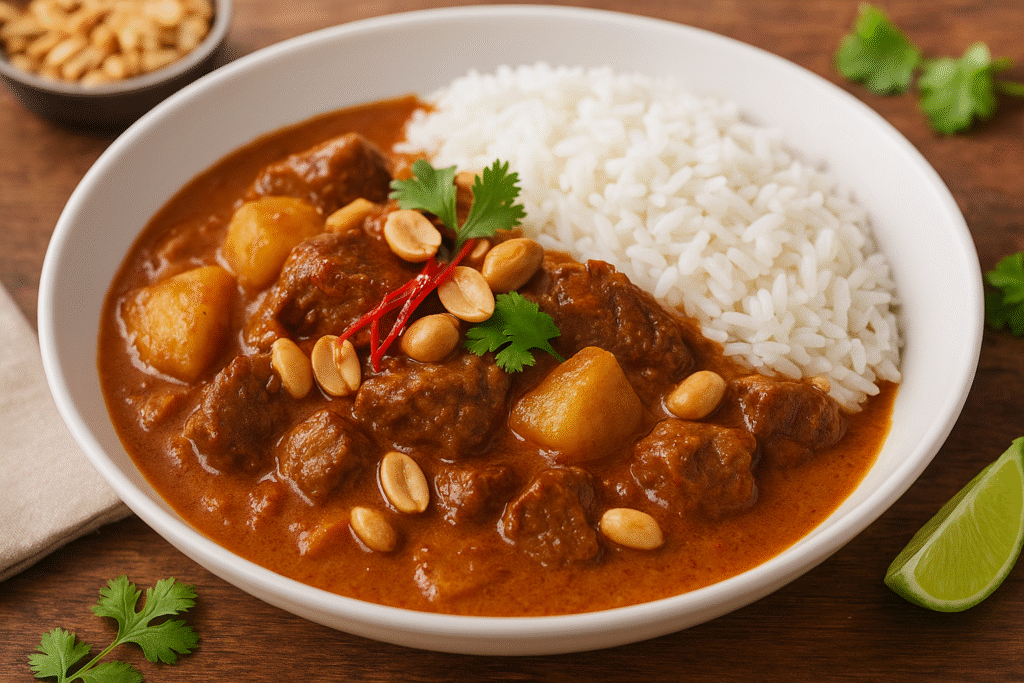
How to Make Authentic Indian Chicken Curry in Local Spice Blend
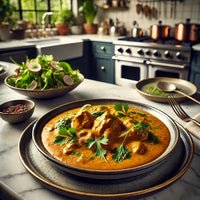
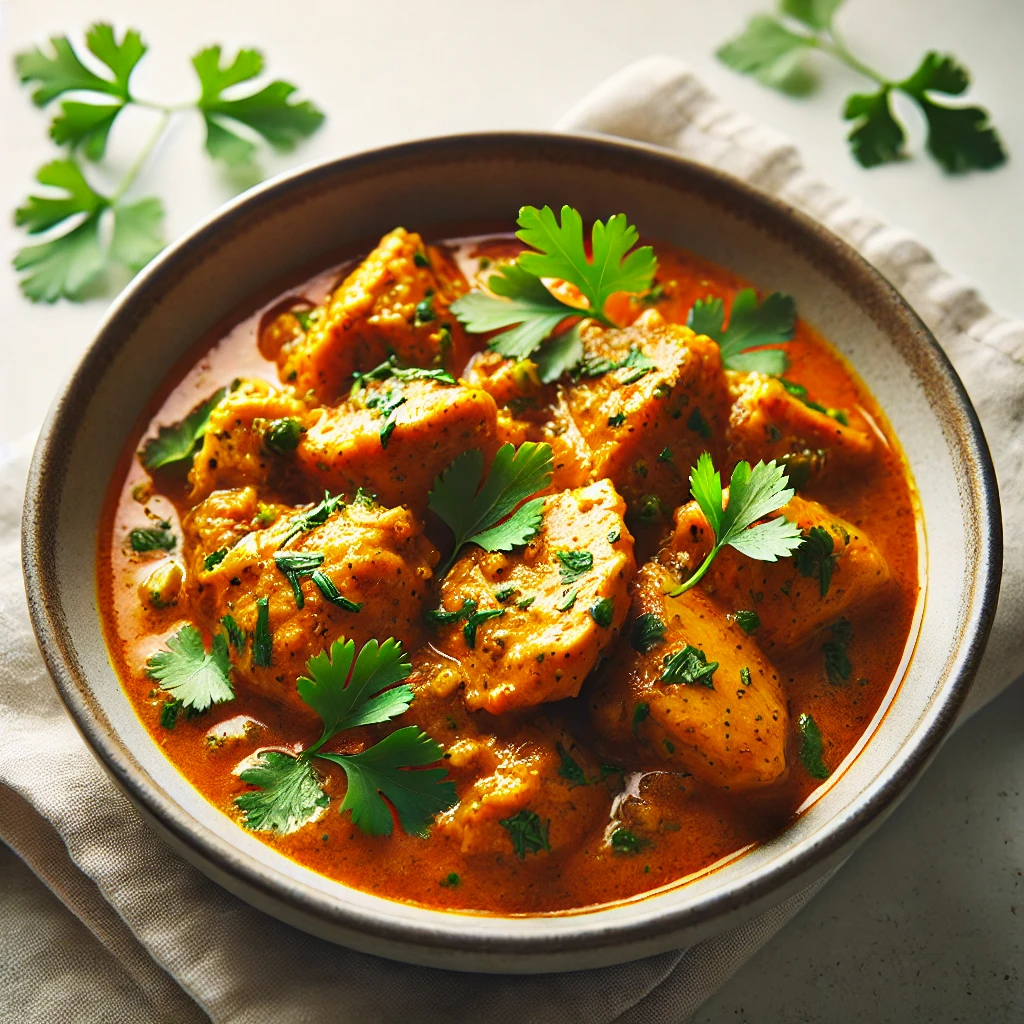
Many families prepare chicken curry in local spice blend using recipes passed down through generations. An authentic Indian chicken curry is built on a few simple principles: properly cooked onions, a well-balanced chicken curry spice blend, and enough time for the spices to bloom and develop depth.
By following this method, you can prepare a traditional chicken curry masala that produces a rich, flavorful curry using minimal ingredients while maximizing taste.
Ingredients
Chicken pieces – 500g
Onions – 2 medium, finely chopped
Yoghurt – 2 tablespoons
Tomato puree – 4 tablespoons
Olive oil – 4 tablespoons
Chicken curry masala – 1½ teaspoons
Water – ½ cup
Salt – to taste
Optional: Mixed vegetables such as potatoes, peas, or carrots
Method
Step 1: Marinate the Chicken
In a bowl, combine the chicken pieces with yoghurt and mix well. Set aside while you prepare the curry base. This light marinade helps keep the chicken tender and allows the spices to absorb more evenly during cooking.
Step 2: Cook the Onions
Heat the oil in a heavy-bottomed wok or deep pan over medium heat. Add the chopped onions and cook for 5 to 6 minutes, stirring regularly, until they turn golden brown. Well-cooked onions are essential for depth and natural sweetness in an authentic chicken curry.
Step 3: Brown the Chicken
Add the marinated chicken to the pan and stir well. Cook for 7 to 8 minutes until the chicken begins to brown and release its natural juices. This step seals in flavor and builds the base of the curry.
Step 4: Bloom the Spice Blend
Add the chicken curry masala to the pan and cook for about 5 minutes, stirring continuously. This allows the spices to bloom in the oil and coat the chicken evenly, unlocking the full aroma and complexity of the blend.
Step 5: Add Tomato and Salt
Stir in the tomato puree and salt. Continue cooking until the oil starts to separate from the mixture. This is a key indicator in Indian cooking that the masala base is properly cooked and the flavors have concentrated.
Step 6: Simmer the Curry
Add the water, reduce heat to medium, cover, and cook until the chicken is tender. Once cooked, increase the heat slightly and simmer uncovered until the gravy thickens to your desired consistency.
Serving Suggestions
Serve the chicken curry hot with steamed basmati rice, naan, or roti. The curry pairs well with simple accompaniments that allow the spice blend to shine.
Optional Variations
Vegetables such as potatoes, peas, or carrots can be added along with the water for a heartier curry.
For extra richness, finish with a small knob of butter or a spoon of cream just before serving.
A pinch of garam masala at the end can enhance aroma without overpowering the dis
Health Benefits of Freshly Ground Spices
Beyond its rich flavor, making your own spice blend at home helps preserve the natural oils and beneficial compounds found in spices. In contrast, commercial pre-ground spice mixes often sit on supermarket shelves for months, during which time exposure to air gradually reduces their freshness and potency through oxidation.
- Turmeric & Piperine (Black Pepper) Synergy:
Our recipe includes both turmeric and black pepper. Turmeric contains curcumin, a compound known for its anti-inflammatory properties. However, curcumin is not easily absorbed by the body on its own. National Center for Biotechnology Information (NCBI) Clinical Study suggest that black pepper, which contains piperine, can significantly improve curcumin absorption—by up to 2,000% in some cases.
- The Digestive and Metabolic Benefits of Cumin and Coriander:
Cumin and coriander form the foundational base of our chicken curry spice mix. Traditionally used in Ayurvedic practices, these spices are also supported by modern research. PubMed Research on Culinary Spices and Metabolic Health suggest that cumin may help stimulate the production of digestive enzymes, which can support better digestion and improve nutrient absorption.
Frequently Asked Questions (FAQs)
How is chicken curry spice blend different from curry powder and garam masala?
- Chicken curry spice blend: Complete curry base specifically for chicken.
- Curry powder: Generic Western-style blend with turmeric; used broadly in many curries.
- Garam masala: Aromatic finishing spice added at the end of cooking for fragrance, not as a base.
Can I substitute chicken curry spice blend with curry powder?
Yes, but the flavor will be less tailored to chicken. Curry powder is milder and more generalized, so you may need to add extra spices like cumin, coriander, or chili to achieve authentic chicken curry flavor.
Can garam masala replace chicken curry spice blend?
No. Garam masala is a finishing spice, not a curry base. It can enhance aroma when added at the end but will not provide the depth, warmth, or color needed for cooking chicken curry from scratch.
How do I use chicken curry spice blend in recipes?
Use 1½–2 teaspoons per 500g chicken. Bloom the spice in hot oil after sautéing onions, then add chicken, tomato puree, or yoghurt. Simmer until chicken is tender and gravy thickens. Perfect for Indian chicken curry, butter chicken, and masala dishes.
Can I customize the spice blend?
Yes. Adjust chili for heat, increase coriander for citrusy notes, or add more fenugreek for subtle bitterness. Homemade chicken curry spice blend is versatile and can be tailored to your taste preferences.
How should I store homemade chicken curry spice blend?
Store in an airtight jar in a cool, dark place, away from sunlight and heat. Use within 3–4 months for maximum aroma, freshness, and flavor.
What are common dishes I can make with this spice blend?
- Traditional Indian chicken curry
- Butter chicken or chicken tikka masala base
- Slow-cooked chicken gravies
- Chicken masala with optional vegetables like potatoes or peas
Why is homemade chicken curry spice blend better than store-bought?
Freshly toasted and ground spices release essential oils, giving stronger aroma, richer flavor, and deeper color. Homemade masala allows control over spice balance and ensures authentic Indian curry taste without preservatives or fillers.
Medical Disclaimer:
The information provided in this article is for educational and informational purposes only and is not intended as medical advice. Always consult a qualified healthcare provider before starting any new dietary supplement, herbal remedy, or wellness routine, especially if you have underlying health conditions, are pregnant or breastfeeding, or are taking prescription medications.
Impu Irani is a cookbook author behind Leena Spices, where he shares practical, easy-to-follow guides on homemade spice blends, herbs, and natural cooking. His work helps home cooks create fresh, flavorful meals using simple ingredients and traditional methods. Download his free Spice Blending eBook and start your journey to cleaner cooking today!
Disclosure Note
We are committed to creating high-quality, helpful content for our readers. We do not accept payment in exchange for writing our articles, and we personally cover the costs of running this website, including hosting, tools, and maintenance.
To support the site, we display ads and may earn a small commission from affiliate links if you choose to make a purchase—at no extra cost to you.
Your support helps us continue sharing valuable content with the community.
If you’d like to support us, here are a few simple and free ways:
- Share our content with your friends and family
- Engage with us on social media
- Follow us on Facebook
You can also learn more by visiting our disclaimer page:
https://leenaspices.co.nz/disclaimer/
As a thank you, feel free to download our Free Spice Recipe eBook.
Download a Free Leena Spices Recipes Cookbook