Impu Irani is the cookbook author behind Leena Spices , where he shares easy homemade spice blend recipes and practical cooking tips. Read more about him at the end of this post.
Table of Contents
ToggleKey Takeaways: Cinnamon Health Benefits
The Sourcing Rule:
Cinnamon is generally safe for most people when consumed in normal culinary amounts.
Always choose Ceylon Cinnamon (“True Cinnamon”) over Cassia cinnamon for daily functional health. Ceylon contains negligible amounts of coumarin, making it safe for your liver during regular consumption.
Metabolic Support:
Incorporating just 1 to 2 teaspoons of clean ground cinnamon into your daily cooking can significantly optimize baseline insulin sensitivity and smooth out post-meal blood sugar spikes.
Inflammation & Circulation:
Packed with potent polyphenols and cinnamaldehyde, cinnamon acts as a natural vascular protectant, aiding cardiovascular health and easing chronic joint inflammation.
Uterine & Digestive Comfort:
Peer-reviewed clinical trials validate cinnamon’s ability to dramatically reduce the severity of menstrual cramps (dysmenorrhea) and stimulate digestive enzymes to alleviate gut bloating.
Culinary Synergy:
To extract the maximum bioavailable antioxidants without burning the spice, always bloom your cinnamon in a warm, healthy cooking fat or steep whole sticks in water off active direct heat.

Is Cinnamon Safe for Everyone?
The Coumarin Safety Scale: Cassia vs. Ceylon
Not all cinnamon varieties are the same when it comes to everyday use. Cassia cinnamon, the most commonly available type, naturally contains higher levels of coumarin—a plant compound that may place stress on the liver when consumed in excessive amounts over a long period, especially in sensitive individuals.
Ceylon cinnamon (often called “true cinnamon”) contains only very small amounts of coumarin, making it a preferred choice for those who enjoy cinnamon regularly. If cinnamon is a daily part of your wellness routine, choosing Ceylon cinnamon can help you enjoy its warm flavor and culinary benefits while keeping coumarin intake lower.
Cinnamon Type | Average Coumarin Density | Maximum Safe Daily Intake (Adults) |
Ceylon Cinnamon (True) | 0.004% (Trace amounts) | Up to 2.5 teaspoons daily (Virtually zero risk) |
Cassia Cinnamon (Regular) | 1.0% (High density) | Max 0.5 to 1 teaspoon daily (Strict ceiling) |
🚨 Culinary Safety Notice:
Certified Ceylon cinnamon sticks or powder are often preferred for frequent use.
While Cassia cinnamon is safe and widely used as a culinary spice, consuming large quantities every day over an extended period may increase coumarin exposure beyond recommended levels, particularly for individuals who are sensitive to its effects. For everyday cooking, baking, and beverages, use cinnamon in moderate amounts and choose high-quality sources whenever possible.
- Allergies and Sensitivities
- Rare, but some people may experience irritation or allergic reactions, especially with cinnamon-flavored products or oils.
- Medical Conditions
- If you have liver disease, it’s best to avoid large amounts of cassia cinnamon.
- Cinnamon may interact with blood sugar medications or blood thinners. If you take these, check with your doctor before using high doses or supplements.
- Pregnancy and Children
- Normal food amounts are safe during pregnancy and for kids, but concentrated cinnamon supplements or oils should be avoided unless approved by a healthcare professional.
Because the therapeutic volatile oils inside the bark can degrade over time when exposed to oxygen, heat, and direct light, proper pantry storage is essential. Read our full checklist on how to tell if cinnamon sticks have gone bad and how to store them for maximum freshness.
Nutrition Value of Cinnamon
Cinnamon is packed with nutrients and beneficial plant compounds. A small amount goes a long way in flavor and health. Below is the approximate nutrition breakdown for 1 teaspoon (2.6 g) of ground cinnamon:
Nutrition Value of Cinnamon
Nutrient | Amount (per 1 tsp / ~2.6 grams) | Daily Value (DV) % |
Calories | 6 kcal | < 1% |
Carbohydrates | 2.1 g | < 1% |
Dietary Fiber | 1.4 g | 5% |
Fat | 0 g | 0% |
Manganese | 0.5 mg | 22% |
Calcium | 26 mg | 2% |
Iron | 0.2 mg | 1% |
Cookbook Author’s Nutritional Note:
Although cinnamon is used in small amounts, even one teaspoon of ground cinnamon provides around 22% of the daily value for manganese. Manganese helps activate enzymes involved in bone development, metabolism, blood sugar balance, and protection against oxidative stress caused by free radicals.
Cinnamon is also naturally high in dietary fiber. More than half of its carbohydrate content comes from fiber, meaning the amount of digestible carbohydrate (net carbs) is relatively low. This makes cinnamon a flavorful, low-glycemic-friendly addition to meals, beverages, and recipes where you want sweetness, warmth, and depth of flavor without adding sugar.
(As with any concentrated spice, cinnamon is best enjoyed in moderation as part of a balanced diet.)
Ways to Enjoy Cinnamon (and Maximize its Benefits)
Adding cinnamon to your meals does more than create a warm, comforting flavor—it can also bring beneficial plant compounds to your everyday diet. This versatile spice has been valued for centuries not only for its aroma and taste but also for its naturally occurring antioxidants and bioactive compounds.
To get the most from cinnamon in your cooking, it helps to understand how its key compounds work alongside other ingredients. The way cinnamon is paired with foods, prepared, and consumed can influence its flavor, absorption, and overall role in a balanced wellness-focused diet.
More Ways to Enjoy Cinnamon:
In Your Morning Brew:
Stir half a teaspoon of ground Ceylon cinnamon directly into your warm coffee grounds before brewing, or steep a whole stick in your morning black or green tea.
With Complex Carbohydrates:
Dust it generously over morning oatmeal, overnight oats, or roasted sweet potatoes. Cinnamon naturally slows down gastric emptying, making your breakfast even more effective at stabilizing morning energy.
In Savory Soups and Curries:
Move beyond baking. High-quality cinnamon adds a brilliant, robust depth of flavor to savory Moroccan tagines, slow-cooked lentil dals, and rich Indian curries. If you need some kitchen inspiration, check out our collection of 29 unique cinnamon sticks recipes and cooking tips to expand your culinary repertoire.”
Blended Into Smoothies:
Add a teaspoon to your green or protein smoothies. It pairs beautifully with almond milk, banana, and protein powders while masking bitter greens.
How to Use Cinnamon Sticks for Health
Adding cinnamon sticks to your daily routine is simple and delicious. Here are some easy, practical ways to enjoy their flavor and potential health perks:
- Cinnamon Tea – Simmer a cinnamon stick in hot water for 10–15 minutes to create a naturally sweet, warming tea that supports digestion and comfort.
- Infused Water – Drop a cinnamon stick into a pitcher of water (along with lemon or apple slices) for a refreshing, subtly spiced drink.
- Coffee Stirrer – Use a cinnamon stick to stir your morning coffee or hot chocolate. It adds a gentle spice and natural sweetness without extra sugar.
- Cooking & Baking – Add whole sticks to rice, curries, or stews while cooking, then remove before serving for a rich, aromatic depth.
- Homemade Syrups – Simmer sticks with sugar and water to make cinnamon syrup for pancakes, cocktails, or lattes.
- Air Freshener – Boil cinnamon sticks with citrus peels and cloves for a natural, cozy fragrance that also has antimicrobial properties.
Tip: One cinnamon stick can be reused 2–3 times in drinks before losing its flavor. Just rinse, dry, and store for next time.
Pair Cinnamon with Healthy Fats for Better Absorption
Cinnamon is rich in naturally occurring plant compounds, including cinnamaldehyde, the compound responsible for its distinctive aroma and many of its antioxidant properties. Some of these beneficial compounds are fat-soluble, meaning they dissolve more easily in fat and may be better utilized by the body when cinnamon is consumed as part of a meal that contains healthy fats.
To enhance cinnamon’s flavor and make the most of this culinary pairing, try combining it with nourishing fat sources such as:
Nut Butters
Blend cinnamon into almond, peanut, or cashew butter for a delicious combination that works well in smoothies, oatmeal, toast toppings, and energy bites.Healthy Oils
Gently warm cinnamon with coconut oil or ghee when preparing certain dishes. This traditional technique, often called “blooming” spices, helps release their aromatic oils and creates deeper, richer flavors.Full-Fat Dairy or Plant-Based Alternatives
Whisk cinnamon into Greek yogurt, full-fat coconut milk, or other creamy ingredients to create a smooth, flavorful addition to breakfasts, drinks, and desserts.
Kitchen Tip: Cinnamon’s benefits are best enjoyed as part of a balanced diet. Pairing it thoughtfully with other nutrient-rich ingredients can enhance both its flavor and its role in everyday cooking.
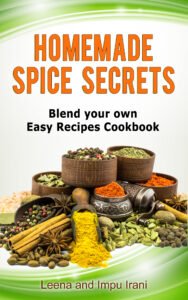
Stop Buying Stale, Store-Bought Spice Packets.
Create your own fresh, spice blends using authentic recipes from India, Asia, the Middle East, and the West. Get “Homemade Spice Secrets” and learn how to craft 200+ global herbs and spices. Unlock deeper, richer flavors, and replace store-bought mixes with pure, homemade natural ingredients—free from preservatives and fillers.
What are the common health benefits of Cinnamon?
1. Rich in Antioxidants (Support for Oxidative Balance)
Cinnamon contains a high level of natural plant antioxidants, particularly polyphenols, which include compounds such as flavonoids and proanthocyanidins. These bioactive compounds help the body manage oxidative stress, a natural process that occurs when free radicals build up faster than the body can neutralize them.
By supporting the body’s antioxidant defenses, cinnamon may help protect cells from oxidative damage, including the kind that affects fats (lipids) in cell membranes and blood vessels.
2. Natural Anti-Inflammatory Support
Chronic inflammation is one of the body’s underlying processes that, when persistent, can contribute to tissue strain and general discomfort over time. Cinnamon contains a key active compound called cinnamaldehyde, which gives the spice its characteristic aroma and contributes to its biological activity. Cinnamaldehyde may help influence certain inflammatory pathways in the body, including signaling molecules involved in the inflammatory response. By supporting a balanced inflammatory process, cinnamon is often studied for its potential role in overall wellness, particularly in relation to joint comfort and cardiovascular health.
While cinnamon is not a treatment for inflammation-related conditions, its natural compounds can be a meaningful part of a balanced, nutrient-rich diet focused on long-term health support.
3. Supports Heart Health and Healthy Circulation
Cinnamon contains naturally active plant compounds that may contribute to overall cardiovascular wellness when included as part of a balanced diet. These compounds have been studied for their potential role in supporting healthy circulation and maintaining normal vascular function.
As with all functional foods, cinnamon works best as part of a broader lifestyle that includes nutrient-rich eating, regular movement, and overall dietary balance rather than as a standalone intervention.
The Science Behind the Spice: While cinnamon has been celebrated in traditional medicine for millennia, modern science continues to validate its clinical efficacy. The therapeutic actions listed above are driven entirely by its high density of naturally occurring volatile oils and raw polyphenols. For optimal metabolic and cardiovascular support, always prioritize clean, unadulterated ground spice over synthetic flavor extracts.
Frequently Asked Questions (FAQs)
What is the difference between Ceylon and Cassia cinnamon?
Ceylon cinnamon (“true cinnamon”) has a lighter, sweeter flavor and very low coumarin levels, making it safer for regular consumption. Cassia cinnamon is darker, stronger, and contains higher amounts of coumarin, which can be harmful in large doses.
How much cinnamon is safe to consume daily?
Moderate amounts—typically 1–2 teaspoons (2–6 grams) per day—are generally safe for most adults. Excessive intake, especially of Cassia cinnamon, can increase coumarin exposure and pose health risks.
Can cinnamon help control blood sugar?
Yes. Cinnamon may improve insulin sensitivity, slow carbohydrate digestion, and reduce post-meal blood sugar spikes, supporting overall glucose balance.
Does cinnamon have anti-inflammatory properties?
Absolutely. Bioactive compounds in cinnamon can reduce inflammation markers, which may help manage conditions like arthritis and lower chronic disease risk.
Can cinnamon support heart health?
Cinnamon may help reduce LDL cholesterol and triglycerides, maintain HDL cholesterol, lower blood pressure, and reduce oxidative stress—supporting overall cardiovascular health. Consult medical advice.
How can I use cinnamon in my daily diet?
You can add cinnamon sticks to teas, coffee, and stews, sprinkle ground cinnamon on oatmeal or baked goods, or infuse water with cinnamon for flavor and health benefits.
Can cinnamon improve digestion?
Yes. Cinnamon stimulates digestive enzymes, reduces bloating, soothes inflammation in the gut, and may help balance gut bacteria.
Does cinnamon aid weight management?
Cinnamon can support metabolism, improve fat breakdown, stabilize blood sugar, and help reduce cravings, making it a helpful addition to a balanced diet.
Can cinnamon benefit brain health?
Research suggests cinnamon may have neuroprotective effects, improve memory and cognitive function, and help reduce risks associated with neurodegenerative diseases.
Can cinnamon relieve menstrual discomfort?
Yes. Studies indicate cinnamon may reduce cramps, menstrual bleeding, nausea, and other symptoms associated with primary dysmenorrhea.
Is cinnamon safe for children and pregnant women?
Small amounts used in food are generally safe. However, pregnant women and children should avoid high doses, and Cassia cinnamon should be limited due to coumarin content.
The content on this blog, including information about, nutrition, and health benefits, is provided for educational and informational purposes only. It is not intended as medical advice, diagnosis, or treatment.
Always consult a qualified healthcare professional or your doctor before starting any new diet, supplement, or health regimen, especially if you are pregnant, breastfeeding, have a medical condition, or are taking medications.
Leena Spices and its team do not accept any liability for any adverse effects or consequences resulting from the use of the information provided on this blog.
Impu Irani is a cookbook author behind Leena Spices, where he shares practical, easy-to-follow guides on homemade spice blends, herbs, and natural cooking. His work helps home cooks create fresh, flavorful meals using simple ingredients and traditional methods. Download his free Spice Blending eBook and start your journey to cleaner cooking today!
Disclosure Note
We are committed to creating high-quality, helpful content for our readers. We do not accept payment in exchange for writing our articles, and we personally cover the costs of running this website, including hosting, tools, and maintenance.
To support the site, we display ads and may earn a small commission from affiliate links if you choose to make a purchase—at no extra cost to you.
Your support helps us continue sharing valuable content with the community.
If you’d like to support us, here are a few simple and free ways:
- Share our content with your friends and family
- Engage with us on social media
- Follow us on Facebook
You can also learn more by visiting our disclaimer page:
https://leenaspices.co.nz/disclaimer/
As a thank you, feel free to download our Free Spice Recipe eBook.
Download a Free Leena Spices Recipes Cookbook