Impu Irani is the cookbook author behind Leena Spices , where he shares easy homemade spice blend recipes and practical cooking tips. Read more about him at the end of this post.
Table of Contents
ToggleAuthentic Chinese 5 Spice Powder
Chinese Five Spice: Fast Facts & Core Takeaways
If you want to master Chinese Five Spice quickly, these are the most important points to understand:
- The Traditional Flavor Ratio: A classic blend often follows a 5:3:2:2:2 balance using five parts star anise, three parts fennel seeds, two parts cassia cinnamon, two parts cloves, and two parts Sichuan peppercorns.
- The Importance of Dry Roasting: Lightly toasting the whole spices in a dry pan before grinding helps release their natural essential oils, creating a deeper aroma and fuller flavor.
- Exceptional Culinary Versatility: Chinese Five Spice is not limited to traditional Asian dishes. It can also enhance roasted vegetables, vegan meals, baked goods, marinades, barbecue rubs, and modern fusion recipes.
- Why Homemade Tastes Better: Freshly made blends preserve the natural aroma and intensity of the spices far better than many commercial versions, which can lose flavor during long storage periods.
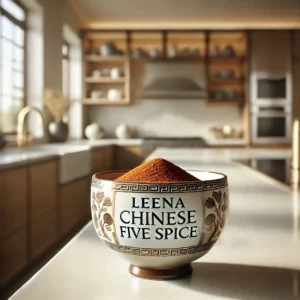
The 5 Authentic Ingredients in Chinese Five Spice and Their Flavor Dynamics
Dating back centuries, this blend wasn’t initially created just for the kitchen. As documented by historical culinary resources from the American Culinary Federation, five-spice powder originally emerged out of traditional medicine practices designed to harmonize the body’s internal energies by perfectly balancing the five distinct flavor profiles.To make a traditional Chinese Five Spice blend, you cannot rely on pre-ground ingredients, because they quickly lose aroma and depth. To achieve an authentic result, you need to start with whole, raw spices.
Each component plays a specific role, not just in fragrance, but in shaping the overall balance of taste.
Here is a clear breakdown of the five core ingredients and how each one functions in the blend:
1. Star Anise (The Sweet Backbone)
Star anise
- Flavor profile: Sweet, licorice-like, intensely aromatic
- Role in the blend:
Star anise forms the foundation of Chinese Five Spice. Its high concentration of anethole gives it a naturally sweet, warming character that defines the overall profile. Choose whole, firm pods with a deep reddish-brown color for the best flavor.
2. Sichuan Peppercorns (The Pungent Sensation)
Sichuan peppercorn
- Flavor profile: Citrusy, bright, and mouth-tingling
- Role in the blend:
Unlike black pepper, Sichuan peppercorns create a unique numbing sensation known as “tingle.” This is what gives the blend its distinctive pungent edge. Use only the outer husks for the cleanest aroma, and discard any seeds or debris.
True Sichuan peppercorns do not produce chili heat. Instead, they contain an active chemical compound called hydroxy-alpha-sanshool. This molecule interacts with cell receptors on your tongue to create a buzzing, electric micro-vibration known as paresthesia—a fascinating sensory property detailed in culinary research papers hosted by the ACF Culinary Institute.
3. Fennel Seeds (The Sweet-Herb Balance)
Fennel seed
- Flavor profile: Lightly sweet, warm, and herbal
- Role in the blend:
Fennel seeds soften the intensity of stronger spices like star anise and cloves. They add a gentle freshness that lifts the blend and prevents it from becoming too heavy or one-dimensional.
4. Whole Cloves (The Bitter Anchor)
Clove
- Flavor profile: Strong, warm, slightly bitter, medicinal
- Role in the blend:
Cloves are extremely potent due to their natural eugenol content. Used in small amounts, they add depth and structure, grounding the sweeter spices and giving the blend its warming, long-lasting finish.
5. Cassia Cinnamon (The Warm, Earthy Heat)
Cassia cinnamon
- Flavor profile: Deep, woody, spicy-sweet
- Role in the blend:
Cassia cinnamon is the traditional choice in Chinese cooking, preferred over Ceylon cinnamon for its stronger, more assertive flavor. It adds body and heat that holds up well during roasting and slow cooking.
Together, these five spices create the layered complexity that defines Chinese Five Spice, each ingredient distinct on its own, but carefully balanced to work as a unified whole.
The Master Recipe & Precision Roasting Method
To get this blend perfect, you need to match your ratios accurately. While teaspoons and tablespoons are useful for home cooking, professional spice blending is best done by weight. Whole spices vary in size, density, and oil content, so gram measurements produce a far more reliable result.
This recipe yields approximately 3/4 cup of freshly ground spice blend with strong aroma and full potency.
Core Spice Ratios (Weight-Based Formula)
- Star Anise – 25g (5 parts)
About 12–15 whole star anise pods
This is the dominant base of the blend and sets the sweet, licorice-like foundation. - Fennel Seeds – 15g (3 parts)
Roughly 3 tablespoons
Adds gentle sweetness and herbal balance, softening the intensity of stronger spices. - Sichuan Peppercorns – 10g (2 parts)
About 2 tablespoons
Provides the signature citrusy aroma and characteristic numbing sensation. - Whole Cloves – 10g (2 parts)
About 2 tablespoons
A powerful warming spice used in moderation to add depth and structure.
Beyond their incredible depth of flavor, the individual components of this blend are powerful functional foods. In fact, peer-reviewed food chemistry studies published on ResearchGate’s food science archives demonstrate that whole cloves provide the highest concentrated antioxidant capacity within the five-spice matrix, protecting the blend from turning rancid naturally.
- Cassia Cinnamon Bark – 10g (2 parts)
Roughly two 3-inch sticks, broken into pieces
Contributes bold warmth and earthy sweetness that holds up during roasting and grinding.
Core Spice Ratios (Table)
| Spice Component | Traditional Ratio (Parts) | Weight (Grams) | Approximate Volume (Whole Spices) |
|---|---|---|---|
| Whole Star Anise | 5 Parts | 25g | About 12 to 15 whole stars |
| Fennel Seeds | 3 Parts | 15g | 3 tablespoons |
| Sichuan Peppercorns | 2 Parts | 10g | 2 tablespoons |
| Whole Cloves | 2 Parts | 10g | 2 tablespoons |
| Cassia Cinnamon Bark | 2 Parts | 10g | Two 3-inch sticks (broken up) |
When combined in these exact proportions, the result is a well-balanced, aromatic blend where no single spice dominates. Each ingredient plays a defined structural role, creating the layered complexity that makes Chinese Five Spice so distinctive.
Step-by-Step Artisanal Roasting Technique
1. Inspect and Prepare the Spices (2 minutes)
Begin by gathering all whole spices. Break cassia cinnamon sticks into small, uniform pieces to ensure even toasting. Carefully sort through the Sichuan peppercorns and remove any small black seeds or woody debris, keeping only the fragrant husks.2. Dry Toast the Spices (3–4 minutes)
Place a heavy skillet or cast-iron pan over medium-low heat. Do not add any oil or liquid. Add all five spices to the dry pan and keep them moving continuously by stirring or shaking. This prevents uneven browning or burning.3. Identify the Aromatic Peak (around 30 seconds)
Pay close attention as the spices heat. The moment you notice a light wisp of smoke and a strong, warm, sweet aroma (especially reminiscent of licorice and spice), remove the pan immediately. This stage typically occurs within 3–4 minutes.4. Cool Completely (10 minutes)
Transfer the toasted spices onto a cool plate or tray immediately. Allow them to cool fully before grinding. This step is essential—grinding warm spices can create moisture, resulting in clumping and reduced shelf life.5. Grind into a Fine Powder (2 minutes)
Once completely cooled, transfer the spices to a spice grinder or high-speed blender. Pulse until a fine, even powder forms. For a more refined texture, sift the blend through a fine-mesh sieve to remove any coarse fibers.Storage Tip
Store the finished blend in an airtight glass jar, kept away from heat, light, and moisture. When properly roasted and stored, the spice mix retains its peak aroma and flavor for up to six months.What’s the Difference Between Homemade and Store-Bought Chinese Five Spice?
Chinese Five Spice is an essential blend in Asian cooking. But there is a world of difference between a freshly made homemade version and a pre-packaged store-bought blend. The biggest distinctions lie in freshness, flavor intensity, quality, and customization.
Let’s explore what truly sets them apart.
🌿 Flavor and Potency
Homemade Five Spice is unmatched in aroma and strength. When you toast and grind whole spices yourself, the natural oils are freshly released, creating an aroma that fills your kitchen instantly. Each spoonful carries more depth, complexity, and warmth.
By contrast, store-bought blends are typically made from pre-ground spices that may have been sitting on shelves for months. Over time, these lose their essential oils and much of their bold, authentic flavor.
⚖️ Ingredients and Customization
When you make your own Chinese Five Spice, you’re in control. You can tweak the balance to your liking,
Store-bought blends, on the other hand, use a fixed, standardized ratio. They’re convenient, but lack the freedom to adjust the blend to your personal taste or regional cooking style.
💎 Quality and Purity
Homemade blends give you full control over ingredient quality. You can hand-pick premium whole spices, ensure they’re fresh, and avoid unwanted additives.
In comparison, store-bought Five Spice powders can vary widely in quality. Some may include fillers, preservatives, or anti-caking agents to extend shelf.
🧂 Shelf Life and Cost
Homemade Five Spice typically stays fresh and vibrant for 3–6 months, especially when stored in an airtight jar away from sunlight. It may have a shorter shelf life than store-bought blends, but its flavor is noticeably superior.
Buying whole spices in bulk can also make it more cost-effective in the long run, especially if you cook with Asian flavors often.
Store-bought blends last longer (up to 1–2 years) due to preservatives and pre-grinding, but they’re usually less potent and more expensive per ounce.
🔍 Quick Comparison
Feature | Homemade Five Spice | Store-Bought Five Spice |
Flavor | Fresher, more aromatic | Less intense, pre-ground |
Customization | Adjustable ratios to taste | Fixed blend ratio |
Quality Control | You choose the ingredients | Varies by brand |
Additives | None | May contain preservatives |
Shelf Life | 3–6 months | 1–2 years |
Cost | Cheaper if bought in bulk | More expensive per ounce |
Convenience | Requires some prep | Ready to use instantly |
Stop settling for flat, stale, store-bought jars! If you want to replicate world-famous regional spice blends from scratch—completely free of preservatives, anti-caking agents, or artificial fillers—grab a copy of our comprehensive digital guide. Download Homemade Spice Secrets Today!
How do you use Chinese Five Spice in vegetarian or vegan dishes?

Chinese Five Spice is while traditionally used in meat dishes, it also brings incredible depth to vegetarian and vegan cooking, adding a warm, umami-rich, “meaty” flavor to plant-based meals.
For a truly magnificent East Asian plant-based stir-fry, pair the deep warming notes of this five-spice powder with a touch of authentic Korean chili flakes. Explore our essential tips for perfect Gochugaru use in Asian cooking to perfectly balance sweet warmth with smoky heat.
🌱 How to Use Chinese Five Spice in Vegan and Vegetarian Recipes
- Tofu or Tempeh Marinades
- Mix 1 teaspoon Chinese Five Spice with soy sauce (or tamari), sesame oil, rice vinegar, grated ginger, and a touch of maple syrup or brown sugar.
- Marinate tofu or tempeh for 15–30 minutes before baking, grilling, or air-frying.
- The spice infuses the protein with a rich, aromatic depth and a hint of sweetness.
- Stir-Fries
- Add ½–1 teaspoon of Chinese Five Spice to stir-fried mushrooms, eggplant, bok choy, or broccoli with soy sauce, garlic, and a splash of rice wine.
- The spice enhances umami and pairs beautifully with earthy vegetables.
- Roasted Vegetables
- Toss carrots, cauliflower, or sweet potatoes with oil, ½ teaspoon of Five Spice, and a pinch of salt.
- Roast at 200°C (400°F) for 20–25 minutes until caramelized and fragrant.
- The subtle sweetness of the spice complements roasted veggies perfectly.
- Soups, Ramen & Broths
- Stir ¼ teaspoon into miso soup, ramen broth, or vegetable stock for an instant boost of flavor.
- It adds depth and warmth.
- Fried Rice or Noodles
- Sprinkle ½ teaspoon into fried rice, lo mein, or stir-fried noodles near the end of cooking.
- Finish with scallions and sesame oil for a restaurant-style aroma.
- Scrambles
- Dust ¼ teaspoon over tofu or chickpea flour scrambles for a savory, slightly sweet flavor reminiscent of Chinese breakfast dishes.
- Braised Dishes
- Add 1 teaspoon to vegan braised dishes such as mapo tofu (vegan version) or braised eggplant.
- The slow cooking allows the flavors to meld beautifully with sauces and vegetables.
- Roasted or Glazed Nuts
- Coat cashews, almonds, or pecans in a mixture of Five Spice + maple syrup + a pinch of salt before roasting for an addictive snack.
- Veggie Burgers or Patties
- Mix ½ teaspoon of the spice into lentil, chickpea, or black bean burger mixes for a bold, aromatic twist.
- Glazes and Dressings
- Combine Five Spice with hoisin sauce, soy sauce, and maple syrup for a glossy glaze over roasted vegetables or tempeh.
⭐ Typical Amounts to Use
Start with ¼ to ½ teaspoon per serving, depending on your spice preference and the dish’s base flavor. Because it’s potent and aromatic, a small amount makes a big impact.
❤️ Why Vegans Love Chinese Five Spice
- It adds depth and warmth without relying on animal fats.
- Turns simple vegetables or tofu into flavor-packed meals.
- Works equally well in sweet and savory recipes (try adding a pinch to baked apples or spiced cookies for a surprise twist!).
Chinese Five Spice is an exceptional enhancer for ground meats and textured vegetable proteins. If you are preparing homemade potstickers or gyoza, check out our guide on creating an authentic Asian Dumpling Spice Blend from scratch.
Can Chinese Five Spice Be Used in Non-Chinese Recipes?
Yes, absolutely! Chinese Five Spice is far more versatile than its name suggests. Whether you’re cooking American comfort food, Middle Eastern roasts, fusion recipes, or even desserts, a small pinch of Five Spice can transform your dish with unexpected depth and warmth.
🍽️ How to Use Chinese Five Spice in Non-Chinese Dishes
- Western Dishes
- Roasted meats: Sprinkle on roast chicken, pork, duck, or lamb for a sweet-spicy crust.
- Grilled or BBQ recipes: Use in rubs for steaks, ribs, or jackfruit.
- Meatloaf or meatballs: Add ½ teaspoon to ground meat mixtures for a flavor twist.
- Vegetable roasts: Toss carrots, beets, or sweet potatoes with oil and Five Spice for a warm, caramelized glaze.
- Baking and Desserts
- Substitute for cinnamon or nutmeg in apple or pumpkin pie, banana bread, ginger cookies, or spice cakes.
- Add a pinch to fruit compotes, poached pears, or apple crisp topping.
- Mix into biscotti dough or sprinkle over baked oatmeal for a cozy aroma.
- Breakfast Dishes
- Stir into oatmeal, porridge, or granola for natural sweetness and spice.
- Dust over French toast or pancakes for a café-style upgrade.
- Blend into smoothie bowls or chia pudding for a warming flavor profile.
- Fusion Cooking
- Try in tacos (Five Spice pulled jackfruit or pork).
- Add to pasta sauces or pizza toppings for bold, unexpected depth.
- Mix into burger patties — plant-based or meat — for an aromatic twist.
- Soups, Stews, and Savory Dishes
- Add a small amount to lentil soup, chili, or tomato-based stews for gentle sweetness.
- Use as a substitute for garam masala in Indian-inspired dishes or baharat in Middle Eastern cooking.
- Sprinkle over Mediterranean roasted meats or vegetables.
- Drinks and Beverages
- Stir a pinch into chai, hot chocolate, or coffee for a warm, spiced note.
- Use in mulled wine or apple cider to enhance sweetness and aroma.
The warming profiles of star anise and cassia influenced cuisines all across Southeast Asia. You can explore this fascinating culinary crossover in our recipe for a traditional Filipino Spice Blend, which beautifully balances Spanish, indigenous, and Chinese stir-fry traditions
Related Posts You May Want to Read
Traditional Chinese Postpartum Care: 5 Birth Masala Teas for Sitting the Month (Zuò Yuè Zi)
How to Make the Perfect Fried Chicken Spice Blend at Home | Crispy Asian Fried Chicken Recipe Guide
What Is Ground Galangal Powder? Top 10 Must-Try Thai, Indonesian & Malaysian Dishes
How Can I Substitute Chinese Five Spice If I Run Out?
Running out of Chinese Five Spice doesn’t mean your dish has to lose its magic. This bold, aromatic blend can be recreated surprisingly well with a few pantry staples. The key is balancing the sweet, warm, and slightly licorice-like flavors that define the authentic mix.
🥄 1. Quick DIY Substitute (Closest Match)
If you have a few basic spices on hand, you can make a fast and effective replacement.
Mix together:
- 1 teaspoon ground cinnamon
- ½ teaspoon ground star anise (or anise seed)
- ¼ teaspoon ground cloves
- ¼ teaspoon ground fennel seeds
- ¼ teaspoon ground black pepper or Sichuan pepper
⚡ 2. Star Anise + Cinnamon (Simple Two-Spice Fix)
- ½ teaspoon ground star anise
- ½ teaspoon ground cinnamon
🌿 3. Use Garam Masala (Spice Blend Substitute)
Ratio: Use 1:1 for the amount of Chinese Five Spice your recipe calls for.
Tip: To make it more authentic, add a pinch of ground star anise or fennel to your garam masala.
Garam masala shares many of the same warming spices (like cinnamon, cloves, and fennel), though it leans more earthy than sweet. It’s a great substitute for savory dishes and curries.
🍰 4. Allspice (Best Single-Spice Alternative)
Ratio: Use 1 teaspoon allspice for every 1 teaspoon Five Spice.
Allspice naturally carries the flavor notes of cinnamon, clove, and nutmeg, making it a convenient swap in baked goods or sauces. It won’t have the licorice flavor of star anise, but it provides excellent warmth and depth.
If your spice rack is missing the core ingredients for this blend, allspice is an incredible single-spice alternative. Learn more secrets on how to handle this powerhouse in our guide on how to use allspice for curries, meats, and veggies.
🍂 5. Pumpkin Pie Spice (Sweeter Substitute)
If you’re baking or making sweet sauces, pumpkin pie spice can work beautifully.
Use about ¾ of the amount the recipe calls for, since it’s sweeter and milder.
It adds cozy, autumn-like notes similar to Five Spice but without the peppery edge.
💧 6. Anise Extract + Cinnamon (For Sauces or Desserts)
Mix:
- A few drops of anise extract
- ½ teaspoon ground cinnamon per teaspoon of Five Spice required.
🧂 7. When You Have Only Basic Spices
Even if your pantry is nearly empty, you can still get close:
- Cinnamon + Cloves: Use these two to bring warmth and sweetness.
- Add a dash of fennel or allspice if you have it for extra depth.
✅ Summary of Best Substitutes for Chinese Five Spice
| Substitute | Best For | Ratio | Notes |
| DIY Mix (Cinnamon, Star Anise, Clove, Fennel, Pepper) | Closest to authentic flavor | 1:1 | Fresh, balanced flavor |
| Garam Masala + pinch of Anise | Savory dishes | 1:1 | Earthier, aromatic |
| Allspice | Baking, sauces | 1:1 | Sweet and warm |
| Pumpkin Pie Spice | Desserts, glazes | ¾:1 | Sweeter, mild |
| Star Anise + Cinnamon | Quick fix | 1:1 | Simple and effective |
| Anise Extract + Cinnamon | Desserts, drinks | 1:1 | Sweet and fragrant |
Related Posts You May Want to Read
Authentic Vietnamese Spice Blend: How to Make, Store, and Use It at Home
How to Make Authentic Indonesian Spice Paste (Bumbu) from Powder
Gluten-Free Nasi Goreng Spice Blend: How to Make Authentic Indonesian Flavour at Home
Bami Goreng Homemade Spice Blend: Bring Indonesian Street-Style Fried Noodles to Your Kitchen
Frequently Asked Questions (FAQs)
Can I make Chinese Five Spice Powder without a spice grinder?
Yes! You can use a mortar and pestle to crush roasted spices manually. While it may take longer than an electric grinder, it allows for better control over texture and preserves the aroma. A fine sieve afterward ensures smooth powder.
How long does homemade Chinese Five Spice Powder last?
When stored in a dark, airtight container in a cool, dry place, it stays fresh for 3–6 months. Avoid storing near heat or sunlight to prevent loss of aroma and potency. Grinding only when needed maximizes freshness.
Can I skip the roasting step when making Five Spice?
Roasting is highly recommended because it activates essential oils, intensifies flavor, and adds depth. Skipping it results in a milder, less aromatic powder that won’t fully capture the traditional flavor profile.
Is Chinese Five Spice Powder spicy?
Not in the typical “hot” sense. Its Sichuan peppercorns add a mild numbing sensation (ma la), while the other spices contribute sweet, warm, and aromatic notes. Adjust the Sichuan pepper quantity for a milder or more pronounced effect.
Can I use Chinese Five Spice in desserts?
Yes. Its sweet, warm, and aromatic profile complements cookies, cakes, pies, poached fruits, and spiced beverages. Start with small amounts (¼–½ teaspoon) to avoid overpowering sweetness or licorice notes.
Can I make a low-sodium or allergen-free version?
Yes! Chinese Five Spice Powder is naturally sodium-free and vegan, making it ideal for allergen-conscious cooking. Homemade versions allow you to avoid anti-caking agents or additives present in some commercial blends.
How much Chinese Five Spice should I use in cooking?
Start with ¼–½ teaspoon per serving for stir-fries, soups, or marinades. Adjust to taste based on the dish. It’s better to start small and add gradually, as the blend is potent and aromatic.
Can Chinese Five Spice be used in beverages?
Yes! It adds a unique aroma to mulled wine, chai tea, hot chocolate, and smoothies. Use sparingly to enhance flavor without overpowering the drink.
What are the common mistakes when making homemade Five Spice Powder?
Common mistakes include:
- Skipping roasting (reduces aroma and flavor intensity)
- Grinding while spices are hot (causes clumping)
- Using pre-ground spices only (loses freshness and essential oils)
- Incorrect ratios (leads to imbalance in sweet, warm, and numbing notes)
Can Chinese Five Spice be used in fusion or non-Asian cuisine?
Absolutely! It works in Western roasts, BBQ rubs, grilled vegetables, fusion tacos, baked goods, and even Middle Eastern or Indian-inspired dishes. Its sweet, warm, and aromatic flavor adds depth to diverse culinary creations.
How can I adjust Chinese Five Spice for a milder flavor?
Reduce Sichuan peppercorns or cloves slightly, or increase the sweet spices like cassia or fennel. Start by modifying in small increments and taste-test to maintain balance in your dishes.
Medical Disclaimer:
The information provided in this article is for educational and informational purposes only and is not intended as medical advice. Always consult a qualified healthcare provider before starting any new dietary supplement, herbal remedy, or wellness routine, especially if you have underlying health conditions, are pregnant or breastfeeding, or are taking prescription medications.
Impu Irani is a cookbook author behind Leena Spices, where he shares practical, easy-to-follow guides on homemade spice blends, herbs, and natural cooking. His work helps home cooks create fresh, flavorful meals using simple ingredients and traditional methods. Download his free Spice Blending eBook and start your journey to cleaner cooking today!
Disclosure Note
We are committed to creating high-quality, helpful content for our readers. We do not accept payment in exchange for writing our articles, and we personally cover the costs of running this website, including hosting, tools, and maintenance.
To support the site, we display ads and may earn a small commission from affiliate links if you choose to make a purchase—at no extra cost to you.
Your support helps us continue sharing valuable content with the community.
If you’d like to support us, here are a few simple and free ways:
- Share our content with your friends and family
- Engage with us on social media
- Follow us on Facebook
You can also learn more by visiting our disclaimer page:
https://leenaspices.co.nz/disclaimer/
As a thank you, feel free to download our Free Spice Recipe eBook.
Download a Free Leena Spices Recipes Cookbook