Table of Contents
ToggleIntroduction
Ever tried to recreate the sweet, smoky, sizzling flavor of Mongolian beef at home, only to end up with soggy meat or a flat-tasting sauce? The secret isn’t expensive ingredients or complicated techniques, only getting the spice balance exactly right.
A Mongolian spice blend is a flavorful seasoning mix that delivers the signature sweet-savory taste found in Mongolian-style stir-fries, grilled meats, and Mongolian barbecue dishes. It combines aromatic spices, mild heat, and subtle sweetness to create a rich umami profile perfect for beef, chicken, lamb, and other hearty proteins.
Although the name suggests ancient origins, the modern “Mongolian spice blend” used in stir-fries and barbecue is largely inspired by Chinese and American-Chinese cuisine rather than traditional nomadic Mongolian cooking. Over time, chefs created a more complex seasoning blend to reproduce the bold, caramelized flavor now recognized worldwide as “Mongolian seasoning.”
Today, this blend is used in two major ways:
1. For Mongolian-Style Stir-Fries
The seasoning helps build the iconic Mongolian sauce, a glossy, sweet-savory coating often used for dishes like Mongolian beef or chicken. It works beautifully with high-heat cooking, helping meats caramelize while infusing them with warmth and aroma.
2. As a Dry Rub for Meats and Grilling
In its more rustic form, the blend acts as a dry rub for beef, lamb, mutton, and even game meats. The earthy, slightly spicy profile complements rich cuts and is ideal for grilling, pan-searing, or slow cooking.
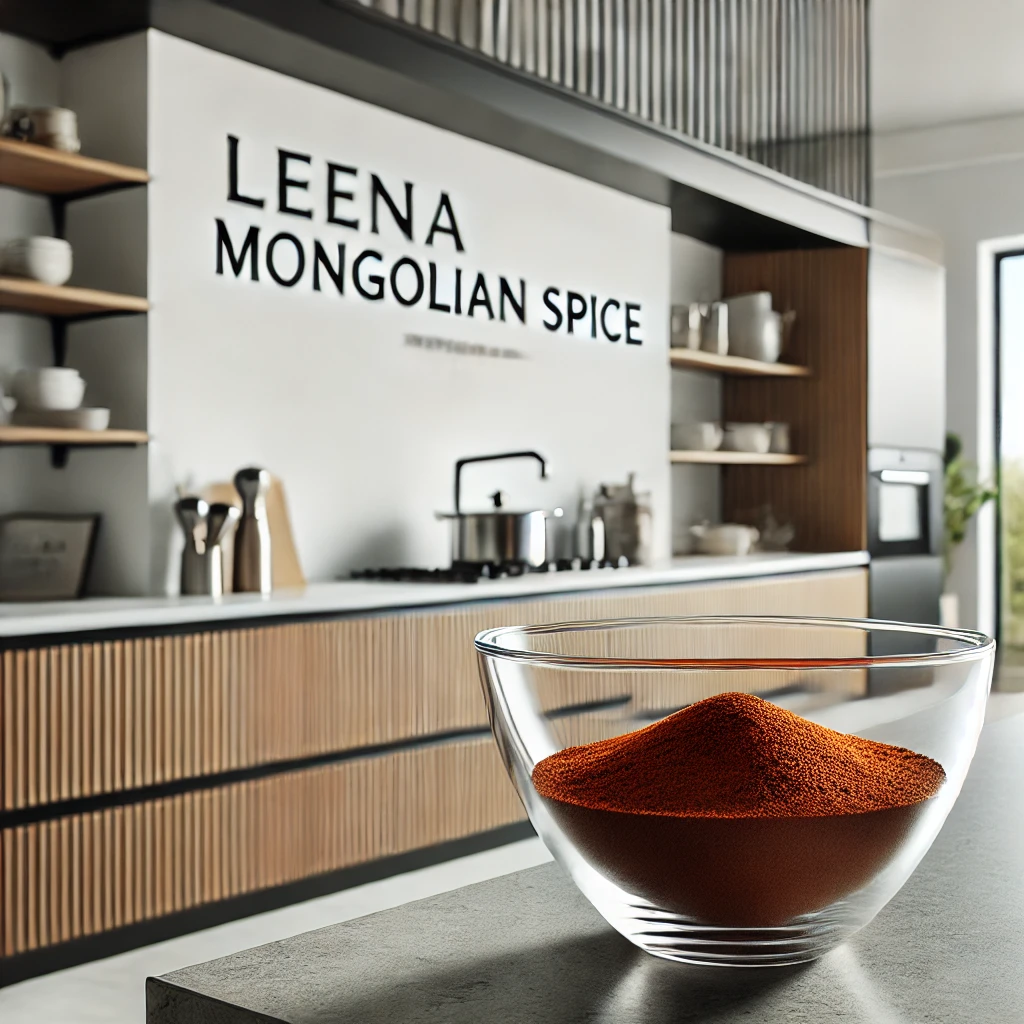
The core ingredients of Mangolian spice mix include black pepper, cumin, garlic powder, ginger powder, dried lemon, onion powder, paprika, and Szechuan pepper. These spices work together to create a warm, slightly spicy, and aromatic seasoning.
Home-dried lemons are the secret ingredient that elevates the entire seasoning, adding a concentrated burst of citrus aroma that cuts through the richness of the spices and delivers a fresh, refined restaurant-style finish.

Impu Irani is the cookbook author behind Leena Spices , where he shares easy homemade spice blend recipes and practical cooking tips. Read more about him at the end of this post.
What Does Mongolian Spice Blend Taste Like?
A Mongolian spice blend delivers a bold, sweet-savory flavor with warm aromatics and a gentle kick of heat. It’s the signature taste behind “restaurant-style” Mongolian dishes glossy, umami-packed, and slightly caramelized.
The blend balances several key flavor notes:
• Sweet Caramelized Warmth
Hints of sweetness help create that familiar Mongolian-style glaze often found in stir-fries and barbecue dishes.
• Deep Savory Umami
Soy-based seasoning components and aromatic spices give the blend a rich, satisfying base flavor.
• Warm Ginger and Mild Heat
Ginger, pepper, and sometimes chili add gentle warmth without making the dish overwhelmingly spicy.
• Earthy and Aromatic Finish
Earthy spices round out the blend, allowing it to cut through fatty meats or enhance vegetables with a grounded, comforting depth.
While this blend recreates the iconic sizzling stir-fry flavor profile, there are countless regional spice traditions waiting to be explored. Expand your homemade spice collection with the aromatic layers of a Malaysian Spice Blend or discover the deep, slow-cooked flavors behind an Indonesian Rendang Paste Mix
How to Make an Authentic Mongolian Spice Blend at Home?
Making your own Mongolian spice blend at home is simple, cost-effective, and gives you complete control over freshness and flavor. This homemade version captures the bold, sweet-savory, aromatic taste used in Mongolian-style stir-fries, grilled meats, and barbecue dishes. It blends warm spices, gentle heat, and earthy undertones to create a perfectly balanced seasoning you can use in countless recipes.
Homemade Mongolian Spice Blend (Authentic-Style Recipe)
Ingredients (by weight):
- Black Pepper – 3 g
- Cumin – 14 g
- Garlic Powder – 14 g
- Ginger Powder – 14 g
- Dried Lemon (or lemon peel powder) – 6 g
- Onion Powder – 7 g
- Paprika – 28 g
- Szechuan Pepper – 14 g
📋 The Official Mongolian Spice Blend Recipe
Select your preferred unit below to view measurements for one standard retail-sized batch (~50g).
| Ingredient Name | Measurement |
|---|
💡 Chef’s Hint: Always mix powders in a completely dry bowl. Store your finished blend in a sealed glass jar away from direct sunlight to preserve active aromatic oils for up to 6 months.
Method
1.Toast the Peppercorns: 2-3 minutes.
Add whole Szechuan peppercorns to a dry pan over medium heat. Toast until fragrant, tossing constantly. Do not let them smoke or blacken, as this turns them bitter.
2.Cool and Grind: 5 minutes.
Allow the toasted peppercorns to cool completely. Grind them into a fine powder using a spice grinder or a mortar and pestle.
3.The Ratio Blend: 2 minutes.
In a dry glass bowl, combine the ground Szechuan pepper with the remaining pre-ground powders (black pepper, paprika, garlic, ginger, cumin, onion, and dried lemon) according to the gram weights. Whisk thoroughly until the color is entirely uniform.
4. Airtight Storage: Long-term preservation.
Transfer immediately to a clean, airtight glass jar. Store away from direct sunlight, heat sources (like your stove), and moisture. Use within 6 months for maximum aromatic potency.
Adjust to Taste (Optional)
- For more heat: add extra black pepper or a pinch of chili powder.
- For extra sweetness: mix in a bit of brown sugar when using the blend in sauces.
- For deeper aroma: add a small amount of smoked paprika.
Leena SpicesTip:
The secret to a truly balanced lamb or beef seasoning lies in the power of citrus brightness. The natural tang of dried lemon and other aromatic citrus notes cuts through the richness of fatty meats, lifting the heavy flavors and creating a clean, vibrant finish. Unlike many restaurant-style glazes that rely on sugar and salt for impact, this approach delivers complexity with a refreshing burst of acidity that enhances the meat’s natural savoriness while leaving every bite feeling lighter, brighter, and more refined.
If you enjoyed customizing this Mongolian blend, you’ll love our complete Home Spice Secrets. Get 200+ exclusive, master-ratio spice recipes to recreate your favorite takeout dishes perfectly at home.
Leena Spices Kitchen Series
The Ultimate Spice Pairing Guides
Master the delicate science of balancing premium dried herbs, citrus, and spices. Get over 201+ exclusive home-cook recipes, seasoning ratios, and kitchen hacks.
Is Mongolian Spice Blend Suitable for Marinades?
Yes Mongolian spice blend is excellent for marinades. Its bold, sweet-savory, aromatic flavor profile works beautifully as both a dry rub and a wet marinade, making it ideal for meats, seafood, tofu, and plant-based proteins.
1. Dry Rub (Traditional Method)
Using the spice blend as a dry rub is one of the most authentic ways to season meat in Mongolian-style cooking. Simply coat the surface of beef, lamb, mutton, chicken, tofu, or vegetables with the blend and let it rest.
Benefits of dry rubbing:
- Creates a deeply flavored crust when grilled or seared
- Enhances browning and caramelization
- Works well for skewers, barbecues, and high-heat cooking
Ideal resting time:
- 30 minutes to overnight (longer time = stronger flavor)
2. Wet Marinade (Modern Mongolian-Style)
To turn the spice blend into a marinade, mix it with a liquid base. This helps tenderize ingredients and infuses flavor more evenly.
Common liquid additions:
- Soy sauce
- Neutral oil or sesame oil
- A splash of water or hoisin sauce
- Optional: minced garlic or grated ginger for extra depth
How to use:
Coat meat or plant-based proteins in the marinade and refrigerate.
Marinating time:
- 15 to 60 minutes for beef, chicken, tofu, or vegetables
- Up to 4 hours for lamb, mutton, or thicker cuts
Can Mongolian Spice Blend Be Used for Vegetarian Dishes?
Yes, Mongolian spice blend works beautifully in vegetarian and vegan cooking. Its bold mix of sweet, savory, and mildly spicy flavors adds instant depth to plant-based dishes, making it a versatile seasoning far beyond beef stir-fries.
Because the blend is naturally vegetarian and vegan, it pairs well with vegetables, tofu, grains, legumes, and modern plant-based proteins. The spices create a rich umami profile that helps vegetarian dishes taste hearty and satisfying without relying on meat.
Best Vegetarian Uses for Mongolian Spice Blend
- Vegetable Stir-Fries
Perfect for quick weeknight cooking. Mixed vegetables, mushrooms, broccoli, and capsicum absorb the sweet-savory sauce beautifully. - Tofu, Tempeh, and Seitan
Use the blend as a dry rub or seasoning for pan-frying, air-frying, or grilling. It creates a caramelized crust similar to Mongolian-style meat dishes. - Roasted or Grilled Vegetables
Root vegetables like potatoes, carrots, parsnips, and sweet potatoes taste richer with the warming, earthy spice mix. - Legumes and Grains
Add a small amount to lentils, chickpeas, quinoa, or brown rice for a deeper, more aromatic flavor. - Creative Meat-Free Variations
- Mongolian tofu
- Mongolian mushrooms
- Cauliflower “Mongolian beef”
- Eggplant Mongolian stir-fry
- Tempeh or seitan skewers
- Mongolian-style mixed vegetable bowls
To bring out the absolute best in grilled eggplant or crispy tofu, explore the deep earthy notes and warming aromatics of our Sri Lankan Curry Powder. Its carefully balanced blend of roasted spices adds layers of complexity, enhancing the natural flavors of vegetables and plant-based proteins while creating a rich, restaurant-style finish.
Leena Spices Kitchen Series
The Ultimate Spice Pairing Guides
Master the delicate science of balancing premium dried herbs, citrus, and spices. Get over 201+ exclusive home-cook recipes, seasoning ratios, and kitchen hacks.
Related Posts You May Want to Read
15 Magnesium-Rich Herbs and Spices: Are You Getting Enough?
1 Secret of Asian Spice Blend That Will Transform Your Cooking
Authentic Vietnamese Spice Blend: How to Make, Store, and Use It at Home
How to Make Authentic Chinese Five Spice Powder at Home – Easy 5:3:2:2:2 Ratio Recipe
What Dishes Commonly Use Mongolian Spice Blends?
Mongolian spice blends are used across a wide range of dishes, from traditional Mongolian meat preparations to modern restaurant-style Mongolian stir-fries. The blend’s warm, sweet-savory, umami-rich flavor makes it versatile for grilling, stir-frying, roasting, and marinating.
1. Modern Global Dishes Using Mongolian Spice Blends
Most people know Mongolian seasoning through Mongolian barbecue and Chinese-inspired stir-fries. These dishes rely on the blend’s aromatic warmth, caramelized sweetness, and mild heat.
Popular Modern Uses
- Mongolian Beef
Tender stir-fried beef coated in a glossy sweet-savory sauce.
• Mongolian Chicken or Pork
Similar to Mongolian beef but adapted for other proteins.
• Mongolian Lamb
Rich, aromatic, and perfect for high-heat cooking.
• Mongolian-Style Tofu or Vegetables
A plant-based alternative that absorbs the spice blend beautifully.
• Mongolian Noodles (Lo Mein/Udon)
Stir-fried noodles seasoned with the blend for a bold, umami hit.
• Mongolian Fried Rice
Adds warmth and sweetness to leftover rice dishes.
• Grilled or BBQ Mongolian Skewers
Commonly made with beef or lamb and generously dusted with the spice mix.
• Mongolian-Style Glazed Meatballs
Sweet, sticky, and packed with flavor.
• Mongolian Shrimp or Prawns
A lighter seafood variation gaining popularity.
2. Traditional Mongolian Dishes That Use Spices
Traditional Mongolian cuisine is simple and meat-centric, typically seasoned with only salt, onion, pepper, or cumin. While the modern “Mongolian spice blend” is not historically ancient, certain traditional dishes use similar foundational spices.
Traditional Mongolian Dishes Enhanced With Spices
- Khorkhog (Stone-Cooked Mongolian BBQ)
Mutton cooked with hot stones. Modern versions sometimes apply a cumin-forward dry rub for deeper flavor. - Boodog
Goat or marmot cooked with hot stones inside the carcass. Seasoning is usually simple (salt, onion), but some variations add pepper or cumin. - Sharsan Mah (Fried Meat)
Pan-fried beef or mutton seasoned with salt, pepper, and occasionally cumin. - Buuz (Steamed Dumplings) & Khuushuur (Fried Meat Pies)
Filled with minced meat seasoned with salt, onion, and sometimes black pepper or cumin.
3. Fusion and Restaurant Dishes Using Mongolian Seasoning
Around the world, chefs use Mongolian spice blends to create exciting fusion recipes:
- Asian-Western grilled meats
• Mongolian BBQ bowls
• Stir-fried vegetables with tofu or tempeh
• Mongolian-spiced burgers or sliders
• Mongolian-seasoned roasted potatoes or cauliflowerIn Summary
Mongolian spice blends are commonly used in:
✔ Mongolian barbecue dishes
✔ Stir-fried beef, chicken, pork, or lamb
✔ Noodles, fried rice, and vegetable stir-fries
✔ Grilled skewers and roasted meats
✔ Plant-based dishes like tofu, tempeh, and mushrooms
✔ Traditional Mongolian meat dishes (in simpler form)
✔ Modern fusion cuisine around the world
Leena Spices Kitchen Series
The Ultimate Spice Pairing Guides
Master the delicate science of balancing premium dried herbs, citrus, and spices. Get over 201+ exclusive home-cook recipes, seasoning ratios, and kitchen hacks.
Frequently Asked Questions: Mongolian Spice Blend
Can I store Mongolian spice blend long-term without losing flavor?
Yes. Store the blend in an airtight jar, away from heat and sunlight. When kept in a cool, dry place, it maintains its flavor and aroma for up to 6–8 months. For peak freshness, grind whole spices just before mixing.
Can I use Mongolian spice blend in soups and stews?
Absolutely. Adding 1–2 teaspoons to broths, stews, or noodle soups enhances depth and umami while giving a subtle sweet-savory warmth. It pairs well with both meat and plant-based soups.
How can I adapt Mongolian spice blend for low-sodium cooking?
Use the blend without added salt or replace soy sauce with low-sodium versions when making marinades. Herbs like coriander or parsley can enhance flavor without increasing sodium.
What are the best oils to use with Mongolian spice blend for marinades?
Neutral oils like vegetable, canola, or sunflower work best. Sesame oil adds a nutty aroma and complements the blend’s warmth. Avoid strongly flavored oils that may overpower the spices.
Can I make a smoky version of Mongolian spice blend?
Yes. Add smoked paprika or lightly toast cumin and Szechuan pepper before grinding. This creates a smoky depth ideal for grilled meats or BBQ skewers.
Is Mongolian spice blend gluten-free?
The dry spice mix itself is naturally gluten-free. When making marinades, choose gluten-free soy sauce or tamari to ensure the dish remains safe for gluten-sensitive diets.
Can Mongolian spice blend be used for seafood?
Definitely. It works well with shrimp, fish fillets, or scallops. Lightly coat seafood with the blend and grill, pan-fry, or stir-fry for a sweet-savory flavor with aromatic warmth.
How can I make Mongolian spice blend less spicy for mild palates?
Reduce black pepper and Szechuan pepper or omit chili-based paprika if used. You can enhance sweetness with a small amount of brown sugar or honey for a balanced flavor.
Can I use Mongolian spice blend in rice and grain dishes?
Yes. Sprinkle 1–2 teaspoons over fried rice, quinoa, or pilafs while cooking. It adds savory depth and subtle aromatic sweetness, transforming simple grains into bold, flavorful dishes.
How does Mongolian spice blend compare to Chinese Five-Spice or Korean BBQ seasonings?
Unlike Five-Spice, which includes star anise, cloves, and cinnamon, Mongolian spice blend focuses on pepper, cumin, garlic, ginger, and paprika for a sweet-savory profile. Compared to Korean BBQ seasoning, it has milder heat and more aromatic earthiness, making it versatile for stir-fries, marinades, and grilling.
Medical Disclaimer:
The information provided in this article is for educational and informational purposes only and is not intended as medical advice. Always consult a qualified healthcare provider before starting any new dietary supplement, herbal remedy, or wellness routine, especially if you have underlying health conditions, are pregnant or breastfeeding, or are taking prescription medications.
Impu Irani is a cookbook author behind Leena Spices, where he shares practical, easy-to-follow guides on homemade spice blends, herbs, and natural cooking. His work helps home cooks create fresh, flavorful meals using simple ingredients and traditional methods. Download his free Spice Blending eBook and start your journey to cleaner cooking today!
Disclosure Note
We are committed to creating high-quality, helpful content for our readers. We do not accept payment in exchange for writing our articles, and we personally cover the costs of running this website, including hosting, tools, and maintenance.
To support the site, we display ads and may earn a small commission from affiliate links if you choose to make a purchase—at no extra cost to you.
Your support helps us continue sharing valuable content with the community.
If you’d like to support us, here are a few simple and free ways:
- Share our content with your friends and family
- Engage with us on social media
- Follow us on Facebook
You can also learn more by visiting our disclaimer page:
https://leenaspices.co.nz/disclaimer/
As a thank you, feel free to download our Free Spice Recipe eBook.
Download a Free Leena Spices Recipes Cookbook