
Impu Irani is the cookbook author behind Leena Spices , where he shares easy homemade spice blend recipes and practical cooking tips. Read more about him at the end of this post.
Table of Contents
ToggleWhat Are Dried Chives? Flavor Profile, Ratios, and Culinary Uses
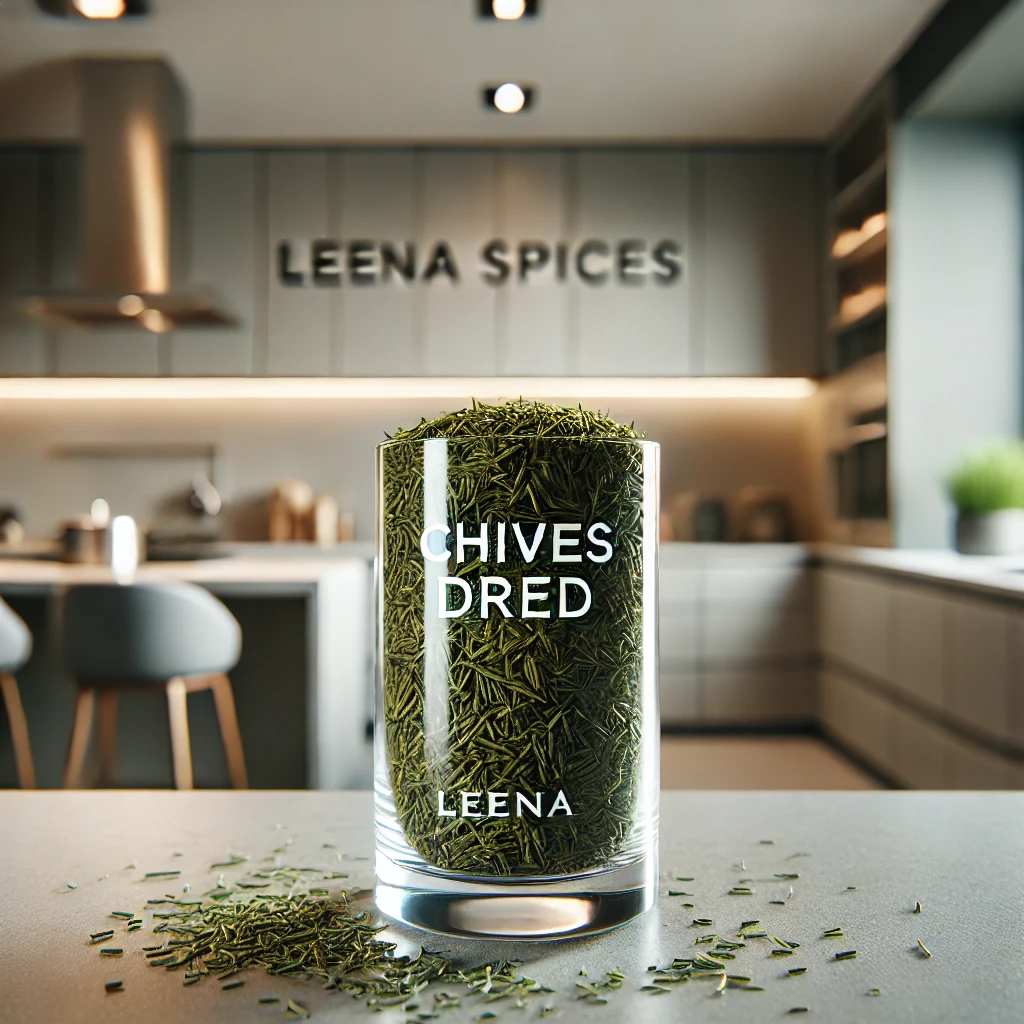
If you enjoy the gentle onion-like flavor and delicate crunch of fresh chives but often find your fresh herbs wilting away in the refrigerator, dried chives are the perfect kitchen solution.
Made from Allium schoenoprasum, chives belong to the same family as garlic, onions, and leeks. However, unlike fresh onions, which can sometimes overpower a dish with their sharp bite, dried chives offer a much milder and more balanced onion flavor. They add a subtle sweetness, a fresh herbal note, and just the right amount of savory depth without taking over the entire recipe.
Dried chives are usually preserved through gentle dehydration or freeze-drying shortly after harvest. This process helps retain their natural aroma, green color, and delicate essential oils. Once added to moisture like soups, sauces, dips, or cooked dishes, they slowly release their flavor and bring a fresh herb-like touch to your cooking.
One of the most common questions home cooks ask is:
“My recipe calls for fresh chives, but I only have dried chives in my spice cabinet. Can I use them instead, and how much should I add?”
The good news is that dried chives can easily replace fresh chives in most recipes. The key is understanding the simple herb conversion rule: because dried herbs are more concentrated than fresh ones, you need to use a smaller amount to achieve a similar flavor.
Finding the perfect balance between savory depth, gentle heat, and aroma can completely transform a dish. Small adjustments in spice levels often make the difference between a good meal and an unforgettable one.
If you enjoy mastering these subtle flavor details, explore our Gochugaru flavor masterclass to discover how to balance sweet, savory, and spicy elements with confidence across your everyday cooking.
The Golden Rule: The 3:1 Herb Substitution Ratio
Because dehydration removes the water weight from the herb, the flavor and aromatic oils in dried chives are highly concentrated. To avoid overpowering your dish, always follow the 3:1 ratio:
1 Tablespoon of Fresh Chives = 1 Teaspoon of Dried Chives
To make your meal prep completely foolproof, use our real-time kitchen conversion tool below to scale your recipe perfectly.
Fresh to Dried Chives Calculator
Enter the amount of fresh chives called for in your recipe to instantly calculate the perfect dried substitute.
Waking Up the Flavor: How to Use Dried Chives in Everyday Cooking
Knowing the right amount of dried chives to use is only part of the secret. The real magic happens when you know how to bring their flavor back to life.
Unlike fresh chives, dried chives have had most of their natural moisture removed. This makes them convenient to store, but it also means they need a little help to fully release their aroma and flavor. Adding them directly to a cold dish may give you some flavor, but allowing them to absorb moisture, warm gently, or mix with a little fat helps revive their delicate onion notes.
A simple trick is to add dried chives to foods that contain moisture, such as soups, sauces, dressings, dips, or creamy dishes. You can also stir them into warm butter, oil, or cooked ingredients for a few minutes to help their natural flavors bloom.
Use this quick-reference guide to discover the best ways to add dried chives to your everyday meals and get the most flavor from every sprinkle.
🍳 Breakfast Eggs
Best Partner: Smoked Paprika & Sea Salt
How to Apply: Whisk 1/2 teaspoon of dried chives directly into raw eggs before scrambling.
🥣 Creamy Dips & Mayo
Best Partner: Garlic Powder & Lemon Peel
How to Apply: Fold 1 teaspoon into sour cream or mayonnaise and let it rest in the fridge for 20 minutes.
🥔 Roasted Potatoes
Best Partner: Sea Salt & Olive Oil
How to Apply: Toss 1 teaspoon onto freshly roasted, piping-hot potatoes immediately after taking them out of the oven.
How to Inspect Your Dried Chives for Quality
Not all dried chives deliver the same flavor experience. Because alliums naturally contain highly volatile essential oils, their aroma can be easily lost during large-scale drying, processing, and storage. The result? Some commercial jars taste like little more than faded green flakes with very little real onion character.
That’s why it’s worth taking a moment to “audit” your spice cabinet and check the quality of what you’re using. A good batch of dried chives should still carry a gentle aroma, a noticeable green color, and a faint onion-like sweetness when crushed between your fingers.
When evaluating your jar of dried chives, use these three simple checkpoints:
1.The Chlorophyll Color Test
Start by simply looking at the jar. High-quality dried chives should still show a deep olive-green to bright grass-green color. This green tone is a sign that the natural chlorophyll has been well preserved during drying and storage.
If the chives look yellow, dull brown, or grayish, that’s a warning sign. It usually means they’ve been exposed to too much light, heat, or air over time. In these conditions, the delicate essential oils break down, and most of the flavor is already lost. What remains is mostly colorless plant matter with very little aroma or taste.
2. The Aroma Rub Test (Friction Release Test)
Take a small pinch of dried chives and rub them briskly between your fingertips. This simple friction generates a little heat, which helps release their natural essential oils.
Good-quality dried chives will immediately give off a bright, clean, slightly sweet onion aroma. The scent should feel fresh and noticeable, even from a small pinch.
If, instead, the flakes turn into a dull, scentless powder—or smell like dry hay or paper—this is a clear sign they are stale. In that case, most of the aromatic oils have already degraded, and the chives will add very little flavor to your cooking.
3. The Cut & Particle Inspection (Processing Quality Check)
Take a close look at the texture and shape of the dried chives in your jar. High-quality chives usually appear as uniform, clean cuts or small hollow ring-like pieces. The flakes should look light, consistent, and clearly plant-derived.
Lower-quality commercial products often tell a different story. You may notice uneven fragments, excessive powder, or dusty sediment mixed in with the flakes. This usually happens when the tougher lower stems of the plant are ground down and blended in to increase volume and weight.
While this may make the jar look fuller, it often comes at the cost of flavor and aroma, since the most tender and aromatic parts of the plant are diluted with fibrous material.
Low-Quality vs High-Quality Dried Chives
Evaluation Area | Signs of Low-Quality Dried Chives | What to Look For Instead |
Colour (Visual Quality) | Brown, yellow, pale, or faded colour | Deep, vibrant green colour |
Plant Parts Used | Excessive white bits, thick stems | Fine leaf rings or flakes with minimal stems |
Residue in Container | Powdery dust settled at the bottom | Mostly intact flakes, minimal dust |
Moisture & Clumping | Clumping, stickiness, or visible moisture | Dry, free-flowing flakes |
Aroma (Smell Test) | Weak, absent, hay-like, dusty smell | Fresh, sharp onion-like aroma when crushed |
Spoilage Odour | Musty or moldy smell | Clean, herbaceous scent |
Texture (Touch Test) | Soft, pliable, sticky, or overly crumbly | Crisp flakes that snap easily |
Rehydration Quality | Gritty or unpleasant mouthfeel after soaking | Smooth texture when rehydrated |
Packaging Quality | Clear jars, non-airtight containers | Airtight, opaque packaging |
Label Transparency | No harvest or expiry date | Clearly labelled origin and recent harvest or packing date |
Taste Profile | Bitter, metallic, or flat flavour | Clean, mild onion flavour |
Quality Assurance | No certifications or testing information | Ideally organic or third-party tested |
Stop Buying Stale, Store-Bought Packets. Lock In Authentic Flavor at Home.
If you love the clean, vibrant profile of premium herbs like our dried chives, you can step up your entire culinary game with our signature digital bible: “Homemade Spice Secrets” by Impu Leena Irani. Learn the precise ratios, roasting rules, and authentic blending secrets to create over 200+ fresh, preservative-free global spice mixes completely from scratch.
- 🌿 100% Pure Flavor: Recreate restaurant-quality blends entirely free of MSG, anti-caking fillers, or cheap stale additives.
- 🌏
Global Kitchen Blueprint: Master everything from authentic Indian Masalas and vibrant Pan-Asian curries to Western and Middle Eastern classics. - ⚡ Instant Access: Download the digital guide straight to your phone, tablet, or computer within minutes.
How Are Dried Chives Processed?
The journey from a fresh, vibrant blade of chives to a concentrated spice rack staple comes down to one essential factor: moisture control. Because chives have delicate cell structures and highly volatile essential oils, they are extremely sensitive to heat. When exposed to aggressive, high-temperature drying methods, the herb can easily lose its character, turning dull, brittle, and lacking in flavor.
To protect both color and aroma, high-quality producers rely on gentler, more precise preservation techniques. These methods are designed to remove moisture without damaging the plant’s natural oils or breaking down its fresh green profile.
Two of the most effective premium processing methods are:
Gently Accelerated Dehydration
Fresh chives are typically harvested early in the morning, when their essential oil content is at its peak. They are then carefully washed and spread out on climate-controlled drying racks. Instead of high heat, a steady flow of cool, low-velocity air is used to slowly draw out moisture over time. This controlled process helps preserve the chives’ natural sweetness and prevents the loss of delicate aromatic compounds.
Flash Freeze-Drying
In this more advanced method, the chives are rapidly frozen at extremely low temperatures. They are then placed in a vacuum chamber where the frozen water content transitions directly into vapor without becoming liquid first. This preserves the structure of the chives, including their signature hollow green rings, while locking in flavor at a near-fresh level.
What Are the Health Benefits of Dried Chives?
While dried chives excel at lifting the flavor profile of everyday home cooking, their true value lies in how their concentrated micro-nutrients interact with your body. When you strip away the water weight, you are left with potent, bioavailable plant defense compounds. Here is exactly how incorporating just a small sprinkle of dried chives impacts your vital organs and long-term health:
🦴 Bone Density & Blood Clotting
Key Compound: Vitamin K (Exceptionally High)
What It Does: Activates osteocalcin, a critical protein needed to bind calcium to the bone matrix and prevent structural fractures.
❤️ Heart & Blood Pressure Support
Key Compound: Allicin (Organosulfur)
What It Does: Relaxes tightly wound blood vessels, stimulates natural nitric oxide release, and lowers overall arterial stiffness.
🛡️ Immune Defense Barrier
Key Compound: Flavonoids / Carotenoids
What It Does: Acts as an anti-inflammatory shield across your cells, safely neutralizing free radicals and lowering oxidative tissue damage.
Digestive Comfort: Why Chives Are Safely Low-FODMAP
The Low-FODMAP Advantage: Dried chives offer a gentle advantage for people sensitive to certain onion and garlic compounds. While onion bulbs and garlic powder are high in fermentable carbohydrates (FODMAPs) that can trigger bloating and digestive discomfort in some people, dried chives come only from the green tops of the plant.
Because of this, they are considered naturally low in FODMAPs and are generally easier on digestion. This means you can still enjoy a clean, onion-like flavor in your cooking without the same risk of IBS-related flare-ups or heaviness that often comes from stronger allium ingredients.
In simple terms: you get the flavor of onion, without the digestive stress.
Nutritional Profile: Vitamins and Active Compounds
Because the dehydration process removes roughly 90% of the plant’s water weight, the micro-nutrients and protective antioxidants left behind in dried chives become highly concentrated. You don’t need to consume massive portions to experience these benefits. Even a small amount such as 1 to 2 teaspoons of dried chives into your daily cooking acts as a functional, clean nutritional boost.
1. Macronutrient Profile
Ultra-low calorie, zero fat, low carb, cholesterol-free.
Provides rich, comforting allium flavor depth without loading unnecessary calories or spiking blood sugar.
2. Vitamin K1 Boost
Exceptionally high concentrations per gram.
Activates specific matrix proteins needed to bind calcium cleanly to bones, supporting long-term skeletal strength.
3. Allicin & Flavonoids
Active, protective plant organosulfur compounds.
Neutralizes daily oxidative cell stress and helps relax blood vessels to keep systemic circulation smooth.
4. Digestive Protection
Green allium tops completely free of harsh bulb fructans.
Delivers genuine savory onion notes without creating the severe gas or stomach bloating caused by raw bulbs.
If you are regularly building a gut-friendly kitchen, see how other unique remedies work in our breakdown of Rock sugar benefits for soothing digestion
Daily Intake: How Much Dried Chives Should You Use?
Dried chives can be eaten every day and are safe for regular consumption when used in normal culinary amounts. In fact, daily use is one of the simplest ways to add flavour and micronutrients to meals without increasing calories, sodium, or fat. Because drying concentrates nutrients, moderation and consistency are key.
Recommended Daily Intake
For most adults, the ideal daily amount is:
1–2 teaspoons of dried chives per day
(approximately equal to 1–2 tablespoons of fresh chives)
This quantity provides meaningful levels of vitamin K and antioxidant compounds without placing unnecessary strain on digestion.
Precautions and Who Should Be Careful
While dried chives are safe for most people, a few considerations apply:
- Blood-thinning medication: Due to their high vitamin K content, individuals taking anticoagulants (such as warfarin) should keep intake consistent and consult a healthcare professional before making dietary changes.
- Digestive sensitivity: Very large amounts (more than 1–2 tablespoons daily) may cause gas, bloating, or mild stomach discomfort due to concentrated sulfur compounds.
- Allium allergies: Rare, but possible in people sensitive to onions, garlic, or related plants. Start with a small amount if unsure.
- Surgery, pregnancy, and breastfeeding: Culinary amounts are generally safe. Avoid excessive or supplement-level intake unless advised by a healthcare professional.
Impu Irani is a cookbook author behind Leena Spices, where he shares practical, easy-to-follow guides on homemade spice blends, herbs, and natural cooking. His work helps home cooks create fresh, flavorful meals using simple ingredients and traditional methods. Download his free Spice Blending eBook and start your journey to cleaner cooking today!
Disclosure Note
We are committed to creating high-quality, helpful content for our readers. We do not accept payment in exchange for writing our articles, and we personally cover the costs of running this website, including hosting, tools, and maintenance.
To support the site, we display ads and may earn a small commission from affiliate links if you choose to make a purchase—at no extra cost to you.
Your support helps us continue sharing valuable content with the community.
If you’d like to support us, here are a few simple and free ways:
- Share our content with your friends and family
- Engage with us on social media
- Follow us on Facebook
You can also learn more by visiting our disclaimer page:
https://leenaspices.co.nz/disclaimer/
As a thank you, feel free to download our Free Spice Recipe eBook.


Frequently Asked Questions About Dried Chives
Have a quick question about cooking with or storing your chives? Here is everything you need to know at a glance.
It depends entirely on your recipe. For liquid-heavy dishes like soups, hot gravies, or scrambled eggs, they will rehydrate naturally during the cooking process. For dry applications, salads, or cold garnishes, mix them with a tiny splash of warm water or olive oil for 5 minutes first to awaken their flavor.
Yes, you can substitute them seamlessly using the standard 3:1 herb ratio. Because dried chives are highly concentrated, use 1 teaspoon of dried chives for every 1 tablespoon of fresh chives called for in your recipe.
When stored in an airtight glass jar away from direct sunlight, moisture, and heat, high-quality dried chives will maintain their peak flavor, aroma, and bright green color for 1 to 2 years. Past this date, they remain safe to consume but will slowly begin to taste faint.
Absolutely. Unlike standard onion bulbs, shallots, or garlic powder—which are high in fermentable sugars that trigger severe stomach bloating—dried chives are harvested strictly from the green tops of the plant. This makes them 100% low-FODMAP safe and incredibly easy on sensitive digestive systems.
Disclaimer: The health, nutritional, and scientific information provided throughout this article is strictly for educational purposes and should never replace professional medical advice, clinical diagnosis, or personalized treatment plans from a qualified healthcare provider.