Table of Contents
ToggleHow to Make Authentic Berbere Spice Mix: Step-by-Step Guide
When whole coriander, cumin, and fenugreek seeds touch a warm skillet, the transformation starts immediately. As they slowly toast, the heat gently breaks open their outer layers and releases the natural aromatic oils stored inside. Within moments, your kitchen fills with a warm, inviting fragrance that combines earthy spices, bright citrus notes, and a gentle sweetness.
This is the reason freshly made spice blends have such incredible flavor. Many store-bought spice powders sit on shelves for long periods, and over time, their delicate oils lose their strength. The result is often a dull, less aromatic powder that cannot compare with the freshness of spices toasted and ground at home.
Authentic Ethiopian Berbere is not simply a mixture of chili peppers and a few spices thrown together. It is a carefully crafted blend where each ingredient contributes its own aroma, warmth, and depth.
In this guide, I’ll show you how to choose quality ingredients, properly toast the spices, and grind them into a fresh Berbere blend that captures the true flavors of Ethiopian cuisine. Making your own spice blend is a simple process, but the difference it brings to your cooking is extraordinary.
Don’t forget to check out our guide, 13 Creative Ways to Cook with Berbere Spice, for inspiring ways to use it, whether you’re making a simple weeknight meal, adding bold flavor to grilled dishes, or creating something new with fusion snacks.

Impu Irani is the cookbook author behind Leena Spices , where he shares easy homemade spice blend recipes and practical cooking tips. Read more about him at the end of this post.
The Raw Anatomy of Berbere: Key Ingredients & Ratios
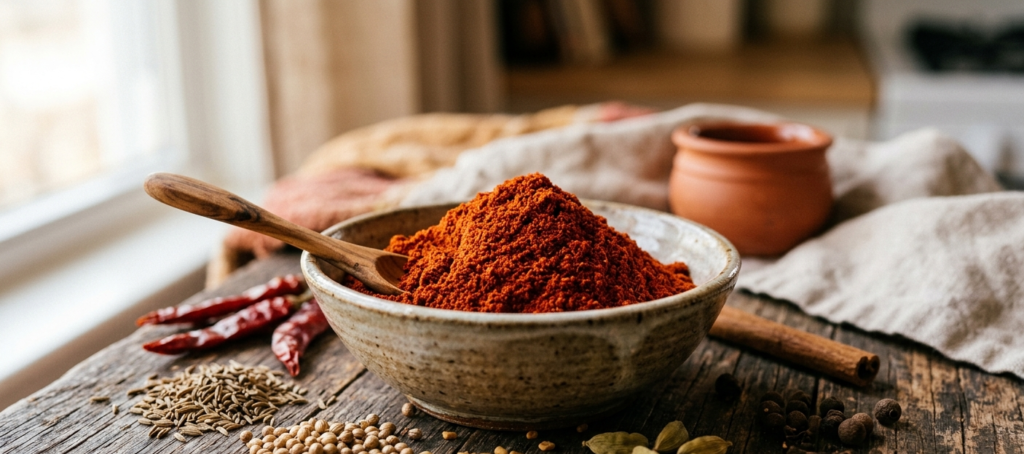
To create an authentic Berbere blend, it is important to understand that it is more than just a combination of ground spices mixed together. Each ingredient has a specific role, and the magic comes from how these flavors work together. A well-balanced Berbere should deliver layers of bold heat, bright citrus notes, warm aromatics, and a subtle sweet-savory depth.
When making Berbere from scratch, it helps to think of the ingredients as belonging to five key flavor pillars. Each pillar adds a different dimension to the blend, creating the complex taste and aroma that makes Berbere so unique.
1. The Fiery Backbone
The heat in Berbere comes from a carefully balanced combination of spices. These ingredients create the blend’s signature warmth, bold flavor, and vibrant red color.
Chili Peppers
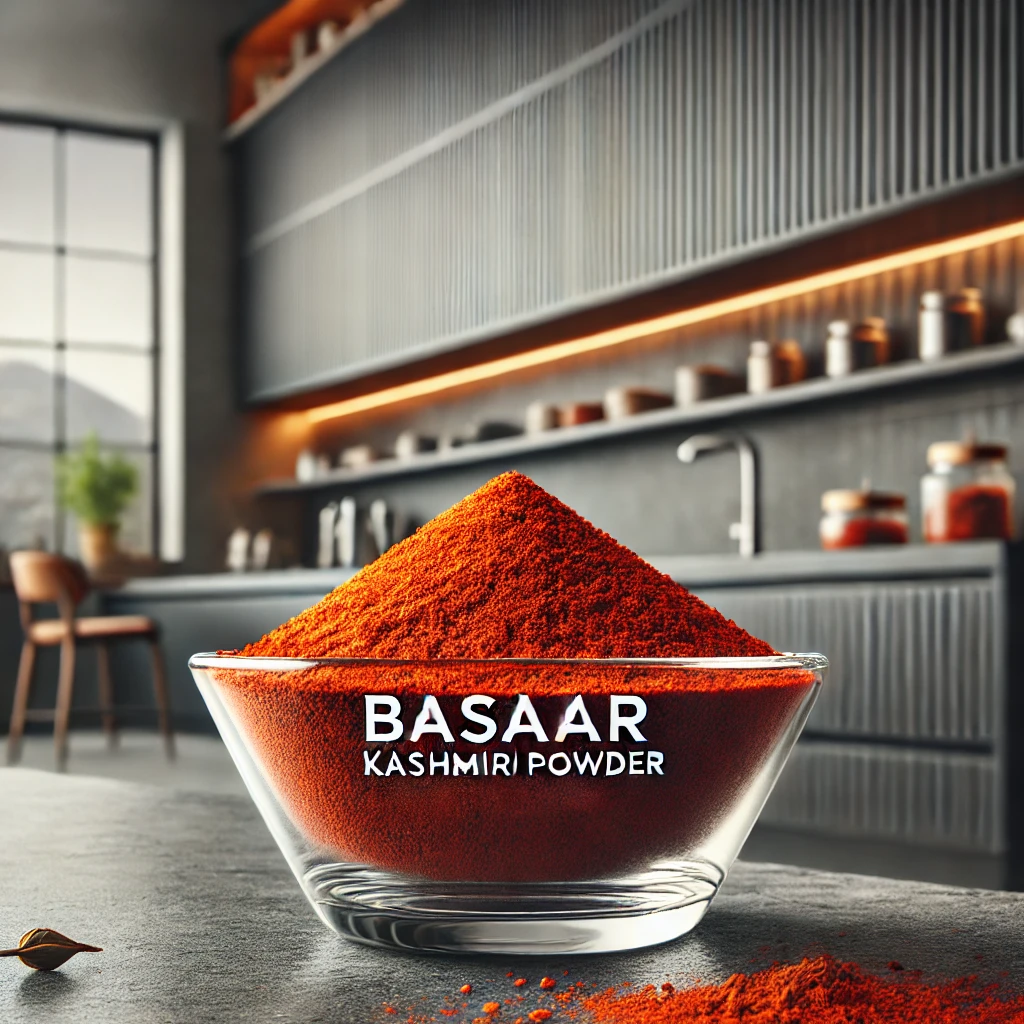
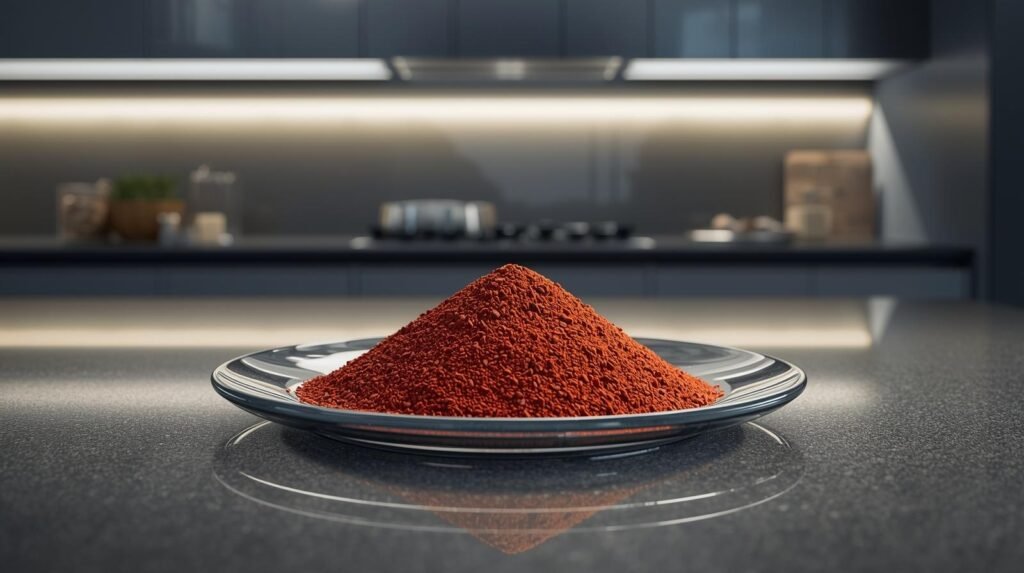
Dried red chili peppers are the heart of Berbere and provide the blend’s defining heat. They give the spice mix its rich crimson color and powerful kick. The variety and quantity of chilies used will determine whether the final blend has a gentle warmth or an intense fiery bite.
Paprika
Paprika is often added to enhance Berbere’s beautiful red color while bringing a mild sweetness and subtle smoky flavor. It helps soften the sharpness of the chilies and adds another layer of depth to the overall spice profile.
Black Pepper
Black pepper adds a different type of heat to Berbere. While chili peppers create a direct fiery sensation, black pepper contributes a sharp, earthy pungency that makes the blend more complex and aromatic.
2. The Earthy and Nutty Core
The earthy foundation of Berbere comes from a combination of warm, aromatic seeds that add depth and balance to the blend. These ingredients soften the sharpness of the chilies while creating the rich, complex flavor that makes Berbere unique.
Fenugreek Seeds
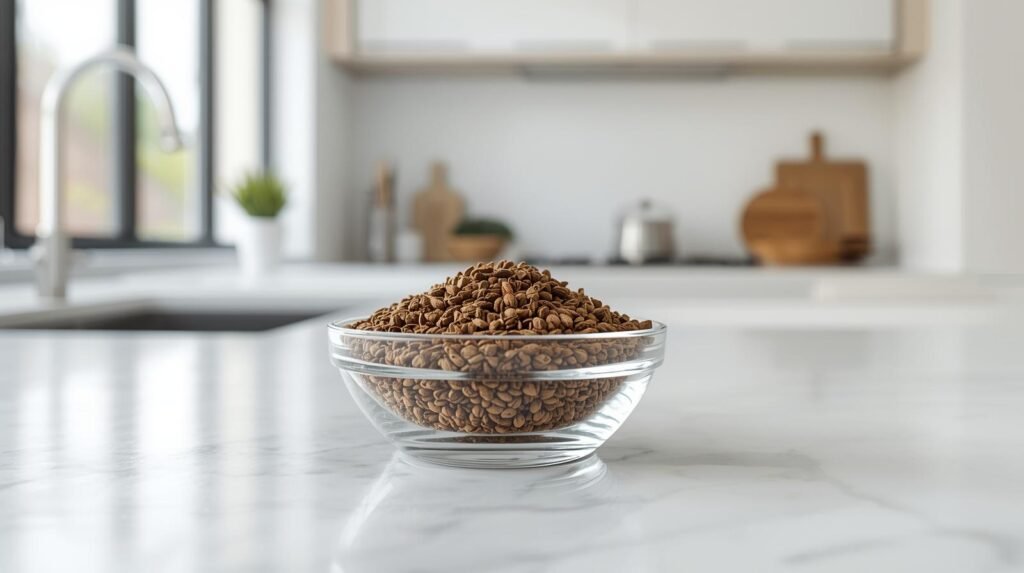
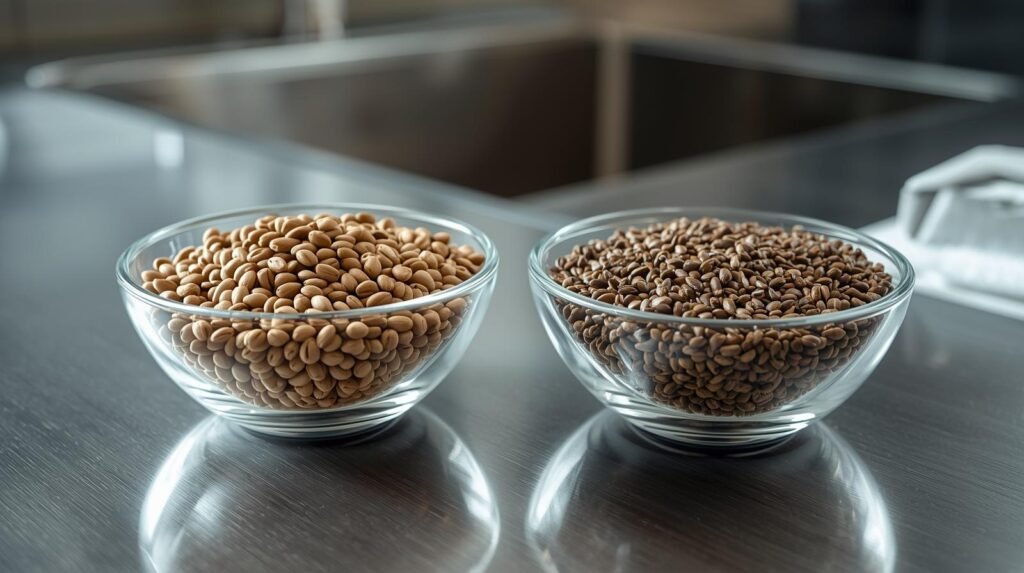
Fenugreek is one of the most important ingredients in traditional Berbere. Often considered the secret ingredient behind its distinctive character, fenugreek adds a deep earthy flavor with a gentle bitterness and a subtle sweetness that can resemble maple-like notes. It gives the blend its signature complexity and depth.
Cumin Seeds
Cumin provides a warm, nutty, and slightly smoky flavor that helps create the foundation of the spice blend. Its rich aroma balances the heat of the chilies and adds a comforting earthiness that works beautifully in stews, marinades, and roasted dishes.
Nigella Seeds
Nigella seeds contribute a unique mild nuttiness with slightly peppery and onion-like notes. They help connect the other earthy flavors in the blend, adding another layer of aroma and making the overall Berbere profile more rounded and balanced.
3. The Pungent Aromatics
The aromatic ingredients in Berbere add a savory depth and brightness that bring the entire blend together. They balance the intense heat of the chilies and create the bold, comforting flavor that is essential in traditional Ethiopian cooking.
Garlic
Dried garlic or garlic powder adds a rich, savory character to Berbere. Its deep pungent flavor creates a strong foundation that works especially well in slow-cooked dishes like stews, where it blends with other spices to create a fuller, more satisfying taste.
Ginger
Dried ginger brings a warm, sharp, and slightly zesty note to the blend. Its clean spiciness helps balance the richness of the other ingredients while adding a refreshing brightness that prevents the spice mix from feeling too heavy.
4. The Sweet and Warm Baking Spices
This group of spices brings warmth, subtle sweetness, and a rich aromatic depth to Berbere. They soften the heat and earthiness of the blend while adding a fragrant, almost festive character that makes the spice mix feel rounded and complete.
Cardamom (Korarima)
Ethiopian korarima is a traditional form of cardamom that adds a uniquely sweet and deeply aromatic flavor. It has a more complex and earthy profile compared to common green cardamom. Using korarima helps give Berbere its authentic East African identity and elevates the blend beyond a standard spice mix.
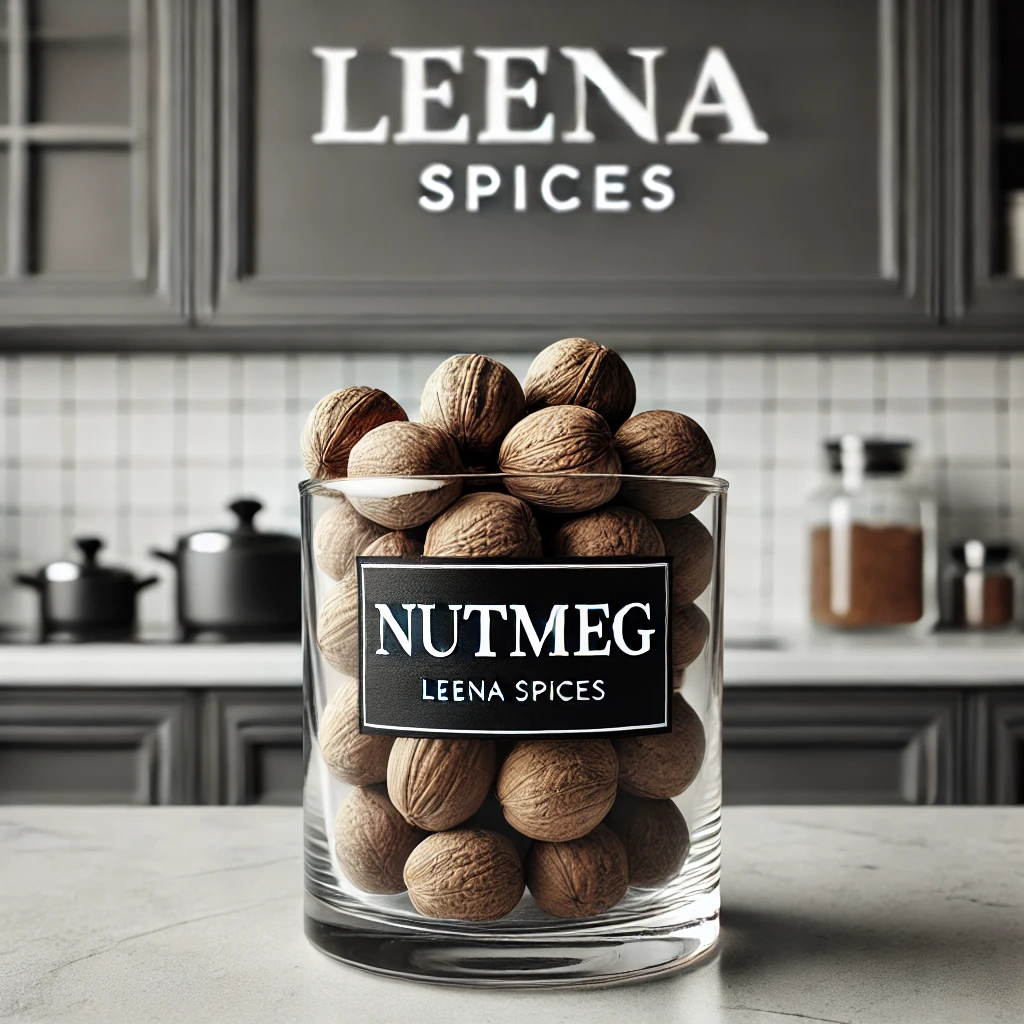
Cinnamon, Cloves, Nutmeg, and Allspice
This group of warm spices works together to create depth and aromatic richness. Cinnamon adds gentle sweetness, cloves bring intense warmth, nutmeg contributes a soft, nutty undertone, and allspice ties everything together with a balanced mix of sweet and peppery notes. Combined, they give Berbere its signature comforting warmth and layered complexity.
5. The Herbal and Complex Accents
These final ingredients bring freshness, brightness, and subtle complexity to Berbere. They lift the heavier spices, add aromatic contrast, and create a more layered and refined flavor profile.
Coriander Seeds
Coriander seeds add a light, citrusy brightness with gentle floral undertones. This helps balance the deeper, earthier spices and brings a refreshing lift that keeps the blend from feeling too heavy.
Ajwain or Radhuni
Ajwain or radhuni introduces a sharp, slightly peppery flavor with thyme-like notes. It adds complexity and a lingering warmth that enhances the overall depth of the spice mix.
Basil (Including Sacred Ethiopian Basil)
Basil contributes a soft herbal sweetness that smooths out the heat from the chilies. In some traditional versions, sacred Ethiopian basil is used to add a more authentic, fragrant herbal layer.
Rue (Optional)
Rue is a highly traditional and optional ingredient that delivers a sharp, bitter, and intensely aromatic note. It is used sparingly in older recipes and adds a distinctive edge found in deeply traditional versions of Berbere.
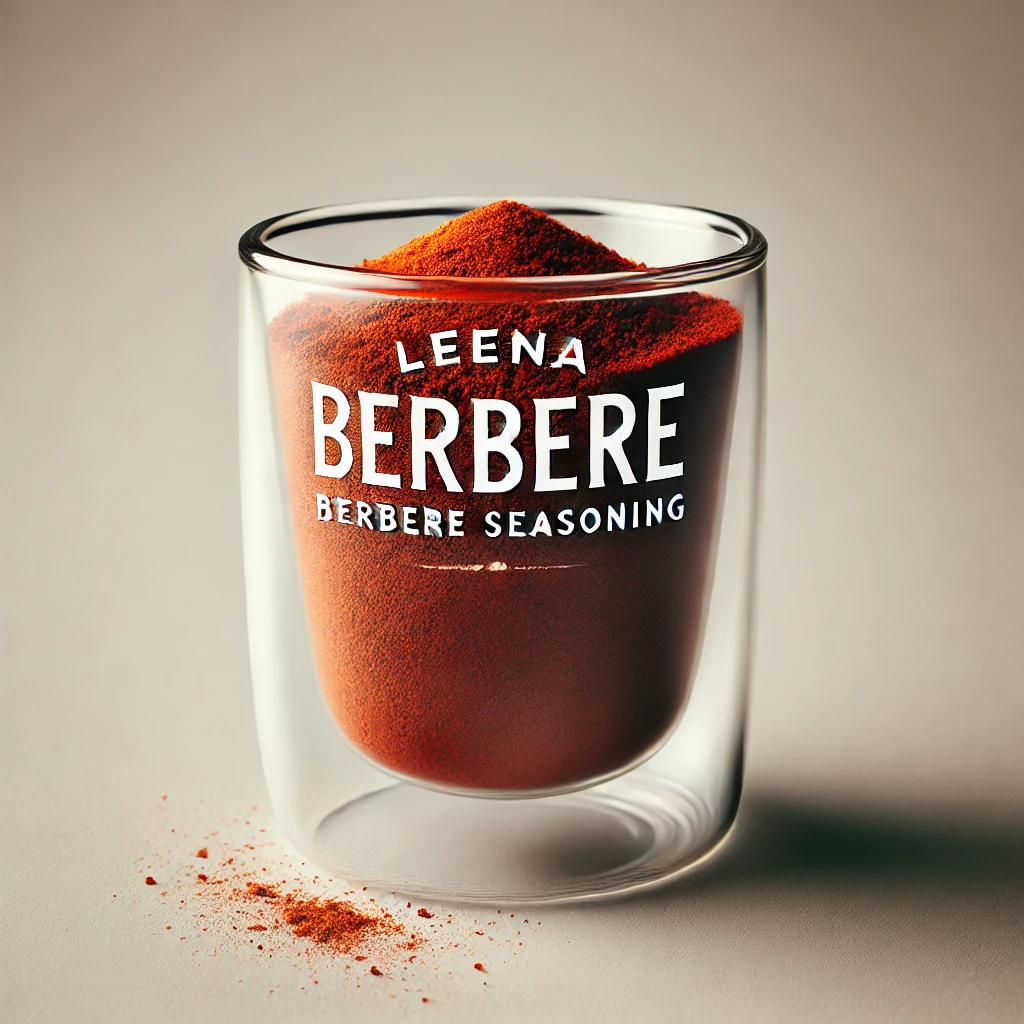
How to Make Authentic Berbere Spice From Scratch
Recipe for homemade berbere spice mix
Homemade Berbere Spice Recipe
Yield: About 1/2 cup
Prep Time: 15 minutes
Ingredients:
- 4 tbsp dried red chili flakes (or 6–8 dried chilies, stemmed and seeded for less heat)
- 2 tsp coriander seeds
- 1 tsp cumin seeds
- 1 tsp fenugreek seeds
- 1 tsp whole black peppercorns
- 1/2 tsp cardamom seeds (or 1 tsp ground cardamom)
- 1/2 tsp ajwain seeds (optional)
- 1/2 tsp nigella seeds (optional)
- 1 tsp ground ginger
- 1 tsp garlic powder
- 1/2 tsp ground cinnamon
- 1/2 tsp ground allspice
- 1/4 tsp ground cloves
- 1 tsp smoked paprika (optional)
- 1 tsp dried basil
- 1 tsp salt (optional)
Instructions:
- Gather Ingredients: Core spices include dried red chili peppers, coriander seeds, cumin seeds, fenugreek seeds, cardamom (or Ethiopian korarima), black peppercorns, cloves, cinnamon sticks, allspice berries, garlic powder, ginger powder, turmeric, and nutmeg. Optional additions include paprika, dried basil, ajwain, nigella seeds, or onion flakes.
- Toast Whole Spices: Lightly toast whole spices like coriander, cumin, fenugreek, cardamom, black pepper, and cloves in a dry pan over medium heat for 2–3 minutes until fragrant. Avoid burning them to prevent bitterness.
- Grind Spices: Once cooled, grind the toasted spices into a fine powder using a spice grinder or mortar and pestle.
- Mix with Ground Spices: Combine the ground toasted spices with powdered ingredients like chili flakes or powder, paprika, garlic powder, ginger powder, cinnamon, allspice, cloves, nutmeg, and dried basil if using.
- Adjust Flavor: Taste carefully and adjust heat with more chili or balance with sweet spices like cinnamon.
- Store: Place the finished Berbere in an airtight container in a cool, dark place. It stays fresh for 3–6 months, depending on storage and ingredient freshness.
Official Leena Spices Recipe
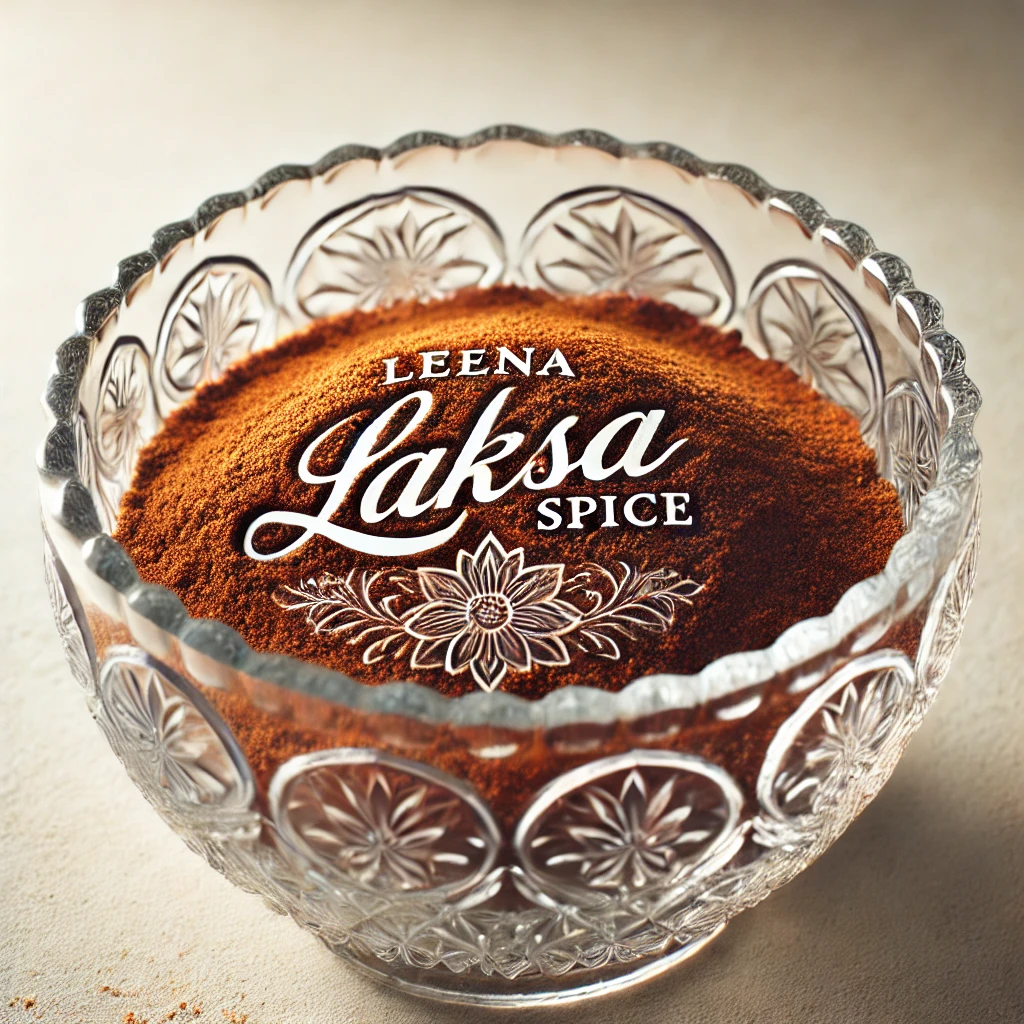
Authentic Homemade Berbere Spice Mix
Exact Ingredient Measurements
- 4 tbsp Dried Red Chili Flakes
- 2 tsp Coriander Seeds
- 1 tsp Cumin Seeds
- 1 tsp Fenugreek Seeds
- 1 tsp Whole Black Peppercorns
- ½ tsp Cardamom Seeds (or 1 tsp ground)
- ½ tsp Ajwain Seeds (Optional)
- ½ tsp Nigella Seeds (Optional)
- 1 tsp Smoked Paprika (Optional, for rich color)
- 1 tsp Garlic Powder
- 1 tsp Ground Ginger
- ½ tsp Ground Cinnamon
- ½ tsp Ground Allspice
- ¼ tsp Ground Cloves
- 1 tsp Dried Basil
- 1 tsp Coarse Salt (Optional)
Quick Instructions
- Toast: Place all whole elements into a dry pan over medium heat for 2–3 minutes until intensely fragrant. Swirl constantly; do not burn!
- Grind: Let the toasted seeds cool completely, then process into a fine powder using a spice grinder or mortar and pestle.
- Combine: Thoroughly whisk your freshly ground mix with the pre-ground powders, herbs, and salt until uniform. Store in an airtight glass jar.
📚 Beyond Berbere: Master the Global Spice Cabinet
If you love the intense, intoxicating aroma of freshly ground Berbere, you are ready to stop relying on stale, store-bought grocery jars entirely. Commercial spice mixes often lose their vibrant, volatile oils months before they reach your pantry.
In my complete masterclass book, Homemade Spice Secrets, I break down the exact artisan ratios to replicate over 50+ world-famous regional seasonings from Asia, Africa, and the Middle East right in your own kitchen. 100% pure flavor, zero fillers, and absolutely no hidden salt.
Tips for Homemade Berbere
- Customize Heat: Use milder chilies for less spice or hotter varieties for more intensity.
- Freshness: Toasting whole spices enhances flavor; if using pre-ground spices, you can skip this step.
- Variations: Optional ingredients like nutmeg or rue can add regional authenticity.
- Usage: Start with 1–2 teaspoons per dish and adjust to taste.
Making Berbere at home is rewarding and flavorful, giving your dishes a vibrant, aromatic, and authentic Ethiopian or Eritrean touch.
How do you store Berbere Spice Blend?
Proper storage is essential to preserve Berbere’s bold, aromatic flavors and potency. Follow these guidelines:
- Use an Airtight Container
- Transfer Berbere (homemade or store-bought) to a clean, dry glass jar or sealed spice tin with a tight-fitting lid.
- Avoid plastic containers or bags that may not seal well.
- Keep It Cool and Dark
- Store in a pantry, cupboard, or spice drawer away from direct sunlight, stoves, ovens, or other heat sources.
- Ideal temperature: room temperature (below 70°F / 21°C).
- Avoid Moisture
- Ensure the spice is completely dry before storing. Any dampness can cause clumping or mold.
- Let freshly toasted or ground Berbere cool fully before sealing.
- Minimize Air Exposure
- Open the container only when needed.
- For large batches, divide into smaller portions to reduce air contact.
- Optional Refrigeration or Freezing
- For longer shelf life, refrigerate or freeze in tightly sealed containers.
- Paste versions of Berbere (mixed with oil or water) should be refrigerated up to 1 week or frozen in ice cube trays for extended storage.
- Track Freshness
- Label jars with the date made or opened.
- Use ground Berbere within 6–12 months for the best aroma and flavor.
Tip: Properly stored Berbere maintains its complex, spicy, and aromatic profile, enhancing Ethiopian stews, meat dishes, and vegetable recipes.
Now that you have your own jar of fresh, flavorful Berbere spice, it’s time to start cooking! Explore our guide, 13 Creative Ways to Cook with Berbere Spice, for delicious ideas ranging from easy weeknight meals and bold grilling rubs to exciting fusion snacks.
How Long Does Homemade Berbere Last?
Homemade Berbere is most flavorful and potent within the first few months. Proper storage is key to maintaining its bold, aromatic profile.
Shelf Life Guidelines:
- Homemade Berbere: Best used within 3–6 months. The essential oils in spices like chili, fenugreek, cumin, and cardamom give maximum flavor during this period. After 6 months, the blend is still safe to use but may lose potency and aroma.
- Store-Bought Berbere: Unopened blends can last 1–2 years, but once opened, aim to use within 6–12 months.
Tip: Even as it ages, Berbere doesn’t spoil if stored properly. It just loses some aroma, heat, and vibrancy. Treat it like any high-quality spice blend: cool, dry, and sealed, and every pinch will enhance your dishes.
Frequently Asked Questions (FAQs)
What is the best substitute if I can't find authentic Ethiopian Korarima?
If you cannot find authentic Ethiopian Korarima, the closest substitute is a combination of green cardamom and black cardamom. Regular green cardamom provides the sweet, floral, and citrusy notes, while a small pinch of black cardamom adds the smoky, earthy depth that makes Korarima so unique.
For the best balance, try using:
- 1 teaspoon green cardamom seeds (from pods)
- A small pinch (about ⅛ teaspoon) of ground black cardamom
This blend will not perfectly replicate Korarima’s complex herbal and slightly minty character, but it will come close to recreating the warm, aromatic depth needed in Ethiopian spice blends like Berbere.
How can I adjust the heat levels without losing the authentic flavor?
Traditional Berbere is unapologetically hot. If you prefer a milder blend, do not simply cut down the spices. Instead, replace half of the hot red chili flakes with sweet Hungarian or smoked paprika. This preserves the rich, iconic crimson color and complex fruitiness without burning your palate.
Why does my homemade Berbere taste bitter, and how can I fix it?
Bitter spice blends are almost always caused by over-toasting whole seeds. Delicate spices like fenugreek, cloves, and cumin turn intensely bitter the exact second they scorch. To avoid this, toast over medium-low heat, swirl constantly, and pull them off the burner the moment you smell their aroma. If a batch is already bitter, you unfortunately have to discard the scorched seeds and start fresh.
Can I use pre-ground powders if I don't own a spice grinder?
Yes, you can absolutely use pre-ground equivalents in a pinch! However, because ground spices lose their volatile aromatic oils rapidly on store shelves, your blend won’t be quite as vibrant. If using pre-ground components, skip the dry-toasting step entirely (as heating powders directly will instantly burn them) and simply whisk all your ingredients together in a clean bowl.

Impu Irani is a cookbook author behind Leena Spices, where he shares practical, easy-to-follow guides on homemade spice blends, herbs, and natural cooking. His work helps home cooks create fresh, flavorful meals using simple ingredients and traditional methods. Download his free Spice Blending eBook and start your journey to cleaner cooking today!
Disclosure Note
We are committed to creating high-quality, helpful content for our readers. We do not accept payment in exchange for writing our articles, and we personally cover the costs of running this website, including hosting, tools, and maintenance.
To support the site, we display ads and may earn a small commission from affiliate links if you choose to make a purchase—at no extra cost to you.
Your support helps us continue sharing valuable content with the community.
If you’d like to support us, here are a few simple and free ways:
- Share our content with your friends and family
- Engage with us on social media
- Follow us on Facebook
You can also learn more by visiting our disclaimer page:
https://leenaspices.co.nz/disclaimer/
As a thank you, feel free to download our Free Spice Recipe eBook.
Download a Free Leena Spices Recipes Cookbook